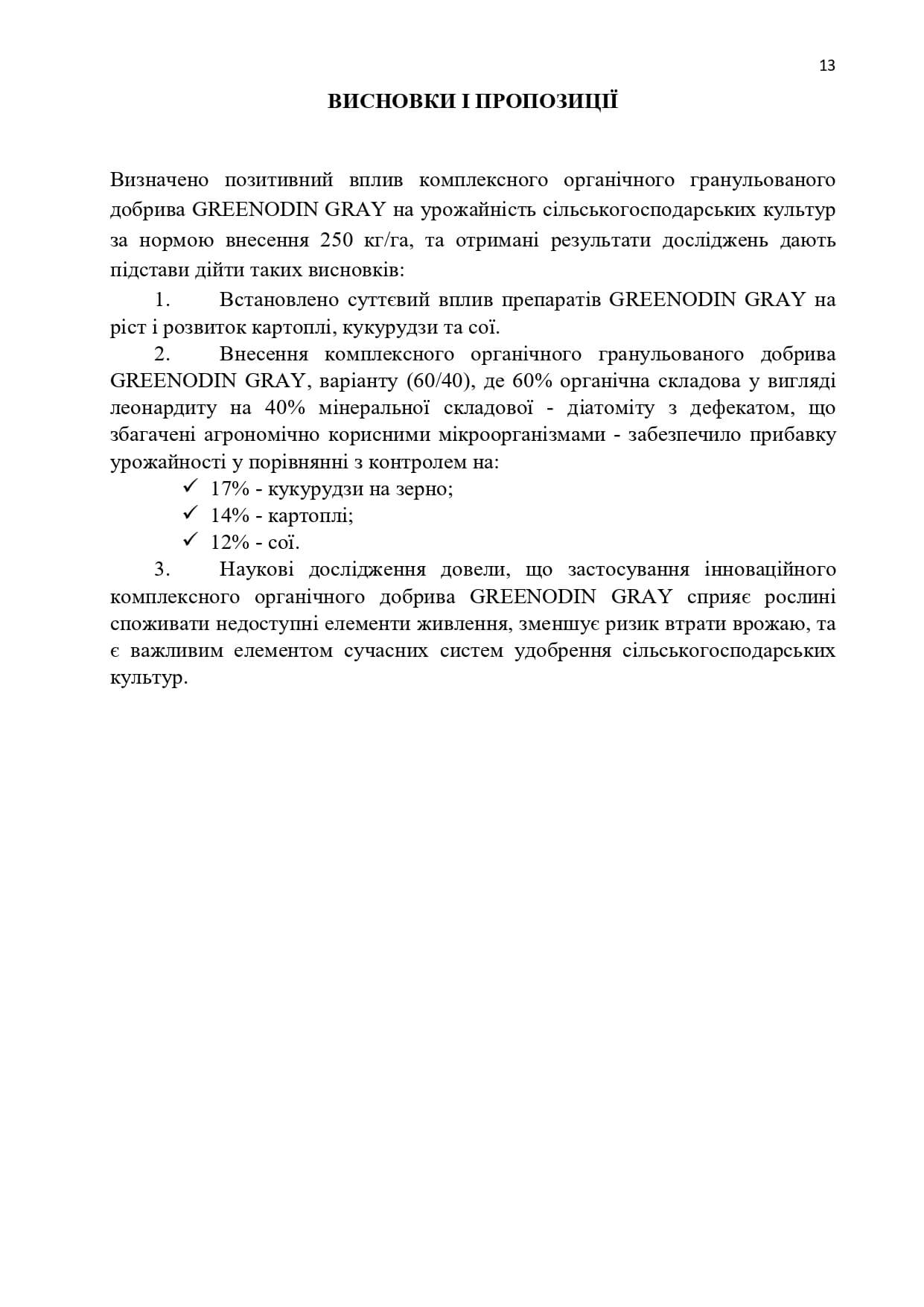
Fertilizer for chickpeas
Chickpeas, also known as Cicer arietinum, are leguminous plants and grain legume crops. The fruits (pods) of chickpeas are approximately 0.5 to 1.5 cm in diameter and are a valuable food product. To obtain ecologically clean, high-protein chickpea produce at a low cost, the use of a complex granulated organo-mineral fertilizer called GREENODIN GRAY is recommended. The basic application rate is 25 grams per square meter or 250 kg per hectare.
In the cultivation of chickpeas, it is important to avoid the use of pesticides, as the symbiosis between the plant and rhizobium bacteria, which is the basis of nitrogen fixation, is highly sensitive to these substances. The use of pesticides can have a negative impact on the formation of nodules, where nitrogen fixation occurs, and reduce their activity. GREENODIN GRAY is equally effective as chemical pesticides in promoting plant growth and development.
Instead of using chemical fungicides to combat root rots and other diseases in chickpeas, it is advisable to use GREENODIN GRAY, which contains microorganisms that are antagonistic to phytopathogens. Since these microorganisms do not have a negative impact on the nodular symbiosis of chickpeas with bacteria, they create a protective barrier against phytopathogens throughout the entire vegetative period by multiplying on the plant roots.
Chickpeas require more phosphorus than cereal crops because this element is necessary for symbiotic nitrogen fixation, which ensures plant productivity. The recommended dosage of phosphorus fertilizers for primary soil treatment is 50-60 kg per hectare based on P2O5, which can be effectively provided by the phosphomobilizing bacteria included in GREENODIN GRAY.
Symbiotic nitrogen fixation in chickpeas occurs through the energy of photosynthesis, and these processes are functionally linked. To increase the productivity of chickpeas, GREENODIN GRAY is used, which also functions as a growth regulator and is fully compatible with nitrogen fixation as it contains nitrogen-fixing microorganisms. GREENODIN GRAY promotes nodule formation and symbiotic nitrogen fixation in chickpeas.
The cumulative effect is reflected in the seasonal reduction of the GREENODIN fertilizer application rate for chickpeas and subsequent crops, which will look as follows over the years: 1st year - 250 kg/ha or 25 g/sqm; 2nd year - 200 kg/ha or 20 g/sqm; 3rd year - 160 kg/ha or 16 g/sqm; 4th year - 128 kg/ha or 13 g/sqm; 5th year - 100 kg/ha or 10 g/sqm; 6th year and subsequent years - 80 kg/ha or 8 g/sqm, which collectively provides economic and ecological benefits!
Growing Conditions for Chickpeas
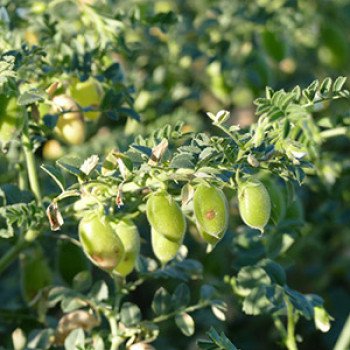
Chickpeas belong to cold-tolerant crops. Their seeds start germinating at temperatures of 2-5°C, and uniform emergence occurs at 4-8°C. The crop can withstand frosts up to 8-10°C. However, during flowering, pod formation, and chickpea maturation, it requires warmth. It is a drought- and heat-resistant crop due to its well-developed root system and efficient water use per unit of dry matter. Chickpeas are long-day plants, and the vegetative period lasts for 80-120 days.
Selection of Chickpea Variety
Different varieties may have variations in tolerance to specific climatic conditions and diseases, considering the maturity period ranging from 80 to 120 days. Longer-duration varieties may require more time to reach full maturity and harvest. Another criterion for selection is the color of the seeds. Currently, there are chickpea varieties available with cream, yellow, and brown-colored seeds. The choice of seed color does not affect the nutritional value of the product, so it can be chosen based on personal preferences. The yield of chickpeas in Ukraine is approximately 4 kg per 10 m², and on an industrial scale, it can reach up to 3 tons per hectare. This yield depends on various factors such as sowing, implementation of agronomic practices, level of plant care, and others. When choosing a chickpea variety, it is important to consider the suitability of the regional conditions, and any unfavorable conditions can be mitigated by the application of GREENODIN GRAY.
Predecessors for chickpeas
Choosing the right predecessors is important for maintaining soil fertility and preventing the spread of diseases and pests. The best predecessors for chickpeas are:
- Cereal crops: such as wheat, barley, oats.
- Silage corn: corn grown for animal feed.
- Vegetable crops: pumpkins, zucchini, cucumbers, beets, carrots.
- Rapeseed: an oilseed crop that can also be used as a predecessor for chickpeas.
- Grain corn: corn grown for grain production.
- Sorghum: but only with proper soil preparation and the presence of harvest residues.
The following crops are not recommended as predecessors for chickpeas:
- Sugar beets: due to late field clearance and limited time for soil preparation.
- Perennial grasses: due to the potential accumulation of weeds and pests.
- Grain legumes: due to the potential spread of common diseases and pests.
- Sunflower: as an unsuitable predecessor for chickpeas.
Chickpeas are not very demanding in terms of predecessors, and they can be successfully grown after many crops. However, continuous monoculture of chickpeas is not effective, and it is recommended to return to chickpeas on the same field no earlier than four to five years. Excessive cultivation of chickpeas on the same field can lead to the accumulation of diseases and pests, such as root and stem rot, fusarium, and others. In any case, applying 15 g/m² or 150 kg/ha of GREENODIN GRAY will alleviate the burden on the wrong predecessor.
Crop rotation for chickpeas
Crop rotation plays a crucial role in the cultivation of chickpeas. Chickpeas have important agrotechnical characteristics that make them beneficial in crop rotations. The plant enriches the soil with nitrogen and other essential micronutrients, improves its structure, and utilizes atmospheric nitrogen. This makes chickpeas a suitable predecessor for many agricultural crops. When combined with GREENODIN GRAY, chickpeas ensure an adequate population of beneficial bacteria in the soil and create favorable conditions for their development, resulting in increased yields of subsequent crops.
Therefore, for optimal chickpea cultivation, it is important to follow a well-planned crop rotation that includes chickpeas in rotation with other agricultural crops. By incorporating GREENODIN into the cultivation practices, better results in chickpea production can be achieved while maintaining soil health at an optimal level. However, the recommended ideal crop rotation for chickpeas is wheat-chickpeas-wheat.
Growing Chickpeas
The chickpea cultivation technology involves several key steps that contribute to a successful harvest:
Soil Preparation for Chickpeas
Site selection: Choose a well-lit area with good drainage. Proper drainage can be partially ensured by using GREENODIN GRAY during soil preparation.
Soil tillage: Conduct primary tillage in autumn and/or spring. Perform shallow plowing to a depth of 15 cm, remove weeds, and evenly distribute the organic-mineral fertilizer GREENODIN GRAY during the initial application.
pH regulation: Chickpeas thrive in a wide pH range, from slightly acidic pH 6.0 to alkaline pH 8.5. However, the best results in terms of yield are achieved at a neutral pH of 7.0. Therefore, applying GREENODIN GRAY with a pH of 7.0 is the recommended option for pH regulation while simultaneously nourishing the soil.
Chickpea Planting
Determining the sowing time: The recommended sowing time depends on your region. Generally, chickpeas are sown in spring when the soil temperature reaches 4-5 °C. The rule for planting is "the earlier, the better." It is advisable to sow in moist soil. If the soil is sufficiently moist, the sowing depth should be 7 cm. For average soil moisture, it should be 10 cm, and for dry soil, it should be 15 cm.
Planting method: Chickpeas can be sown using a seeder or by hand using the solid, strip, or wide row method. The seeding rate depends on the variety and the weight of a thousand seeds, ranging from 100 to 200 kg/ha. The strip or wide row methods offer advantages over the solid planting method, with a seeding rate of 400-550 thousand seeds/ha.
Chickpea Care
Irrigation: Irrigation is an effective solution for increasing chickpea yield and protecting the crop during drought periods. If the chickpea crops are located in irrigated areas, additional watering is recommended during the "flowering" or "flowering-beginning of pod formation" stages. The irrigation rate can range from 250 to 300 m³/ha, providing sufficient moisture for normal growth and development.
Fertilizer application: To improve soil quality, increase organic matter content, and achieve high-quality chickpea yields, the baseline application of GREENODIN GRAY during planting is sufficient. However, it is beneficial to apply GREENODIN GRAY as a top dressing to provide additional nutrition to the crop at a rate of 15 g per square meter or 150 kg per hectare.
Weed control: Mechanical methods such as inter-row cultivation should be used to control weeds, with 2-3 inter-row cultivations recommended for strip and wide row plantings.
Pest and disease management: Monitor for signs of pests and diseases and apply appropriate control methods if necessary.
Harvesting
Determining readiness for harvest: Chickpea grains are ready for harvest when the pods dry out and turn yellow. Check the readiness by tapping the pod and ensuring that it is firm.
Harvesting: Make a cut at the stem just below the pods and collect the pods. Leave them in the open air to fully dry before storage. In large-scale operations, chickpeas are harvested using combine harvesters, with a cutting height of 10-13 cm.
Storing chickpeas
Cleaned and dried chickpea seeds with moisture content up to 14% should be stored in bags or bulk. Such seeds will remain suitable for planting for up to 10 years.
Chickpea plant residues
It is recommended to incorporate chickpea plant residues into the soil simultaneously with the use of GREENODIN GRAY at a rate of 15 g per square meter or 150 kg per hectare, in order to process these residues into useful substances, due to the destructor microorganisms included in the preparation, which is an effective pre-sowing preparation for subsequent crops.
Modern chickpea cultivation is impossible without a developed method of fertilization, which is an integral part of cultivation technology.
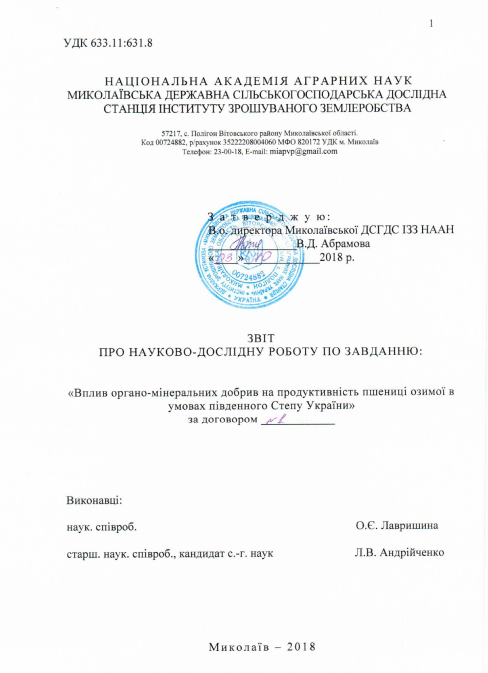
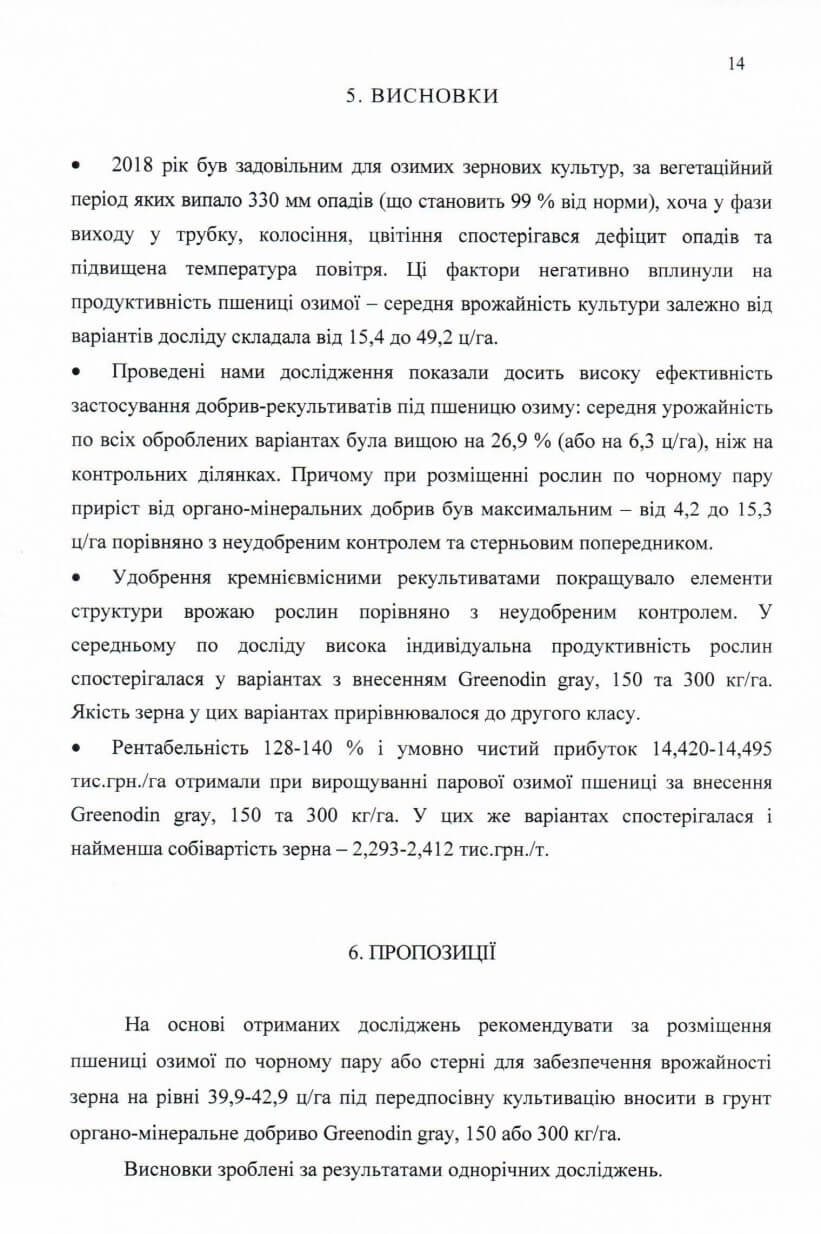
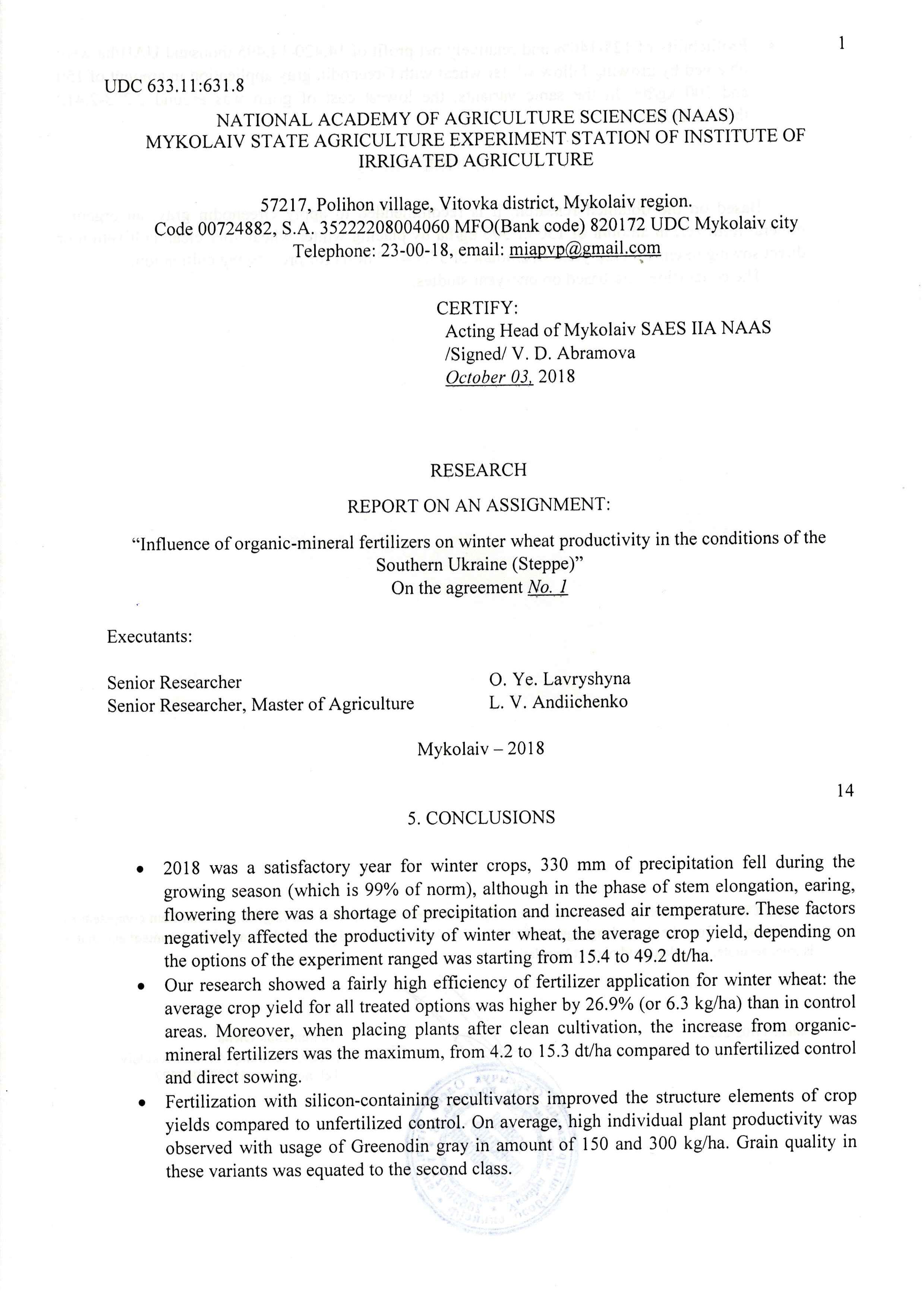
Complex organomineral fertilizers for chickpea under the brand GREENODIN deserve special attention. These fertilizers have patents and Organic Standard certificate, which confirms their high quality. They have been developed taking into account ecological requirements of the world market and comply with the European Union standards No. 834/2007 and No. 889/2008.


Protective bacteria Bacillus Subtilis

Thermal protection of plants
Biochemical plant protection
Root formation
Growth acceleration
Saturated bright color

Drought tolerance