Fertilizers for grapes
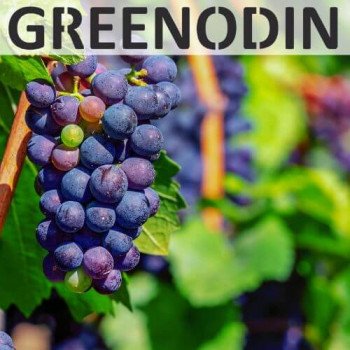
GREENODIN GRAY enhances plant adaptation to abiotic and biotic stress factors, reduces soil toxicity, and suppresses the development of phytopathogenic microorganisms. It has moderate water-holding capacity.
The main dosage of fertilizer for grapes depends on the specific variety, but in our case, GREENODIN GRAY is applied at a rate of 25 grams per square meter or 250 kilograms per hectare. The cumulative effect of GREENODIN GRAY allows reducing the initial application rate of 25g/sq.m (250 kg/ha) by 20% each season, down to 8g/sq.m (80 kg/ha) after the 5th season of product application.
By fertilizing grapes with the complex preparation GREENODIN GRAY, you will definitely achieve:
- Improved soil fertility with enhanced agronomic and biological indicators;
- Reduction of soil toxicity and suppression of the development of phytopathogenic microorganisms;
- Enhanced vitality of plants and increased disease resistance;
- Stimulation of plant growth and development;
- Water savings in irrigation of up to 30%;
- 20% reduction in the application rate per season;
- Reduced use of agrochemicals, even complete elimination of their use;
- Transition to organic farming practices;
- Increased market value of organically grown produce.
Grape cultivation
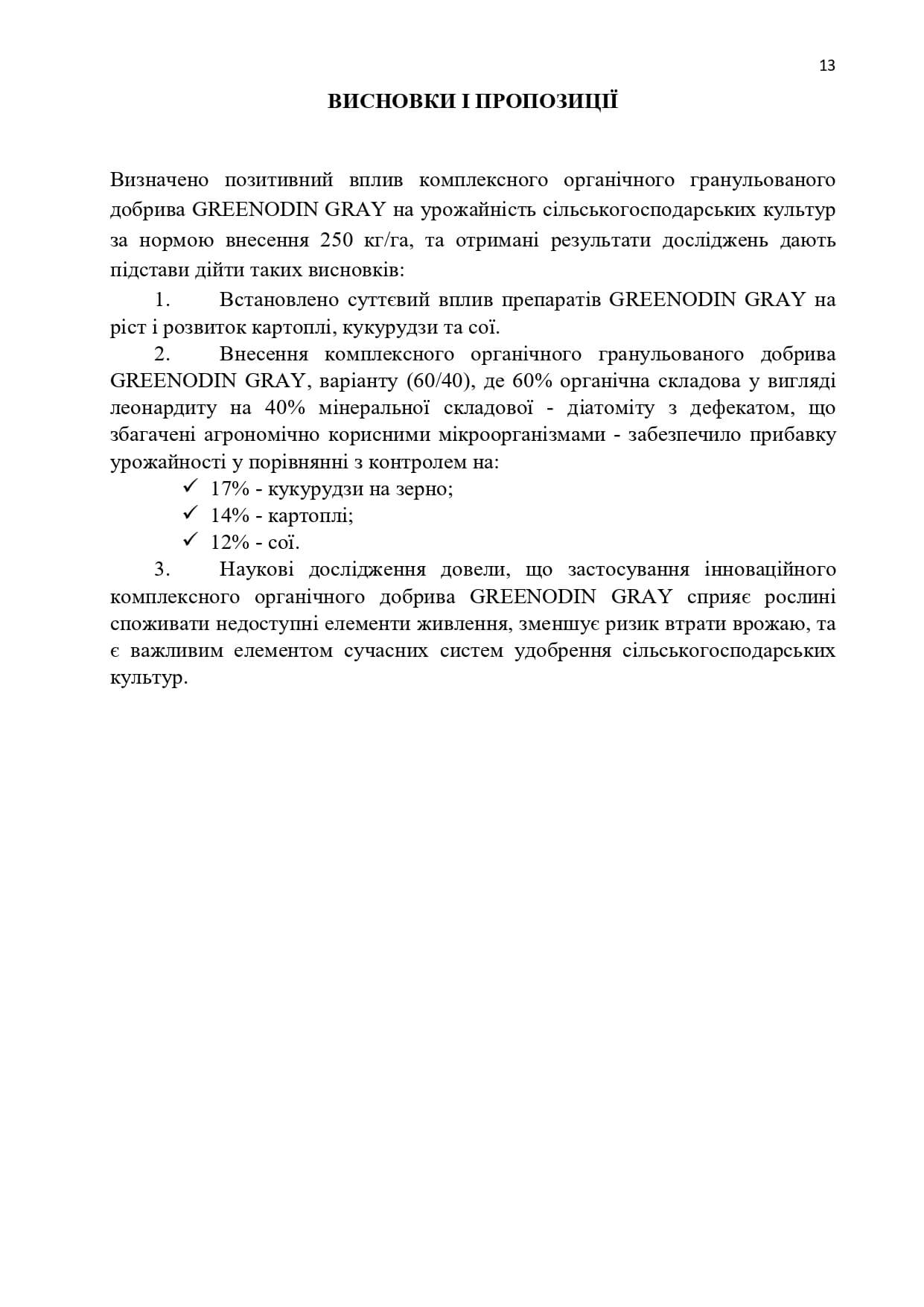
Grape cultivation is an exciting process that involves planting, care, and harvesting of grape clusters. Grapes are a widely grown and important fruit crop used for fresh consumption (table grapes), as well as dried fruits (raisins) and for the production of fresh, pasteurized juices, and various wines. Grape leaves are also used in culinary applications. The action of GREENODIN GRAY significantly improves the qualitative and quantitative characteristics of grapes and even grape leaves.
Grape planting
When should grapes be planted? It depends on several factors, primarily the availability of planting material and weather conditions. Other nuances can be addressed with the use of GREENODIN GRAY.
Choosing a grape variety
You should determine the purpose for which you want to grow grapes. If it is for fresh consumption or processing, then choose table grape varieties. If you want to produce wine, then wine grape varieties will be helpful.
When choosing a specific grape variety, pay attention to the following:
- Suitability of the grape variety to your climatic conditions, as some varieties thrive better in warm climates, while others are more suitable for cold regions.
- Resistance of the grape variety to diseases and pests, as certain grape varieties are more resistant, which can reduce your expenses and efforts.
- Level of care required for the grape variety, as some varieties demand more intensive care and attention, while others are more resilient and easier to grow. If you have limited time or experience in viticulture, it is recommended to choose varieties that do not require complex care.
Germination of grape cuttings
Propagation of grapevine cuttings is the primary vegetative method used to reproduce this plant, and the process may vary depending on the grape variety and regional conditions. The success of rooting cuttings is ensured by selecting appropriate cutting varieties and maintaining optimal conditions, including the use of GREENODIN GRAY.
The best time for propagation is in autumn, before the onset of early frost to prevent damage to the buds. Alternatively, it can be done in spring after the grapevine has sprouted and been pruned (which makes it more convenient).
Prepare the soil in advance using garden soil mixed with GREENODIN or any other soil enriched with GREENODIN GRAY, at a ratio of 50/50 with sandy loam or even street sand. Use 25 grams of GREENODIN GRAY per 1 liter of substrate.
Choose a healthy, intact, mature cutting measuring approximately 20 cm in length and with a diameter of 6 to 12 mm, and cut it from the vine. It is best to take cuttings from one-year-old shoots of two-year-old vines. Select the lower or middle part of the grapevine for taking the cuttings. Avoid using spurs or shoots for rooting. Cut the cuttings, leaving 2 or 3 buds on each and removing the lower leaves.
Insert the cut end of the cutting into the soil to a depth of 10 cm, water lightly, and gently firm the soil around it. Provide moderate watering to keep the soil slightly moist but not overly wet. By using GREENODIN GRAY, the risk of overwatering or drought is reduced as it helps retain moisture, along with providing macro- and micronutrients that promote gentle and successful rooting and development of grapevine cuttings.
It is preferable to choose containers with cuttings (during winter) or an open outdoor area for growing the cuttings in a well-lit part of the plot, avoiding direct sunlight and extreme conditions. With proper placement and following these recommendations, the cuttings will root, and once new roots have emerged, they can be transplanted into pots or planted in a permanent location previously treated with GREENODIN GRAY (25 grams per vine).
Fall Grape Planting
Fall planting of grapes allows them to establish roots, strengthen, and adapt before the onset of winter. This is particularly important in cold climates where winter frosts can be severe. The same applies to planting in milder climate zones but for heat-loving varieties. GREENODIN GRAY, when applied during planting at the recommended rate of 25 grams per vine, serves as an excellent means of preventing environmental stress factors. The plant gains resilience to stress factors through the mobile silicon and polymeric silicic acids present in the fertilizer. In any case, when planted in the fall, grapevines usually have enough time to develop their root system and prepare for vigorous growth in the spring.
Spring Grape Planting
Spring planting of grapes is better suited for warmer climates. This is because spring offers more favorable conditions for the onset of active plant growth. The most common and effective method of spring grape planting is using grapevine cuttings. This is indeed the simplest way to plant grapes, especially when using GREENODIN GRAY.
Regardless of the season, planting grapes should take into account various factors while not forgetting the beneficial impact of the comprehensive organic fertilizer GREENODIN GRAY.
Choosing the Right Location for Grapes
Selecting an appropriate location for grapes is crucial for successful cultivation, as grapes thrive in sunny conditions. Therefore, it is important to choose a spot with ample sunlight exposure. Only certain varieties may require some partial shade, indicating their preference for warmth and the need for sufficient heat for the ripening of their juicy berries. It is advisable to choose a location that is protected from strong winds, cold drafts, or low temperatures. Protection can be provided by barriers such as shrubs, trees, artificial structures, hedges, fences, or buildings.
Soil for Grapes
What type of soil does grapevines prefer? Grapes thrive in fertile soil with a good drainage system, typically composed of sandy or loamy soil with some clay and a touch of black soil to ensure good aeration and moisture retention.
Soil acidity is an important consideration for grapevines, as they prefer a pH range of 6.5-7.5. Although there is a wide range of grape varieties developed to tolerate acidity levels from pH 4.5 to pH 8.5.
While grapevines can grow in various soil types, it is essential to provide optimal conditions for their growth and development, including the right soil composition and pH level. It is recommended to conduct a soil analysis on your plot to accurately determine its composition and pH level and then enrich it with amendments to adjust the pH level, such as applying GREENODIN GRAY at a rate of 25 grams per square meter or under each grapevine during planting.
Grape planting scheme
To ensure the active and successful growth of grapevines, it is important to plant them while considering the requirements mentioned above and following the following recommendations for spacing:
- Leave a distance of 1.5-2 meters between rows to provide sufficient space for the growth and development of the vine, as well as to facilitate care and harvest.
- Maintain a distance of 1-1.5 meters between plants in a row to give each plant space for root system and vine growth.
- The width of the bed can be determined based on your preference, but typically it is around 1.5-2 meters to allow comfortable access for plant maintenance.
- The orientation of the rows should consider the trellis system if it is being used for grape cultivation. In any case, the rows should be oriented from north to south to ensure even lighting and ventilation for the vines.
Before actually planting the cuttings or saplings, it is recommended to mark the bed where the plants will be placed. Marking will help ensure an even distribution of plants and prepare the soil for planting.
Registration of fertilizers
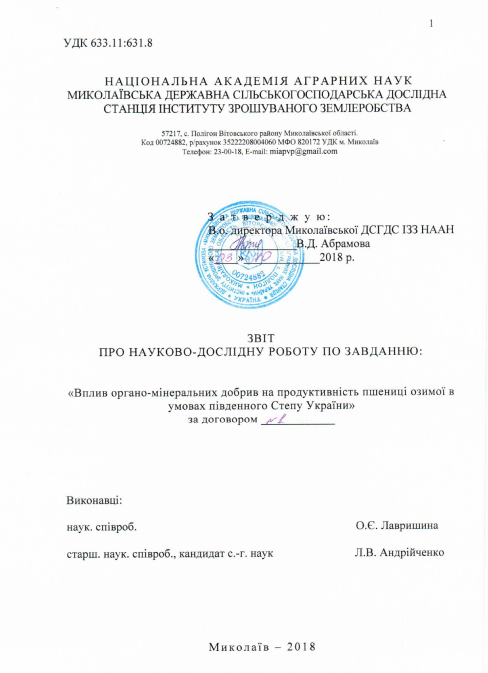
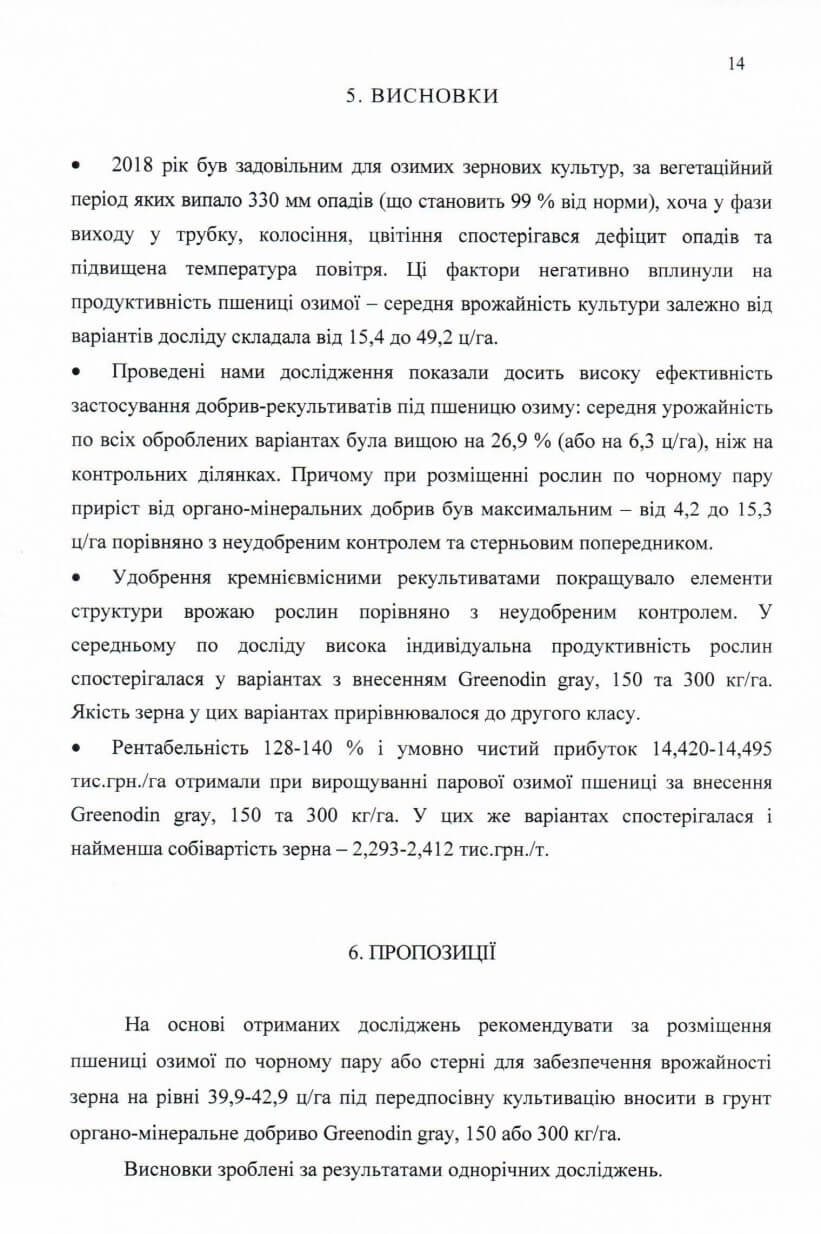
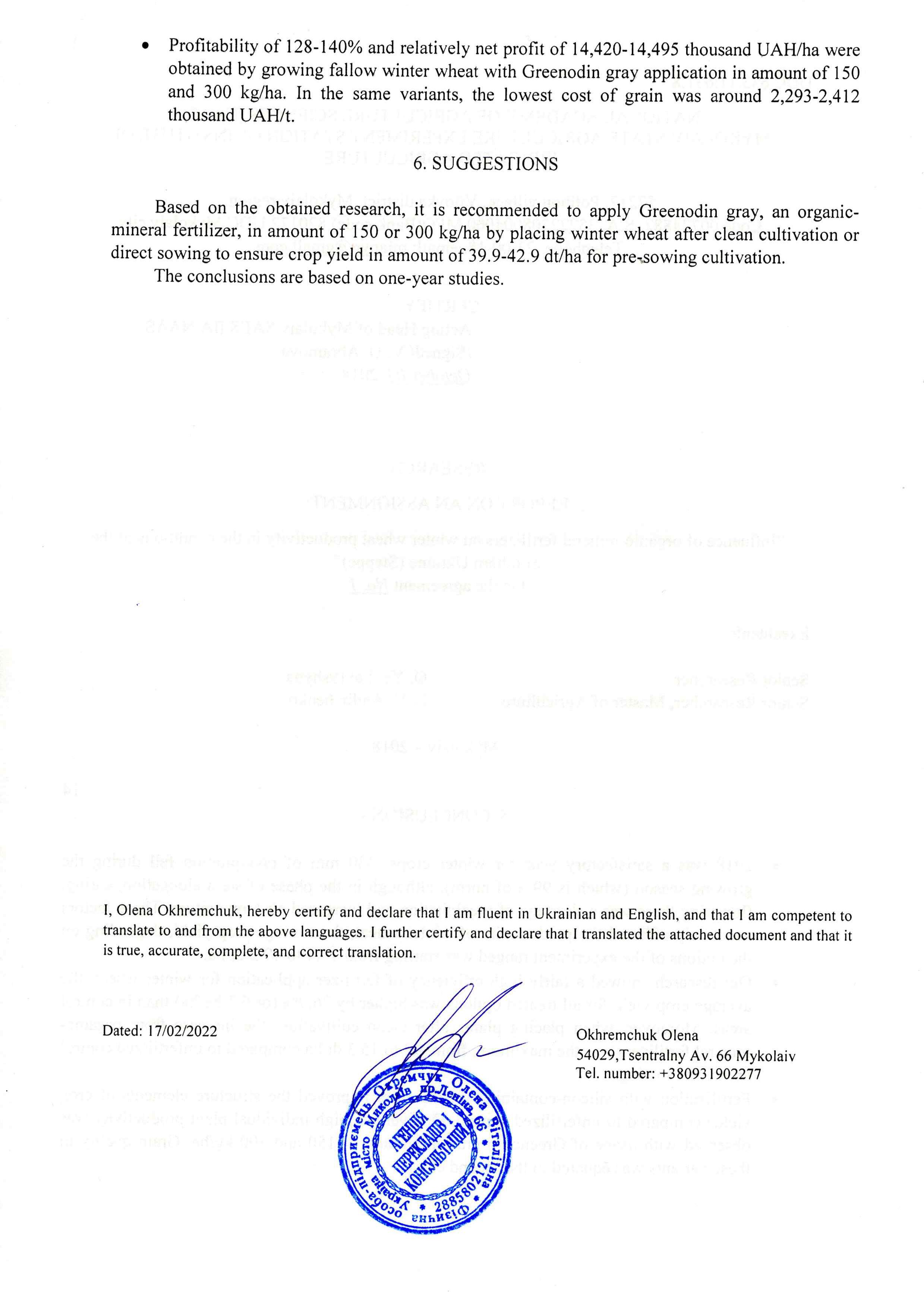
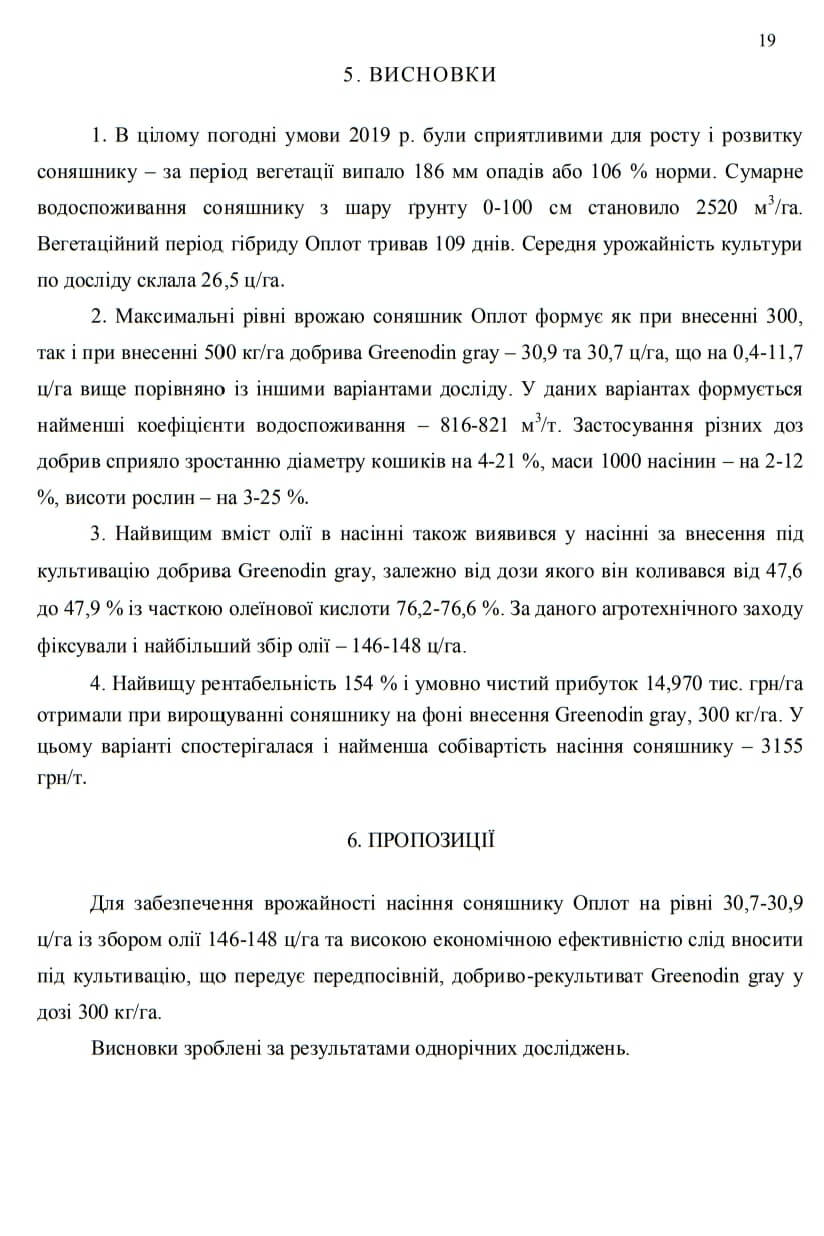
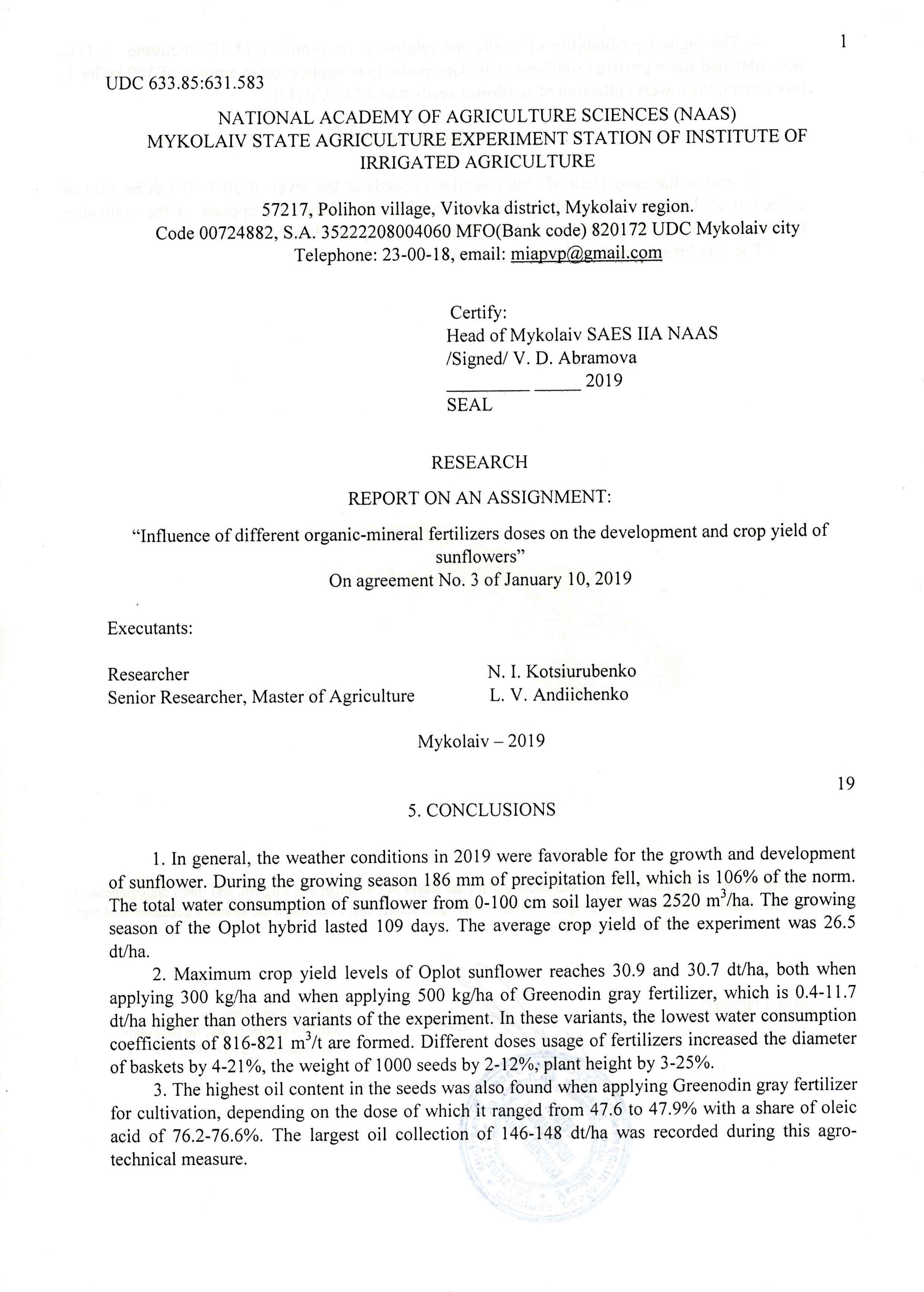
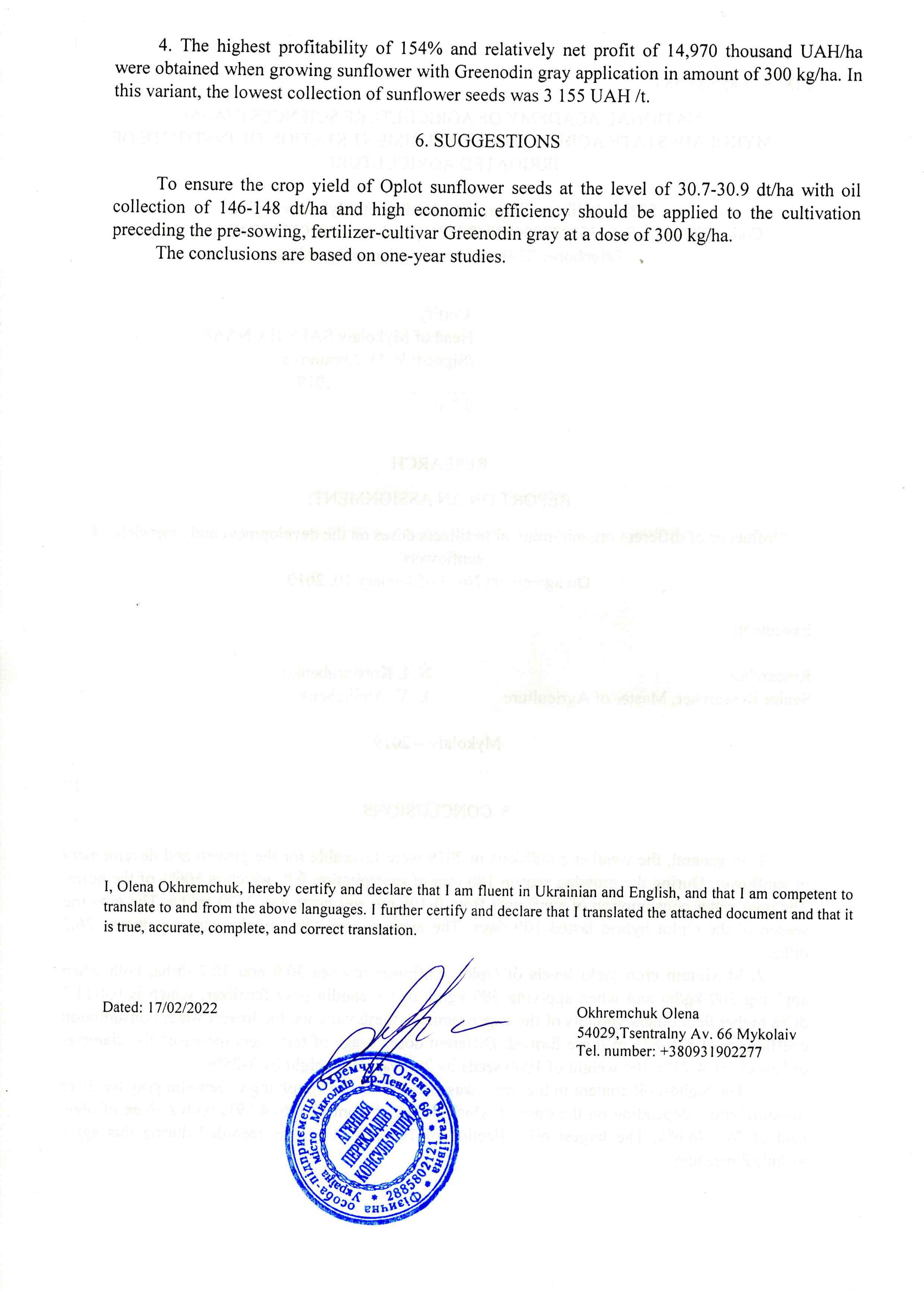
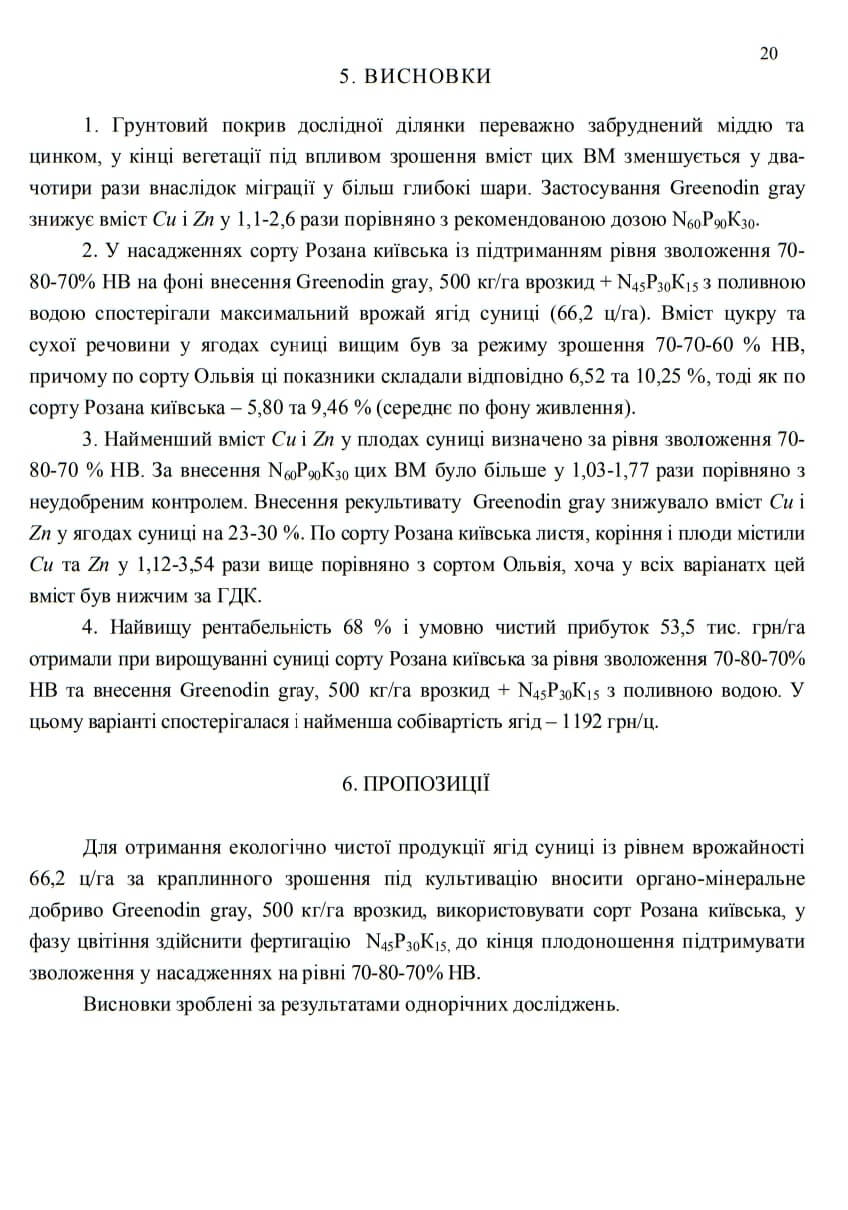
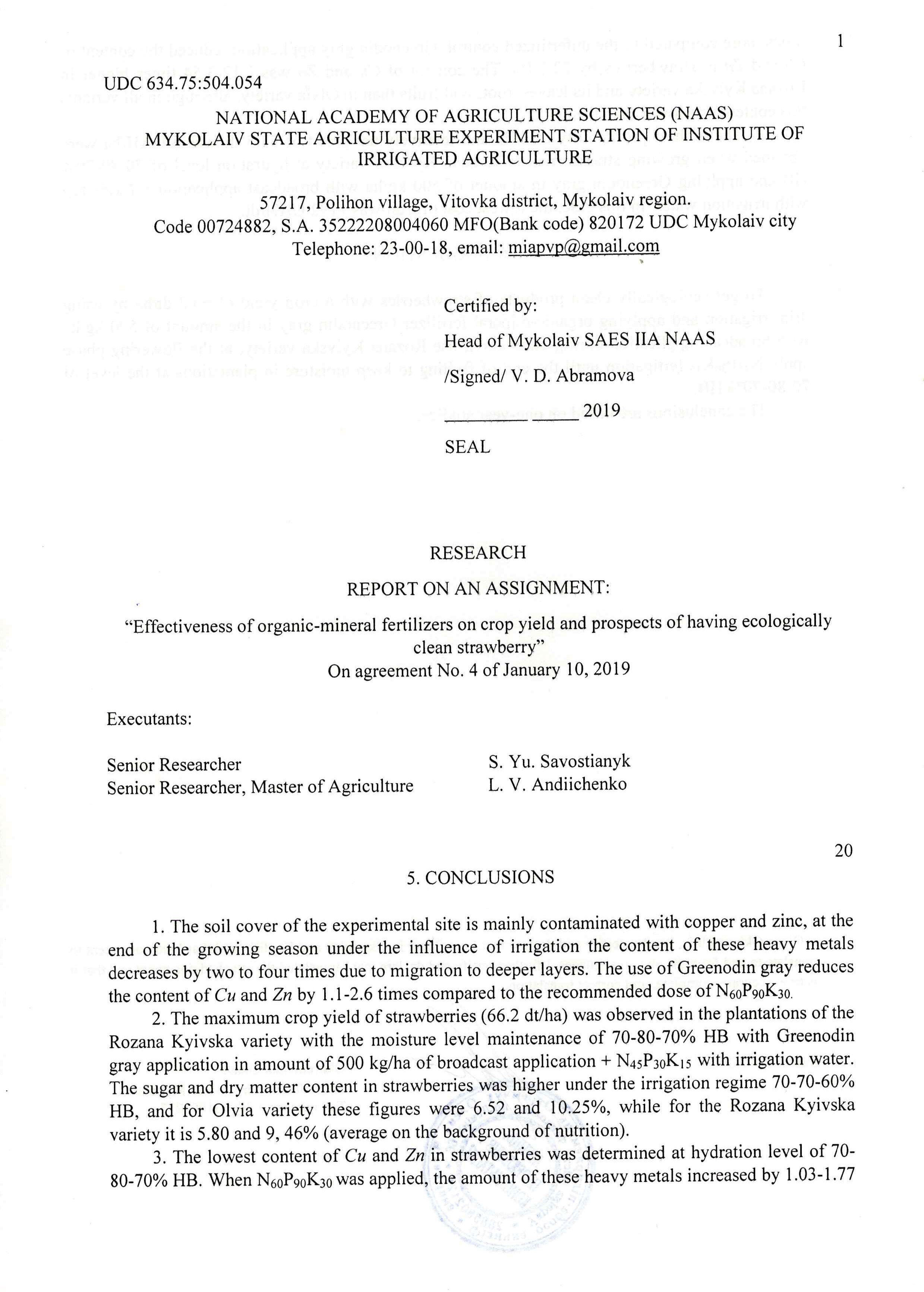
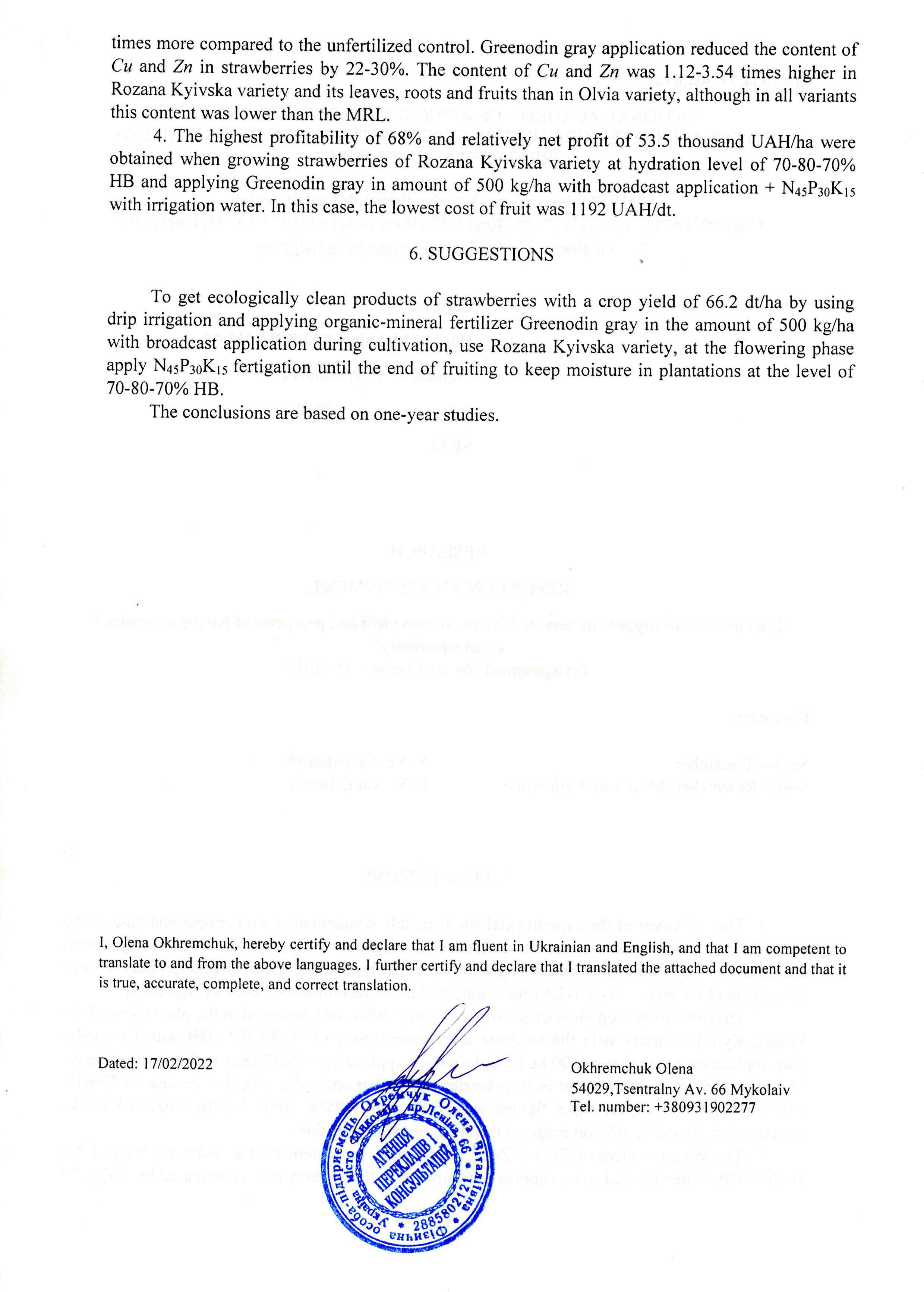
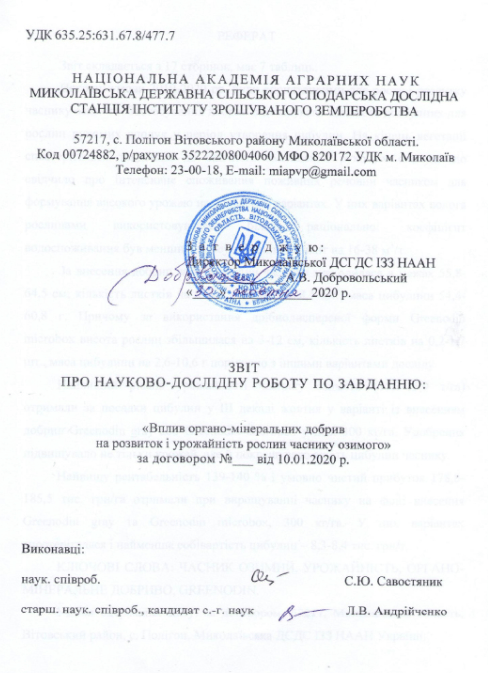
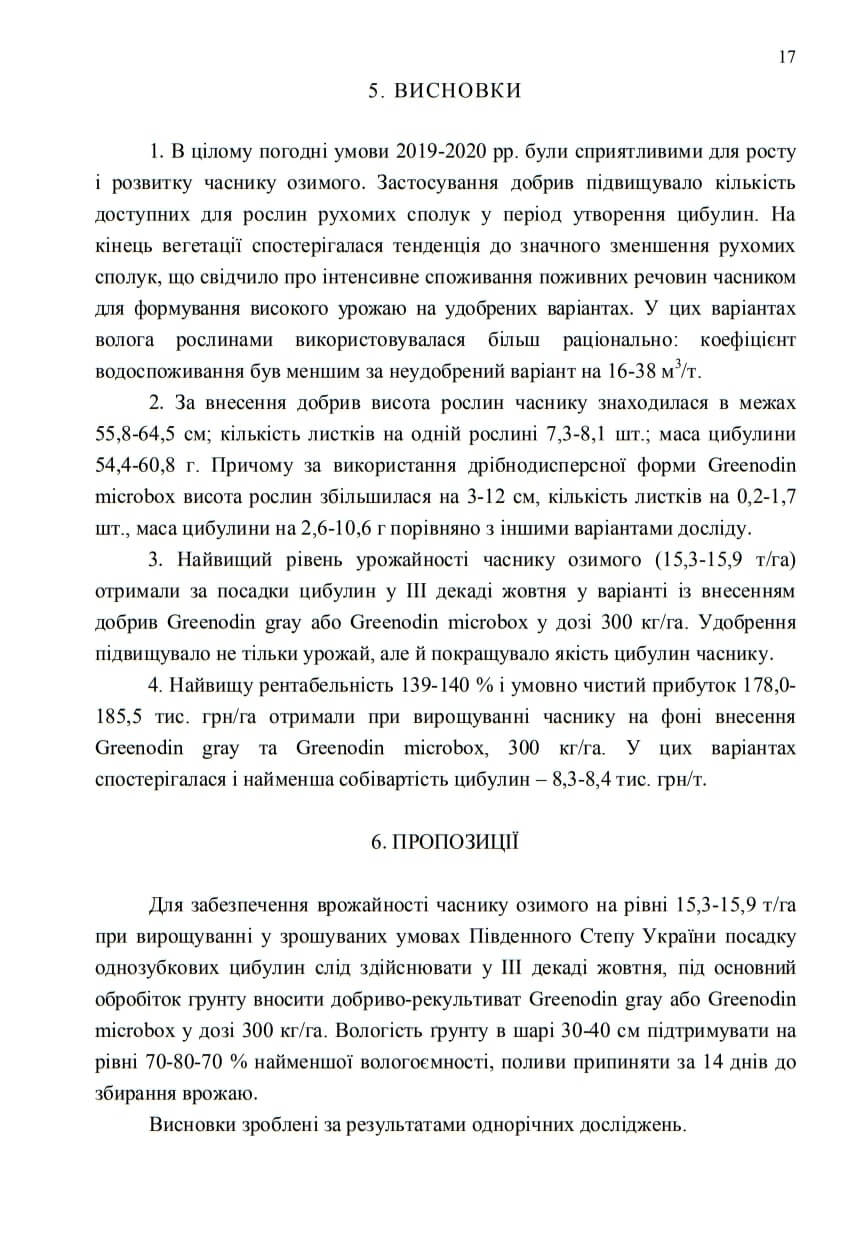
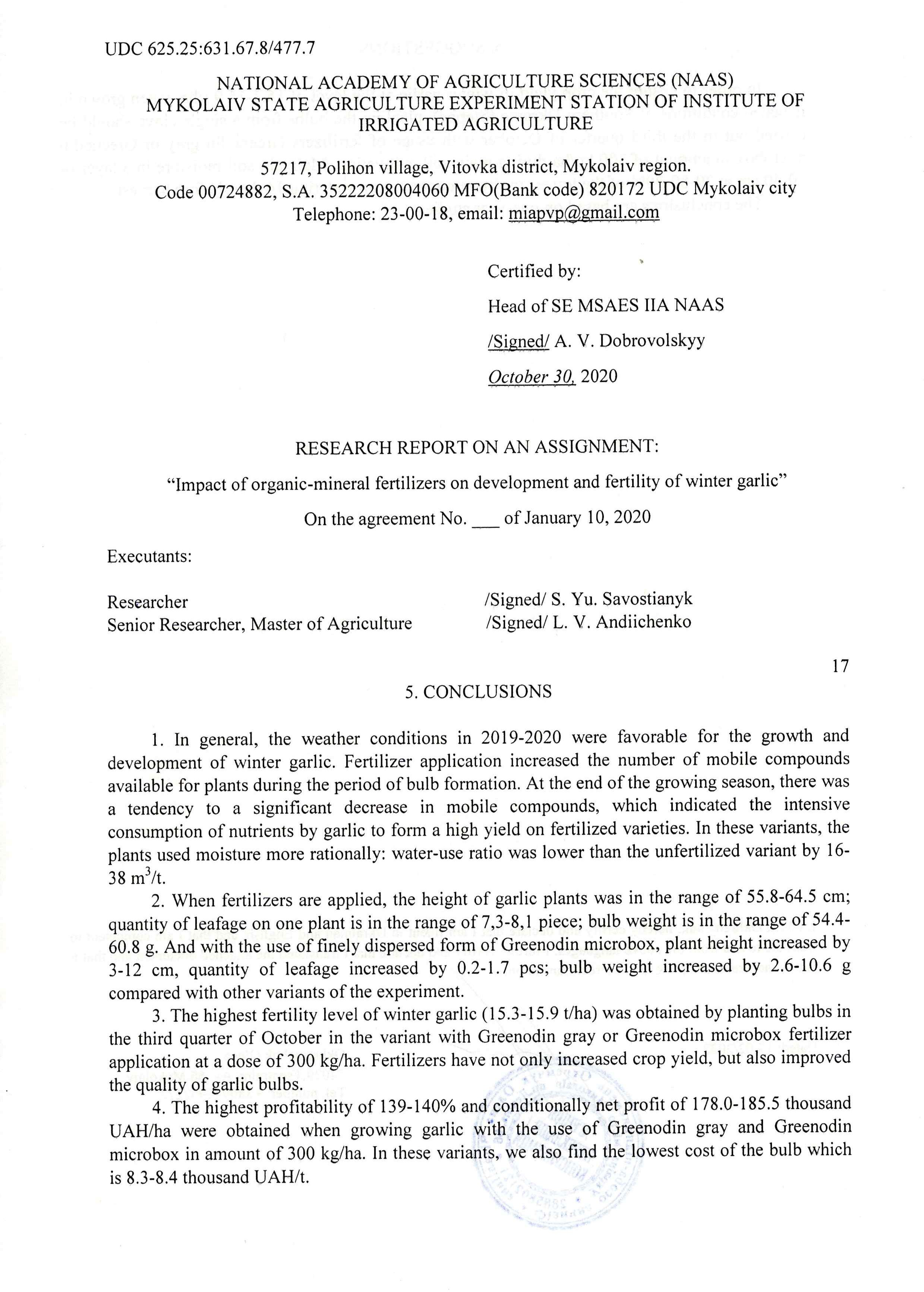
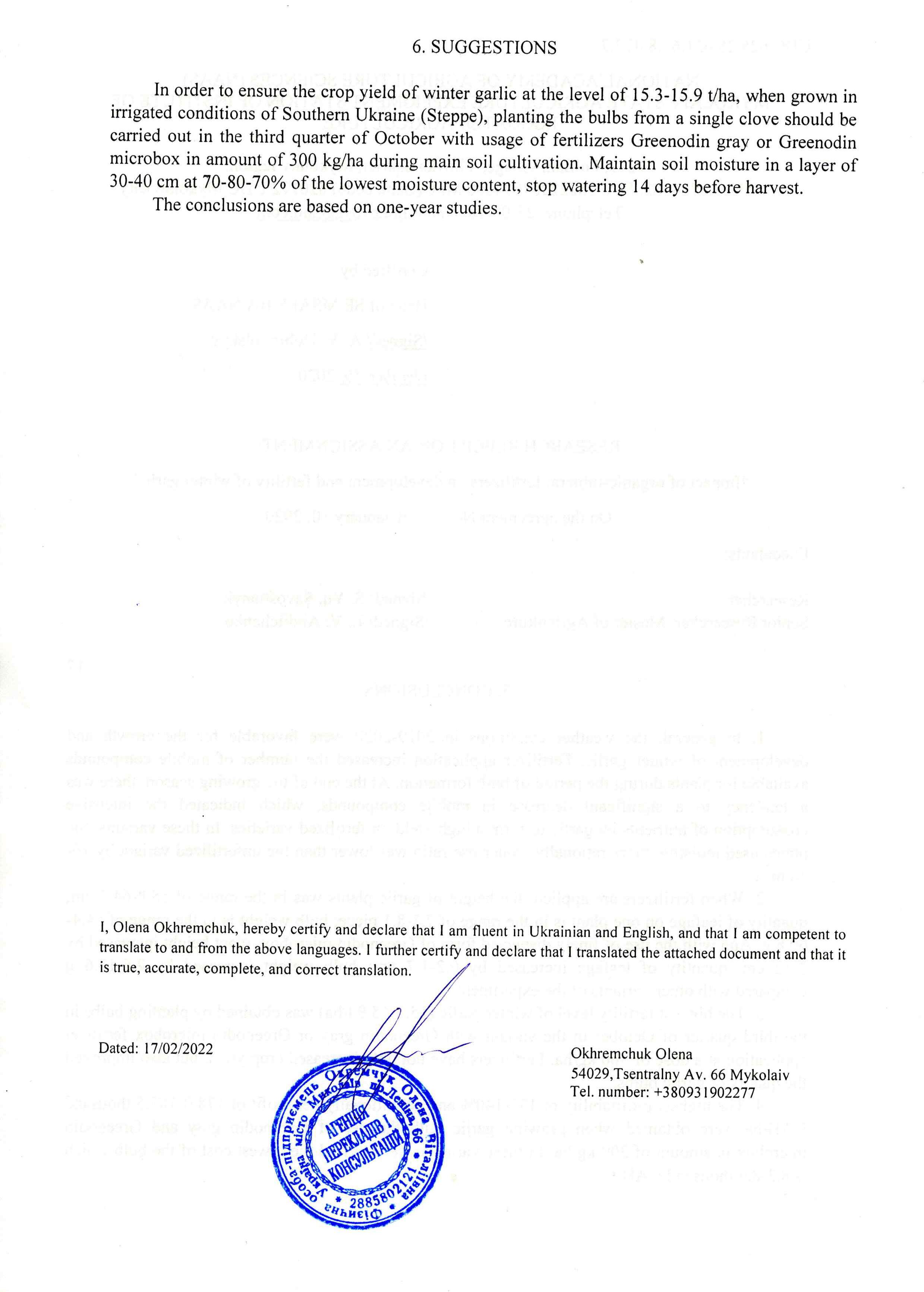
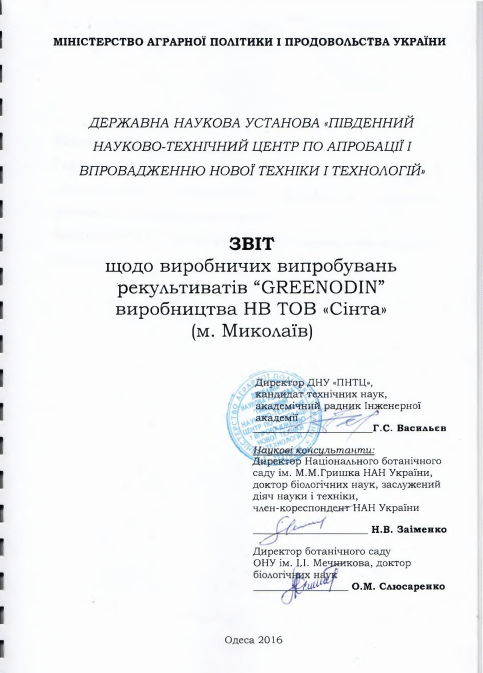
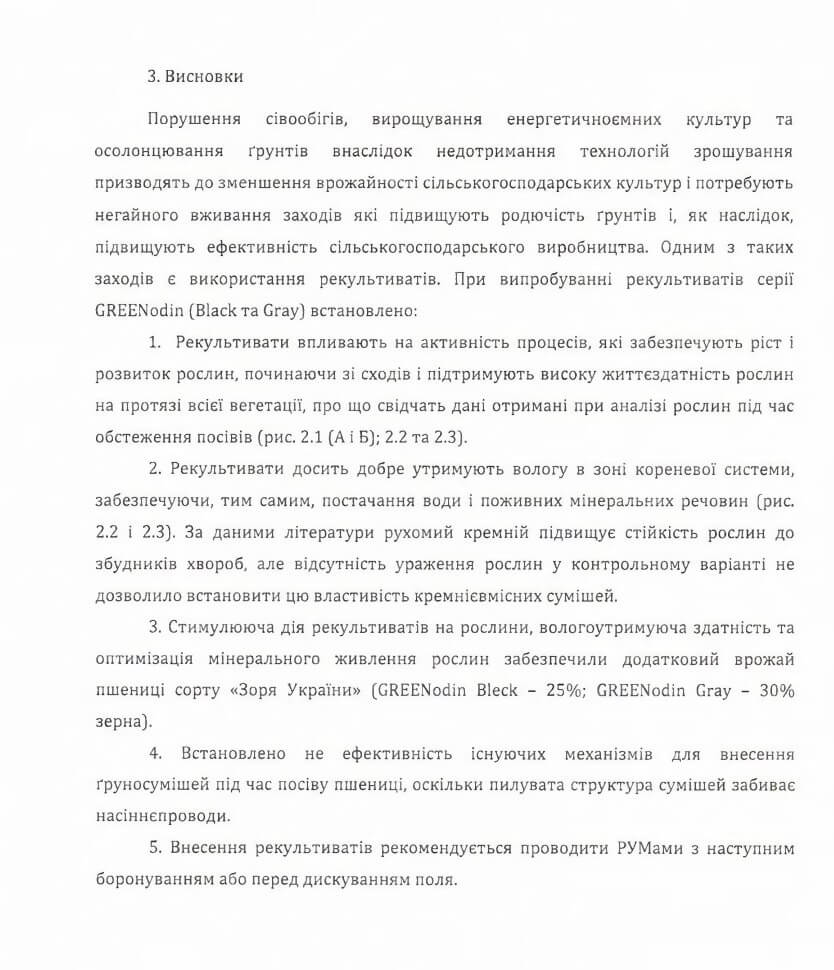
GREENODIN GRAY is created by leading Ukrainian scientists and certified in accordance with the Standard for the production of auxiliary substances that can be used in organic agriculture and processing, and comply with EU regulations No834/2007 and No889/2008, Certificate No 22-0504-03-01 dated April 27, 2022.
You can buy the complex granulated organic fertilizer for grapes, GREENODIN GRAY, on this website by visiting the section
The best fertilizer for grapes of all time is a complex organic fertilizer with microorganisms, suitable for all types of soils - GREENODIN GRAY. This fertilizer consists of a natural mineral in the form of diatomite and an organic component - leonardite, enriched with natural polysilicic acids and agronomically beneficial microorganisms. The action of GREENODIN GRAY is aimed at restoring and improving soil fertility, resulting in increased yield volume and quality.
Thus, GREENODIN GRAY is a comprehensive fertilizer for grapes that should be applied in spring, and it is equally important to use GREENODIN GRAY for grape fertilization in autumn.
Unique properties of the GREENODIN organic grape fertilizer


Protective bacteria Bacillus Subtilis

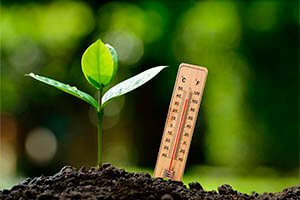
Thermal protection of plants
Biochemical plant protection
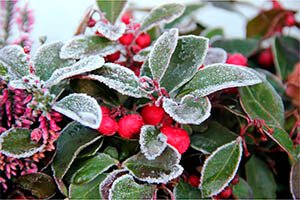
Root formation
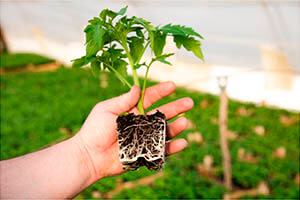
Growth acceleration
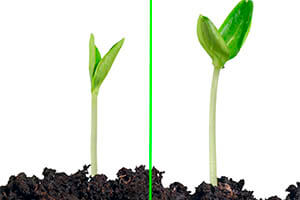
Saturated bright color
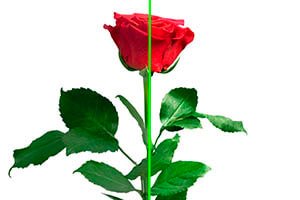
Drought tolerance
Why do customers think GREENODIN is the best fertilizer for grapes
Based on our customer feedback we made a list of the reasons why our customers found GREENODIN the best grapes fertilizer.