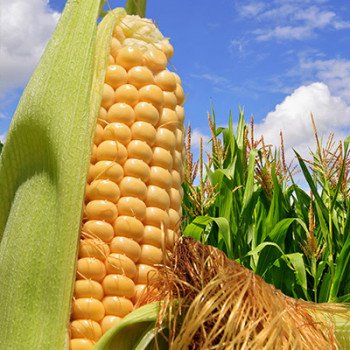
Fertilizer for corn
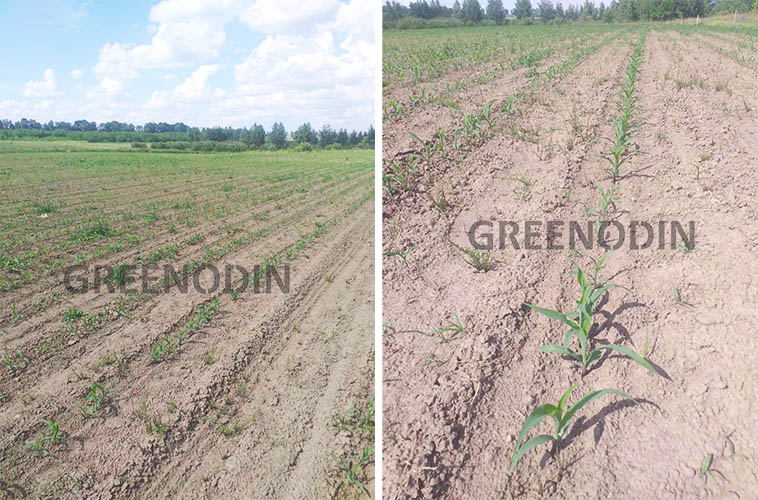
To ensure effective growth and development of corn, it is necessary to adjust its cultivation according to the climatic conditions and using the full potential of the soil, enhancing it with fertilizers and irrigation.
Growing organic corn for grain
Fertilizing for corn, what kind of fertilizer to use for planting corn, complex fertilizer for corn for grain, and many other keywords cannot provide a straightforward answer to the key question: How to properly grow organic corn for grain?
The answer is complex, just like the innovative solutions of the brand GREENODIN, and will consist of several mandatory sections, including:
- Soil requirements;
- Soil preparation for corn;
- Fertilization for corn;
- Corn planting;
- Caring for corn crops;
- Corn top-dressing;
- Corn irrigation;
- Corn pests and diseases;
- Corn harvesting;
- Post-harvest soil processing;
- Corn crop storage.
Let's get started...
Planting corn in open ground. Soil requirements
Good soils for growing corn are deep chernozems, dark gray loams, soils of river floodplains with well-drained soil, where corn easily develops many nodular roots. Loose, well-drained and permeable soil is best for this purpose.
To support the growth of corn, it needs oxygen, carbon, hydrogen, nitrogen, phosphorus, potassium, calcium, sulfur, iron, magnesium, and trace elements such as manganese, boron, chlorine, iodine, zinc, copper, and others. The largest amount of nutrients is required by corn during the formation of cobs and grain filling.
- If your soil is alkaline >7.5pH, it is recommended to use GREENODIN BROWN at a rate of 250 kg/ha or 25 g/sq.m.
- If your soil is more acidic: <5.5pH, then buy organic fertilizer GREENODIN RED and add at a rate of 250 kg / ha or 25 g / sq.m.
And if the soil pH can be corrected by organic fertilizer TM GREENODIN, you should think hard before you sow organic corn on soils with rhizomatous and creeping-root weeds, including:
- sow thistle
- rhaponticum repens
- couch grass, etc
Remember that the organic way of growing makes it impossible to use herbicides, and manual labor is not always justified.
Soil cultivation for corn
Basic tillage. The root system of corn develops gradually in all directions, with 70% of it concentrated in the 30-centimeter soil layer. As a result, this crop is highly responsive to plowing depth.
The primary goal of basic tillage is to create conditions for maximum accumulation and retention of moisture in the soil without weakening the fight against weeds.
The main tillage of corn after crops of continuous sowing usually consists of two methods: stubble plowing and autumn plowing.
In areas with a long frost-free period, the most effective weed suppression results from double stubble cultivation, with the second pass reaching a depth of 10-12 centimeters, following a 3-4 week interval. This approach destroys over 70% of weeds and reduces the number of weed seeds in the soil by 50%.
On fields infested with rhizomatous weeds, including quackgrass and horsetail, cross-harrowing is performed at a depth of 10-14 centimeters. In the case of perennial weeds that propagate through root offshoots, such as thistles and field bindweed, a repeated stubble cultivation is conducted after 2-3 weeks. In the system of soil-protective no-tillage after harvesting, loosening with a harrow, and then double husking with a flatlander cultivator to a depth of 8-10 cm and 12-14 cm - repeatedly.
Presowing tillage. Presowing tillage in corn cultivation is carried out without a gap in time, behind cultivation with disc harrows, than to lose soil moisture. Two different depths of cultivation combined with harrowing are necessary for corn, and in dry, windy weather - and rolling. The depth of cultivation, especially the first one, depends on soil type and weather conditions. In most areas with insufficient moisture the first cultivation should be carried out at greater depth, and the second one at a shallower depth of the seed embedment.
Fertilizing corn
Nutrient uptake by corn from the soil occurs throughout the growing season. Nitrogen and potassium uptake ends earlier, and phosphorus enters the plants almost to maturity.
Fertilizer is applied in the fall or spring, under plowing or cultivation (basic fertilizer), at the time of sowing, and the period of growth on the top dressing.
Technology of corn growing with GREENODIN provides:
- integrated problem solving and, as a consequence, simplification of growth;
- long-term actions, staying in the soil and creating an ecosystem, with living organic fertilizers and especially mineral, decaying soils;
- comprehensive and cumulative effect - allows each year to reduce the rate of application of GREENODIN by 20% of the original. After 5 years the application rate will be only 20% of the initial application rate (80 kg);
- restoration of soil fertility and its increase with readily available mineral nutrition and natural humus formation;
- increases protection against known diseases of corn;
- strengthening plants and creating an energetic root system;
- allows you to reduce water for irrigation by up to 30%;
- living bacteria in fertilizers:
- inhibit the development of pathogenic flora;
- reproduce macronutrients: Nitrogen, Phosphorus, Potassium, Calcium, Magnesium and trace elements: boron, zinc, manganese, molybdenum and others, giving sufficient natural nutrition in an easily digestible form for corn:
Nitrogen (N), which stimulates growth and development of corn. Corn by 50-85% satisfies its need for nitrogen after its fixation from the atmosphere, and just for this purpose the content of nitrogen-fixing bacteria in GREENODIN will be enough;
Phosphorus (P), which stimulates the development of the corn root system and most of its generative organs, which is the basis for the harvest. The phosphorus-producing bacteria included in GREENODIN do an excellent job;
Potassium (K), which affects moisture retention in the soil and creates a mutually reinforcing effect with silicon in amorphous form. Corn absorbs 25% of potassium immediately during its developmental stage before flowering, and the remaining 75% during the formation phase. Potassium combined with silicon actively influences yields, increases protein content, promotes nitrogen fixation, and strengthens resistance to disease and stress factors. And all this is enhanced by the beneficial effects of potassium-producing bacteria from GREENODIN;
Calcium (Ca), which improves soil structure, assimilation of other elements and development of corn root system, is included in GREENODIN. Calcium participates in hormonal reactions, and together with silicon - in formation of corn plant cell walls. It is necessary during the whole vegetation period, especially during flowering, setting and forming;
Magnesium (Mg), affects yields, chlorophyll content and disease resistance in corn, as well as contributing to enzyme processes, fat and essential oil accumulation;
Boron (B), stimulates the growth points of young corn plants, including through nitrogen inputs. Also stimulates the process of flowering, setting and ripening;
Zinc (Zn), activates a number of enzymes, is involved in nitrogen metabolism of plants and protein formation;
Manganese (Mn), which activates enzymes, chlorophyll synthesis and photosynthesis, in general;
Molybdenum (Mo), promotes root growth by activating nodule bacteria and accelerating the growing season. It is localized in young plant organs and, at the end of the growing season, increases yield and protein content.
GREENODIN fertilizer application depends on the type, from slightly acidic to slightly alkaline, and soil parameters, including plowing content, as well as the type of corn itself. The average application rate reaches 150 kg/ha, with a maximum of 250 kg/ha and a minimum of 80 kg/ha. The preparation has a cumulative effect, so repeated application is recommended to reduce by 20%, to a minimum of 80 kg/ha.
Nevertheless, you should take a closer look at all the conditions for successful organic corn growing.
Sowing corn
The place of corn in the crop rotation. High yields are ensured when corn is sown after winter and spring cereals, legumes, sugar beets, buckwheat, root crops, lupine and perennial grasses.
Density. In mechanized maize cultivation it is important to ensure optimal plant density by appropriate adjustment of seeders for a given seeding. In quantitative terms it is 15-22 pieces of seed per three running meters, in weight terms, depending on the weight of 1000 seeds, 20-30 kg. Taking into account the field germination rate is usually increased by 10%. With such an increase in a given seeding rate the reduction of field germination, partial damage of seeds and young seedlings by gnawing pests and diseases, as well as during harrowing of seedlings is well compensated and the optimal or close to it plant density is provided.
The timing of sowing and the depth of seeding. Corn should be sown when the soil at the seed embedment depth warms up to at least +10°C, and finish sowing in a short time. If fast rise of temperatures is expected, then sowing of corn can be started a little earlier. In this case, it should be borne in mind that when sowing corn both at very early and late dates, the yield is reduced.
In areas that are weed-free and little infested by pests, corn should be sown at the beginning of the optimum sowing date, and in weedy areas, at the end of that date after additional weed control measures have been taken.
The question of corn seeds embedding depth should be decided for each plot separately and keep in mind that deep embedding of seeds on heavy in texture and insufficiently warmed soils negatively affects the appearance of seedlings. On the other hand, too shallow embedding of seeds should not be allowed, as in this case they get into the top dried soil layer and germinate poorly. In each individual case, the depth of sowing seeds is set depending on the sowing period, soil moisture, its mechanical composition and weather conditions of spring, especially temperature conditions.
Full-fledged, friendly sprouts can be obtained by sowing seeds at a depth where they will be provided with sufficient moisture, air, and heat. In southern, arid and semi-arid areas, on chernozem soils optimal conditions for seed germination are usually created at a depth of 8-10 cm, and with significant drying of soil at the time of sowing at a depth of 10-12 cm depending on soil quality, its moisture and timing of sowing. The optimal depth of seed sowing is 6-8 cm, and in conditions of excessive moisture, at 5-6 cm. In western areas, seeds should be sown to a depth of 6-8 cm. On heavy, overwatered soils, it is reduced by 1 -2 cm, but in light, loamy sandy soils, increase the same amount.
Care of corn crops
Harrowing and cultivation of crops. Timely and correct maintenance of the maize crop is a decisive prerequisite for high yields. The timely harrowing of the corn crops not only destroys the shoots of annual weeds, but also loosens the soil crust well and greatly reduces costs for further care of the crops.
The first harrowing is done 5-6 days after sowing corn, when the weeds are still in the state of white thread-like sprouts and have not yet had time to come to the surface of the soil. You should not delay with the harrowing, because the weeds have time to get stronger and it is difficult to destroy them with harrows. If there is wet weather, which delays the emergence of corn sprouts, and weeds begin to germinate again, harrowing is repeated.
When corn shoots appear in the field, the crops are harrowed again to loosen the soil, increase air access to the young plants, and kill the emerging weeds. In order not to cover the young corn plants with soil and not to pull them out when harrowing, special attention should be paid to selecting the appropriate type of harrow (light, medium or heavy) depending on soil compaction.
When the corn plant has 4 leaves, the first inter-row cultivation should be carried out.
The second time cultivate the inter-row not immediately, but after 4-5 days to give the weeds a chance to germinate.
Fertilizing corn
Certified Organic-Standard preparations of BTU-Center Help-Growth, Organic-Balance and Azotofit-r are an excellent means of feeding corn with the necessary substances and trace elements.
Corn irrigation
Corn is better adapted to arid conditions than other cereal crops and requires almost half as much water as wheat and barley. During the first period of development, with intensive growth of the root system for further rapid development of the plant itself, corn gives a slight increase in the above-ground mass and within a month after the emergence of seedlings accumulates about 1.5-2% of the green mass of the total.
During flowering, corn, requires the greatest amount of moisture, due to the formation of male and female flowers is fertilized. Corn yield is determined by the moisture supply in the soil and the amount of rainfall or irrigation during this period. Maize responds very well to soil moisture, and if irrigation is provided, the yield increases dramatically.
Pests and diseases of corn
From the period of germination of sown seeds and throughout its growth, corn can be attacked by many species of pests.
The most dangerous of these are:
- larvae of click beetles,
- larvae of darkling beetles and pollen beetles,
- caterpillars of cutworms,
- larvae of Swedish fly and southern gray weevil,
- corn caterpillars.
Of the mammals, gophers and mice do a lot of damage.
Other insect species also cause considerable damage:
- meadow moth,
- corn beetle,
- cotton and cabbage moths,
- bread ground beetle,
- medvedka,
- aphids,
- bread fleas.
The system of measures to protect corn from pests and diseases includes organizational and economic, agrotechnical and biological control methods. Application in complex allows to reliably save the harvest from losses.
To protect corn from diseases and pests, proper preparation for sowing is of great importance.
One of the most important measures to control corn diseases and pests is seed treatment with Mycohelp and Fitochelp preparations. The same preparations should be used to treat plants by leaf during growth period, adding bioinsecticides Lepidocide, Bitoxybocilin and Aktoverm formula. Treatment with Enposam and Liposam biopreparations is effective.
Proper placement of corn in the crop rotation is very important in preventing diseases and pests. Changing crops limits contact with pathogens and pests. Conversely, the longer corn is cultivated in one place, the faster dust blight, stem rot, root rot, southern gray weevil, and corn moth populations increase.
For example, alternating corn and sunflower with spike crops is especially important to reduce the number of southern gray weevils.
When corn is sown at the optimal time, it is less affected by diseases and pests. Excessively early sowing leads to strong seed moldiness, increases infestation by root and stem rots, wireworms, and moths. Plants sown too late are more affected by vesicular and dust bunt, Swedish fly, winter moth, and immature cobs are more susceptible to nigrosporosis and cotton bollworm, as well as to mold in the field and during storage.
Sowing seeds to a normal depth (8 cm) reduces moldiness of corn seeds and seedlings. At deeper embedding, mold and wireworm damage increase. In conditions of insufficient moisture, rolling the soil after sowing improves germination conditions and reduces seed moldiness and root rot infestation.
В борьбе с озимой и другими подгрызающими совками большое значение имеет тщательная обработка парового поля и рыхление междурядий кукурузы в период яйцекладки и начала возрождения гусениц, при которых уничтожается большое количество яиц и сорняков, что служит гусеницам пищей.
Deep autumn plowing of areas infested with cocoons, early sowing, regular weed control, and inter-row tillage during the moth's cocooning period are essential to protect crops from the meadow moth.
Late harvesting of corn increases cob infestation by nitrosporosis, fusarium, mold fungi, losses from corn moths and cotton moths.
That's why the timeliness and shortening of harvesting times are also key indicators of crop success.
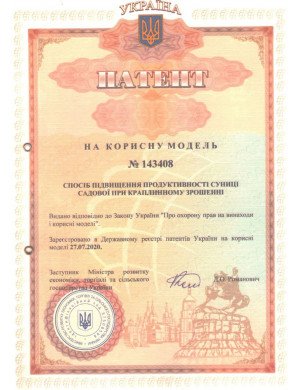
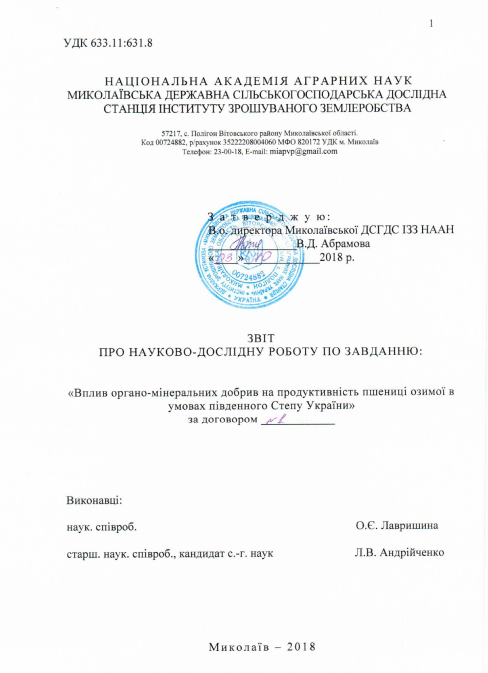
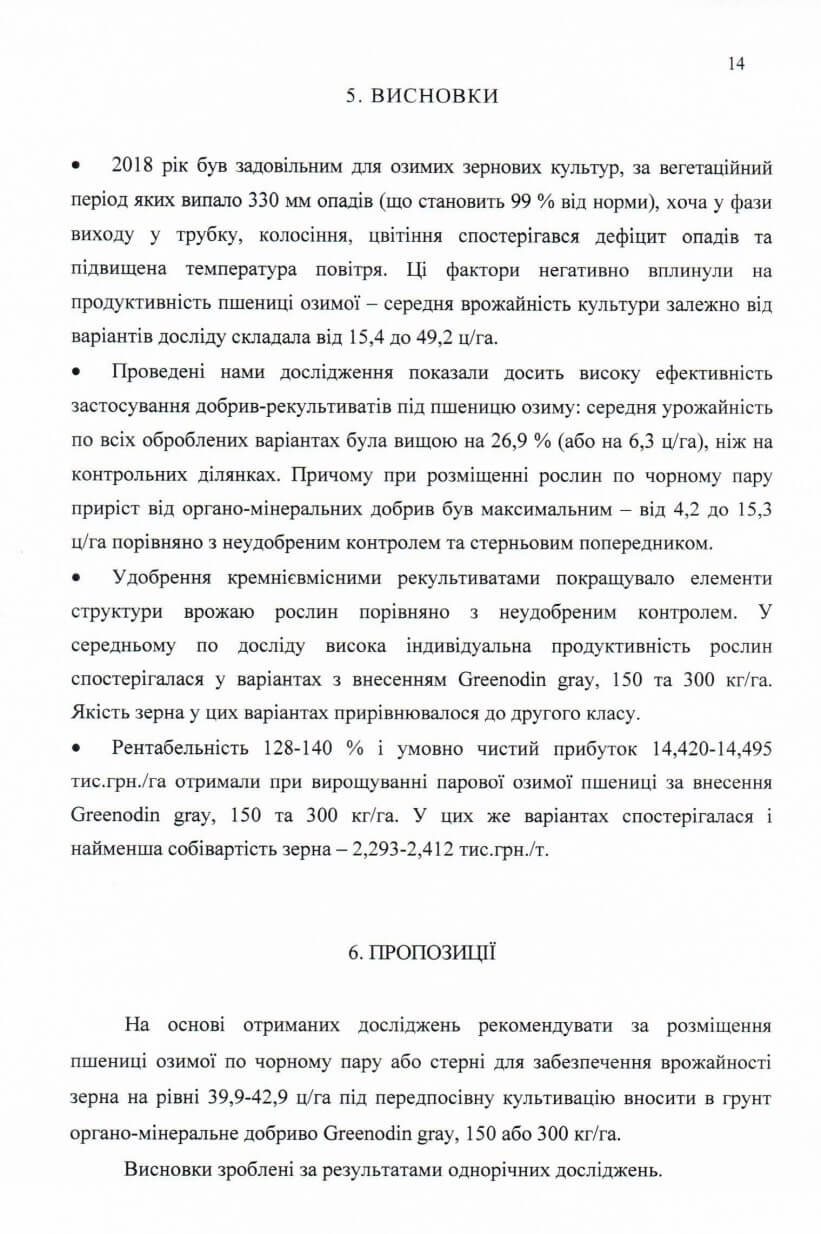
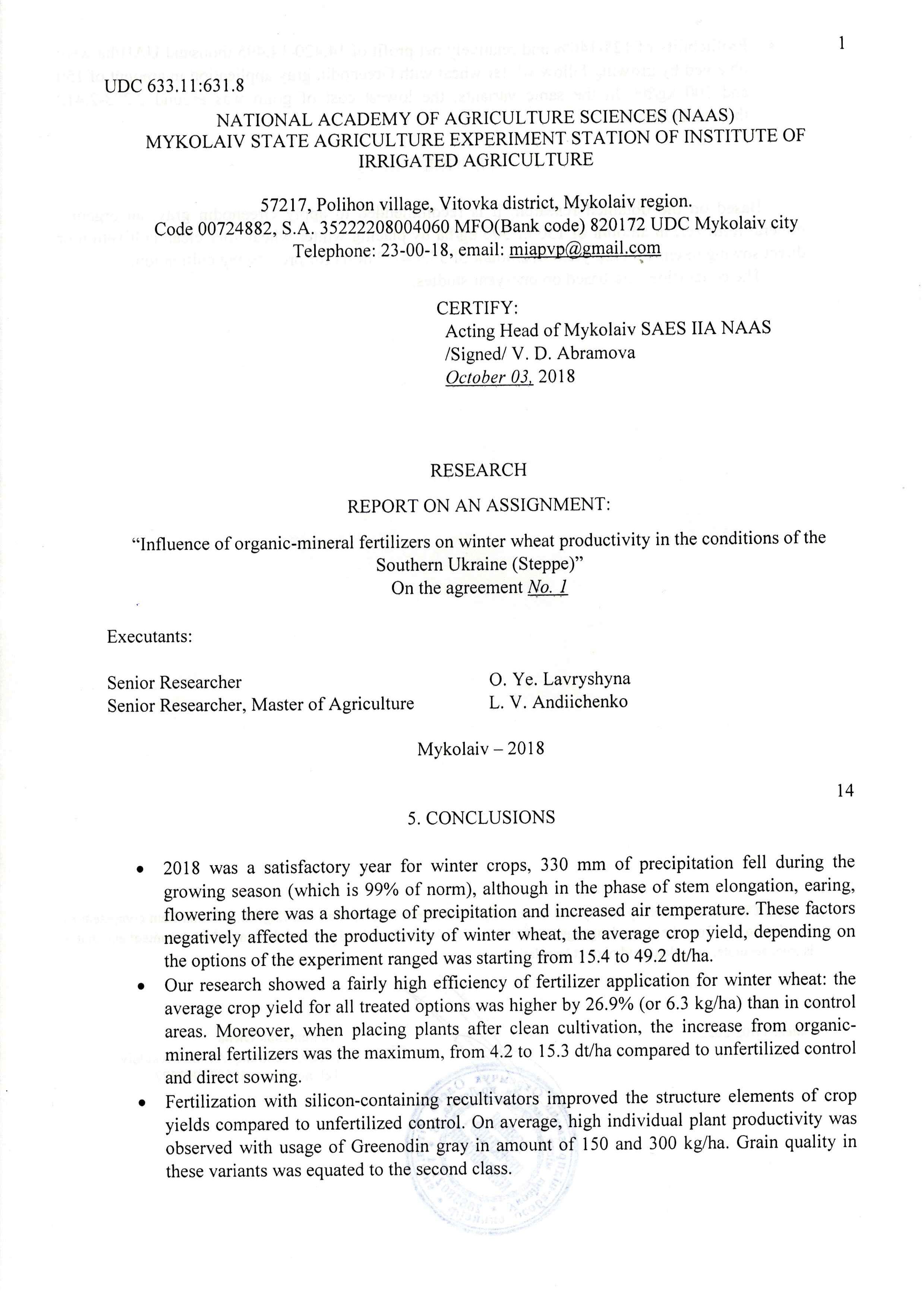
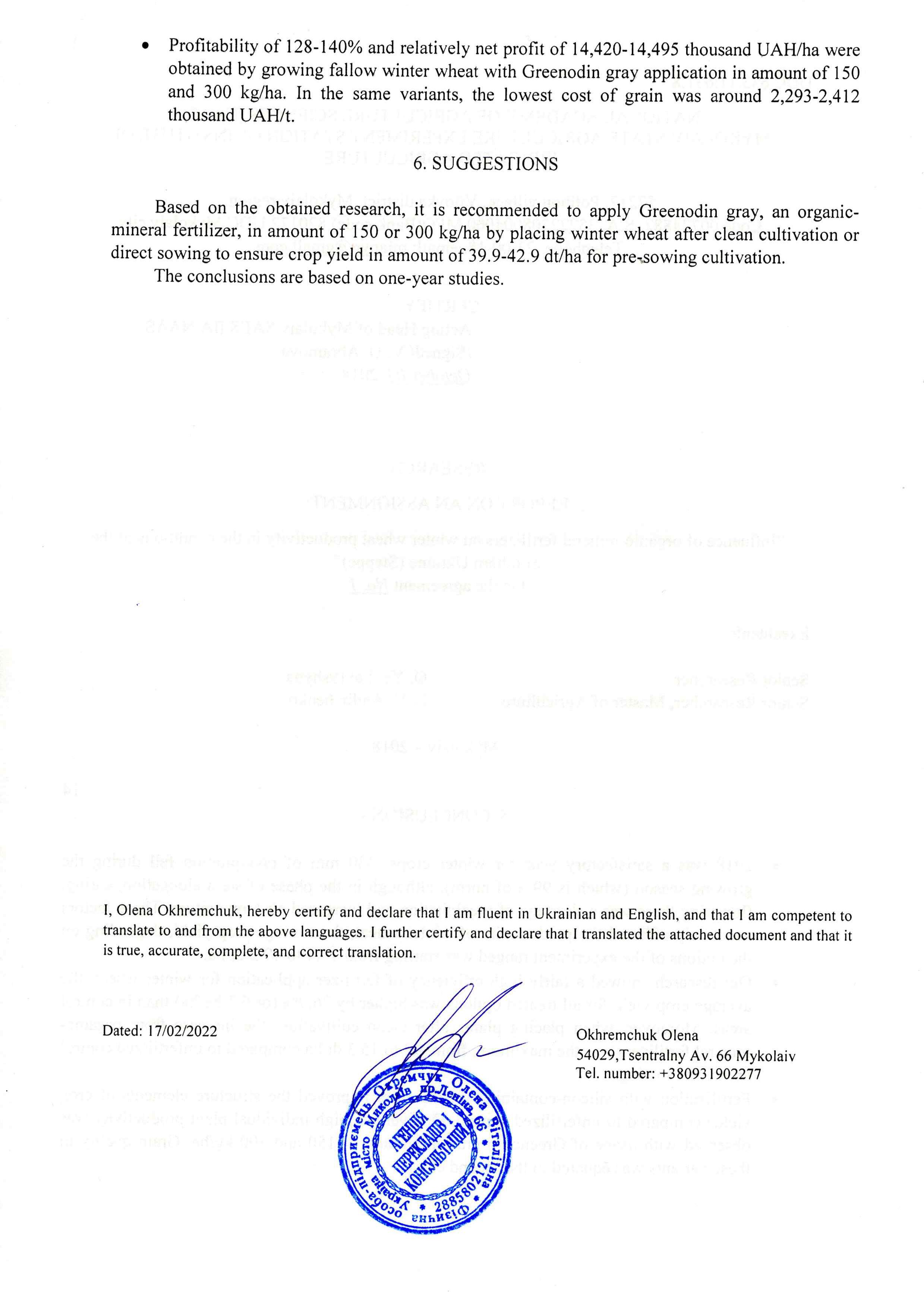
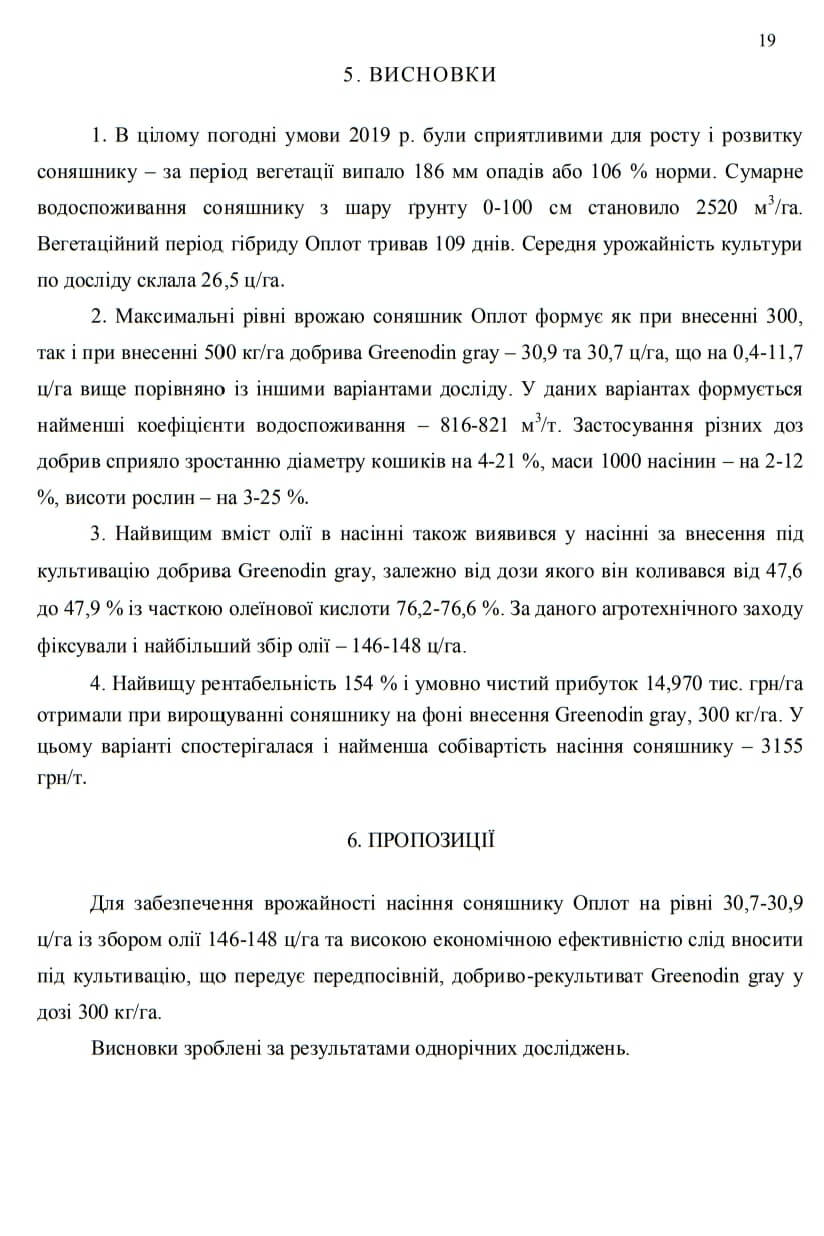
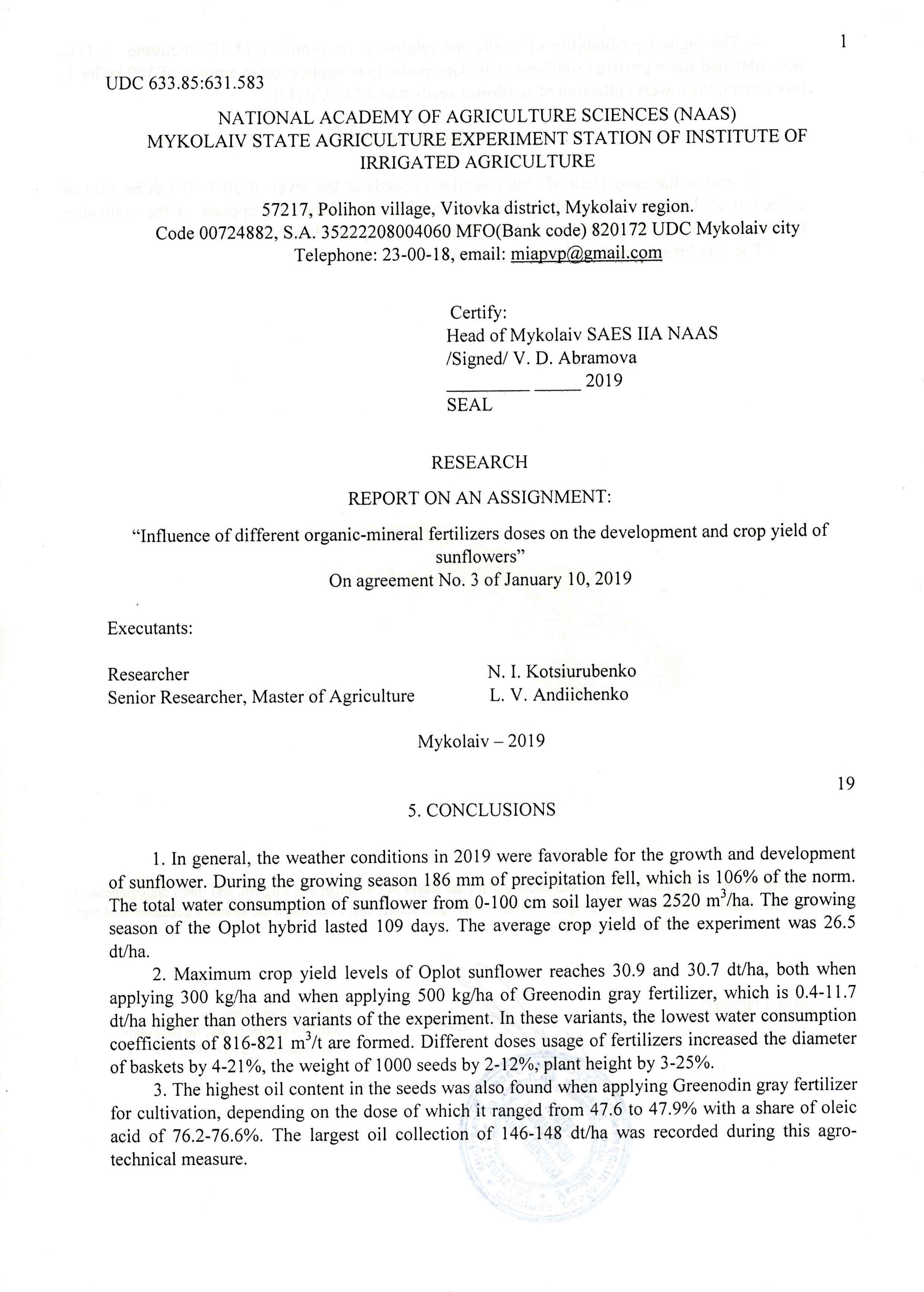
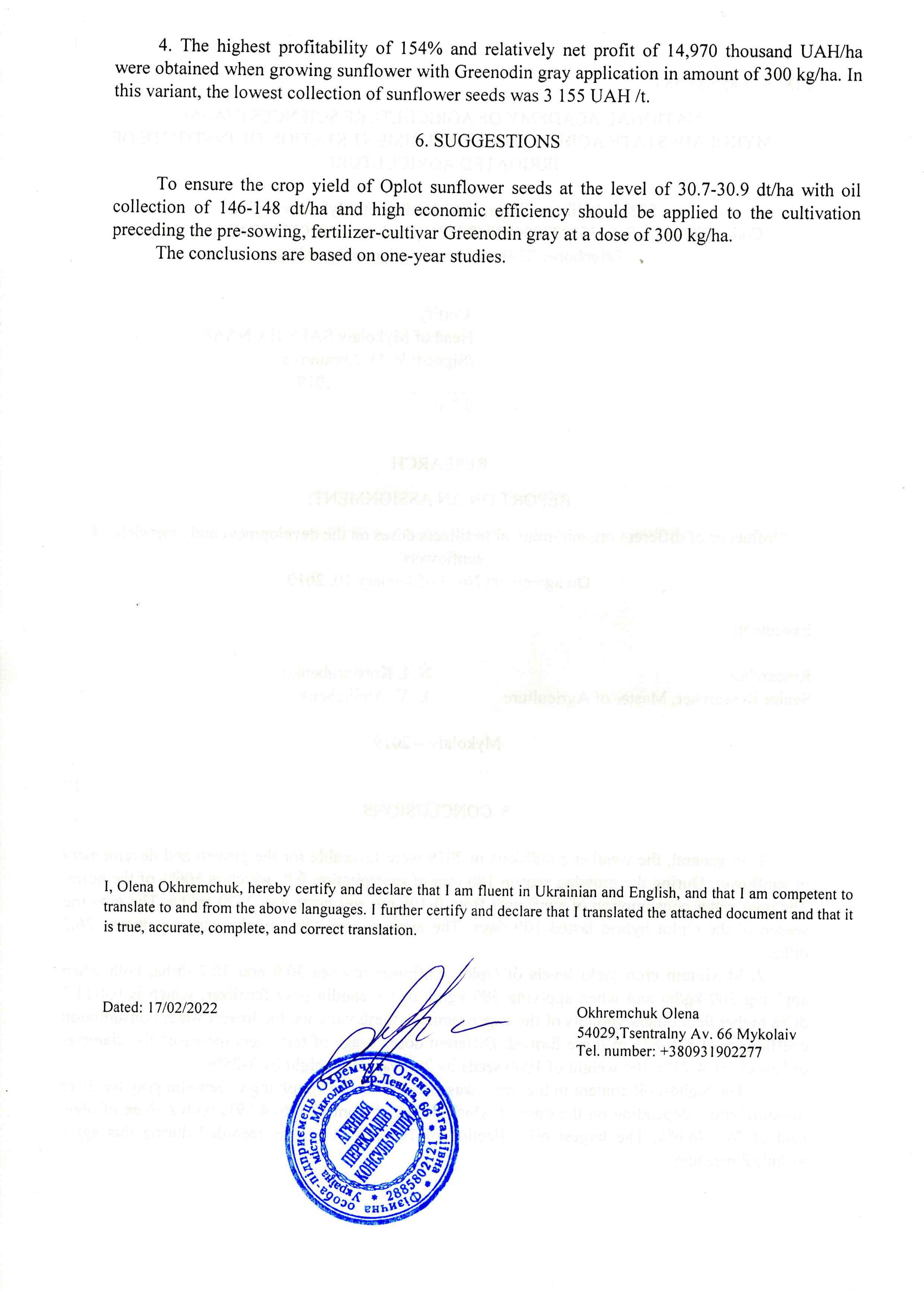
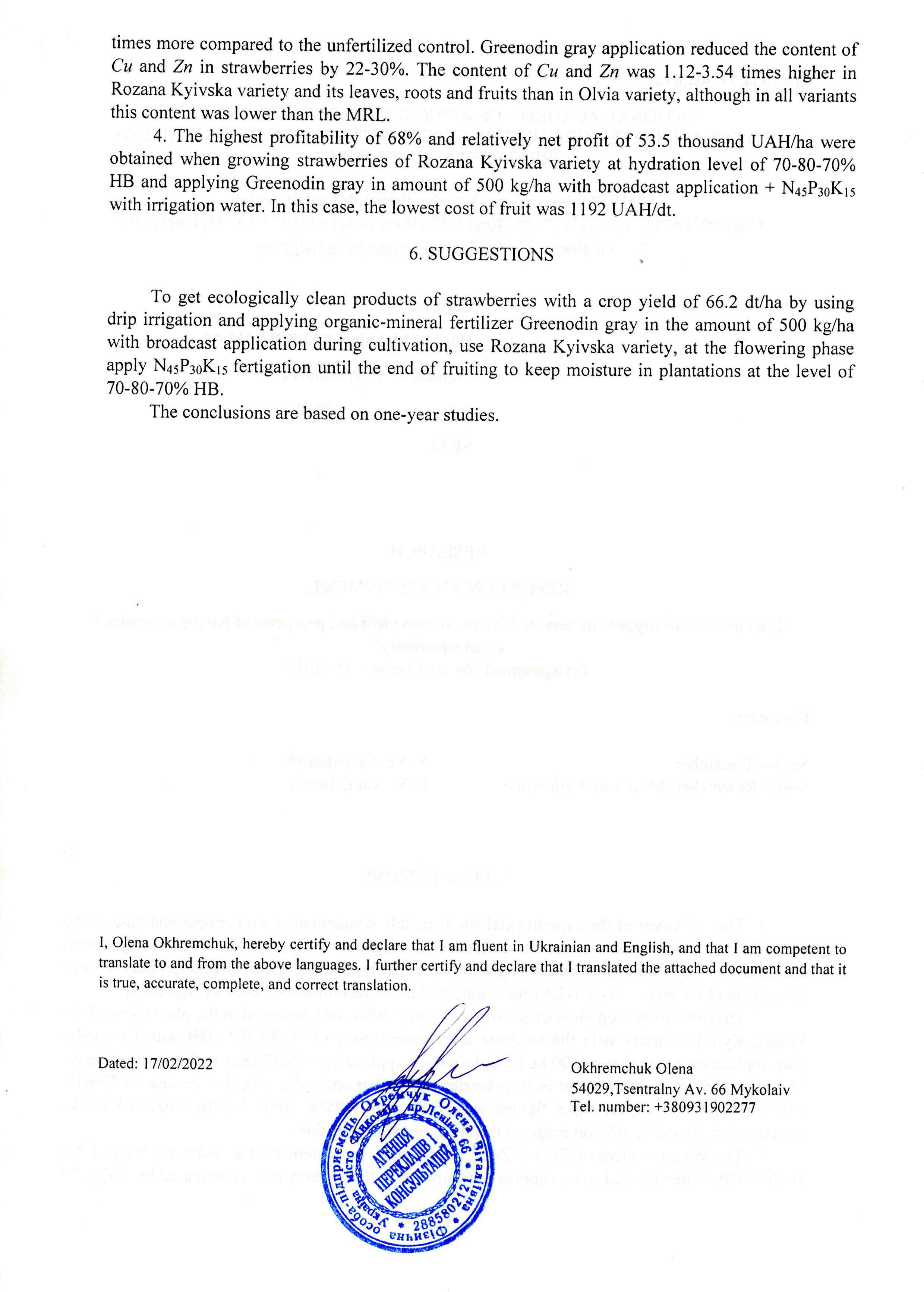
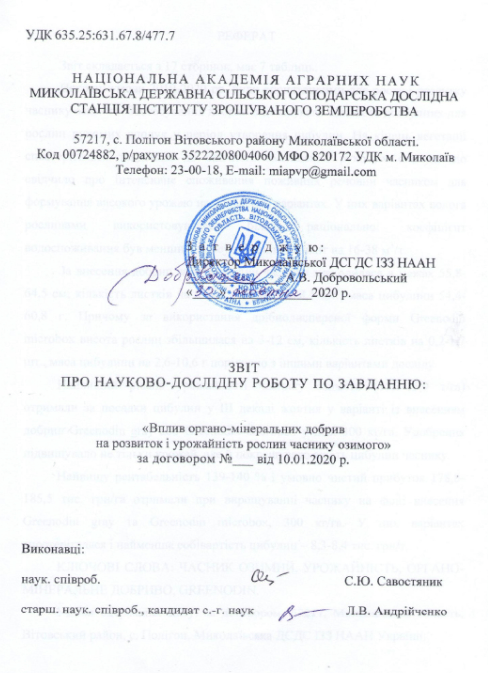
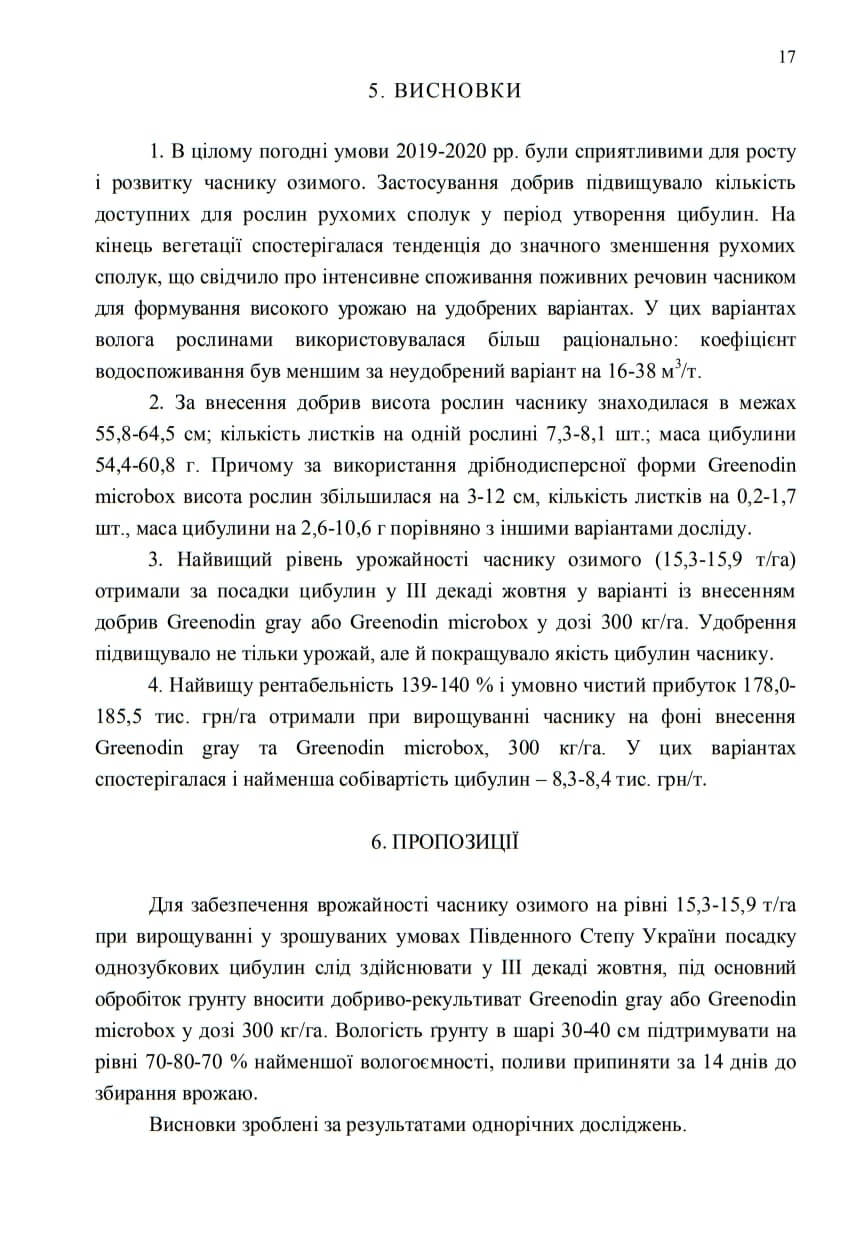
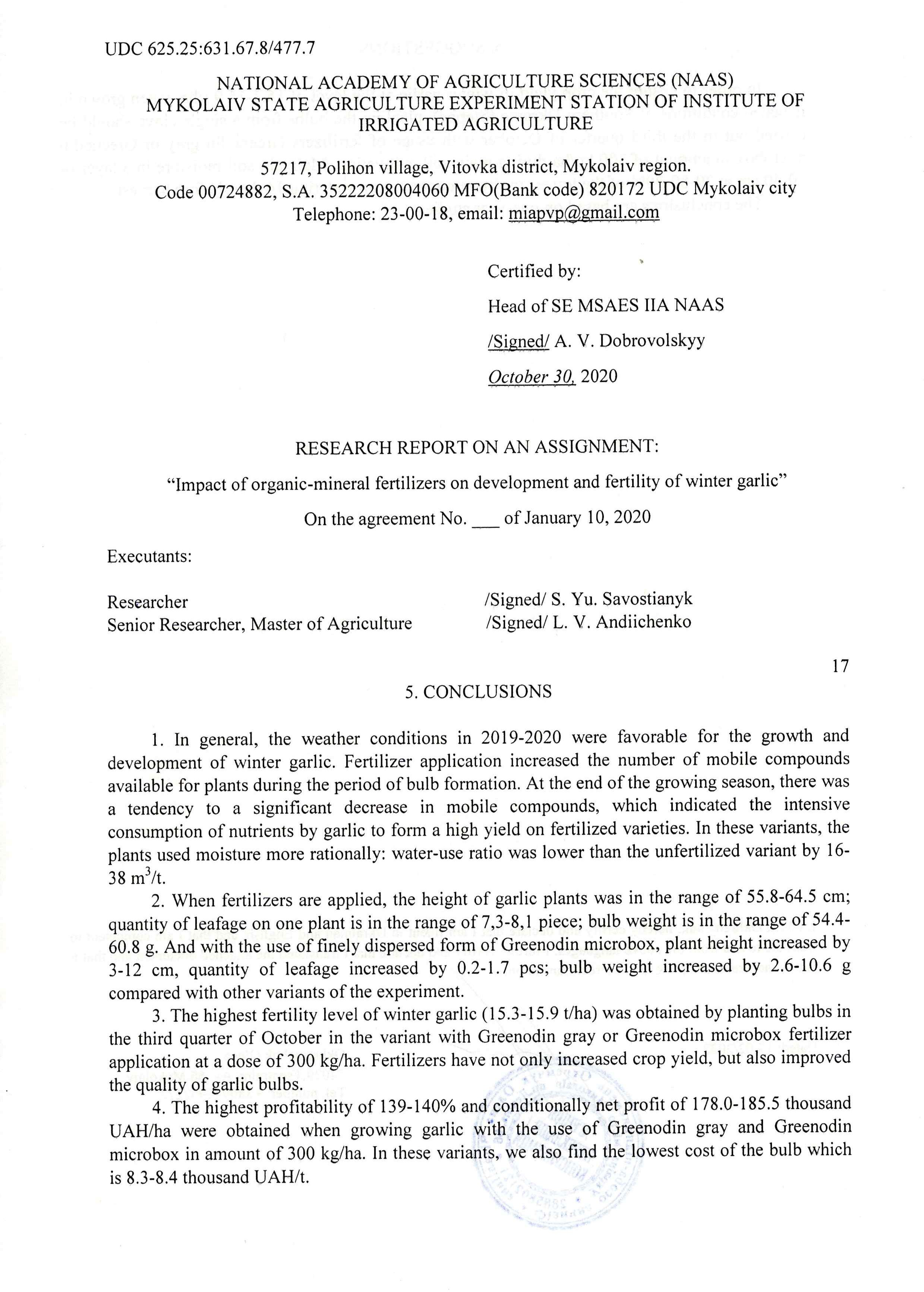
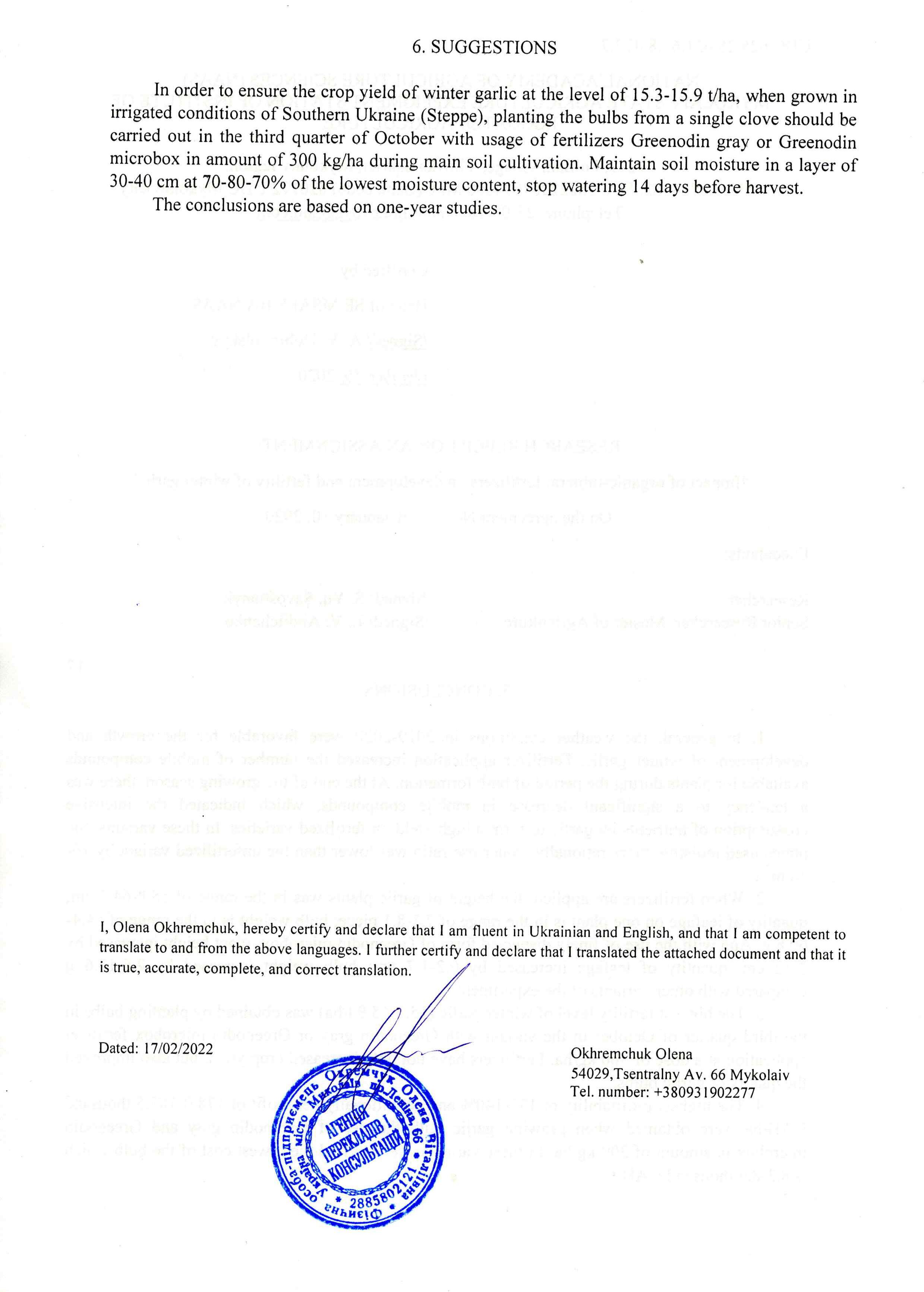
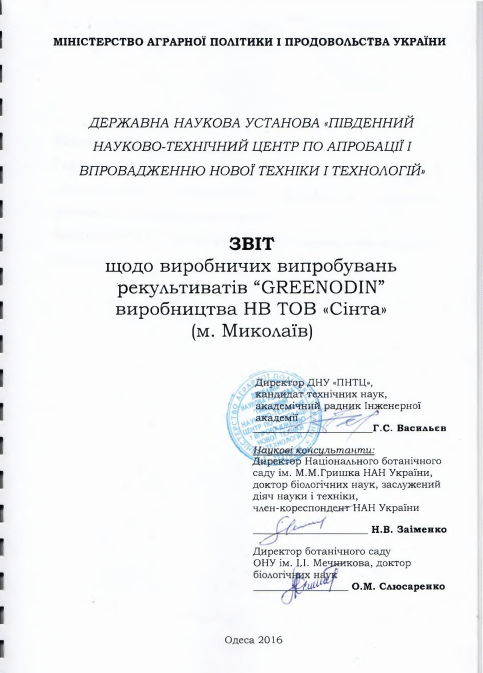
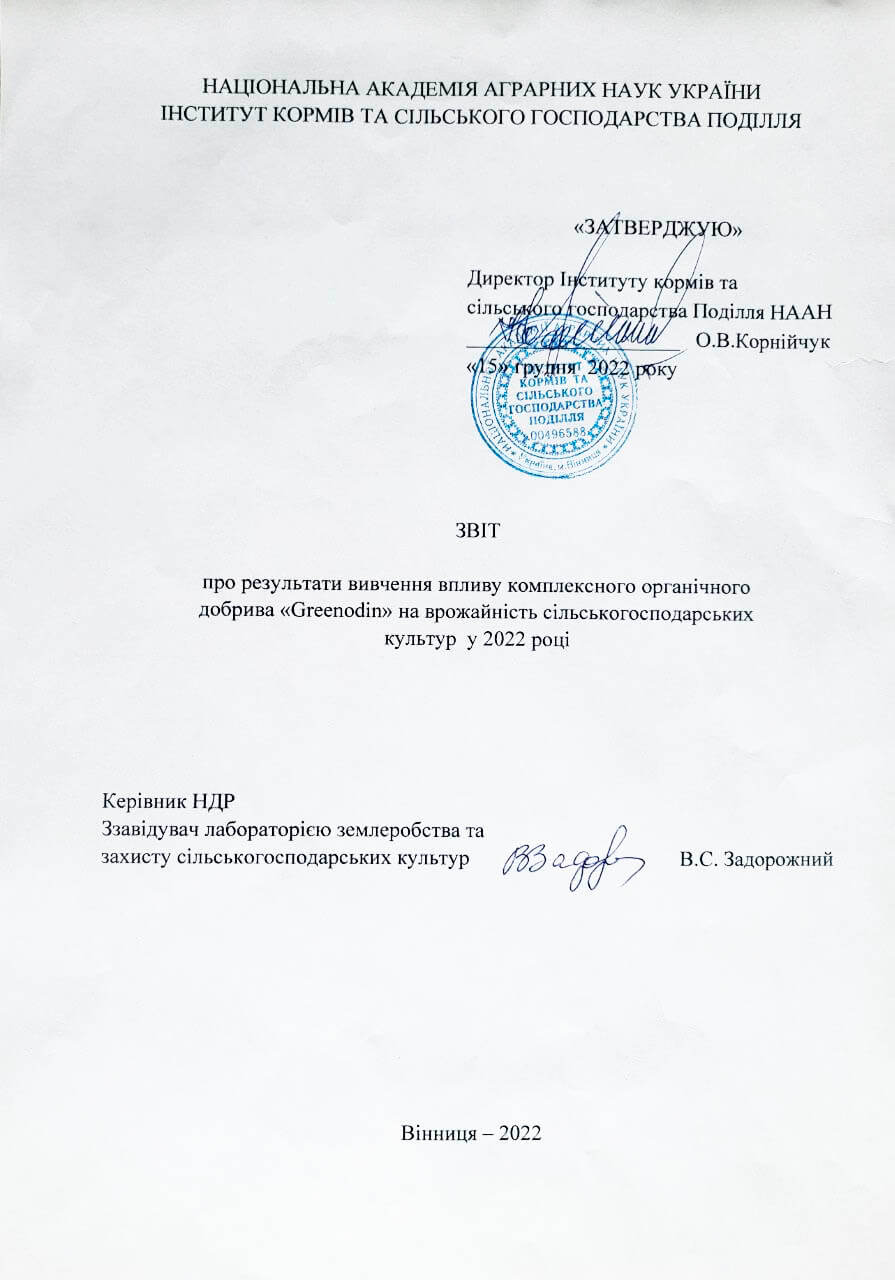
GREENODIN is a high-quality innovative complex granulated organomineral fertilizers, which have successfully proven themselves in corn cultivation. These fertilizers are protected by patents and certified Organic Standart, which guarantees their compliance with environmental requirements of the global market and European standards.
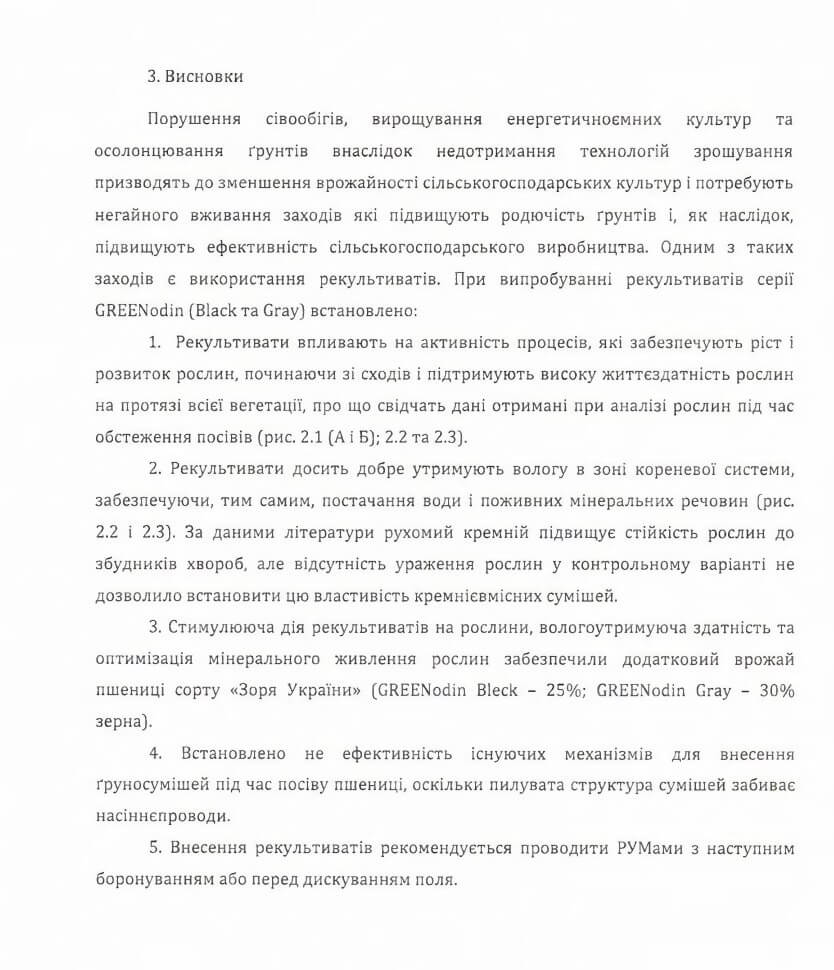
Application of GREENODIN fertilizers allows to create optimal conditions for corn growing, enriching soil with necessary nutrients and increasing its fertility. A wide choice of GREENODIN complex granular organic fertilizers provides the necessary acidity and makes it possible to transform any soil into an ideal one for corn cultivation. Depending on soil acidity, you can use GREENODIN GRAY or GREENODIN BLACK.
GREENODIN is a unique solution for everyone who wants a high quality and rich corn yield, using only environmentally friendly and certified fertilizers.
Unique properties of organic fertilizer for corn brand GREENODIN


Protective bacteria Bacillus Subtilis
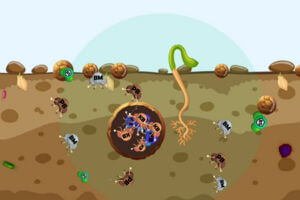
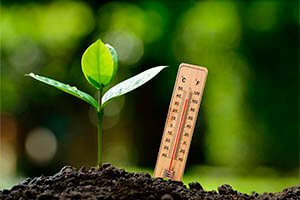
Thermal protection of plants
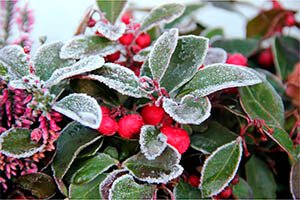
Biochemical plant protection
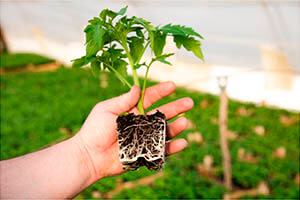
Root formation
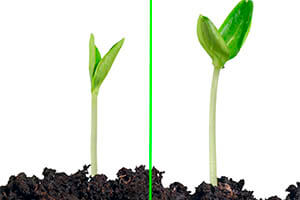
Growth acceleration
Saturated bright color

Drought tolerance
Why customers consider GREENODIN the best corn fertilizer
Based on our customer feedback, we have compiled a list of reasons why our customers rated GREENODIN as the best fertilizer for corn