



Determination of soil acidity
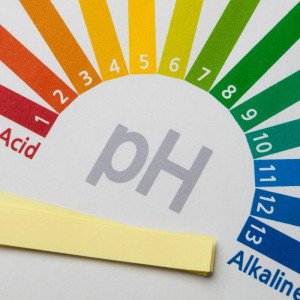
Determination of soil acidity and its regulation are important steps in managing the health of the soil and the plants grown on it. Different types of plants are predisposed to exist on different types of soil, with different pH values. Extremely high acidity and high alkalinity of soils is a limitation of the productivity of most plants.
Methods for determining soil acidity
The most common way to measure soil pH is with a pH meter, which is often an accurate electronic device that measures the concentration of hydrogen ions in the soil. There are many different types of pH meters, the most common are:
- digital pH meter, the instrument with the most accurate way to measure the pH level of the soil and the use of electrodes, can give results with an accuracy of tenths;
- Analog pH meters are less commonly used than digital pH meters, but they can still be useful in determining soil pH and use a scale that shows pH as a number.
- portable pH meter, the most convenient device for use in the field;
- stationary pH meter, which are often used in laboratories.
An alternative to pH meters is pH test kits: this is the easiest and most affordable way, sold in gardening stores or online. They usually contain instructions for use and give results in minutes. Test kits are cheaper but less accurate than pH meters.
For agricultural and horticultural activities, it is very important to know the pH level of the soil, as this helps to determine which crops can grow successfully in a given region and which cannot. In addition, the determination of soil pH is important for planning the necessary measures to improve the soil condition, including through the use of organic fertilizers.
Knowing the pH of the soil allows you to optimize your farming practices and achieve the best results in yield and product quality. Therefore, determining soil pH is one of the most important steps in sustainable agriculture and horticulture, and allows you to make the right decisions to improve soil condition and increase yields.
Soil acidity and its effect on plant development
The acidity, as well as the alkalinity of the soil, is the relative amount of hydrogen ions H + in the soil, determined by the unit of measurement - pH on a scale of possible values from 1 to 14. The central reference measure is the neutral value of pH 7. The upward pH values are 7.5, 8.0 - alkaline. The pH values downwards 6.5, 6.0 are acidic.
The pH scale is logarithmic, where a change in pH by one unit means a tenfold change in acidity or alkalinity. For example, soil with pH 5 is 10 times more acidic than soil with pH 6, and soil with pH 4 is 100 times more acidic than soil with pH 6.
Soil pH affects the availability of nutrients for plant growth and development, as well as the vital activity of agronomically beneficial microorganisms. That is why soil pH is the most important indicator of the physical and chemical properties of the soil and therefore is of great importance in agriculture, horticulture and nature management.
Soils with low pH provoke an increase in toxic compounds of aluminum and manganese, boron, while the necessary macroelements of calcium, phosphorus and magnesium become less available to plants. With an increase in toxicity, the development of agronomically beneficial bacteria is extremely reduced.
For example, low soil pH is a potential limiting factor for wheat crops in the northern regions of Ukraine (Polesie), where soddy-podzolic and peat-podzolic soils have pH values of 4.2-5.2, i.e. is acidic. Such soils are well suited for growing coniferous and heather crops, but for other traditional ones that prefer a neutral reaction, it is advisable to carry out liming and organic fertilizers in high doses, and as an alternative, use universal solutions - GREENODIN AVE LIFE ameliorant or GREENODIN GRAY and GREENODIN RED complex fertilizers.
It should also be noted that the phenomenon of soil oxidation has become a problem for other regions of Ukraine, due to acidification of soils with nitrogen fertilizers. The vaunted chernozems of central Ukraine, with soil neutrality of pH 7, began to fall below pH 6. The use of GREENODIN AVE LIFE ameliorant or complex fertilizers GREENODIN GRAY, GREENODIN RED has become normal to increase soil pH in regions where it has fallen even by two units, as well as to reduce toxicity. These products increase the nutrients in the soil.
In alkaline soils with a high pH of 8 and above, the availability of phosphorus and other macro- and micronutrients may also be reduced. For example, increased alkali affects the deficiency of trace elements such as copper and zinc, which do not seem to greatly affect the quantitative indicators of yield, but are extremely important for a quality crop.
Increased application of chemical phosphate fertilizers promotes the formation of soluble salts such as calcium phosphate. The presence of excess salts in the soil has a negative effect of alkaline soil on the growth, development and productivity of plants. Often these salts are formed by sulfur and chloride anions with magnesium and calcium cations, and sometimes by potassium cations with carbonate and nitrate anions.
Recently, the main cause of soil salinity is the irrational or incorrect use of mineral fertilizers, especially against the background of intensive irrigation in the arid regions of Odessa, Nikolaev and Kherson regions.
The complex fertilizers GREENODIN BROWN, with a base pH of 5.0 and GREENODIN BLACK, pH 6.0, will come to the aid of farmers for soil desalination. The polysilicic acids and agronomic bacteria in their composition will quickly start the process of desalting and increasing acidity, closer to the neutral level of pH 7.0.
In extremely severe cases, it is necessary to sow in saline areas of plants that tolerate salinity well and facilitate drainage to restore this soil. Such plants include Solyanka, Potashnik, Saltwort, Solonchak Astra, Saussurea solonchak, Salt marsh, Pepper, thick-leaved and Solonchak plantain.
We have analyzed and seen that it is very important for farming and horticulture to measure and know the pH level of the soil because it helps to determine which crops can grow successfully in a given region and which cannot. In addition, the determination of soil pH is important for planning the necessary measures to improve the soil condition, including correction through the use of complex organic fertilizers TM GREENODIN.
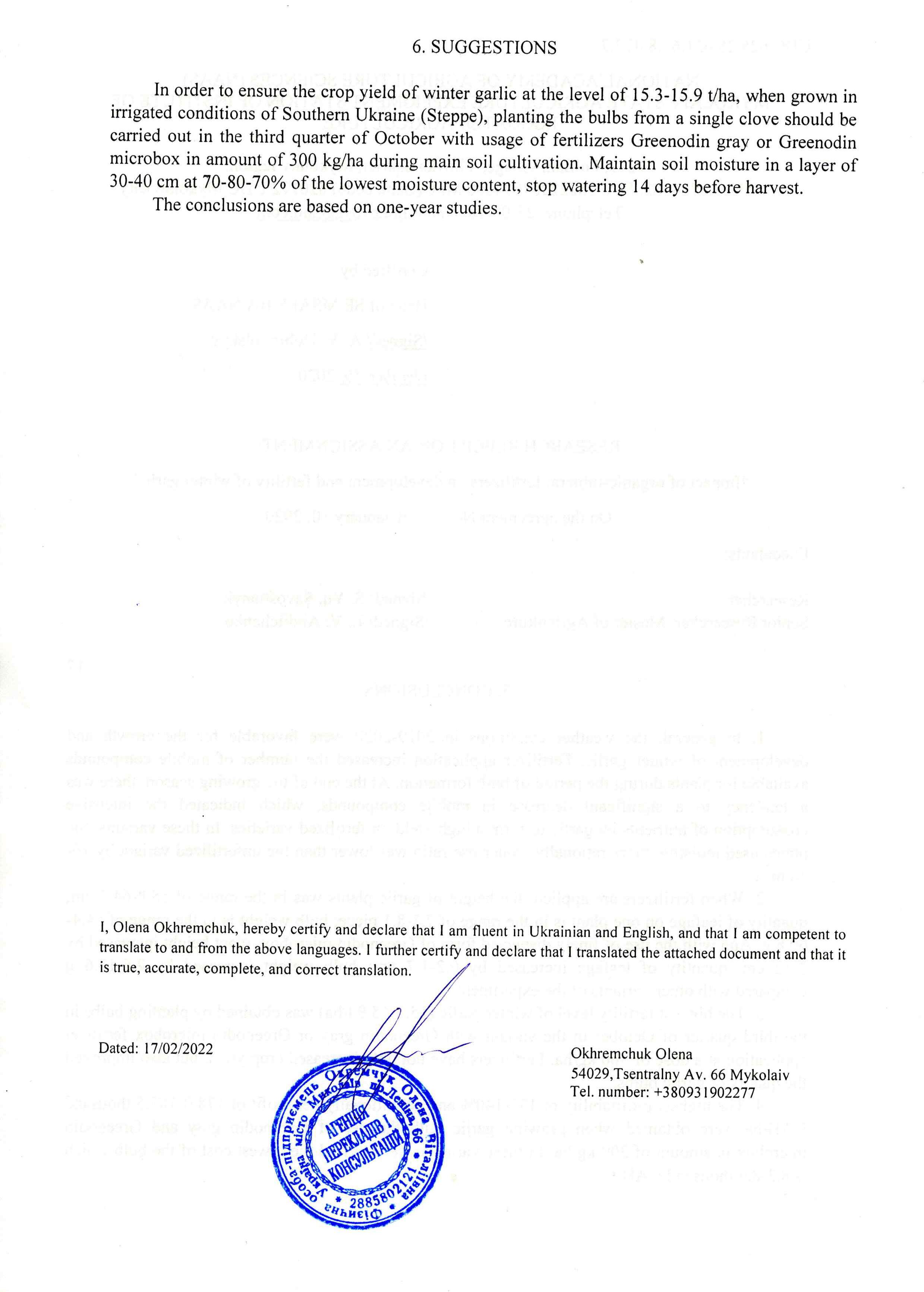
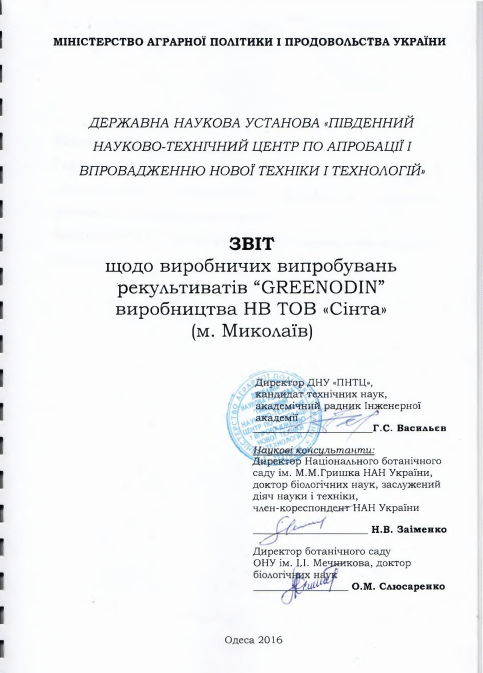
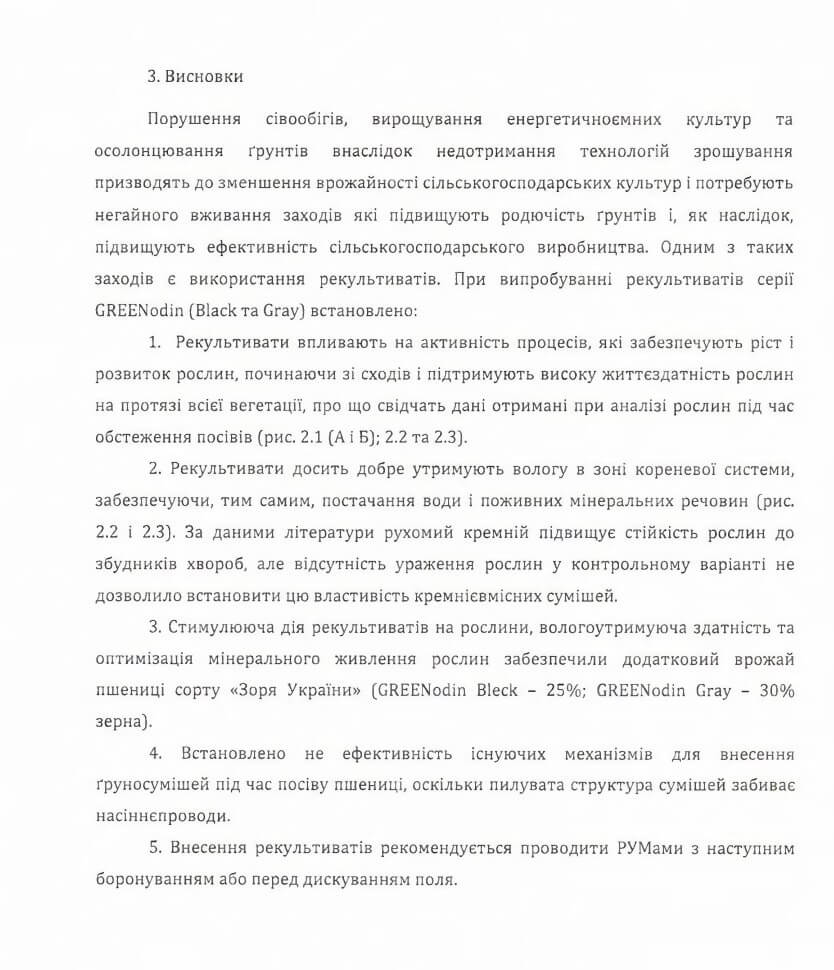
Reports on the use of organic fertilizers
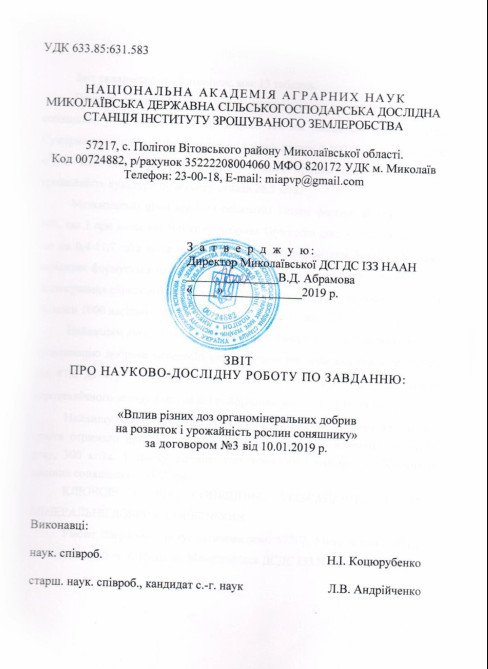
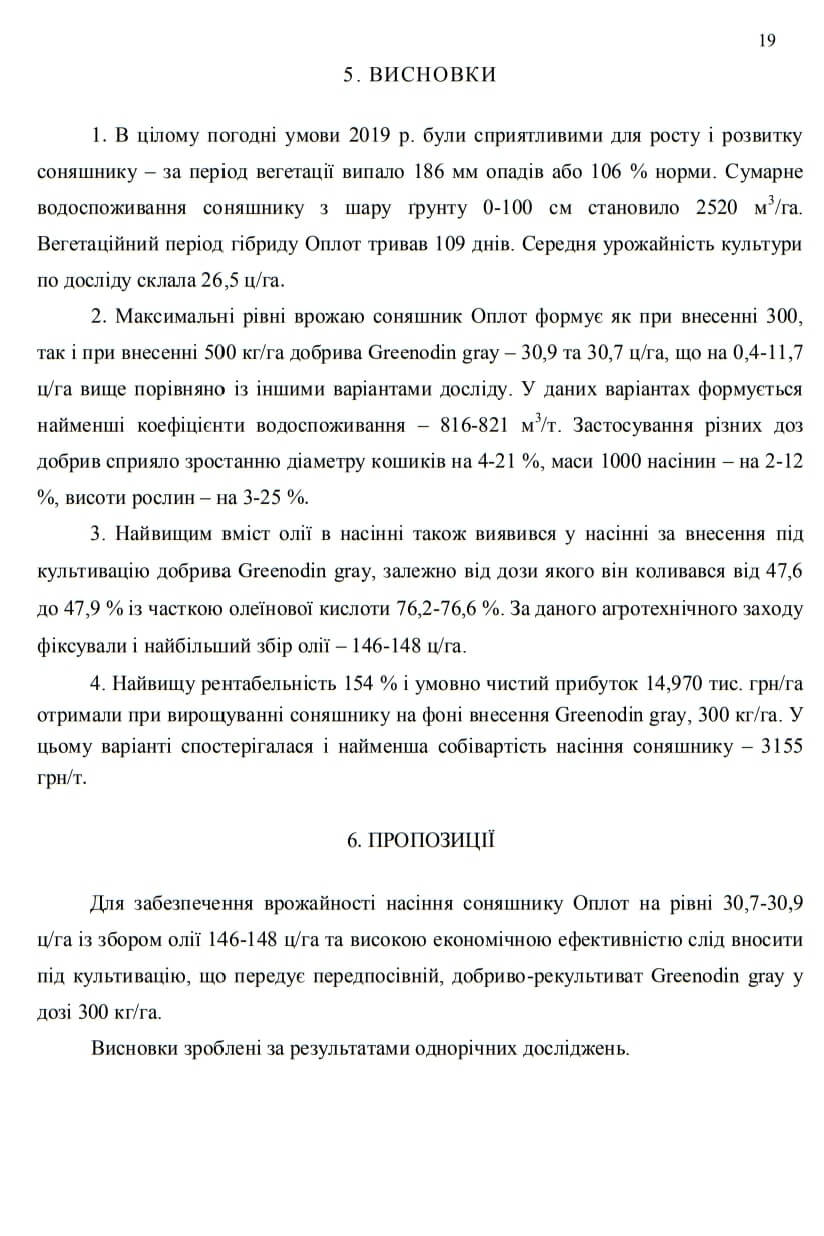
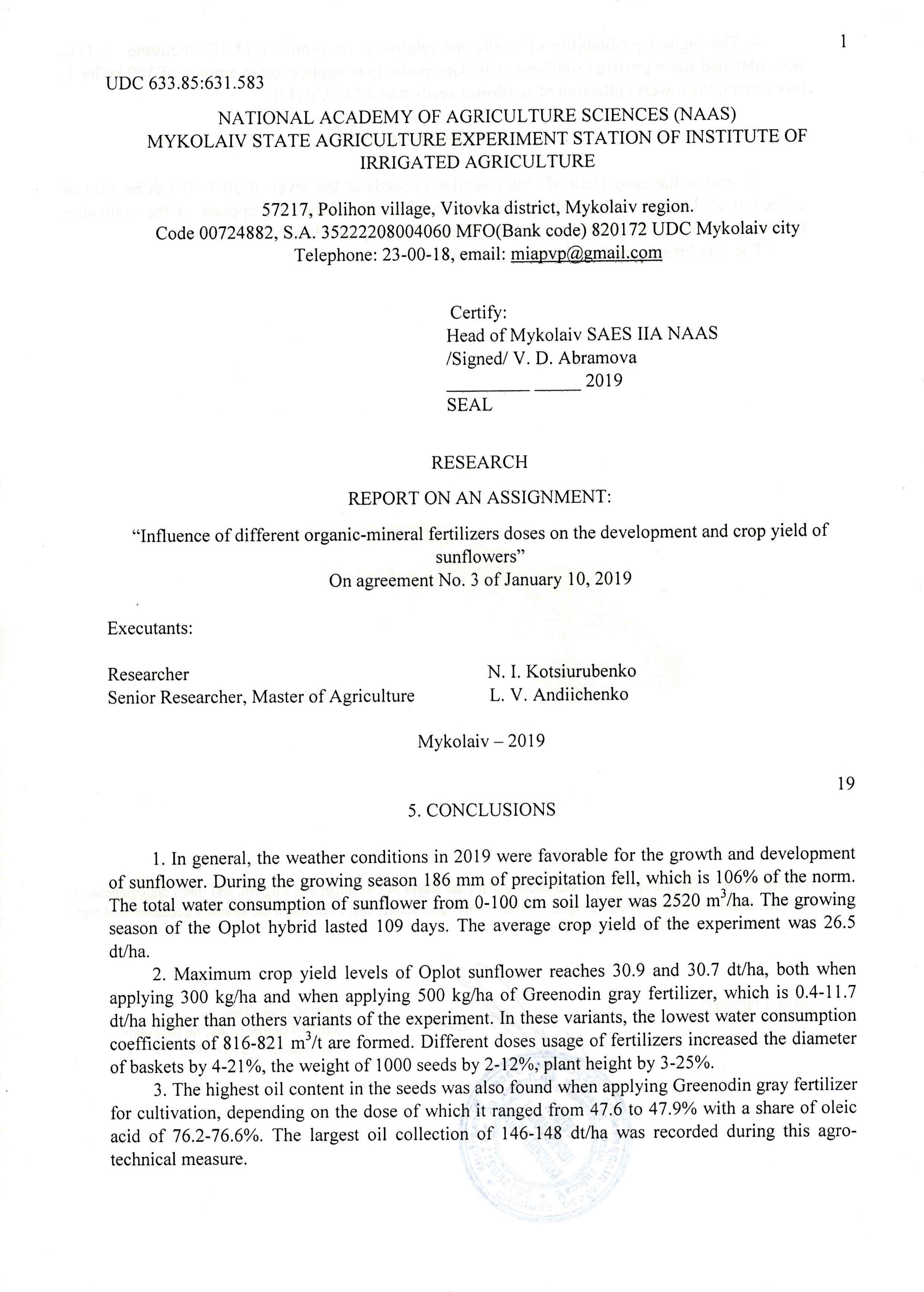
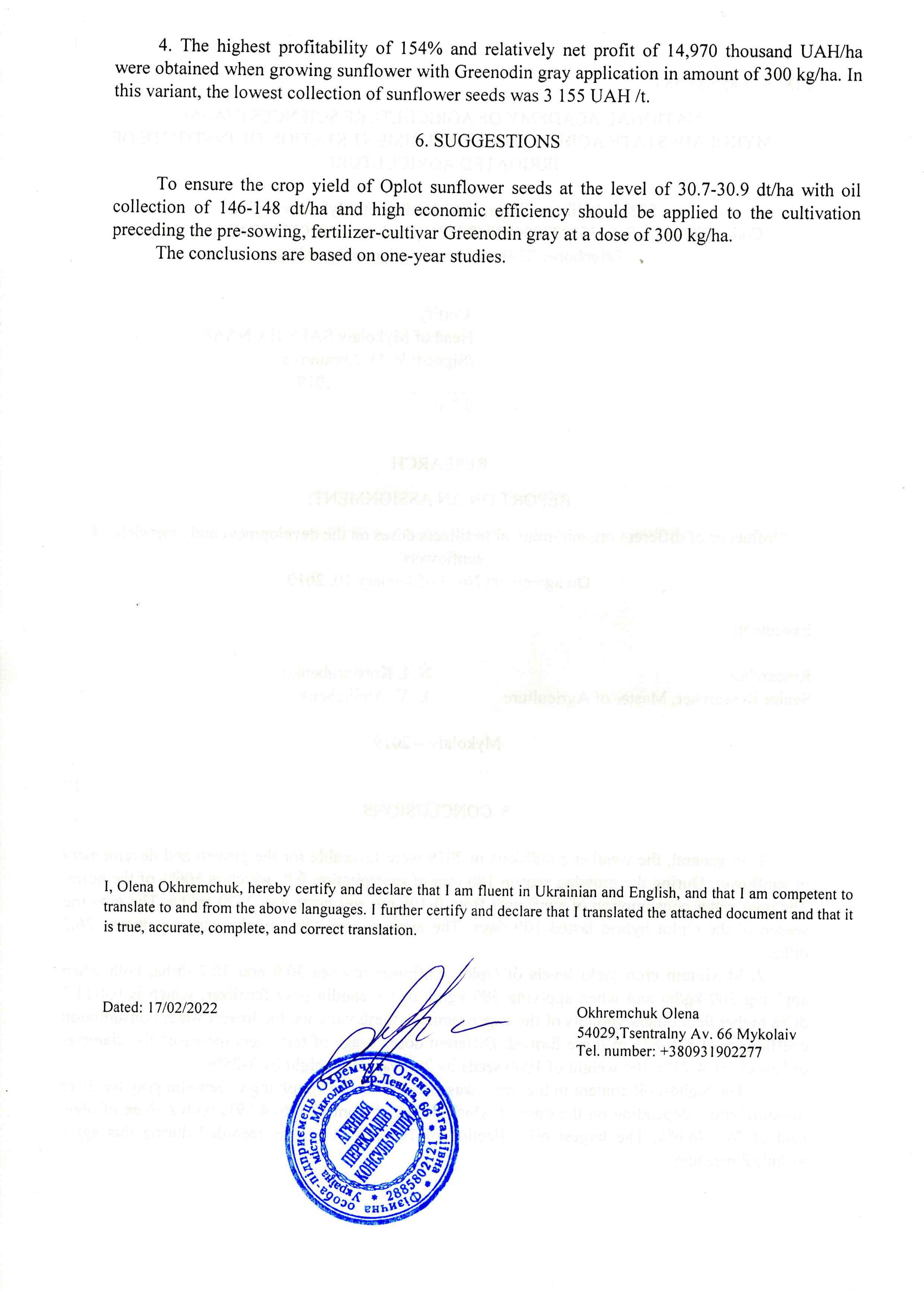
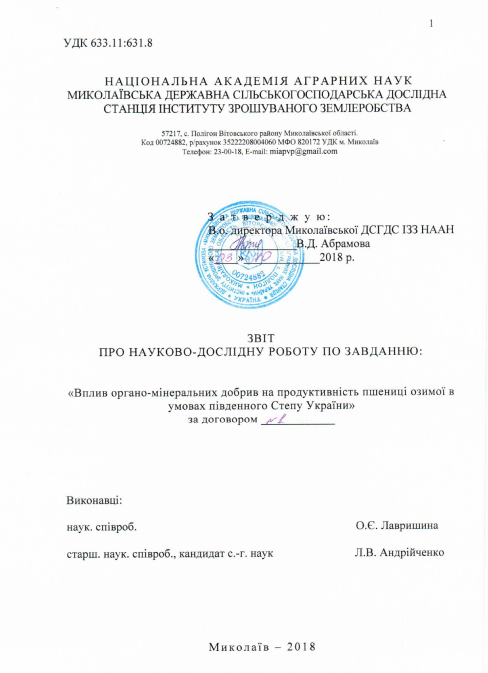
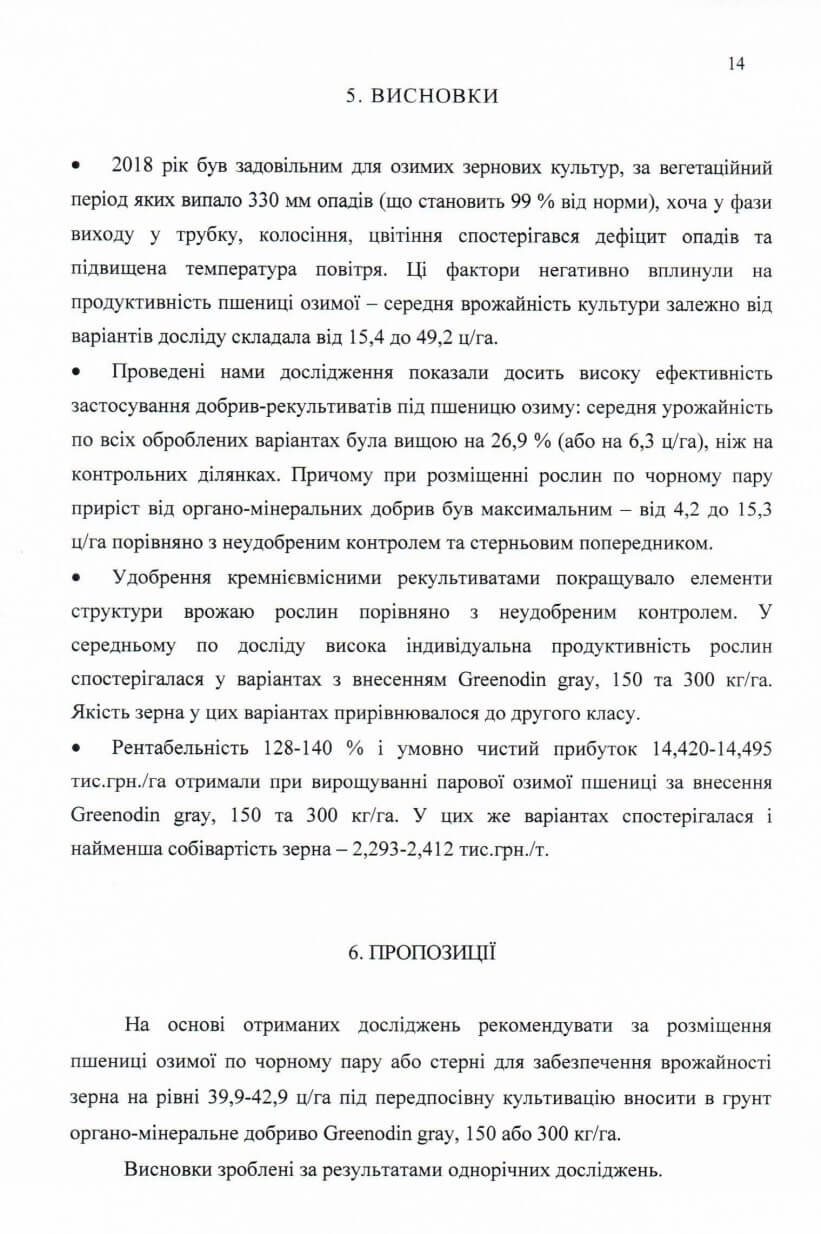
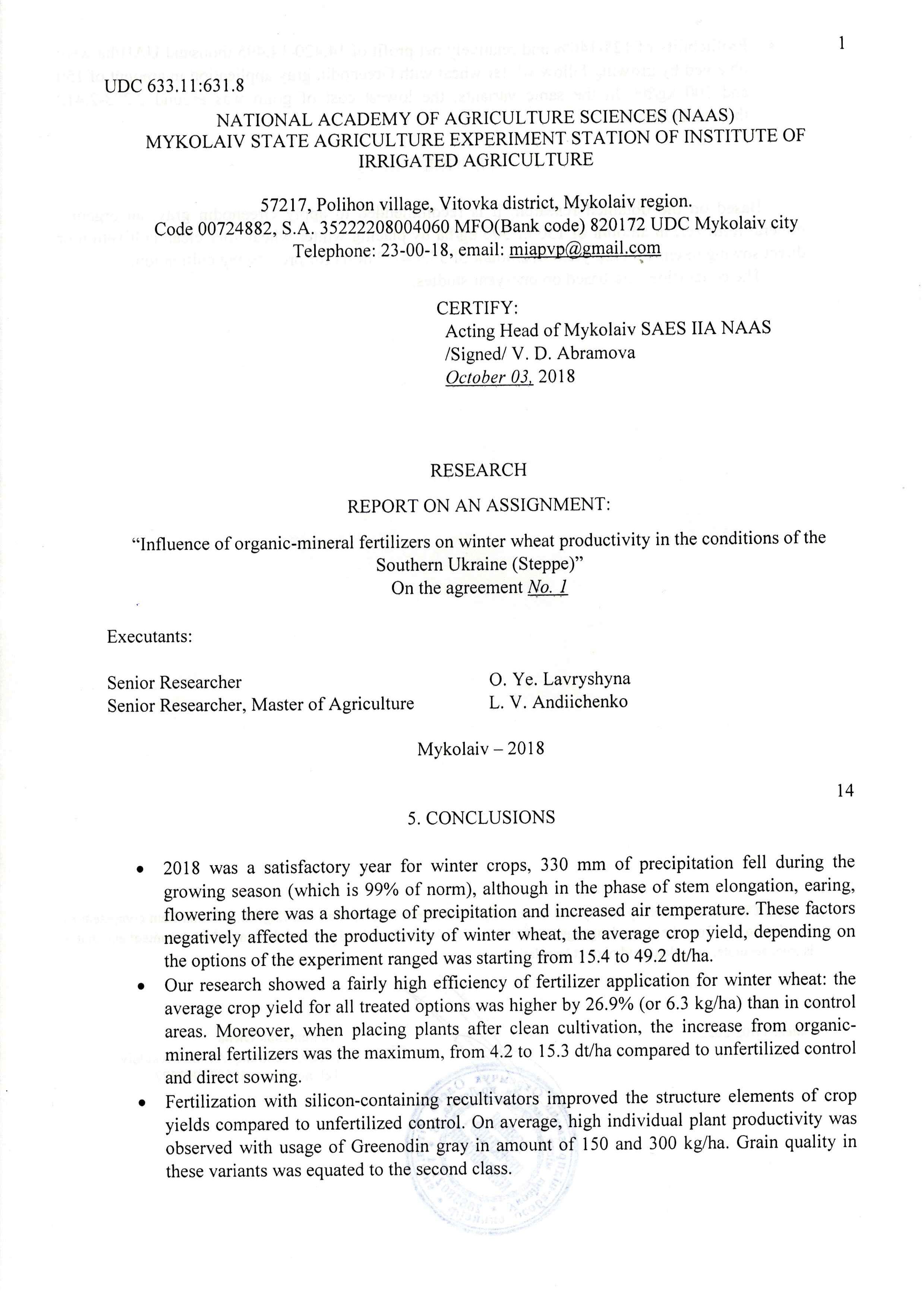
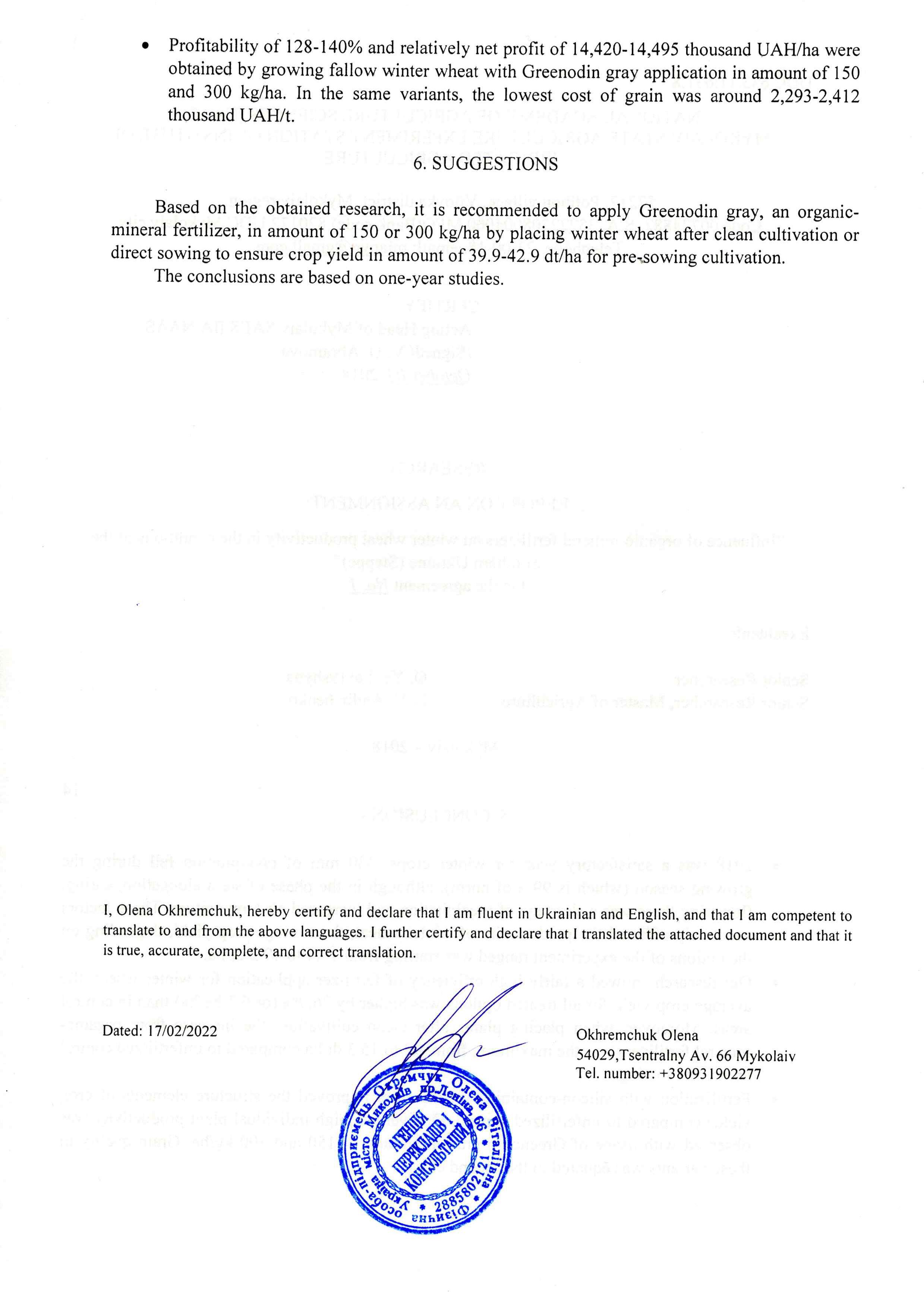
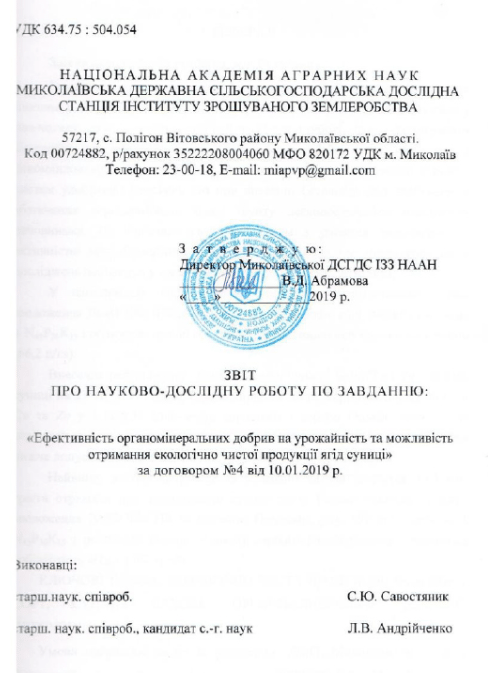
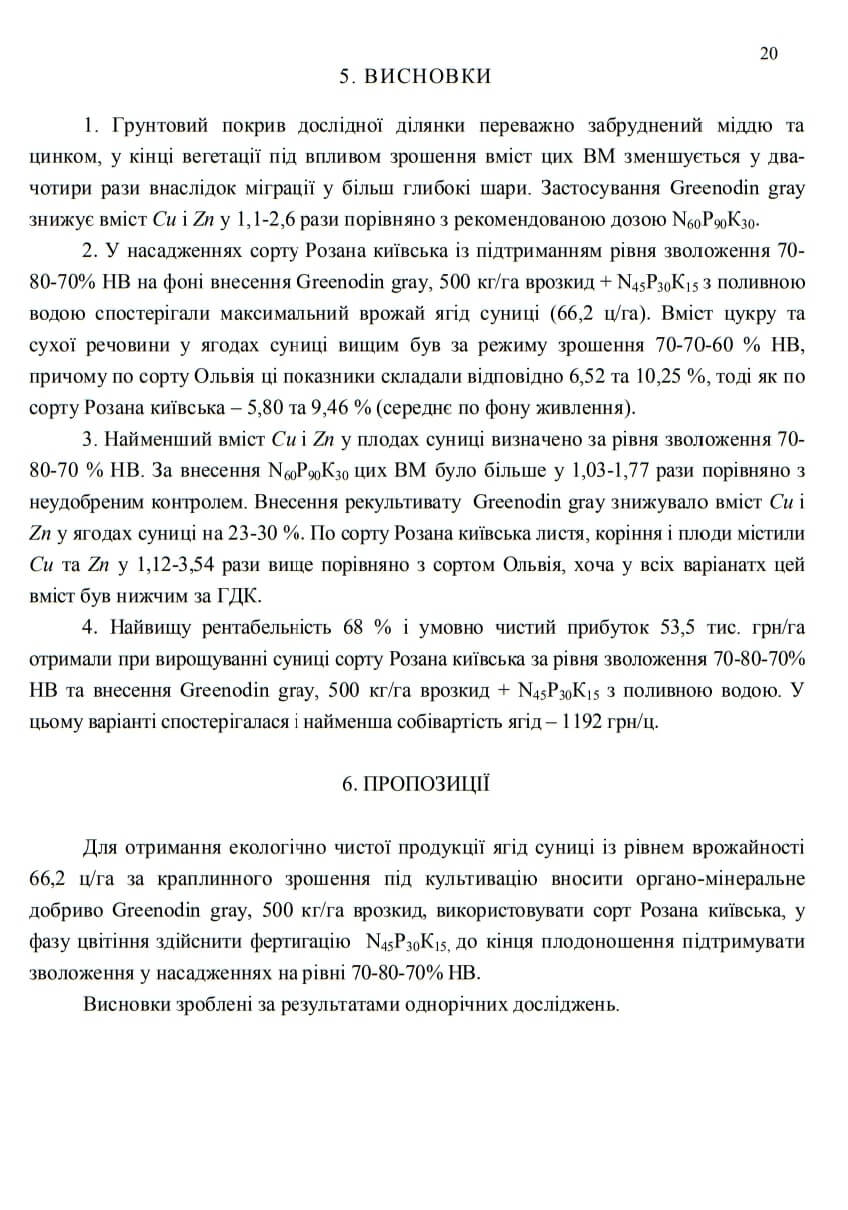
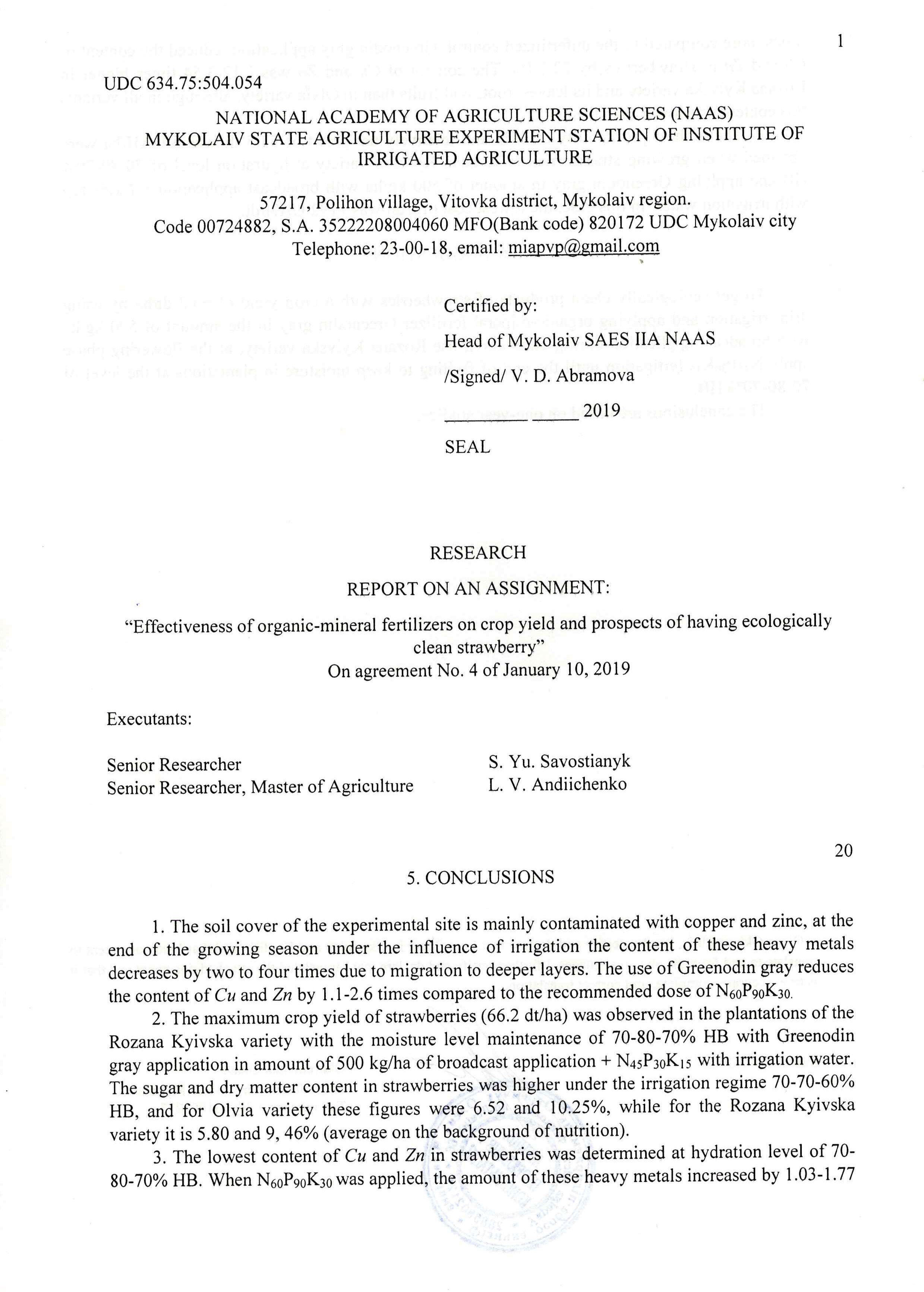
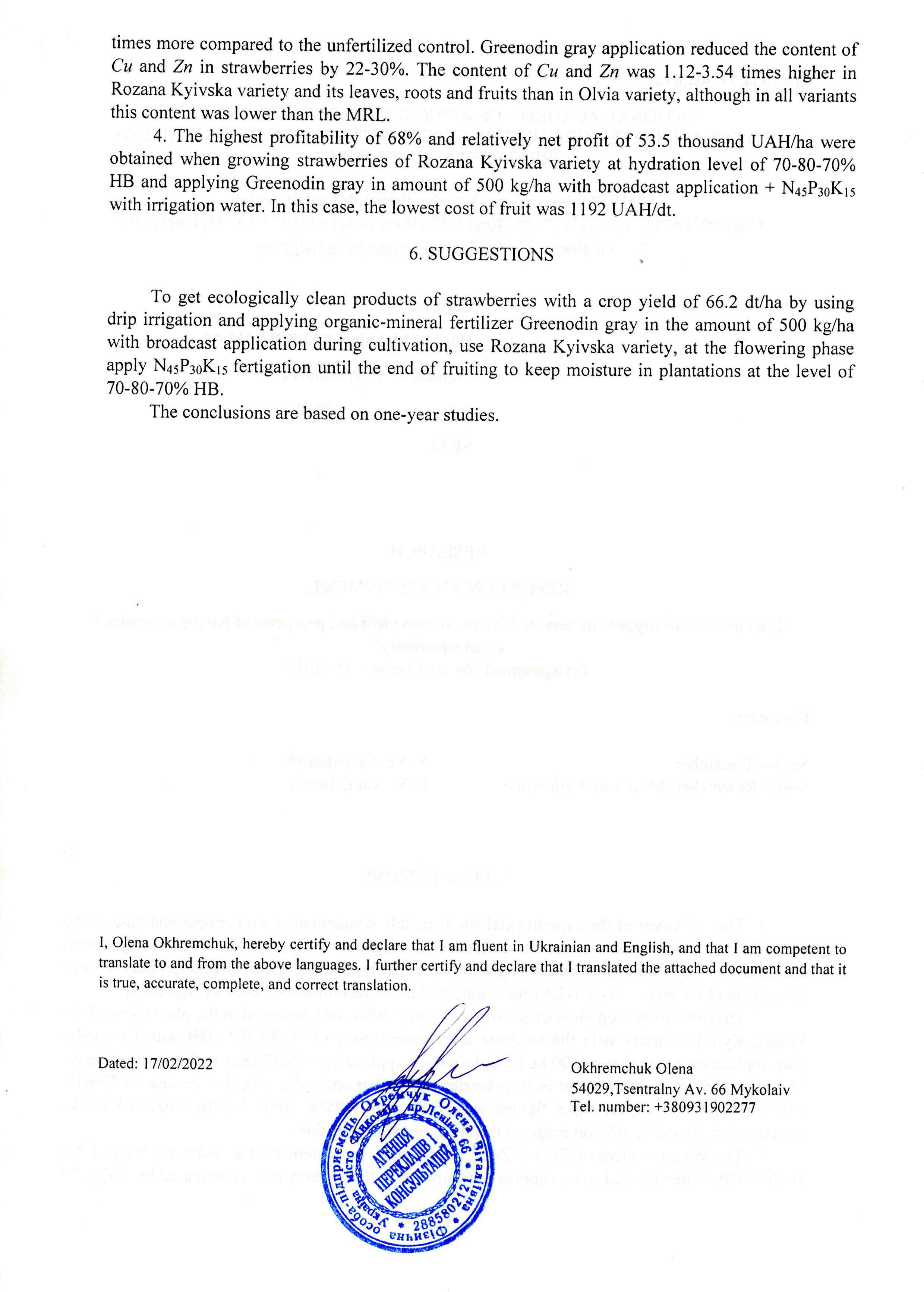
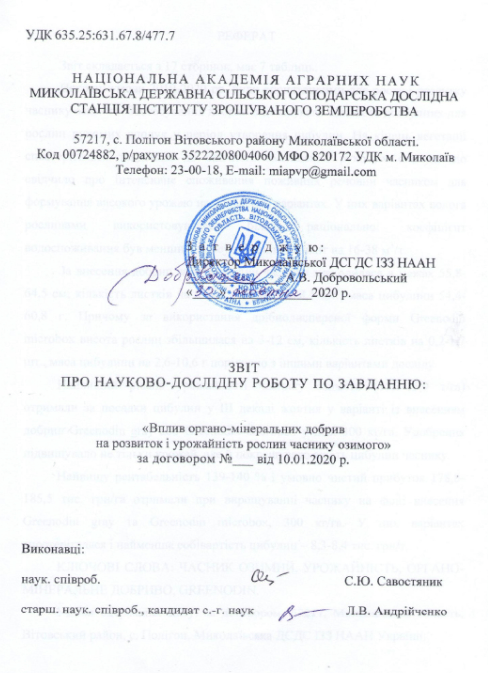
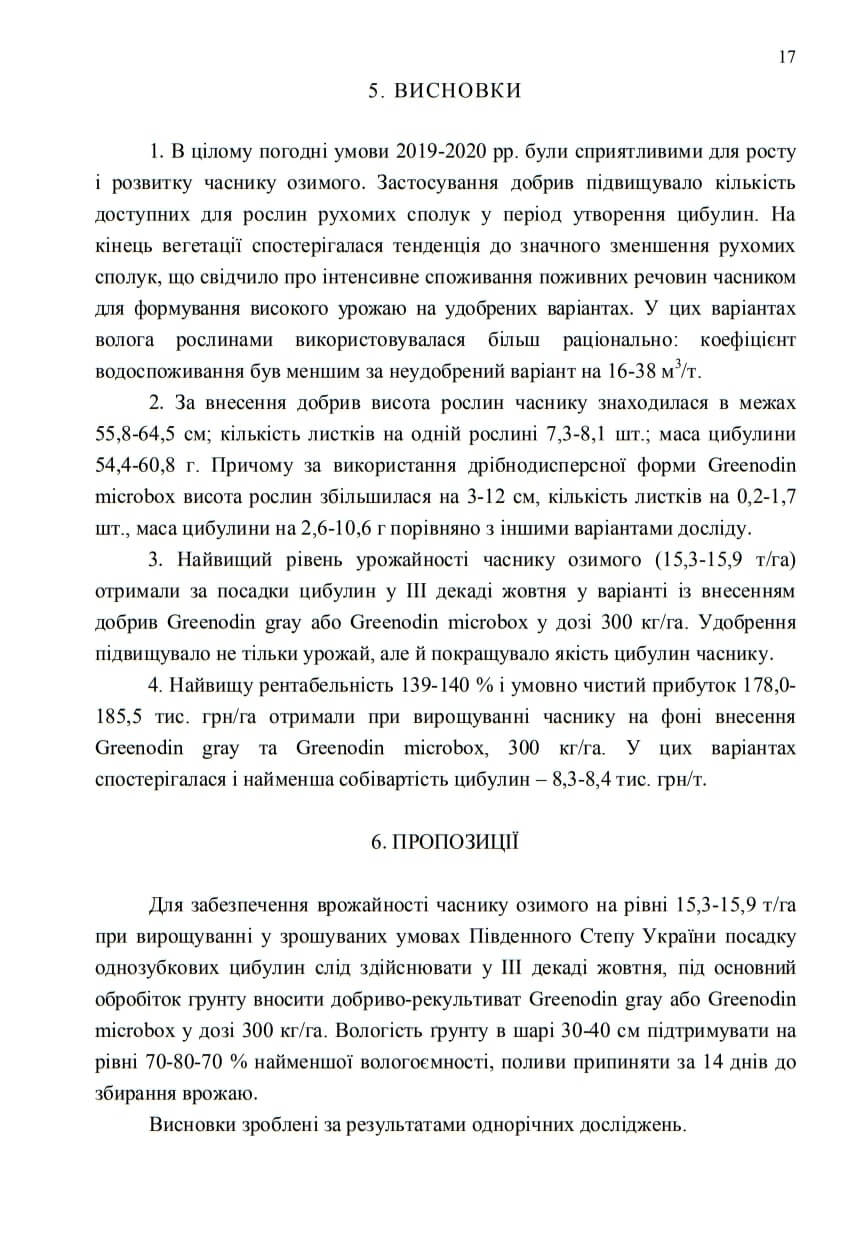
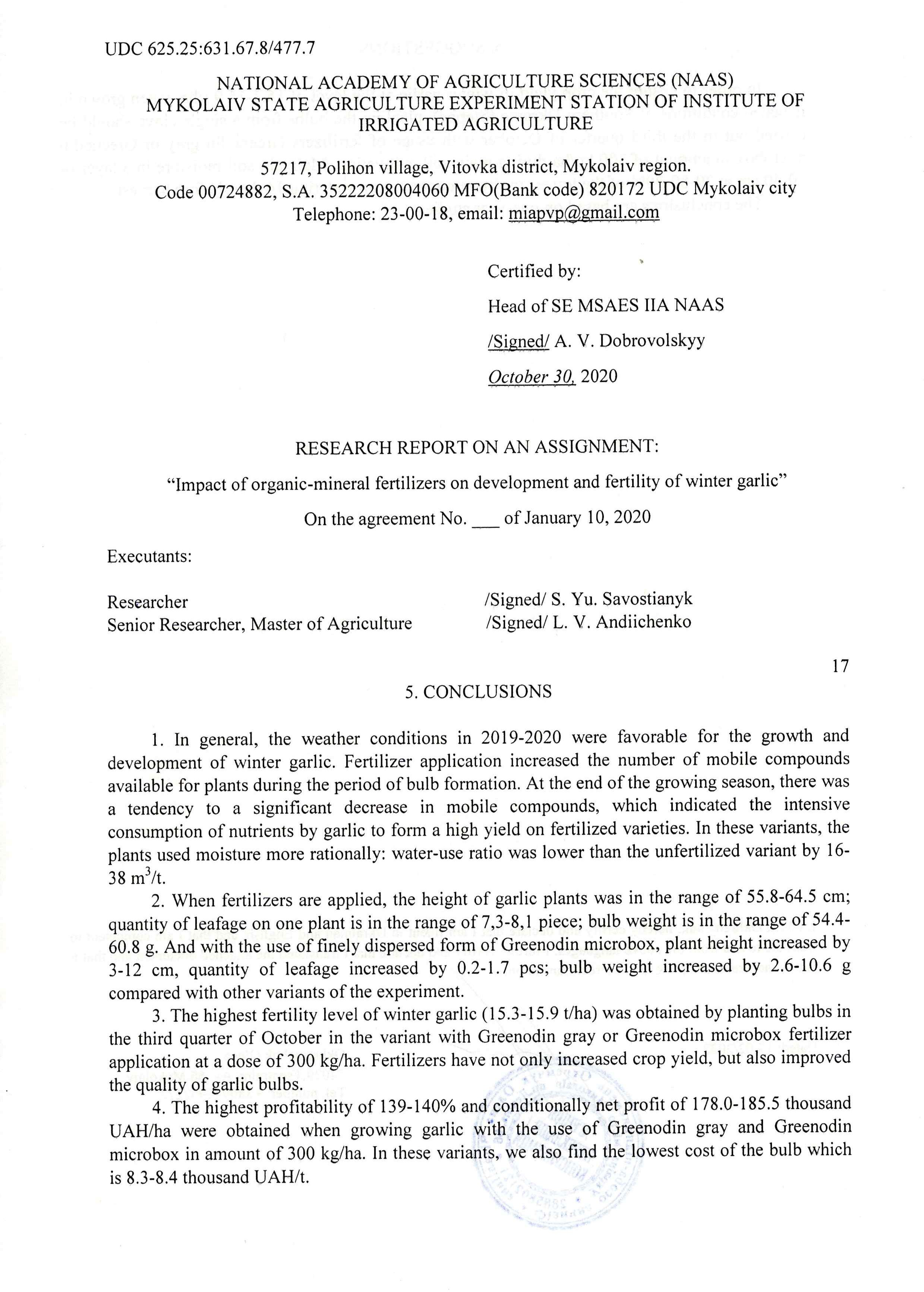
 ЮТЦ Спельта озима 2016 рiк Greenodin
 ЮТЦ Спельта озима 2016 рiк Greenodin
Leave a Comment