Fertilizers for Wheat
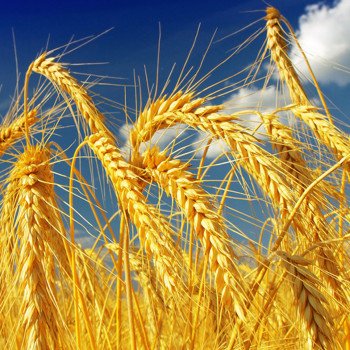
Soil preparation and features of preparation for sowing winter or spring wheat
Soil preparation and the specifics of preparing for the sowing of winter or spring wheat depend on various factors, especially the harvest dates and the types of preceding crops. It is generally accepted that there should be at least three weeks (21 calendar days) between harvest and the new wheat sowing. During this period, it is important to preserve the fertile soil layer, including its moisture and beneficial microorganisms.
For this purpose, after the harvest of the preceding crop, the soil is fertilized with organic products GREENODIN BLACK or GREENODIN GRAY at a rate of 150 kg/ha. To accelerate the decomposition of crop residues, it is advisable to use the microbial decomposer EKOSTERN at a rate of 1.5 l/ha to prepare a working solution of 150 l/ha.
Next, cultivation is carried out to a depth of up to 5 cm, which helps reduce moisture loss and destroy weed vegetation. After spring cereal crops, one or two disc stubble harrowings are usually performed with a 2-3 week interval. Single disc harrowing is done after the cultivation of annual crops, while double disc harrowing is done for the development of perennial weeds. Considering the goals of organic farming and the use of cultivation instead of disc harrowing, the same depth is maintained as during the first cultivation, which is 5 cm. All plant residues are considered green manure.
Both winter and spring wheat cultivation require sufficient nutrition. The previously applied organic fertilizers, combined with crop residue decomposers and their by-products, ensure adequate nutrition. The presence of nitrogen-fixing, phosphorus- and potassium-producing microorganisms, which have already developed by the time of sowing, provides the soil with an adequate supply of nitrogen, phosphorus, and potassium.
Classic and soil-unsafe wheat cultivation
The classic and dangerous cultivation of wheat for the soil, aiming to achieve a planned yield of 50 quintals per hectare, requires the plants to consume specific nutrients from the soil. The recommended nutrient levels for nitrogen, phosphorus, and potassium are 175 kg, 65 kg, and 90 kg per hectare, respectively. On fertile soils, the optimal pH level should be between 6 and 7. Previously, it was considered most effective to apply nitrogen fertilizers in split doses, which consisted of a base dressing used during wheat sowing and additional fertilizers applied according to the plant's growth stages.
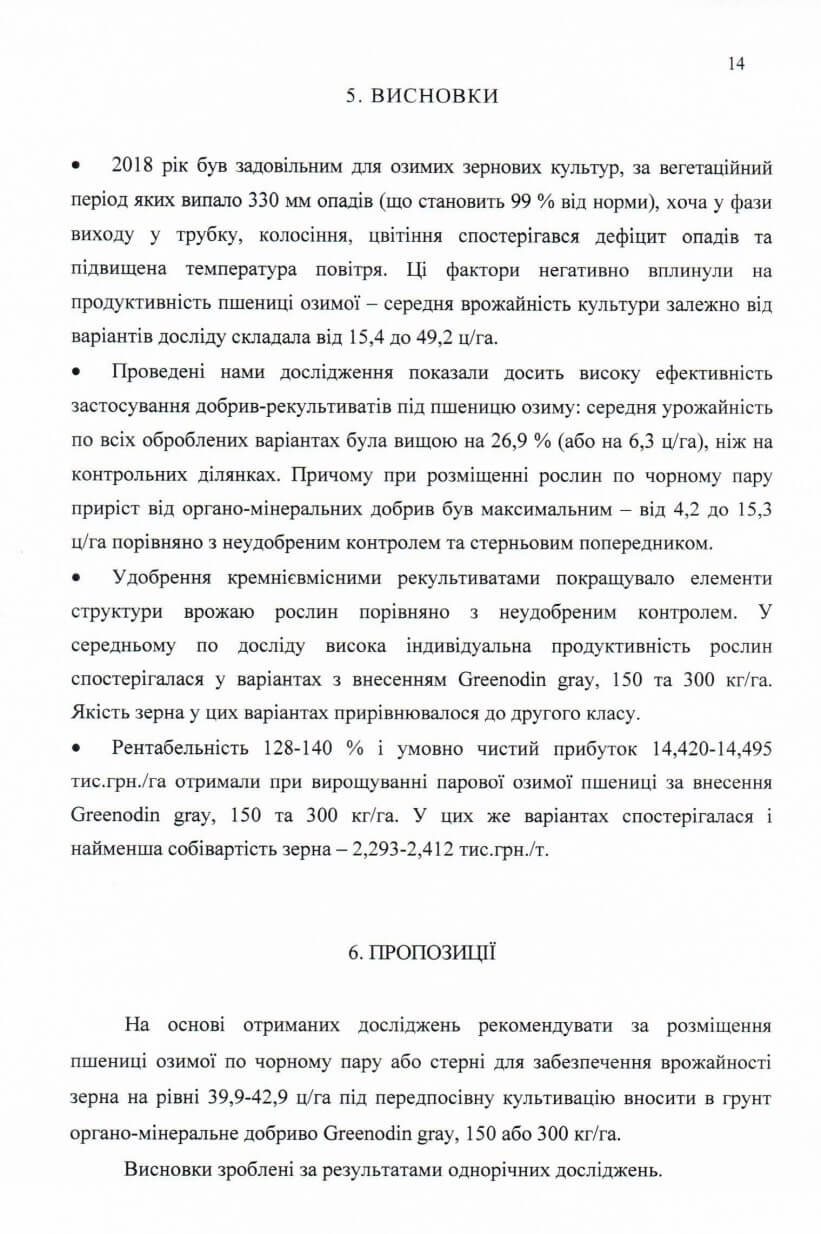
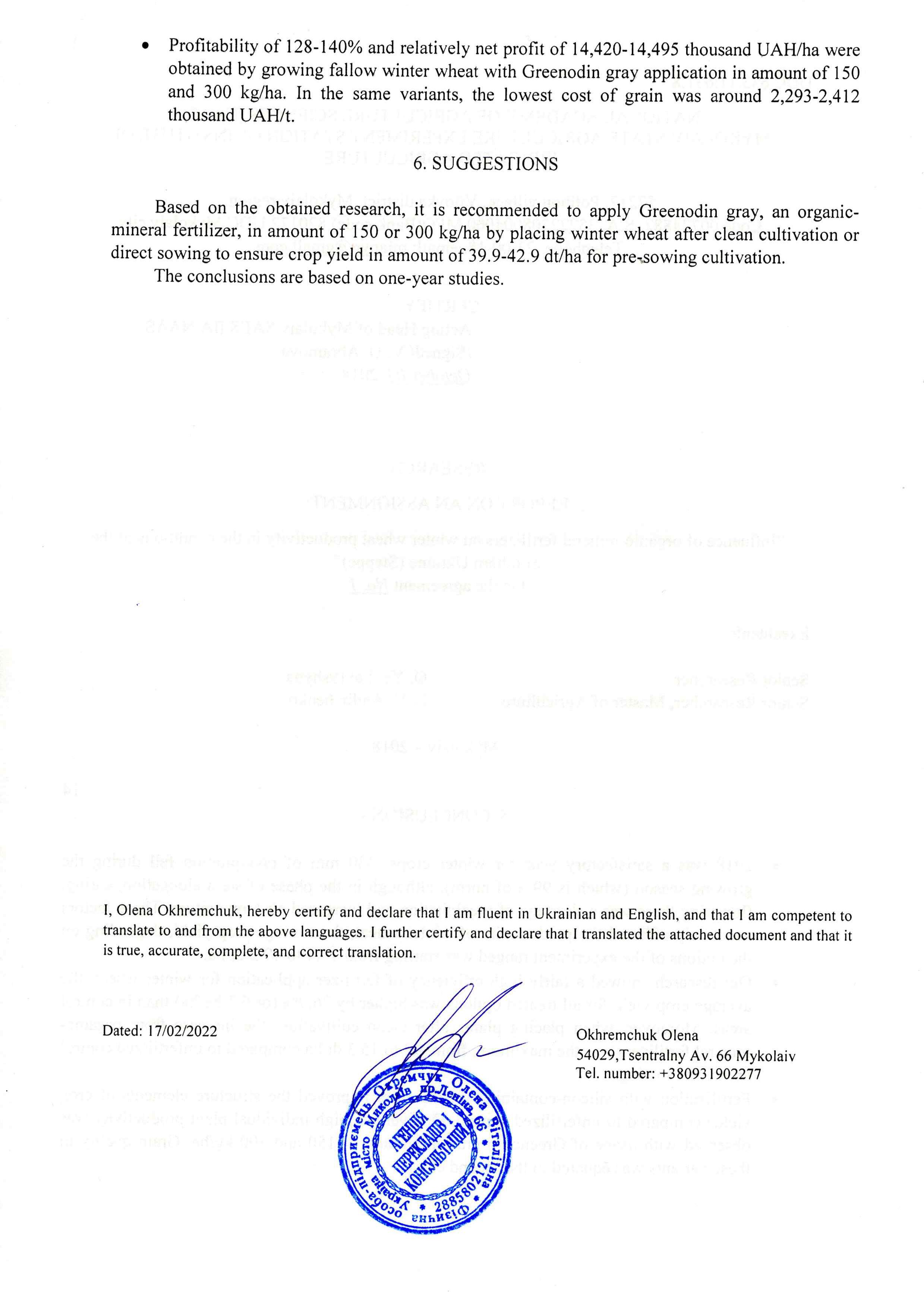
This challenge has been successfully addressed through soil preparation and the application of well-balanced complex fertilizers GREENODIN at a rate of 250 kg/ha.
Technological map of winter grain fertilizers in organic farming
The technological fertilization chart for winter cereals in organic farming can be outlined as follows:
- Before sowing:
- Seed treatment: Apply 2 liters per ton of HELPROST® Seed, diluted in a working solution of 10 liters of water.
- Mycorrhizal inoculation: Apply 1.5 liters per ton of MIKOFREND® (Mycorrhiza), diluted in a working solution of 10 liters of water.
- During sowing: Apply 250 kg/ha of GREENODIN BLACK or GREENODIN GRAY, which contain nitrogen-fixing, phosphorus, and potassium-producing microorganisms. Enhance soil treatment with the organic product GROUNDFIX, at a rate of 5 liters per hectare, diluted in a working solution of 150 liters per hectare, using the solution for soil enrichment.
- Early spring vegetative stage:
- Apply LEPIDOCID-BTU®-r bioinsecticide at a rate of 7 liters per hectare, diluted in a working solution of 200 liters per hectare.
- Apply MIKOHELP® biofungicide at a rate of 3 liters per hectare in a 300-liter solution of water.
- Apply AZOTOFIT-R® growth stimulant at a rate of 0.5 liters per hectare in a 300-liter solution of water.
- Tillering stage:
- Repeat the application of LEPIDOCID-BTU®-r bioinsecticide at a rate of 7 liters per hectare, diluted in a working solution of 200 liters per hectare.
- Repeat the application of MIKOHELP® biofungicide at a rate of 3 liters per hectare in a 300-liter solution of water.
- Repeat the application of AZOTOFIT-R® growth stimulant at a rate of 0.5 liters per hectare in a 300-liter solution of water.
- Add LIPOSAM® adjuvant at a rate of 0.5 liters per hectare in a 300-liter solution of water.
- During the heading and ripening stages:
- Apply FITOHELP® biofungicide at a rate of 0.8 liters per hectare in a 300-liter solution of water.
- Add LIPOSAM® adjuvant at a rate of 0.5 liters per hectare in a 300-liter solution of water.
Technological fertilization chart for spring cereals in organic farming
The technological fertilization chart for spring cereals in organic farming differs significantly due to various seasonal conditions and specific properties of the crops. When growing spring wheat, the application of fertilizers occurs at the same stages, but there are several key differences:
- Self-pollination ability: Spring wheat has the ability to self-pollinate.
- Weak root system: Spring wheat has a less developed root system, resulting in poor nutrient absorption.
- Susceptibility to low temperatures: Seedlings that have germinated at air temperatures ranging from 4 to 7 degrees Celsius can only tolerate brief periods of temperature drops to -10 degrees Celsius.
- Vulnerability to weed competition: Spring wheat is prone to weed suppression.
- Moisture requirements: Spring wheat has higher moisture requirements, with a minimum soil moisture level of 65%.
- Susceptibility to drought: Spring wheat is more susceptible to drought stress.
An important rule is to apply GREENODIN BLACK or GREENODIN GRAY fertilizer at a rate of 150 kg/ha after the preceding crop has been removed. This should be supplemented with the application of EKOSTERN, a microbiological residue destructor, at a rate of 1.5 liters per hectare in a working solution of 150 liters per hectare.
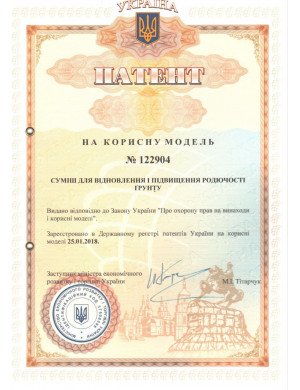
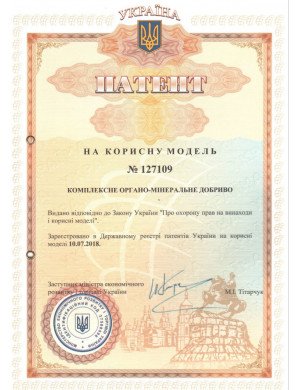
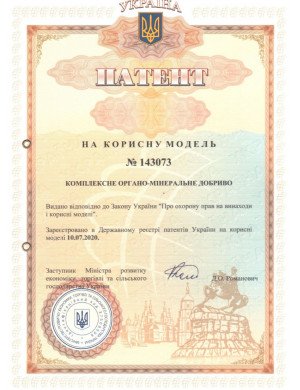
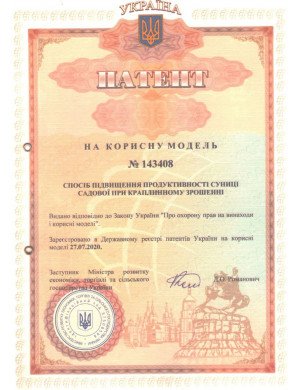
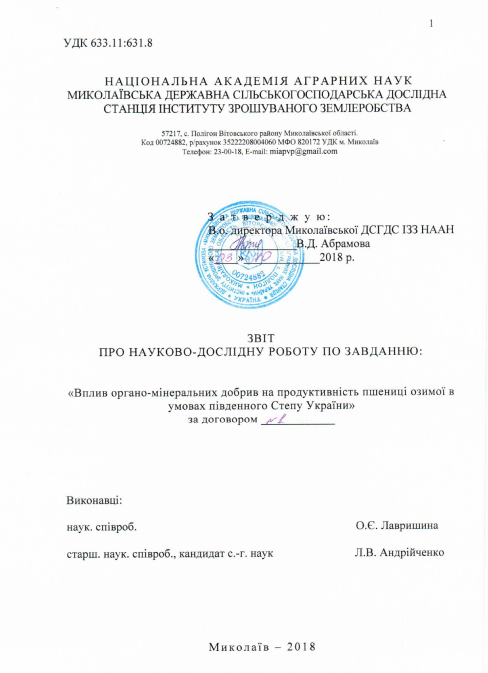
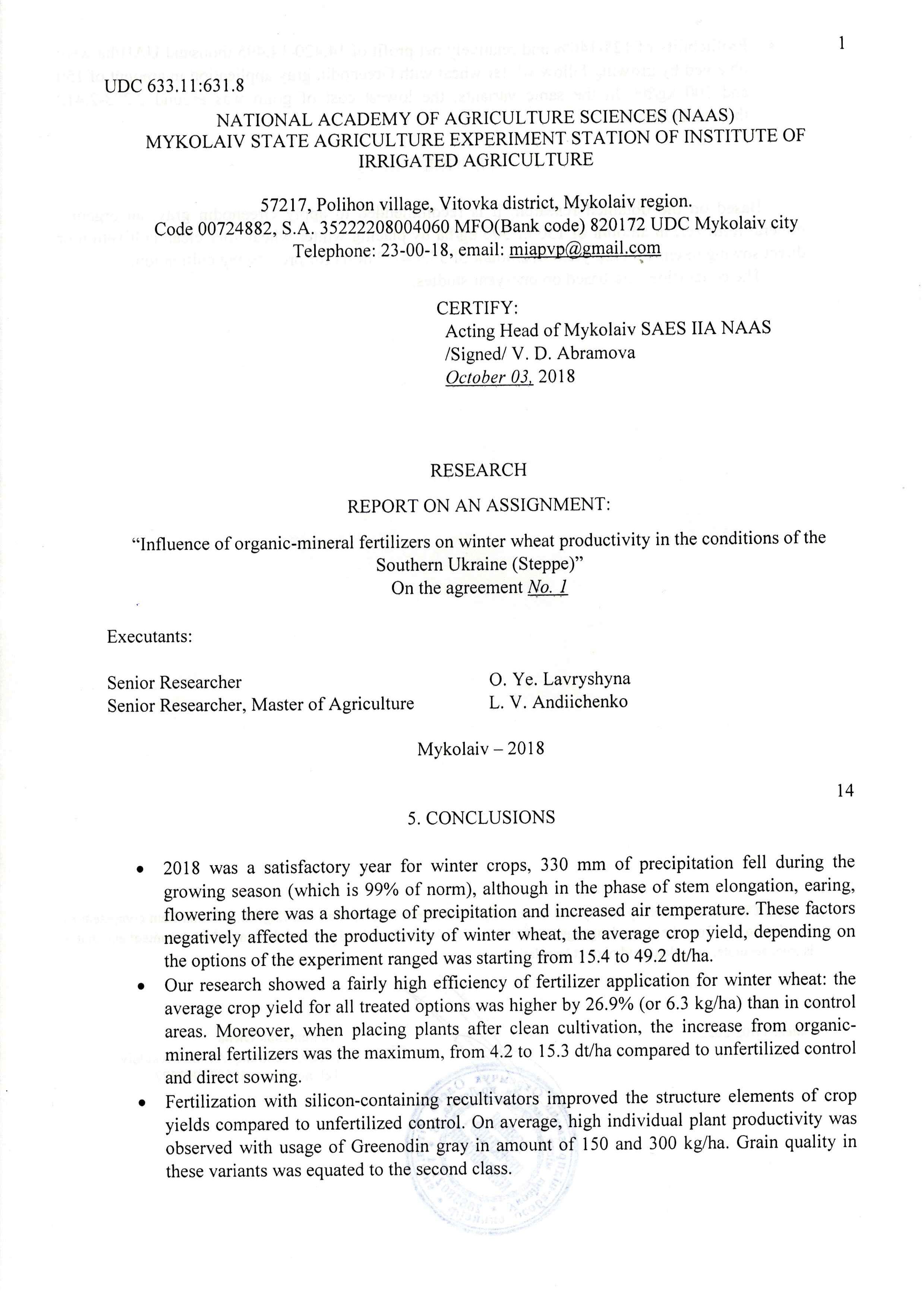
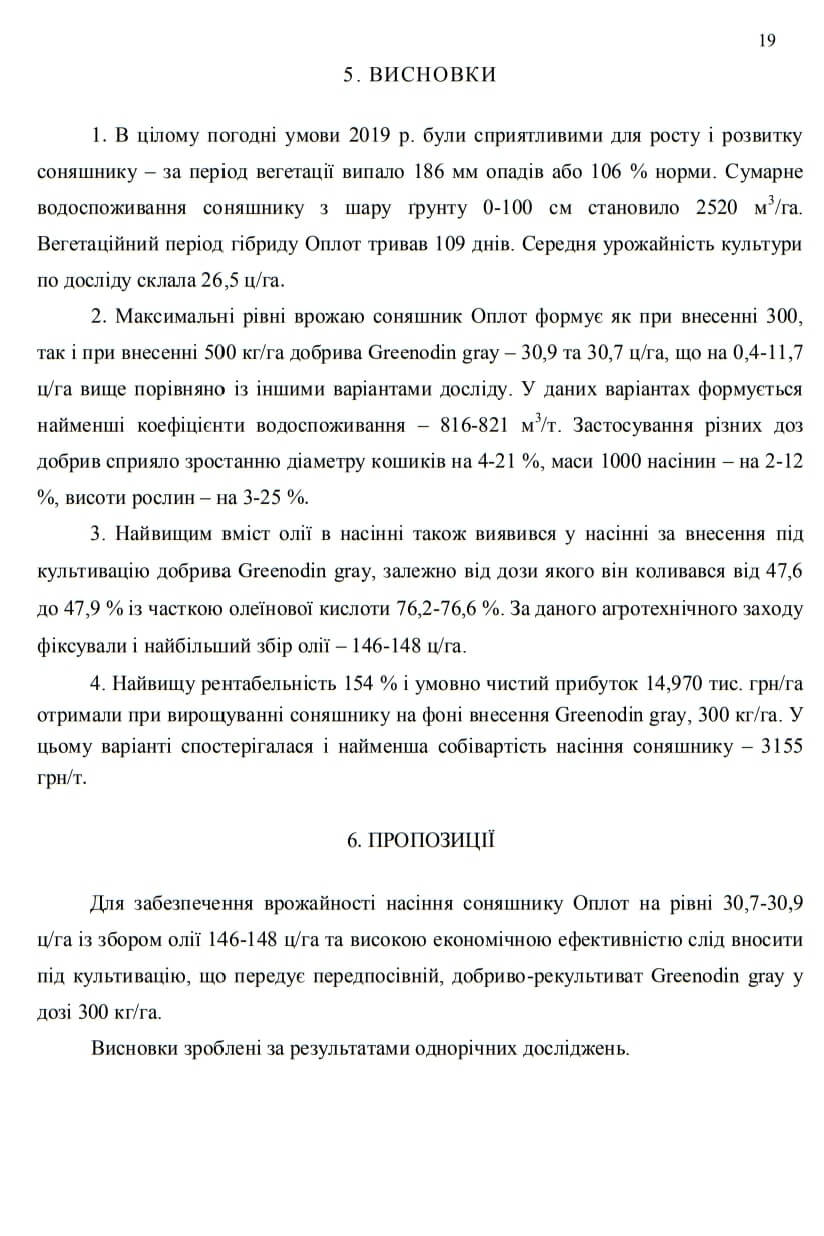
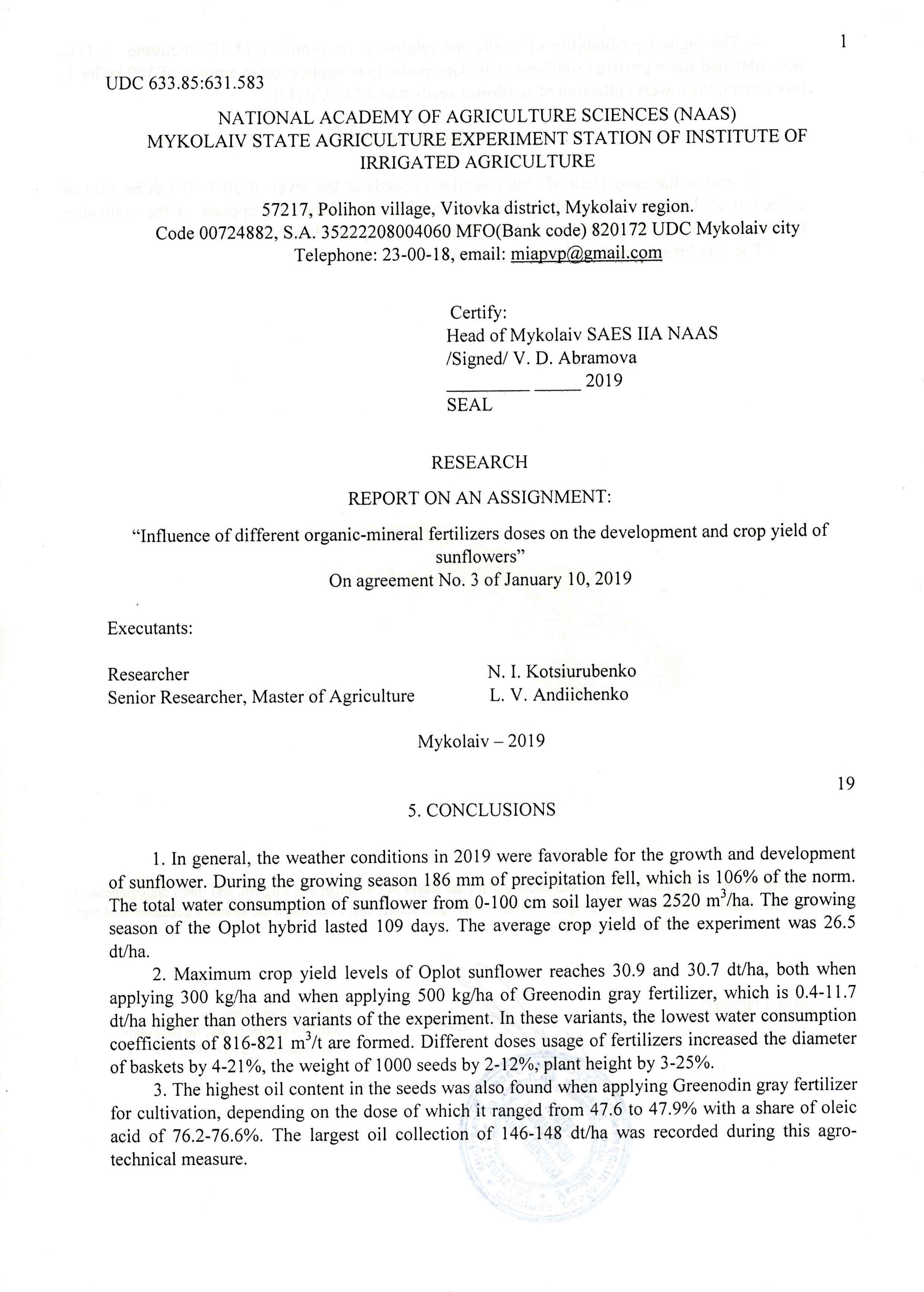
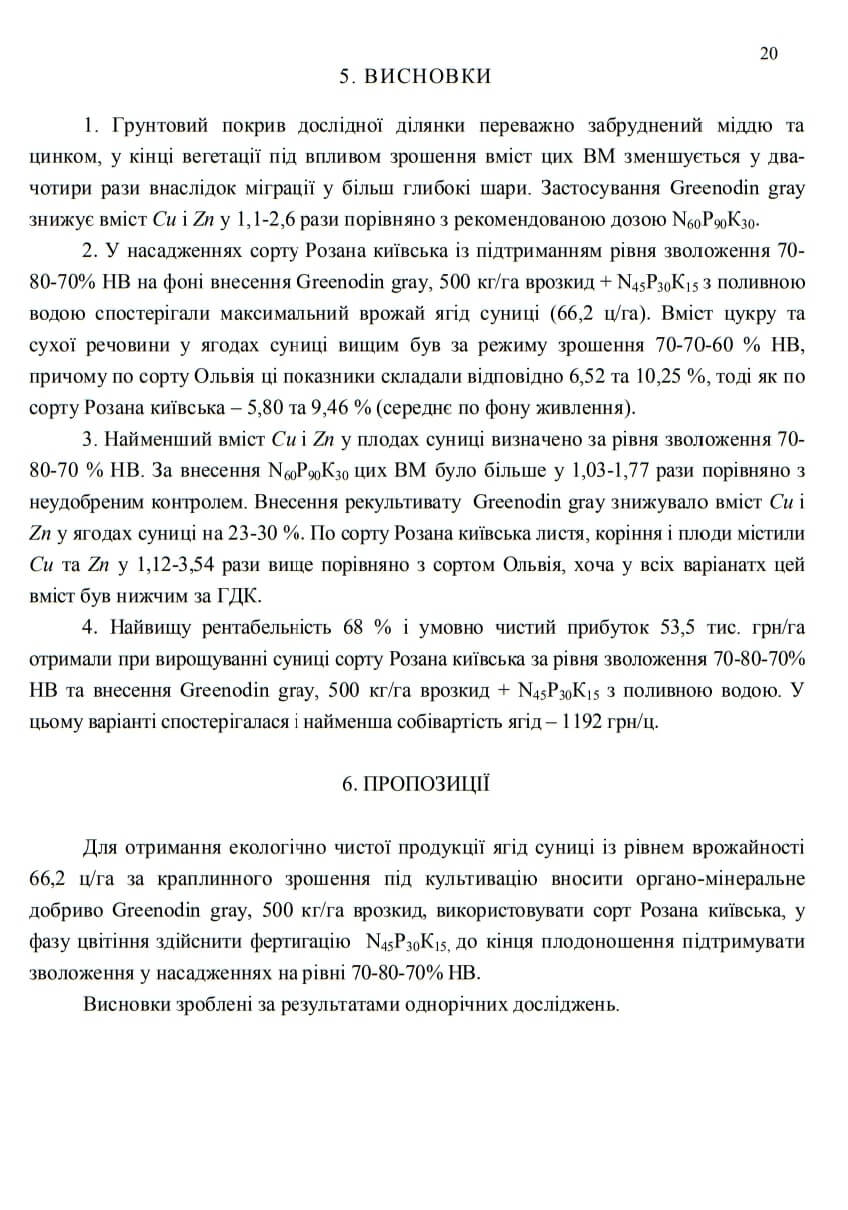
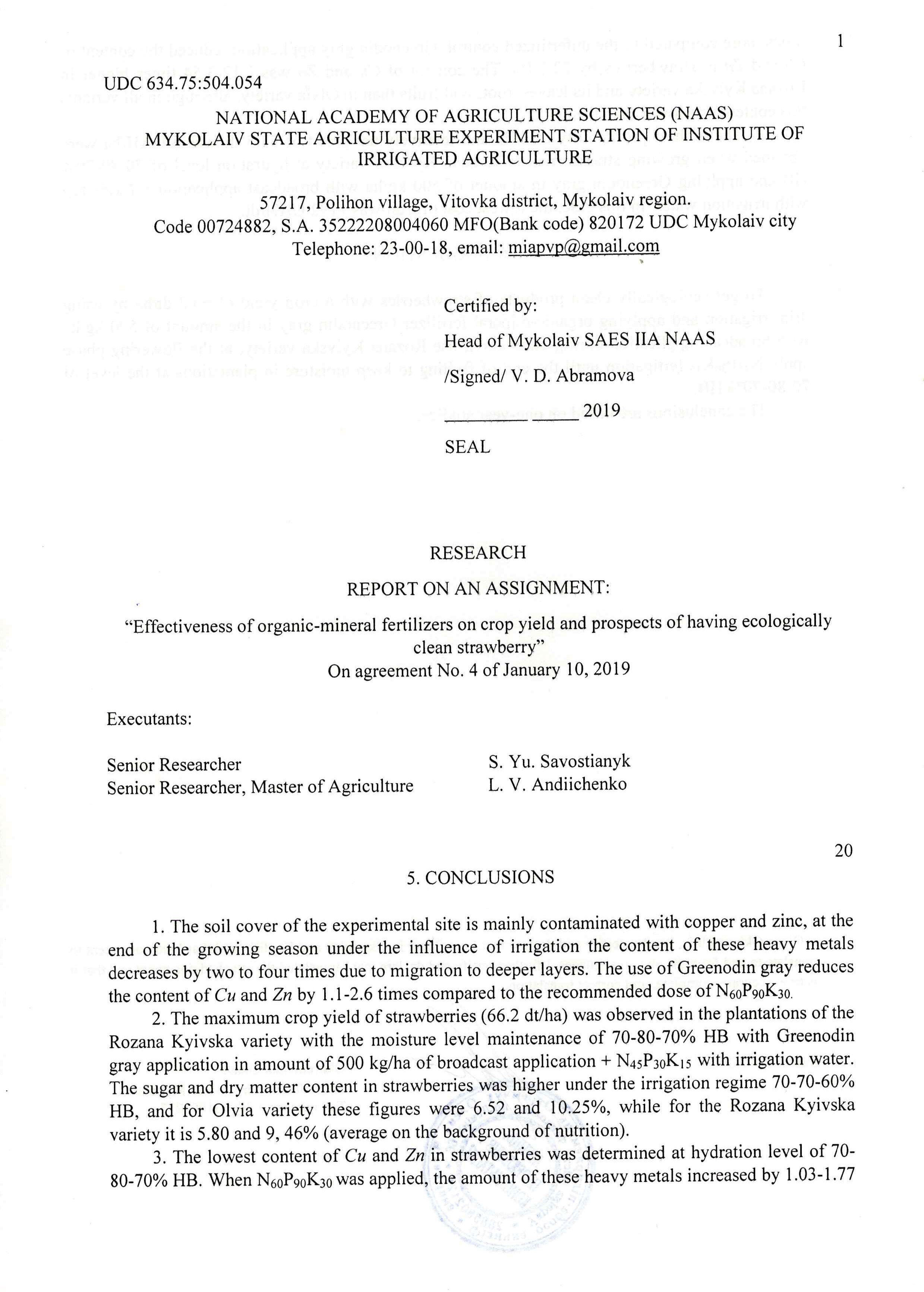
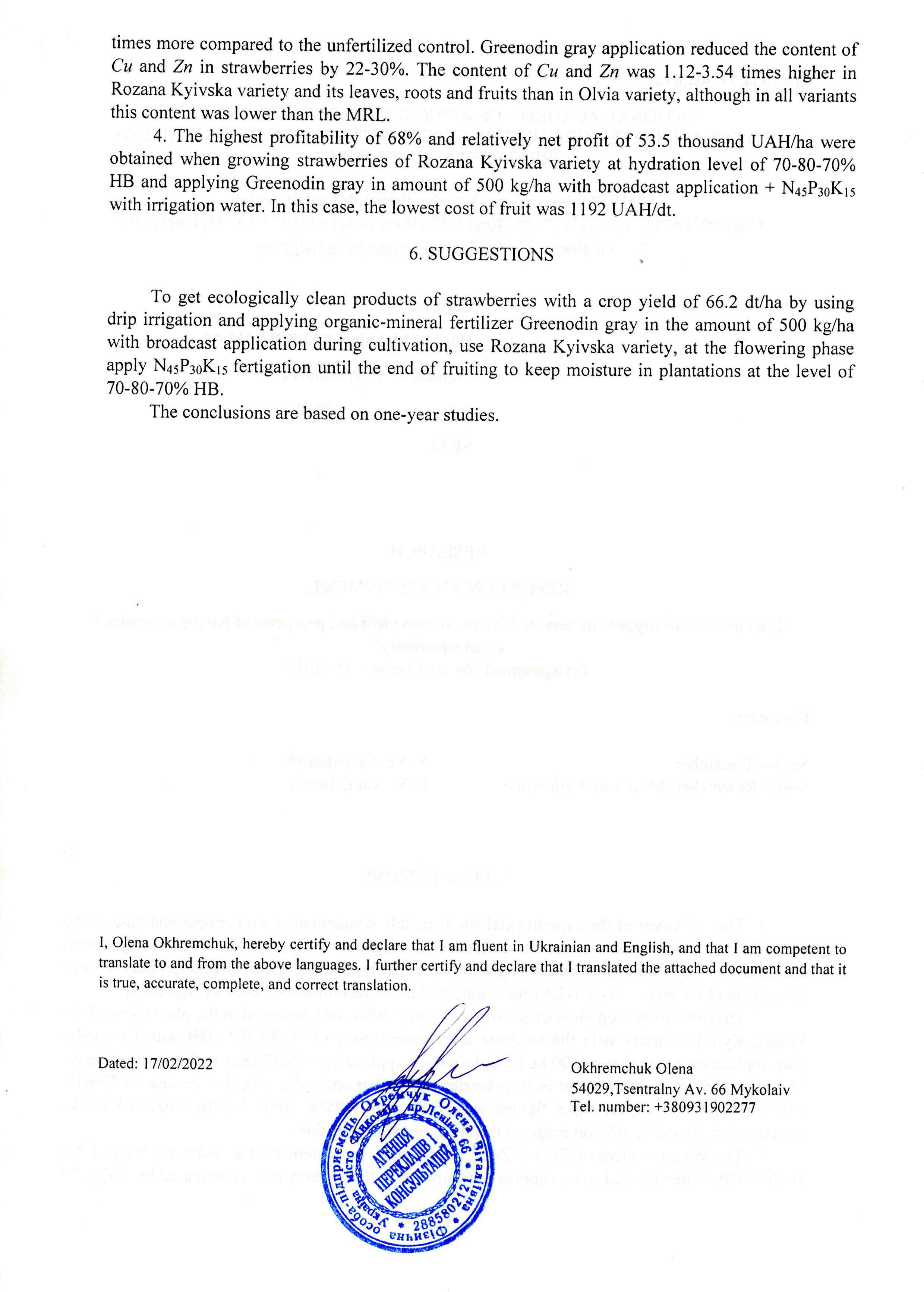
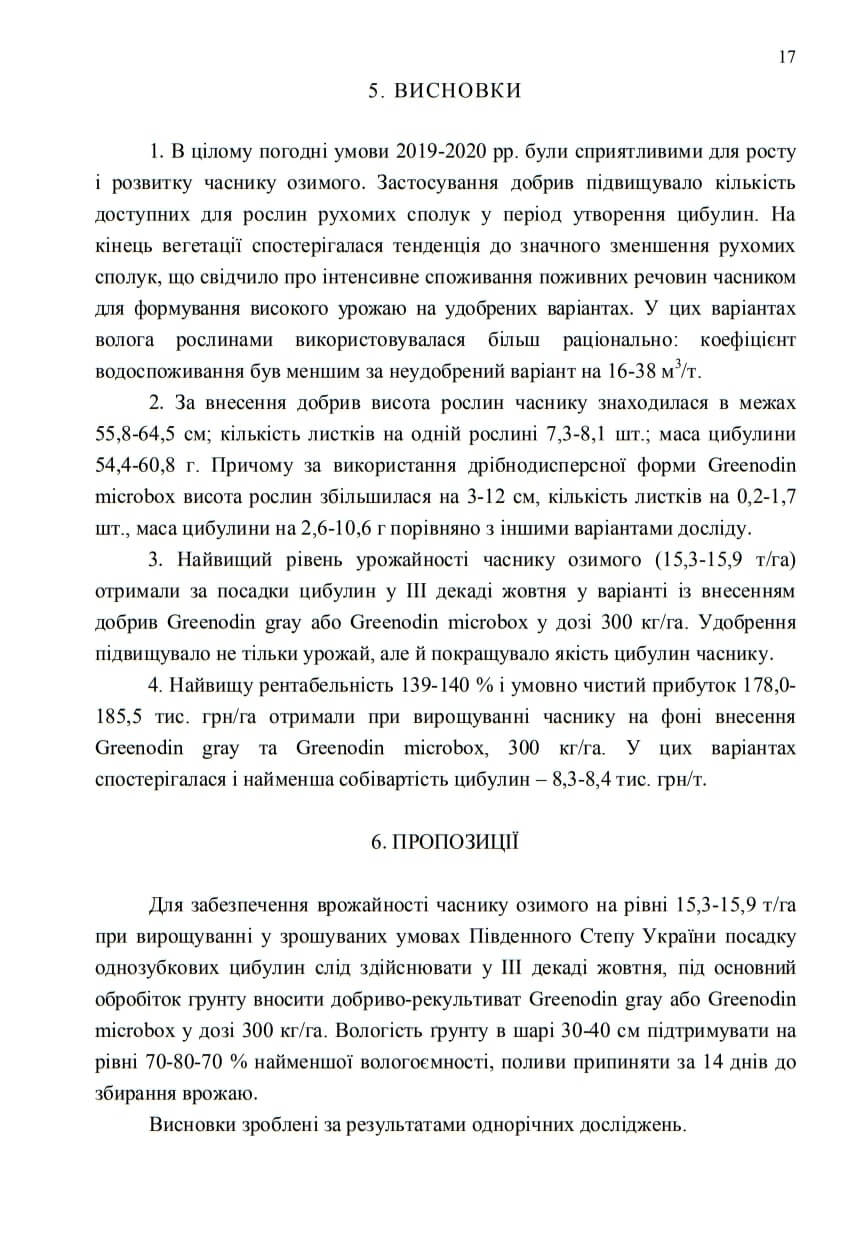
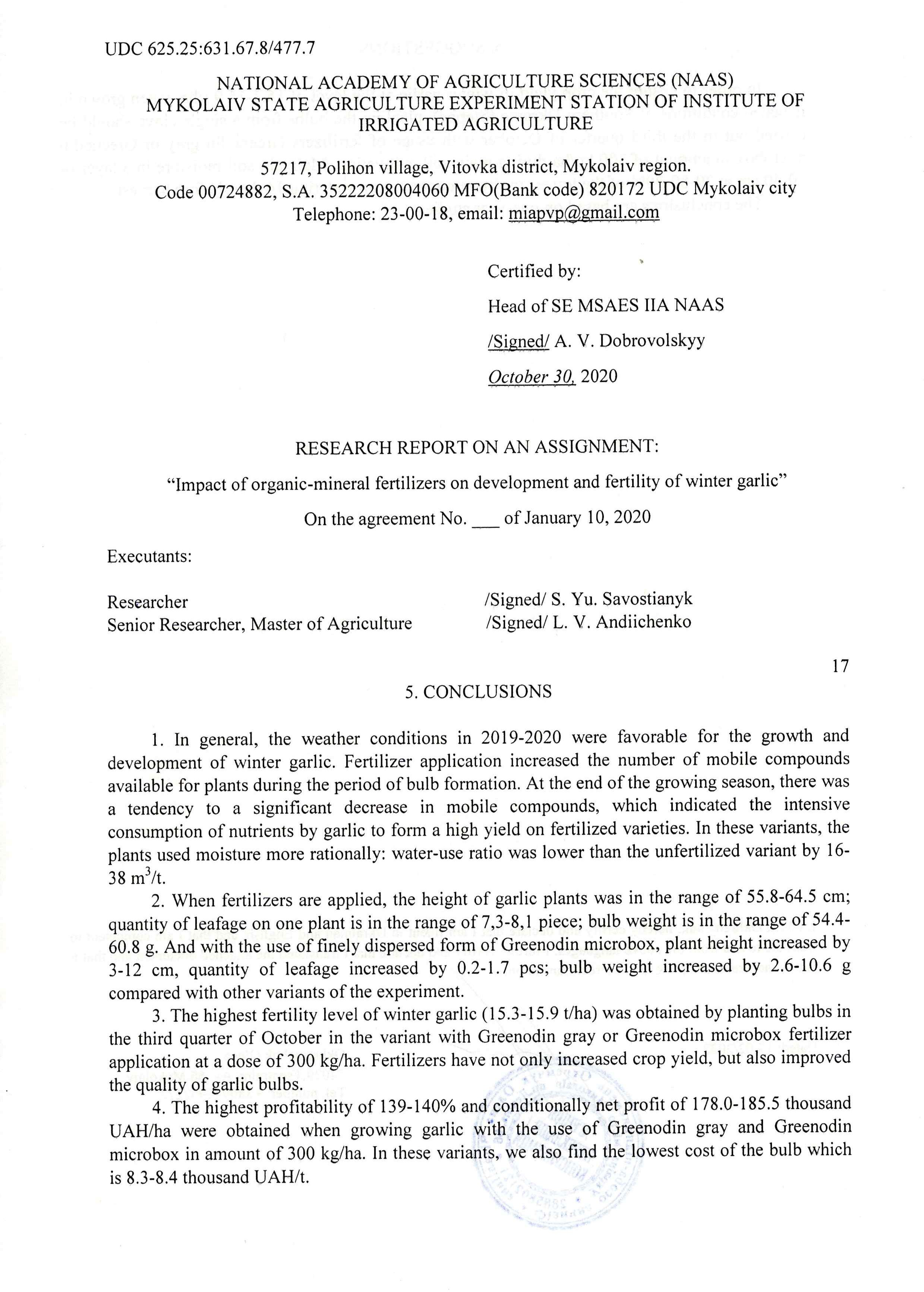
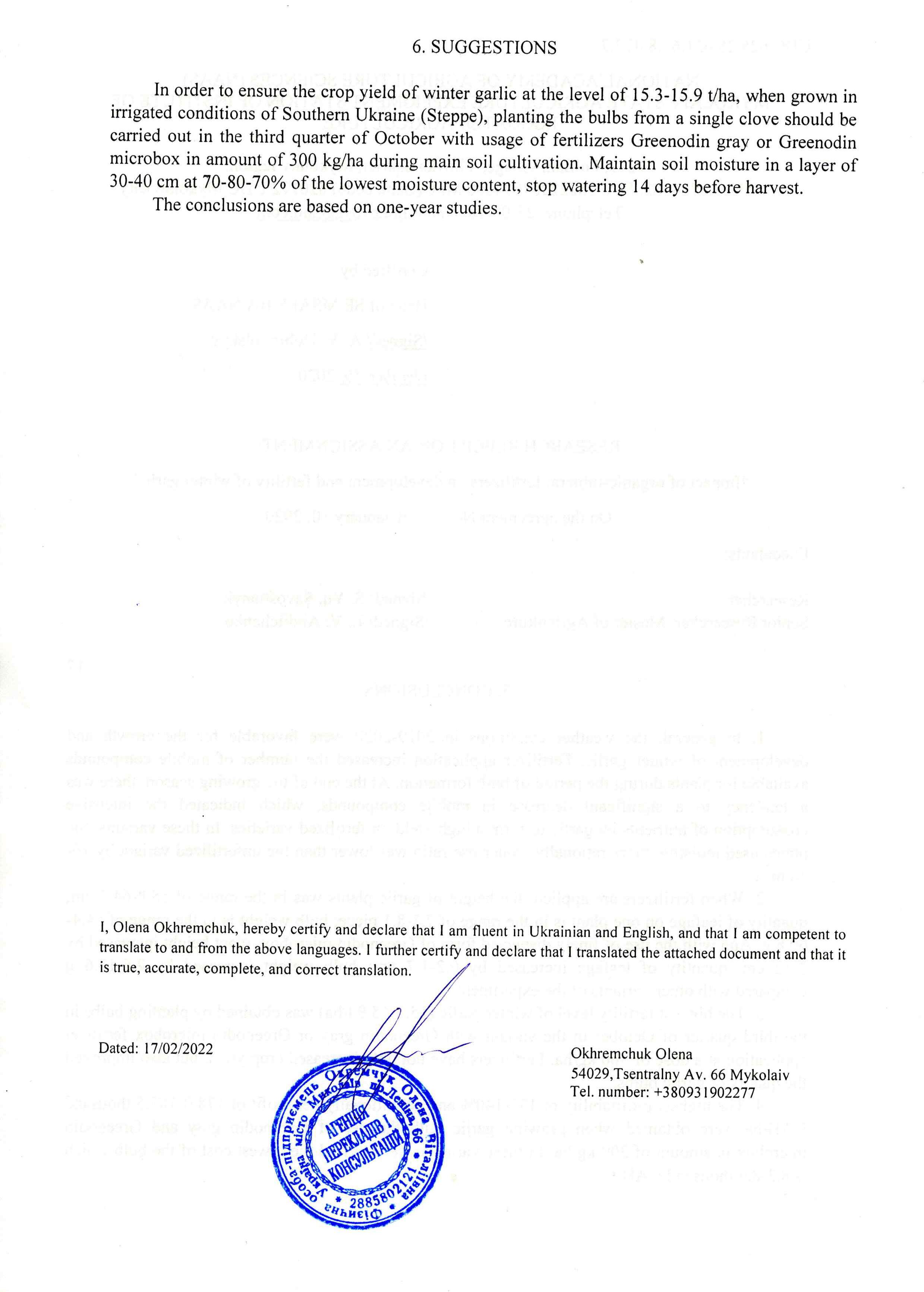
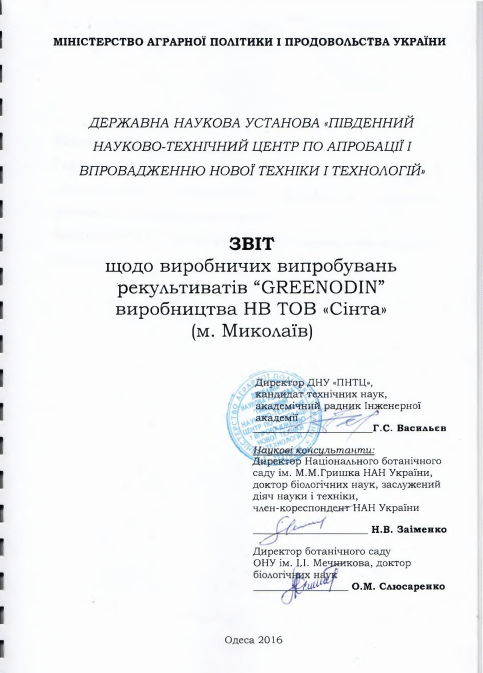
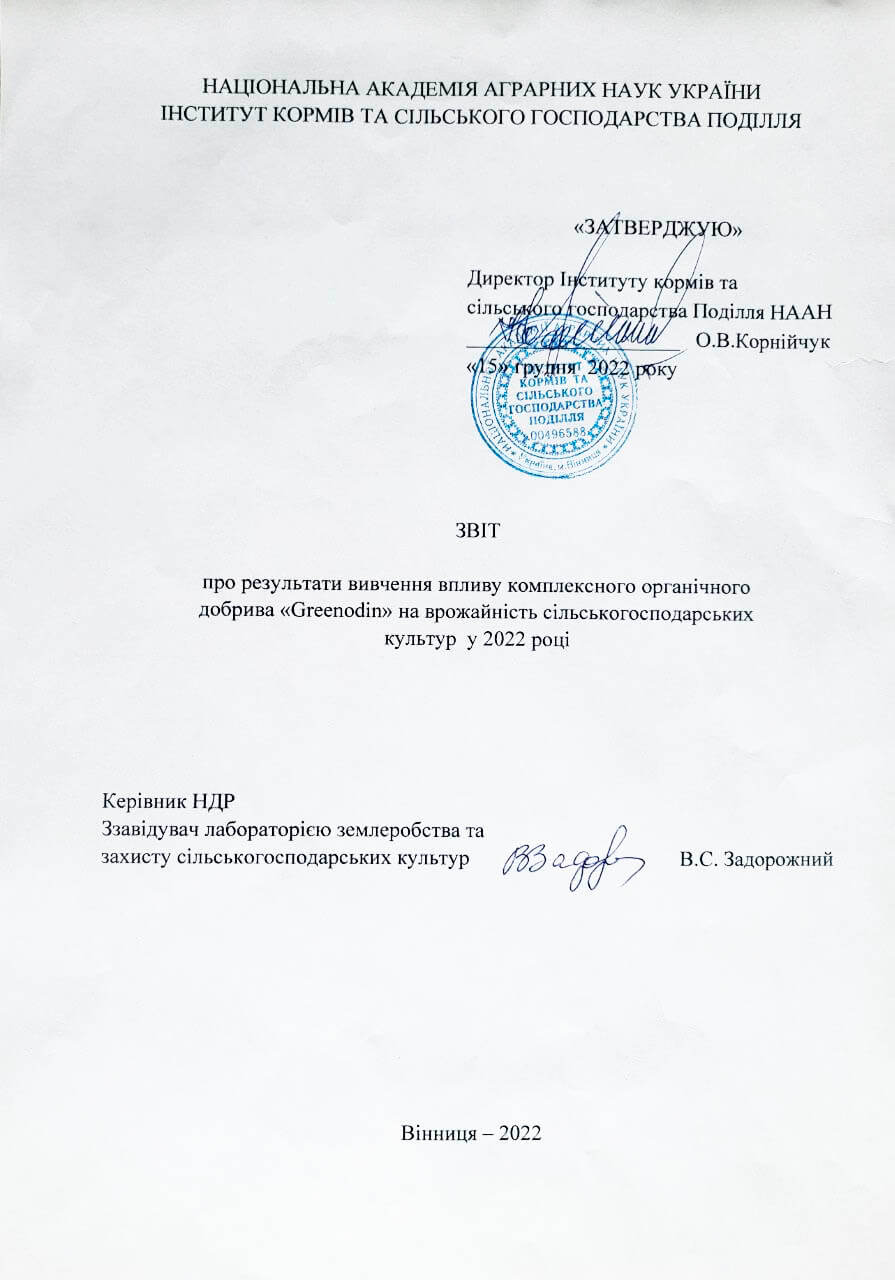
Excellent proven innovative organic fertilizer for wheat brand GREENODIN. ЭThese fertilizers are protected by patents and certified Organic Standart. They were developed according to the environmental requirements of the global market and meet European standards №834/2007 и №889/2008.
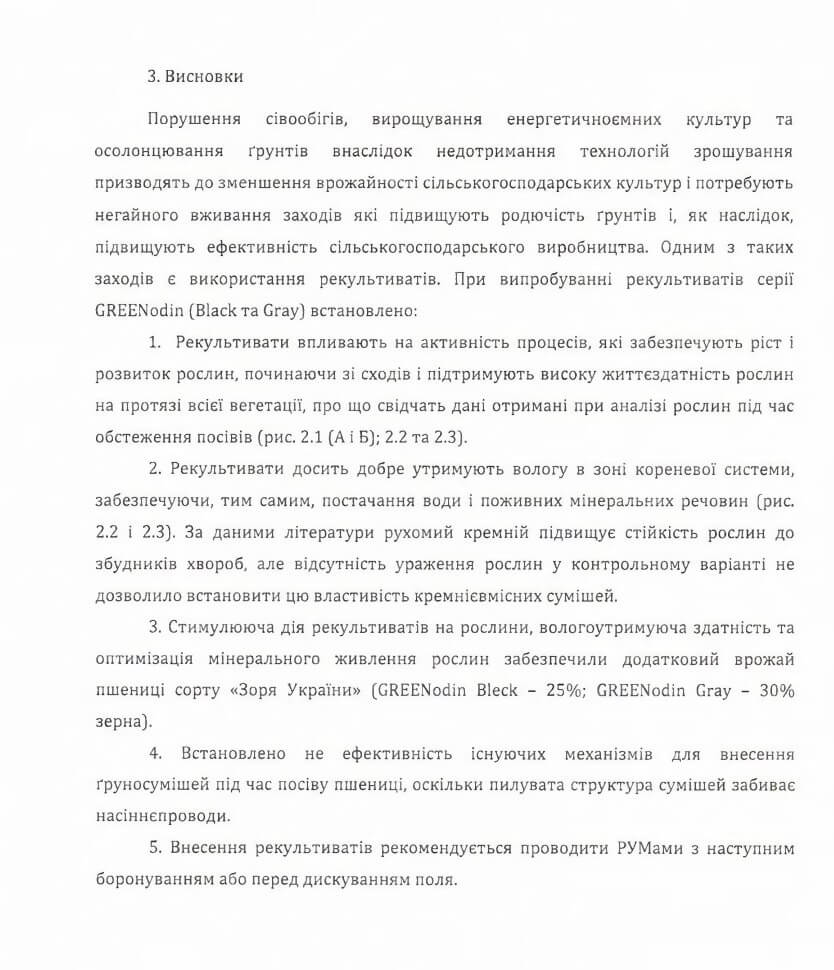
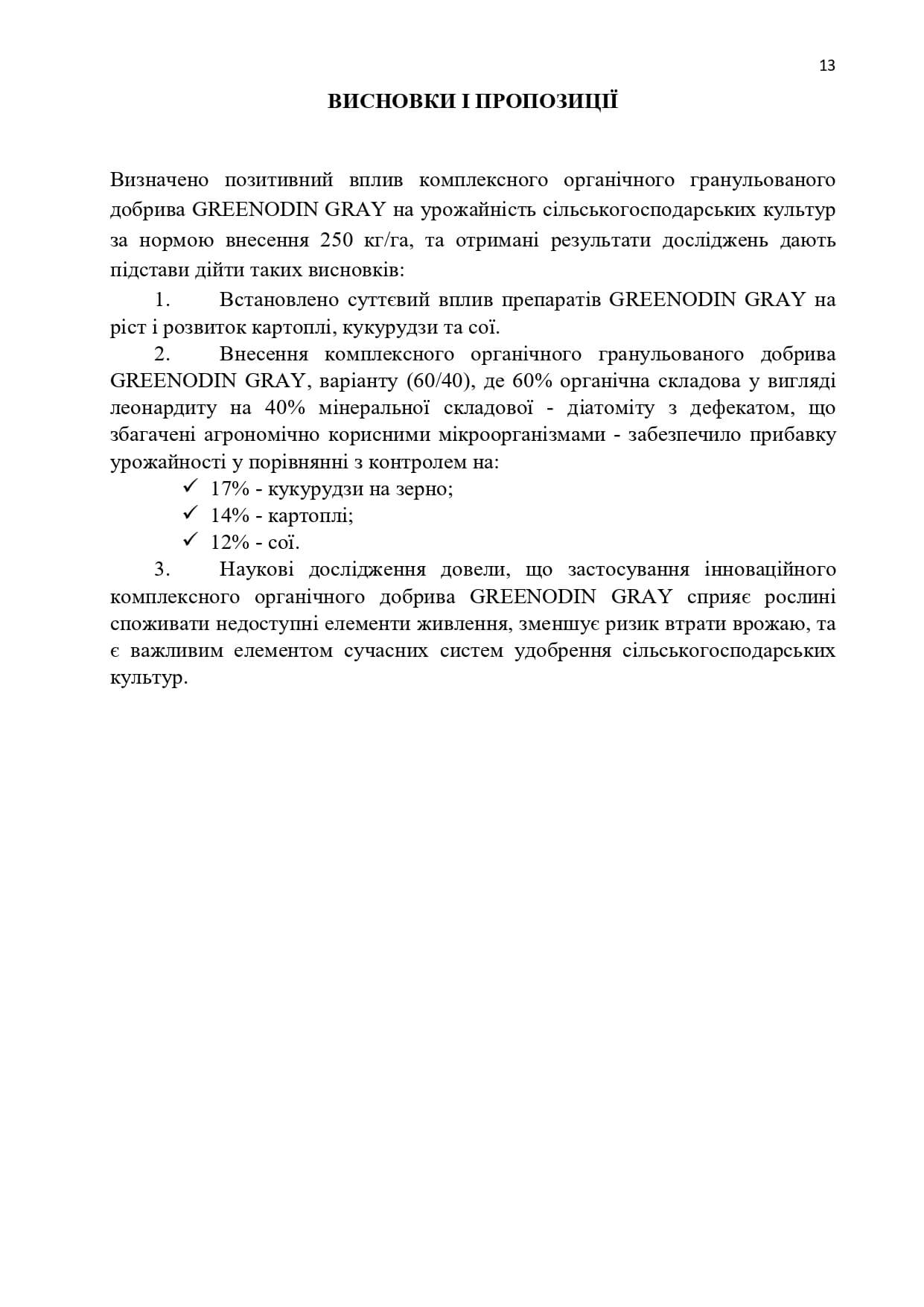
The use of these fertilizers allows you to create the ideal conditions for the cultivation of wheat due to the enrichment of the minimum rates and betraying the soil increased fertility! A wide range of complex organic fertilizers GREENODIN provides the right acidity and allows you to turn any soil into an ideal for growing wheat. For Ukrainian soils, depending on the acidity, use GREENODIN BLACK or GREENODIN GREY
Unique properties of organic fertilizer for wheat TM GREENODIN


Protective bacteria Bacillus Subtilis

Thermal protection of plants
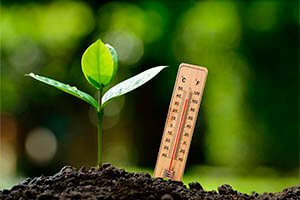
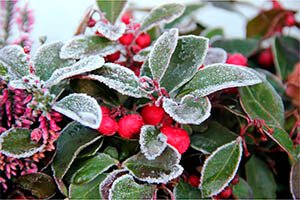
Biochemical plant protection
Root formation
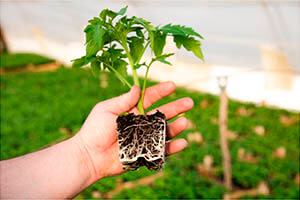
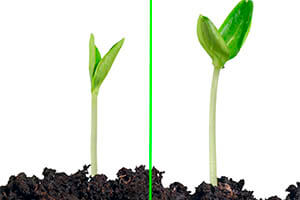
Growth acceleration
Saturated bright color

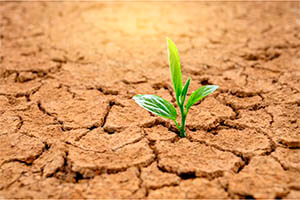
Drought tolerance
Why customers consider GREENODIN the best wheat fertilizer
Based on our customer feedback, we have compiled a list of reasons why our customers rated GREENODIN as the best fertilizer for wheat