Fertilizers for sugar beet
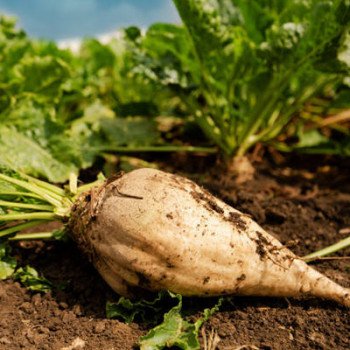
Organic fertilizers from GREENODIN for successful sugar beet cultivation improve soil structure, increase nutrient content, promote the active life of soil microorganisms, and improve soil water and air regimes.
In addition, bacterial fertilizers or the bacterial component of complex organic fertilizers significantly increase the population of soil microorganisms, which in turn provide nutrients to the plant through the products of their own life activity and the activation of macro- and micronutrients:
Nitrogen (N) enhances the growth and development of sugar beets. Plants meet their nitrogen needs after fixation from the atmosphere, and for this purpose, the content of nitrogen-fixing bacteria in GREENODIN is sufficient.
Phosphorus (P) stimulates the development of the root crop, which is the basis for a good harvest. Phosphorus-producing bacteria included in the composition of GREENODIN help to achieve this task.
Potassium (K) affects soil moisture and creates a mutually reinforcing effect with amorphous silicon. Potassium in combination with silicon actively affects yield, increases seed mass and nutrient content, promotes nitrogen fixation, and also enhances resistance to any disease and stress factors. All this is reinforced by the favorable effects of potassium-producing bacteria in GREENODIN GRAY and BTU-Center preparations.
Calcium (Ca) improves soil structure, assimilation of other elements, and development of the root system, and is part of the composition of GREENODIN. Calcium participates in hormonal reactions and, together with silicon, in the formation of sugar beet plant cell walls, is necessary throughout the entire vegetative period, especially during the period of root formation.
Magnesium (Mg) affects increased yield, chlorophyll content, and sugar beet resistance to diseases, and also promotes enzymatic processes and sugar accumulation.
Boron (B) stimulates the growth points of young sugar beets, including through the supply of nitrogen, and even stimulates the ripening process.
Zinc (Zn) activates a number of enzymes, participates in the nitrogen metabolism of sugar beet;
Manganese (Mn) activates enzymes, synthesizes chlorophyll and photosynthesis, in general;
Molybdenum (Mo) promotes the growth of sugar beet root crops by activating nodular bacteria and accelerating vegetation. It is localized in young plant organs, increasing the quantity and quality of crop yields.
In traditional sugar beet cultivation, it is recommended to introduce winter wheat, for example, as a predecessor to sugar beet, and to apply manure at a rate of 25 t/ha, while in crop rotations with leguminous crops, manure is applied directly to sugar beet at a rate of 35 t/ha. In arid regions, the manure rate is increased to 45 t/ha.
Sugar beet is the primary crop for organic fertilizers in this area. It is advisable to apply manure before plowing without a break between spreading and plowing. Simultaneous use of straw with manure significantly replenishes the soil with organic matter and Bacillus Subtilis, which together contribute to soil formation.
Meanwhile, the evolution of organic farming and organic fertilizers themselves for the current period make it possible to achieve similar results when using complex organic fertilizers TM GREENODIN.
Technology of sugar beet cultivation with GREENODIN
TECHNOLOGICAL CHART GREENODIN and auxiliary preparations - organic sugar beet cultivation
| Solution | Soil treatment | Pre-sowing treatment of seeds | 2-3 pairs of real leaves | 4-5 pairs of real leaves | Closing the rows in the interrows | Plant remains |
| GREENODIN GRAY
+ Auxiliary (BTU-Center) | GREENODIN
GRAY 250 kg/ha + Graundfix >5 l/ha | HelpRost 2.0 l/t + Міcоhelp 4.0 l/t + Аzotofit-r 1,5l/t + Liposam 0,5l/t | HelpRost 1.5 l/ha + Organic-Balance 0,5 l/ha + Lepidocid 5.5 l/ha> + Bitoksibacilin-BTU 8 l/ha + Міcоhelp 2 l/ha + Аzotofit-r 0.5 l/ha + Liposam 0.5 l/ha | HelpRost/Soya 1.5 l/ha> + Humifrend 0.5 l/ha + Lepidocid 5.5 l/ha + Actoverm formule 5 l/ha + Міcоhelp 2 l/ha + Аzotofit-r 0.5 l/ha + Liposam 0.5 l/ha | Humifrend 0.5 l/ha + Lepidocid 5.5 l/ha + Actoverm formule 5 l/ha + Fitohelp 0.7 l/ha + Аzotofit-r 0.5 l/ha + Liposam 0.5 l/ha | GREENODIN GRAY 150 kg/ha + Ecostern 1,5 l/ha |
The application of complex fertilizers GREENODIN depends on the soil type, ranging from weakly acidic to weakly alkaline, and soil indicators, including organic matter content. The average recommended application rate ranges from 80 kg/ha to a maximum of 250 kg/ha, with a typical rate of 150 kg/ha. The fertilizer has a cumulative effect, so reapplication is recommended at a reduced rate of 20% to reach the minimum rate of 80 kg/ha.
Auxiliary preparations produced by BTU-Center have a synergistic effect when used together with GREENODIN due to the presence of active silicon, which acts as an accumulator and inhibitor of beneficial substances, as well as the presence of beneficial agronomic bacteria. All products are certified by Organic Standards and recommended for use in organic farming.
Sugar beet feeding
GREENODIN GRAY operates by promoting the development of beneficial microorganisms in the soil, particularly in close proximity to the sugar beet roots. These microorganisms activate and facilitate the uptake of essential micronutrients such as boron, copper, manganese, zinc, molybdenum, and cobalt.
Iron and magnesium, which play a vital role in chlorophyll synthesis, as well as manganese and molybdenum, crucial in the oxidative system of photosynthesis, are also influenced by the action of GREENODIN GRAY. Zinc significantly affects electron exchange reactions, while copper is essential for respiration and photosynthesis.
In the case of sugar beets, boron is a critical element. It has a significant impact on root sugar content, actively participating in carbohydrate metabolism and the synthesis of cell wall materials. Boron deficiency leads to stunted growth, leaf twisting, and wilting.
Therefore, all the necessary nutrients are incorporated during the primary soil treatment and do not require separate attention for sugar beet fertilization.
Predecessors for sugar beets
Best predecessors for organic sugar beets are winter wheat and rye, which have gone through fallow or early harvested cover crops. It is important to properly prepare plant residues, straw, and stubble. Even better, combine them with the organic fertilizer GREENODIN GRAY at a rate of 150 kg/ha. If weeds appear after plowing, they should be controlled by surface cultivation and harrowing.
Soil for sugar beets
Sugar beet roots develop and yield in the plow layer of the soil. That's why timely and quality soil preparation is crucial for high root crop yields. The most favorable soil solution pH range for sugar beets is 6.5-7.5. For successful organic cultivation of sugar beets, we recommend using GREENODIN GRAY according to the application rates provided in the Technical Data Sheet. Primary soil tillage can be improved and semi-fallow can be considered.
Enhanced soil preparation involves two rounds of stubble cultivation. The first round is performed using disc stubble cultivators in two passes at an angle, reaching a depth of 5-6 cm. For the initial stubble cultivation, it is recommended to use heavy disc harrows such as BDT-3, BDT-7, and BDV-6, along with any plant residues used as organic fertilizer. This helps accelerate the decomposition of plant residues, reduce moisture evaporation, stimulate weed seed germination, and destroy or suppress weeds.
After 10-12 days, the second round of stubble cultivation is conducted using chisel cultivators such as PPL-5-25 and PPL-10-25, reaching a depth of 12-14 cm, in combination with heavy harrows.
Following the application of organic fertilizers, the field is plowed to a depth of 28-32 cm using the PLN-5-35 and PLP-6-35 plows at the end of September or the beginning of October.
If the field is infested with root weeds, they are first uprooted using chisel tools at a depth of 12-14 cm to expose the weed roots on the surface. Later, disc stubble cultivators are used to cut and treat them in 2-3 passes. As weed seedlings emerge, the plowed field should be cultivated with harrows or cultivators multiple times to eliminate new waves of germinated weeds.
In the second half of October, it is necessary to loosen the field to a depth of 16-20 cm using plows without furrows or flat-cutters. Semi-fallow soil preparation reduces weed infestation by 30-50% and increases soil moisture reserves by 20-30 mm.
In late autumn, it is important to perform deep loosening to a depth of 45-50 cm using a furrower such as the SP-3-70.
Spring soil preparation: If the field has been well prepared in autumn, the first spring cultivation starts with heavy harrows as soon as the ridges turn green. The soil is better loosened when heavy harrows are used in the first row, and seedbed harrows are used in the second row.
Such spring cultivation prevents moisture loss, levels and loosens the soil surface to a depth of 2-4 cm, and compacts the seedbed to an optimal depth.
The goal of soil preparation is to loosen the seed embedding zone and preserve the structure of the plow layer formed during winter. The top layer of soil is loosened to a depth of 2-4 cm, avoiding excessive depth fluctuation. The seedbed should be firm and provide capillary moisture rise to the seeds.
Pre-sowing soil preparation and sowing are part of an integrated technological process. The time gap between them should be minimal, preferably not exceeding half an hour. Delaying the sowing process results in the top layer of soil drying out, significantly reducing seed germination rates.
Sugar beet planting
After preparing the soil using GREENODIN GRAY, for organic farming, Organic Standard seeds are used, while for conventional farming, other seeds with a laboratory germination rate of at least 90% are used. It is commonly accepted that one planting unit contains 100,000 seeds and is designed for one hectare of land. This means that there are 10 seeds per square meter and 4-5 seeds per meter of row length. Planting rates of 1.2-1.8 planting units per hectare or even higher are common.
The main planting method is the dotted row system with a row spacing of 45 cm. It is convenient to use precision mechanical or pneumatic seed drills. The difference lies in the speed at which they operate. Mechanical seed drills provide accurate seeding at speeds of 4-6 km/h, while pneumatic seed drills can achieve the same accuracy at speeds of 7-8 km/h.
Planting depth: In well-prepared and adequately moist soil, the seed burial depth is 2-3 cm. However, under conditions of insufficient moisture, the depth can be increased to 3-4 cm. It is important to sow the seeds into a compacted seedbed with an intact capillary system. Under such conditions, even in dry weather, soil moisture is accessible to the seeds. The loosened upper layer of soil should be 2-4 cm to allow easy penetration of oxygen and heat.
Seeding rate: The seeding rate is determined based on weather and soil conditions, field conditions, and seed quality. When determining the seeding rate, it is necessary to take into account the difference between field germination and laboratory germination rates, which can range from 15-35%. Additionally, 5-10% of spring emergence may be lost before row closure. To achieve high yields per hectare, it is necessary to have 100,000 plants before harvest, which corresponds to approximately 5 plants per meter of row. The plants should be evenly spaced in the row, roughly every 20 cm.
Sugar beet has a long vegetation period, ranging from 180 to 220 days, which highlights the importance of early planting. Planting should begin when the soil reaches physical maturity, with a temperature of 5-6 °C at a depth of 8-10 cm, typically in the first decade of April. The optimal planting period for sugar beet is from late March to April 10th. Depending on meteorological conditions, planting can start in late March and should not exceed April 25th.
In organic sugar beet cultivation, herbicides are not used, which reduces the cost of production and significantly contributes to soil structure. However, it may require additional
Pests and diseases of sugar beet
The pests of sugar beet include the following insects:
- Sugar beet aphid
- Sugar beet weevil
- Common sugar beet root weevil
- Striped sugar beet root weevil
- Amaranth stem borer
- Grey sugar beet root weevil
- Common sugar beet flea beetle
- Southern sugar beet flea beetle
- Sugar beet shield bug
- Sugar beet leafhopper
- Matte flea beetle
- Sugar beet leaf miner
- Sugar beet leaf fly
Effective remedies for controlling these insects include: Lepidocide (5.5 L/ha), Bitoxibacillin-BTU (8.0 L/ha), Actoverm Formula (5 L/ha), Liposam (0.5 L/ha).
However, it should be remembered that so-called pests are natural sanitizers designed to eliminate unhealthy manifestations in nature, including plants. That is why healthy sugar beet plants developed with the help of GREENODIN silicon-based preparations are less attractive to pests, and treatment with gentle bio-preparations from BTU-Center makes them completely inaccessible to the mentioned pests.
Harvesting sugar beets
- Continuous harvesting
- Continuous-transfer harvesting
Application of GREENODIN fertilizers after sugar beet harvest
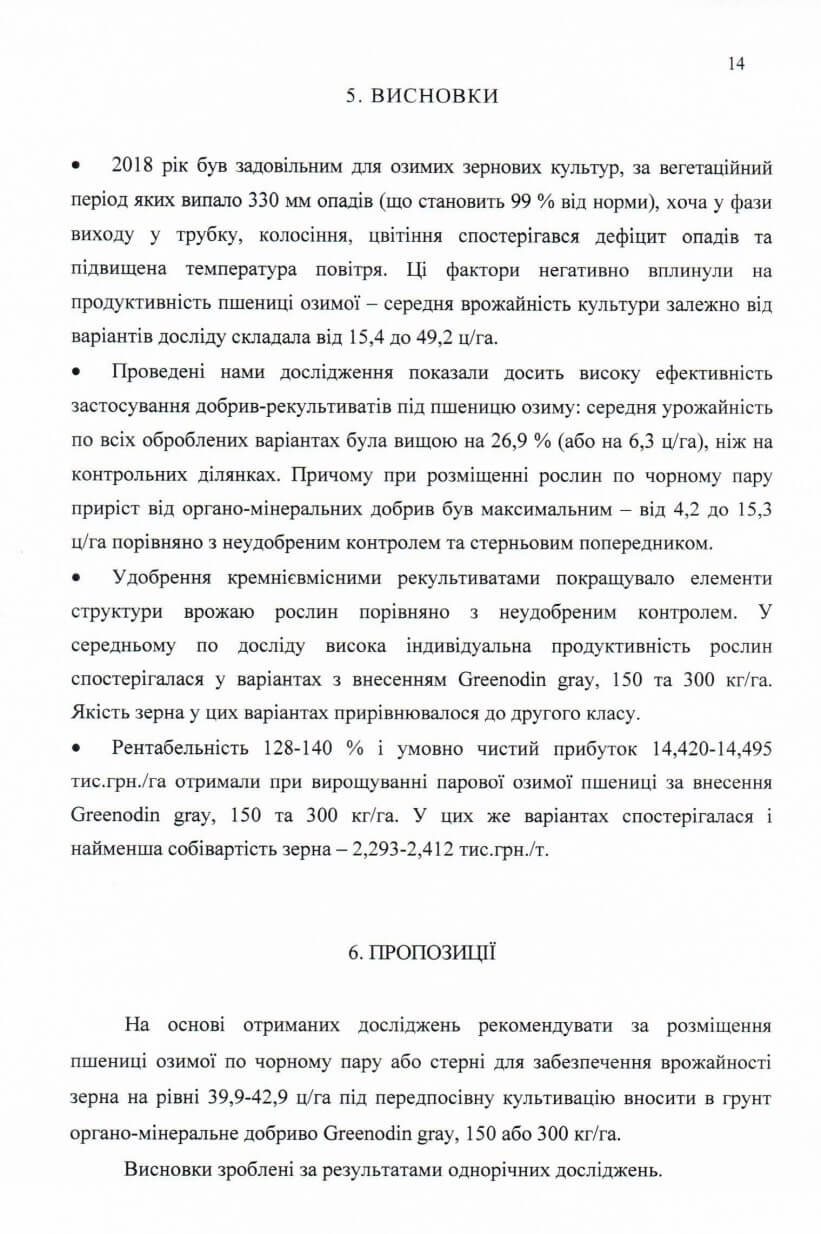
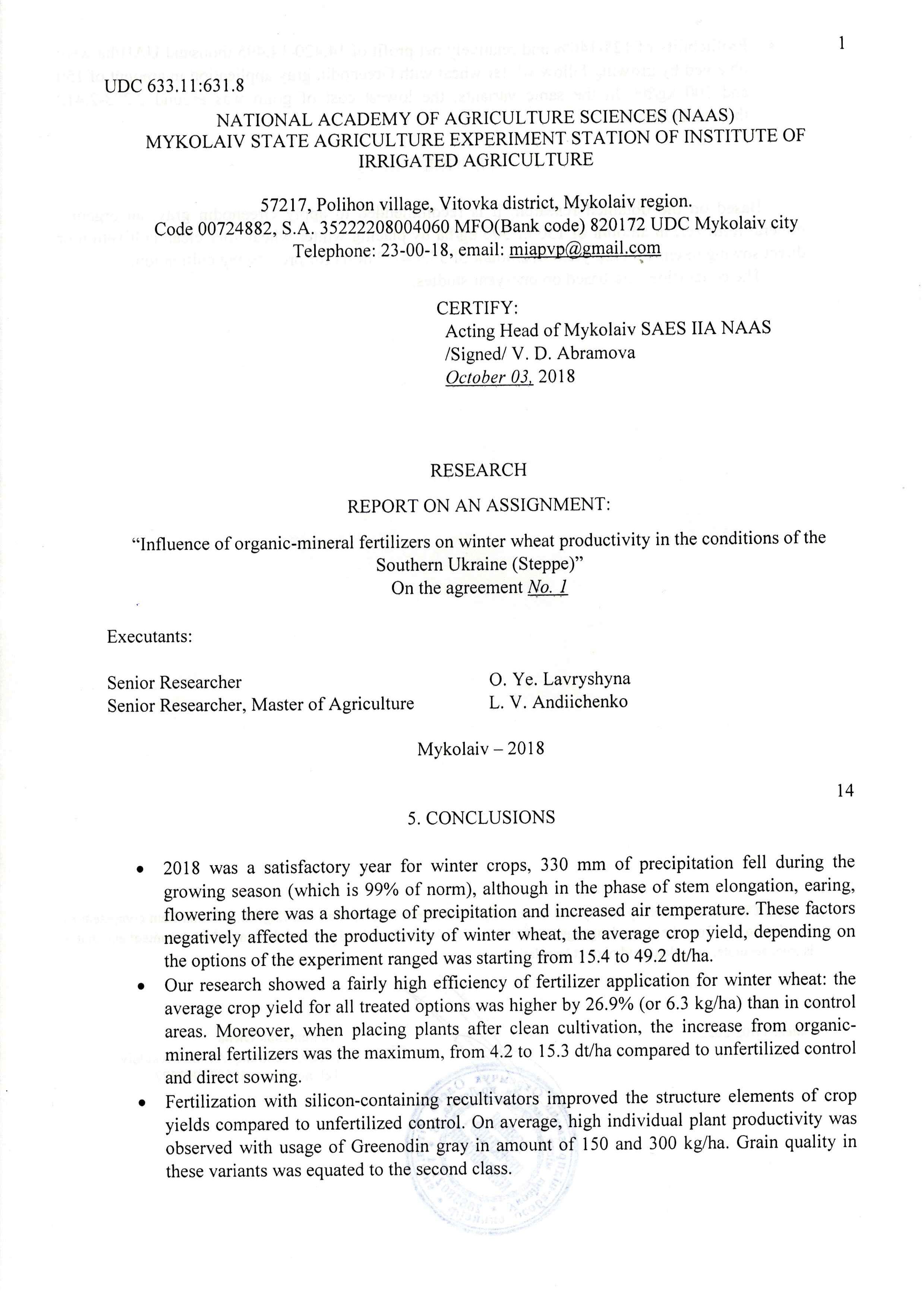
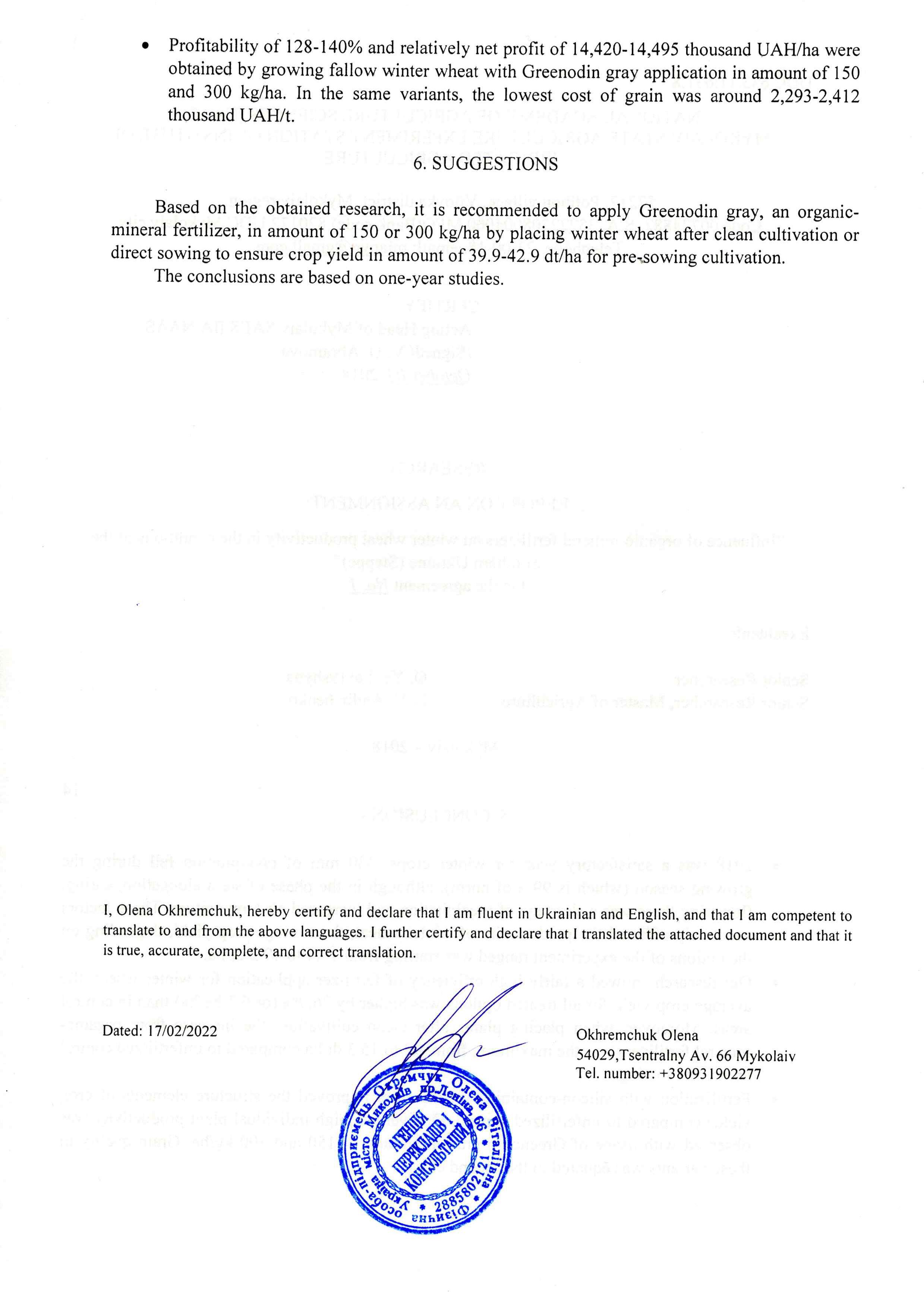
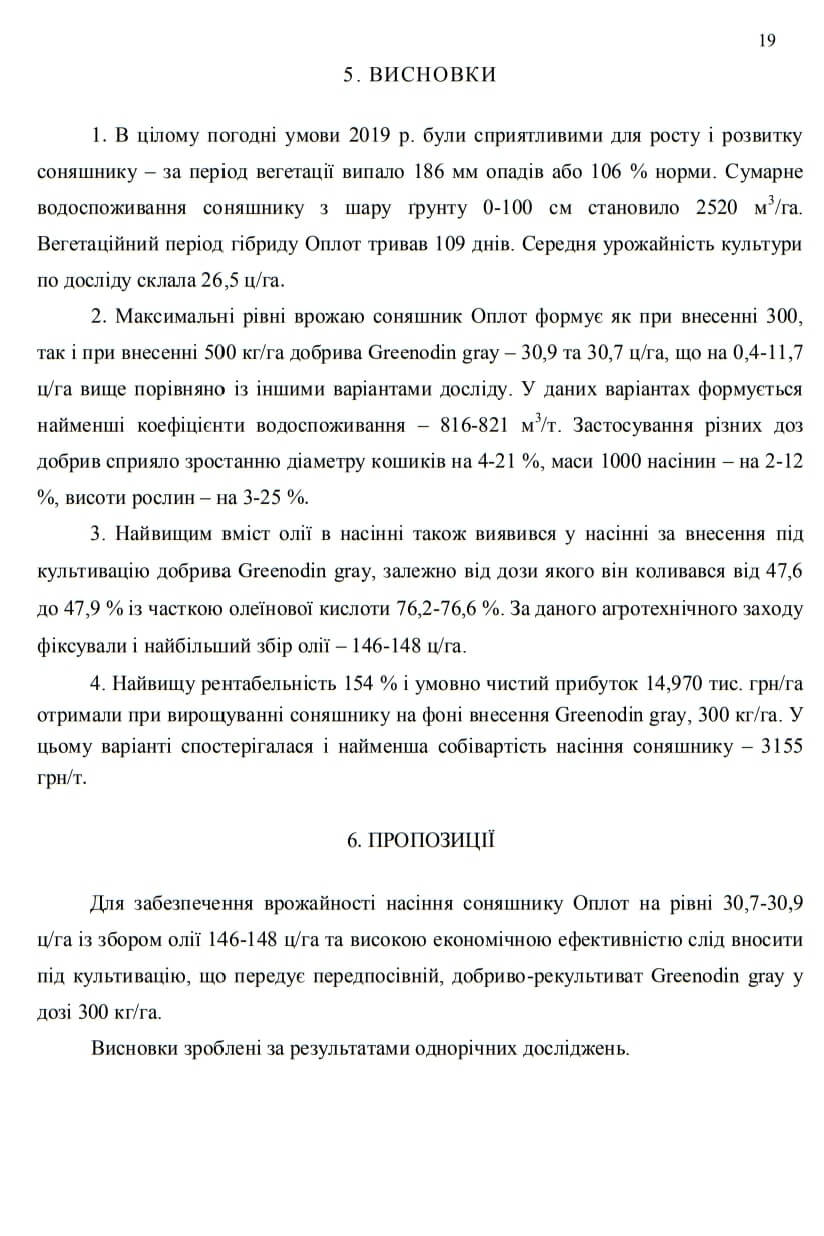
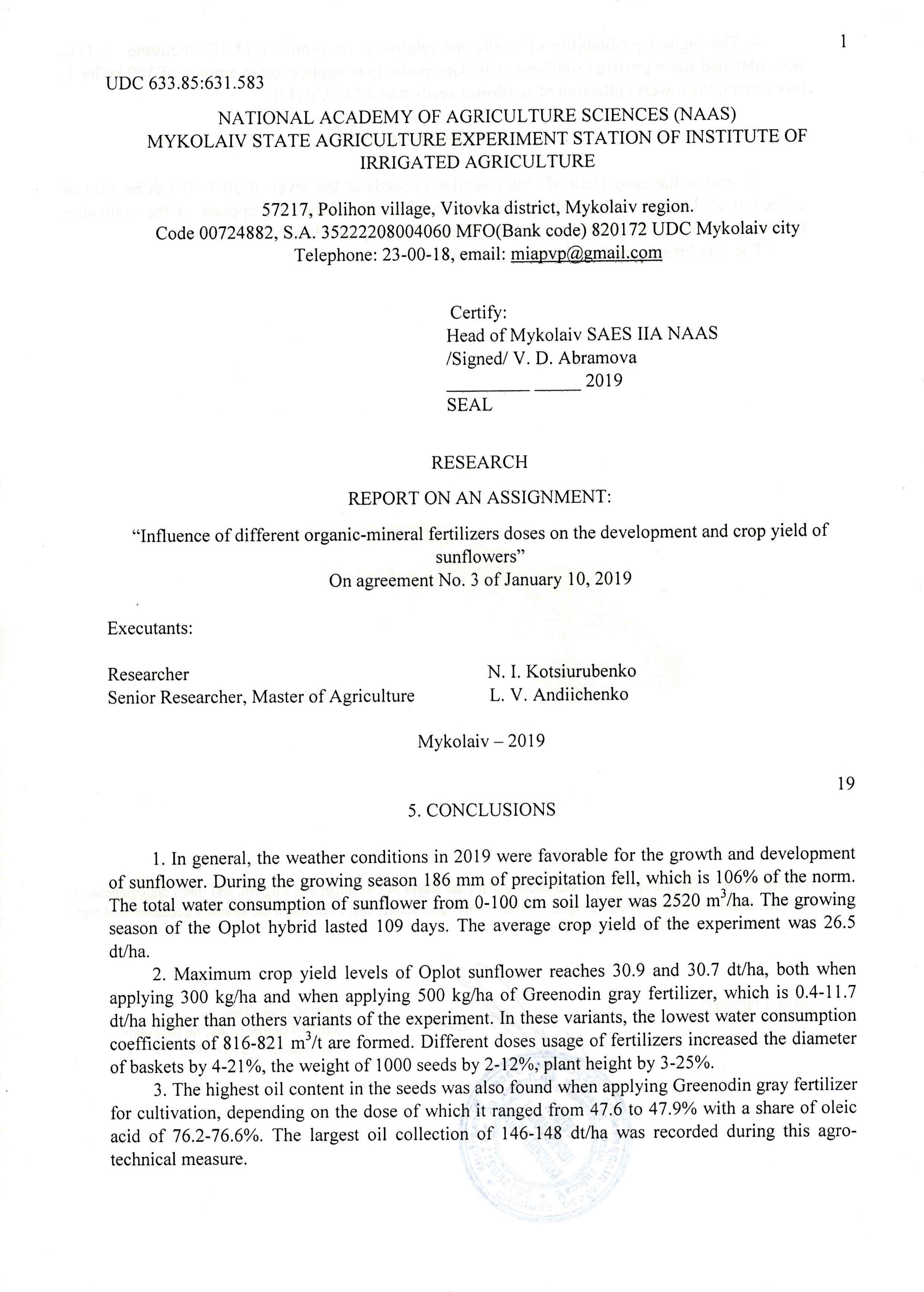
Innovative complex granulated organic fertilizers GREENODIN are created taking into account environmental requirements, meet European standards №834/2007; №889/2008 and are certified Organic Standart. Organic ameliorants GREENODIN create ideal conditions for sugar beet. The comprehensive product line of GREENODIN contains all the necessary elements for healthy plant growth and development, as well as helps maintain the necessary soil acidity. Thanks to the minimum application rates of complex organic fertilizers, GREENODIN products increase soil fertility, allowing for a high quality sugar beet harvest.
Do you want to get a bountiful harvest without harming the environment? GREENODIN is your unique solution, which provides environmentally friendly and certified complex organomineral fertilizers for growing high-quality sugar beet.
Unique properties of organic fertilizer for sugar beet brand GREENODIN


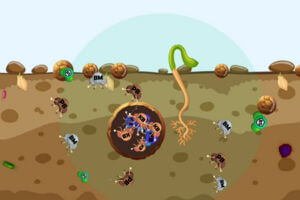
Protective bacteria Bacillus Subtilis
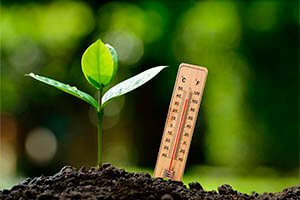
Thermal protection of plants
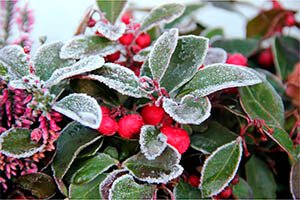
Biochemical plant protection
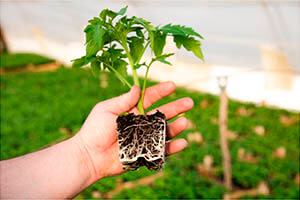
Root formation
Growth acceleration
Saturated bright color

Drought tolerance

Why customers consider GREENODIN the best sugar beet fertilizer
Based on our customer feedback, we have compiled a list of reasons why our customers rated GREENODIN as the best fertilizer for sugar beet