Fertilizers for Buckwheat
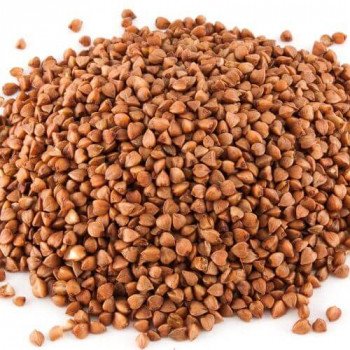
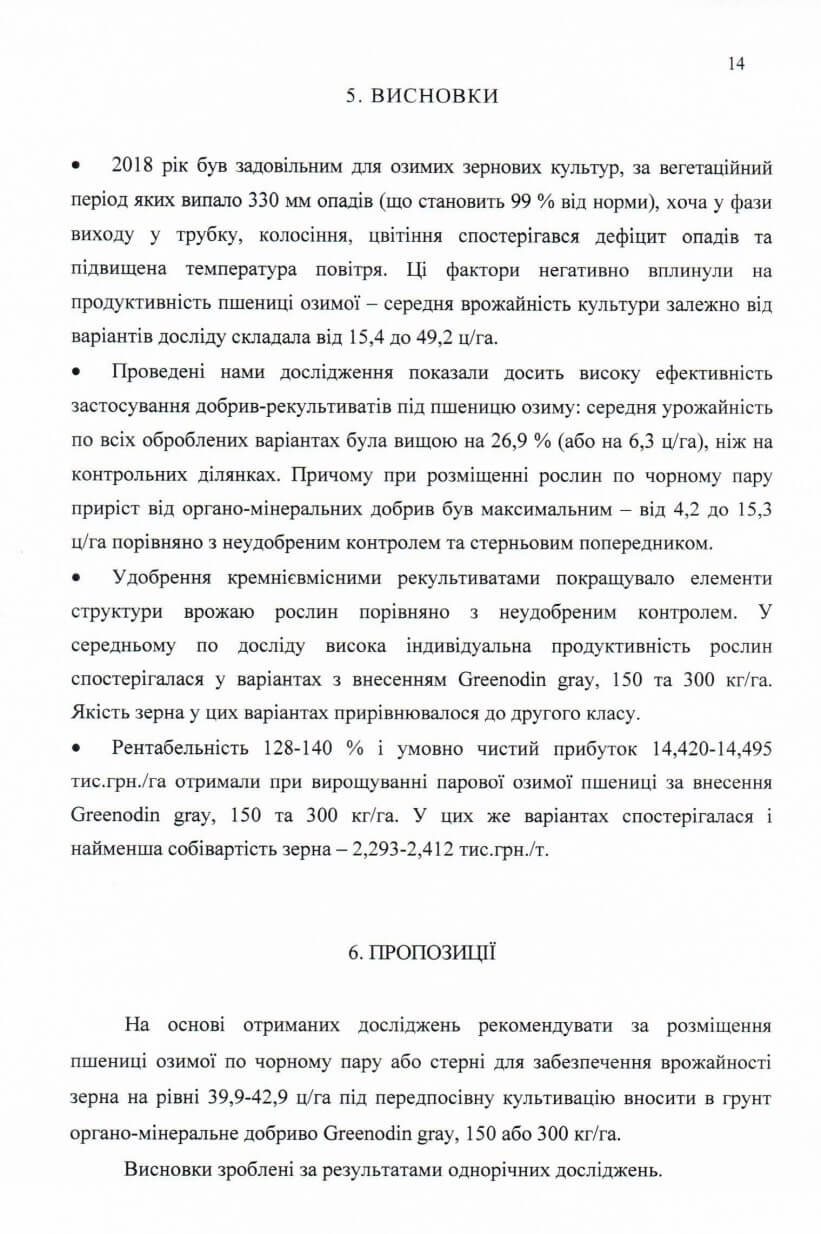
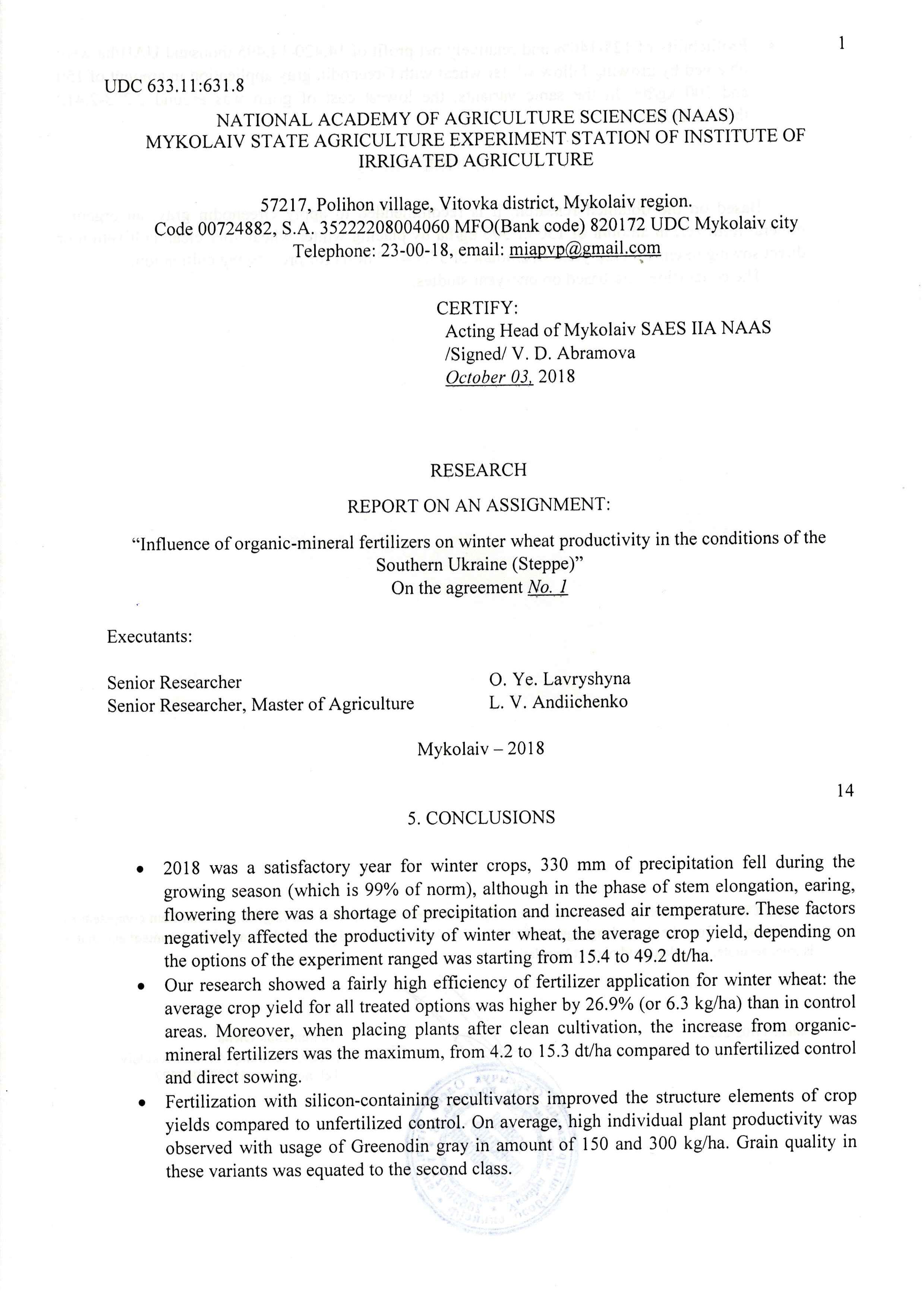
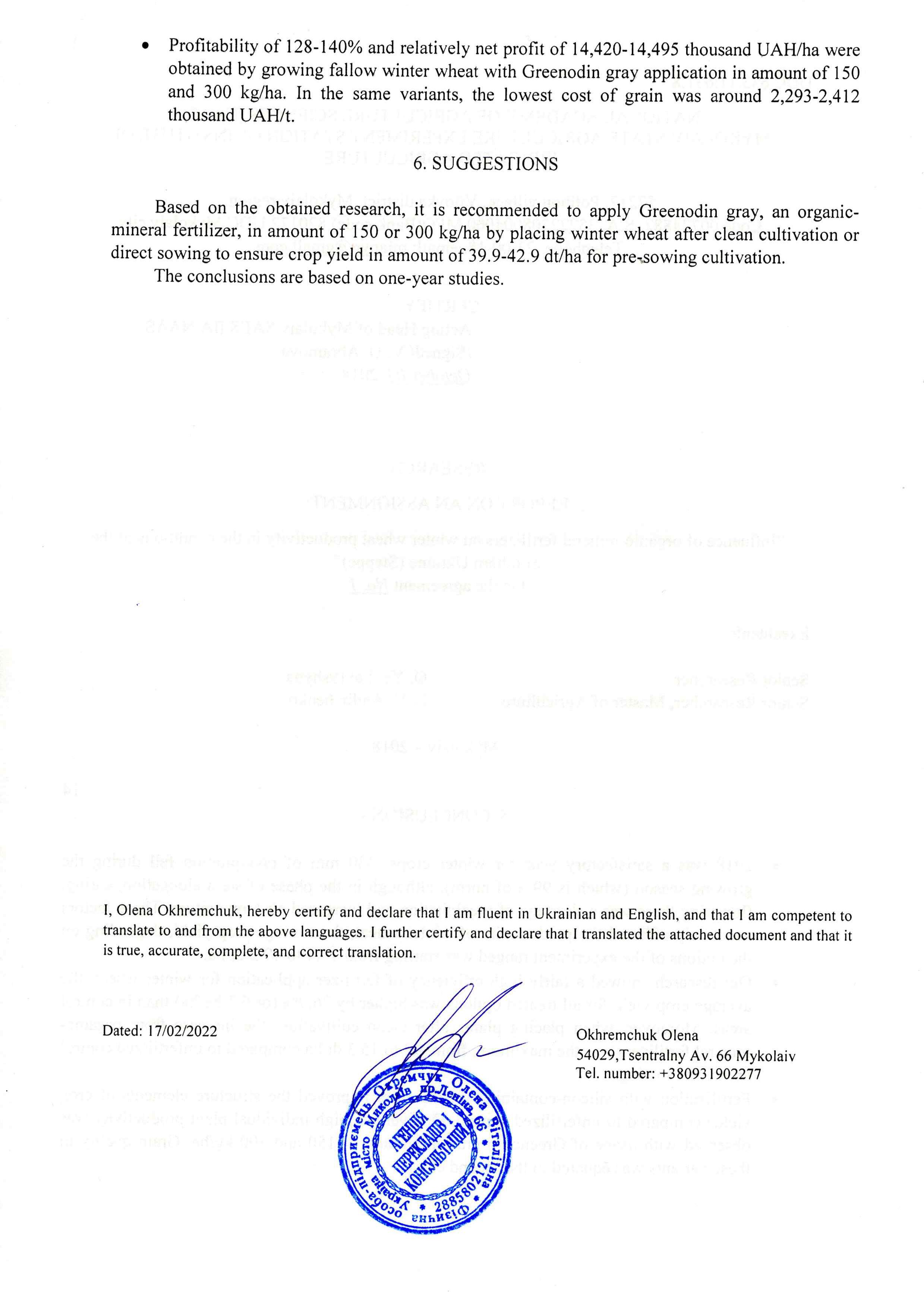
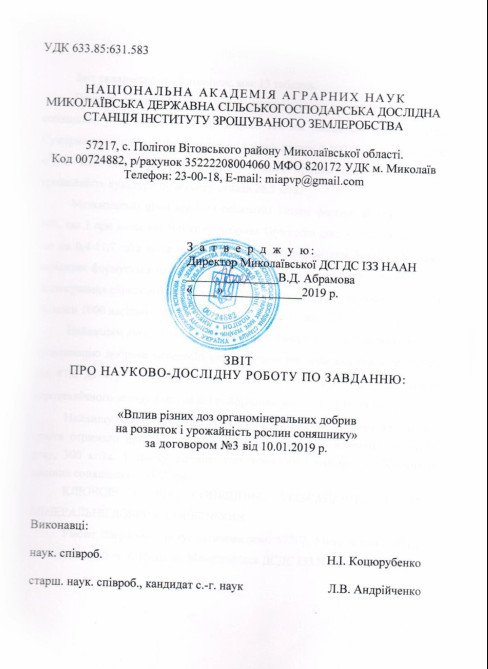
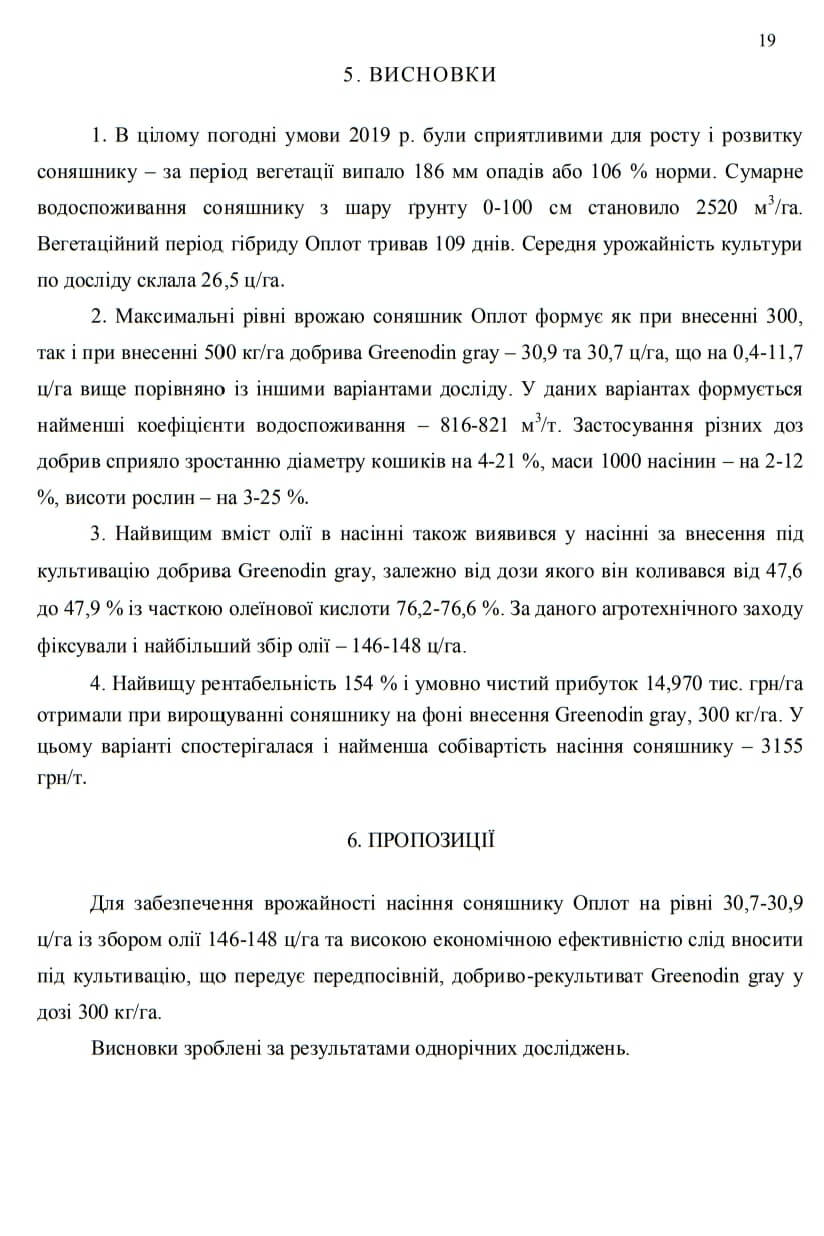
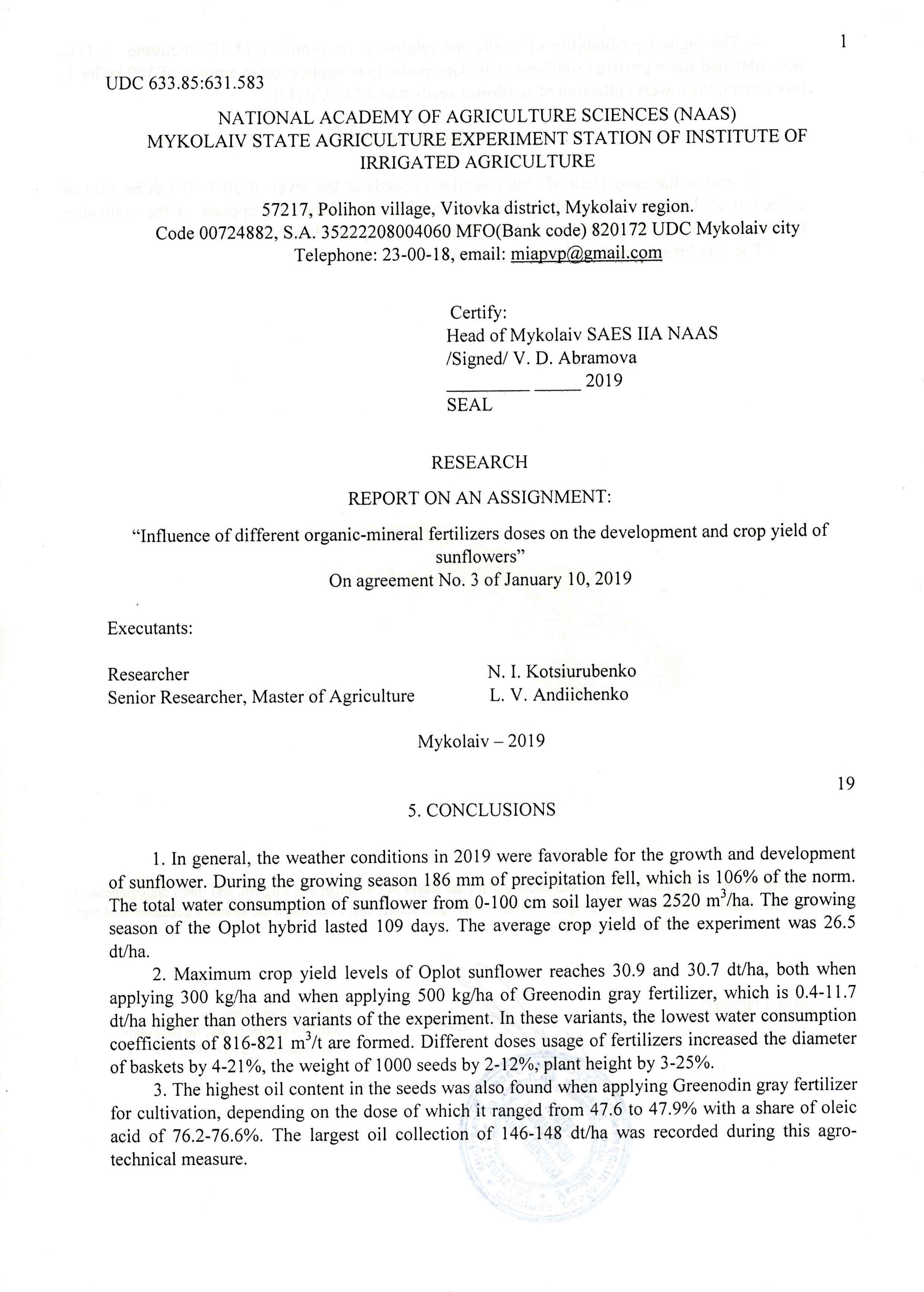
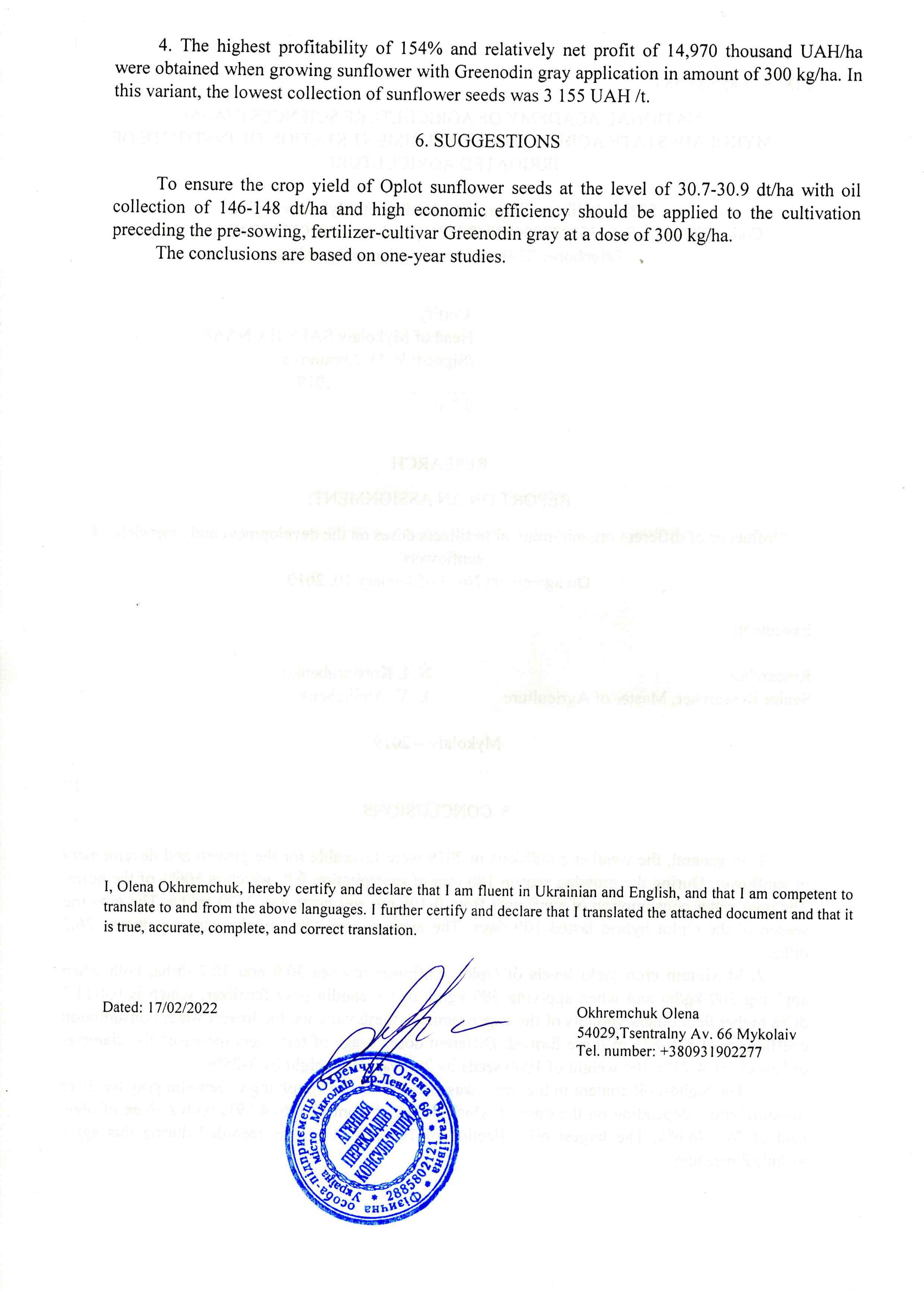
Successful yield of buckwheat is guaranteed by the use of innovative fertilizers GREENODIN GRAY, which offer the following advantages:
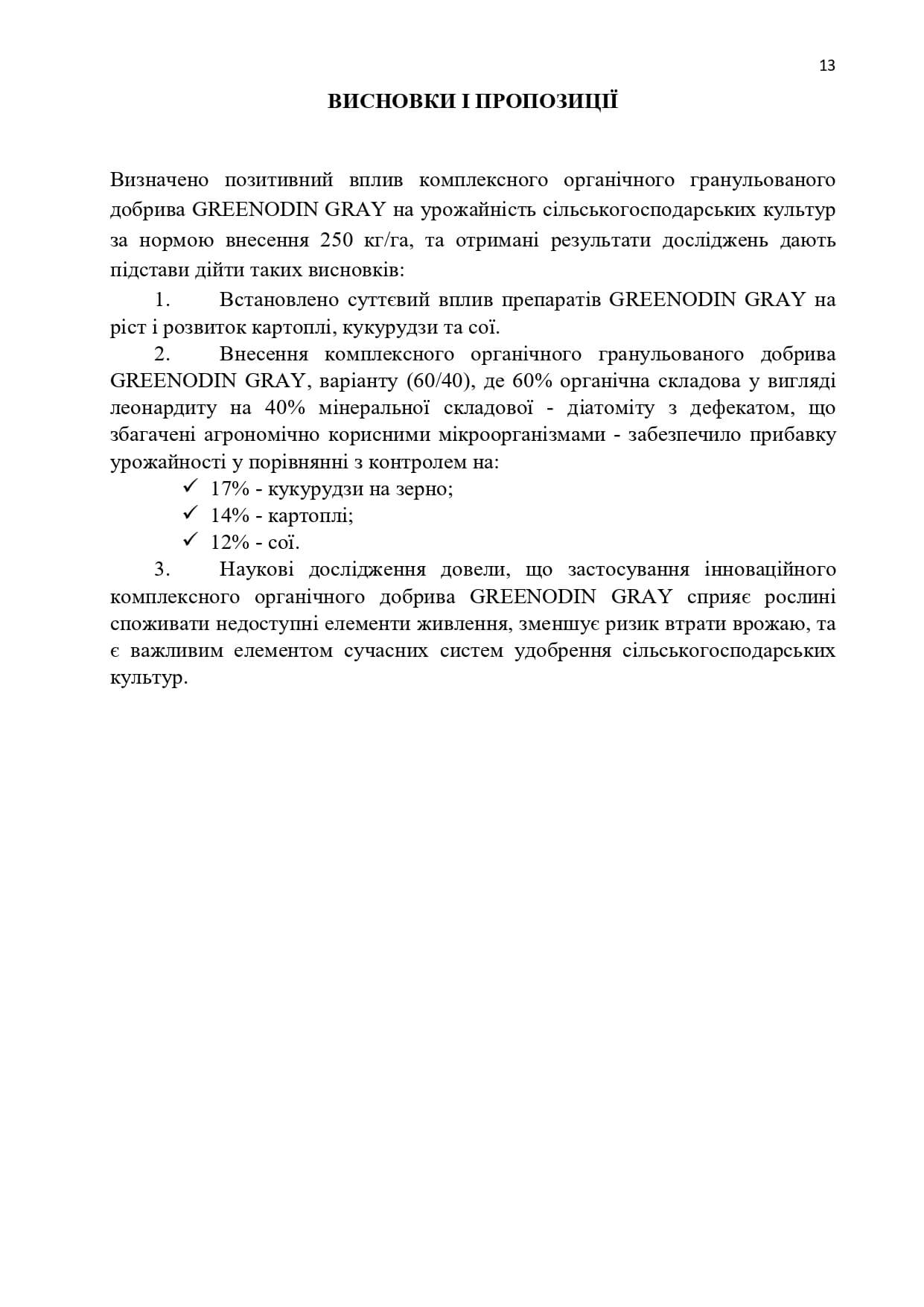
- Comprehensive solution: GREENODIN GRAY provides a comprehensive solution to the challenges associated with growing buckwheat, simplifying the cultivation process.
- Long-lasting effect: GREENODIN GRAY has a long-lasting effect, remaining in the soil and creating an ecosystem. This is different from liquid organic and mineral fertilizers that quickly evaporate or leach away, potentially affecting the soil negatively.
- Accumulative ecological and economic effects: GREENODIN GRAY accumulates in the soil, allowing for a 20% reduction in the annual fertilizer application rate from the initial dose. After 5 years, the application rate will be only 20% of the initial dose, resulting in economic benefits.
- Restoration and enhancement of natural soil fertility: GREENODIN GRAY contributes to the restoration and increase of natural soil fertility by providing readily available nutrients and promoting humus formation.
- Protection against diseases and pests: GREENODIN GRAY enhances the protection of buckwheat against known diseases and most pests through the mobility of silicon contained in the fertilizer. This also strengthens the plants and promotes the development of a robust root system.
- Reduction in irrigation: GREENODIN GRAY allows for a 30% reduction in irrigation by increasing the soil's water-holding capacity.
- Agronomically beneficial microorganisms: GREENODIN GRAY contains live bacteria and fungi that suppress the development of pathogenic flora, fix and produce macro, meso, and microelements such as nitrogen (N), phosphorus (P), potassium (K), calcium (Ca), magnesium (Mg), boron (B), zinc (Zn), manganese (Mn), molybdenum (Mo), and others. These elements provide buckwheat with sufficient natural nutrition in an accessible form.
Growing Buckwheat
The successful growth and development (ontogenesis) of organic buckwheat involves the emergence of young plants within 6-10 days after sowing, the formation of the first leaves, and their growth until branching and budding, which occurs approximately 8-10 days after emergence. Subsequently, flowering occurs around 18-28 days after emergence and lasts for 30-35 days or more, during which buckwheat serves as a valuable source of nectar. Typically, the plant can have buds, flowers, and developing fruits simultaneously. The buckwheat fruits ripen approximately 25-30 days after flower opening and fertilization. The weight of 1000 fruits can vary from 20 to 45 grams. The edible part of the fruit, the groats, is the main component of buckwheat. The overall growth period of buckwheat ranges from 70 to 90 days, which represents the time from emergence to harvest. The application of GREENODIN GRAY significantly enhances the qualitative and quantitative characteristics of buckwheat. To achieve this, it is important to consider the conditions and take the following steps, which will lead to a high-quality organic yield.
Buckwheat Placement
Buckwheat is a versatile crop that can be grown in different regions, taking into account climate conditions, soil characteristics, and solar activity. Buckwheat is a warm-season crop that prefers moderate temperatures starting from 20°C and above during the growing season. Overall, buckwheat can tolerate a wide range of temperatures, but extreme heat or cold can negatively impact its growth and development. Buckwheat adapts to various soil types but thrives in well-drained, fertile soils, particularly loamy or clayey soils with good organic matter content and a pH range of 6.0 to 7.0. Additionally, for optimal growth and productivity, buckwheat requires full sun exposure. Choose a location with ample sunlight throughout the day. Enhancing soil quality, overcoming stress factors, and improving water-holding capacity can be achieved by applying GREENODIN GRAY at the recommended base rate of 25 g/m2 or 250 kg/ha.
Precursors of Buckwheat
Among the favorable cereal precursors for buckwheat are wheat, barley, corn, or millet. Rotating these crops helps prevent diseases and pests, and the simultaneous application of GREENODIN GRAY significantly improves soil structure. Legume crops such as peas, soybeans, or lupines can also be used as precursors for buckwheat, and it should be noted that they are also capable of nitrogen fixation from the air, contributing to soil fertility regeneration. When combined with GREENODIN GRAY, they provide substantial and high-quality fertility for buckwheat.
Soil Preparation for Buckwheat
Soil preparation before buckwheat sowing involves removing the residues of previous vegetation to ensure a clean area free from plant debris and organic matter, thus avoiding disease and pest infestations. During the primary soil cultivation, applying 25 g/m2 or 250 kg/ha, we improve the soil structure and prepare it for buckwheat sowing through plowing or tilling. This helps smooth the soil surface, eliminate weeds, and facilitate the penetration of buckwheat roots. It is also important to loosen the soil before buckwheat sowing, especially if it is compacted or hardened. This allows the plant's root system to penetrate deeper and improves access to moisture and nutrients. If this step was not done during the primary soil cultivation or loosening, it is advisable to apply 25 g/m2 or 250 kg/ha of GREENODIN GRAY fertilizer directly before or during buckwheat sowing.
Buckwheat Seeding
For seeding, it is recommended to use reliable buckwheat varieties, including: Ivanna, Aelita, Astra, Victoria, Gloria, Kyivska, Krupynka, Lileya, Lada, Lyubava, Mayska, Orlytsya, Roksolana, Skorospelka, Stepova, Sumchanka, Ukrayinka. Weighted seeds of category RH-1-3 should be used, with purity not less than 99% and laboratory germination not lower than 92%.
Buckwheat should be sown from late April to the beginning or middle of May, in well-warmed soil, with a temperature starting from +10°C at a depth of 4 cm (northern Ukraine), and if there is a possibility of the topsoil drying out, up to 8-10 cm (southern Ukraine). The methods of buckwheat seeding include conventional row and wide-row planting.
For conventional row planting, buckwheat is sown with grain drills, while for weed-infested areas, wide-row planting (45 cm) or strip planting (45+15 cm) with beet drills SST-12A, SST-12B equipped with STYA-27000 attachment is used. The approximate seeding rates for conventional row planting are 4-5 million similar seeds per hectare in the Polissya region, 3-4.5 million in the Forest-Steppe region, and 2.5-3.5 million in the Steppe region. For wide-row planting, the rates are approximately 2.2-2.5 million, 2.1-2.5 million, and 1.9-2.2 million seeds respectively.
Buckwheat Care
After sowing, the field is treated with rakes and harrows, and fertilization can be done during rainfall. Additionally, if a dense crust forms due to rain before emergence, light harrowing is performed across the sowing area. Weed control is essential during the stage of the first true leaf. For wide-row planting, 2-3 inter-row cultivations are carried out. The first cultivation, if no harrowing was done, is performed at a depth of 5-7 cm, leaving a protective strip of 8-10 cm. The second cultivation is done at a depth of 8-10 cm at the beginning of budding, and the third cultivation, with hilling of the plants, is done at the start of flowering at a depth of 6-8 cm (protective strip of 8-10 cm).
Pollination with the help of bees is an important aspect of buckwheat cultivation. For this purpose, bee colonies are brought to the field, with an estimated ratio of 2-3 beehives per hectare. The maximum distance for bee foraging should not exceed 500 meters. To ensure the fertilization and nourishment of buckwheat, the use of GREENODIN GRAY is recommended, as it is entirely safe for bees and humans.
Harvesting Buckwheat
Buckwheat is ready for harvesting when the majority of the grains have ripened and attained the appropriate color and moisture content. Mechanical harvesting using reapers or combines can be employed, but it is important to use suitable equipment. During the harvesting of organic buckwheat, the plants are cut, and the grains are collected in a designated hopper or container. It is essential to use clean and uncontaminated containers for collecting the grains.
Processing and Storage of Buckwheat
Organic buckwheat requires minimal processing. After harvesting, the grains are cleaned and may undergo light processing or drying. If necessary, they can be roasted, followed by packaging according to organic standards, adhering to labeling requirements for organic products that indicate their certification and origin.
Storage: Processed buckwheat seeds should be stored in a dry, cool, and well-ventilated area. The use of specialized containers or sturdy bags can help prevent moisture, pests, and other factors that may affect the quality of the seeds.
Soil treatment after buckwheat
After harvesting buckwheat, its residues in the form of plant stubble are crushed using disc harrows with the addition of GREENODIN GRAY as a good decomposer, with an application rate of 15 g/m2 or 150 kg/ha, which breaks down the residues into beneficial nutrients for the next crops.
The modern technology of buckwheat cultivation is not possible without a properly developed fertilization method.
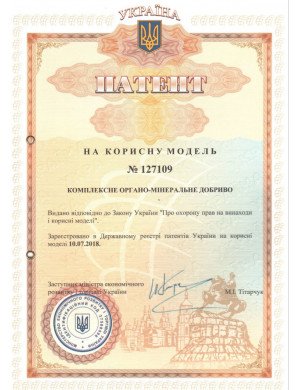
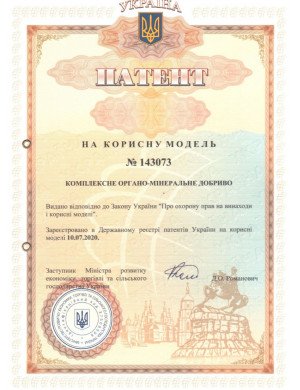
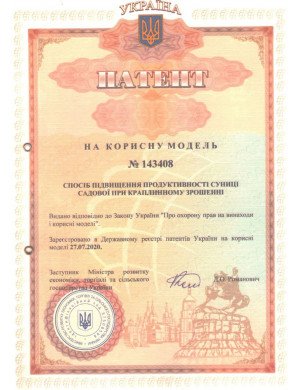
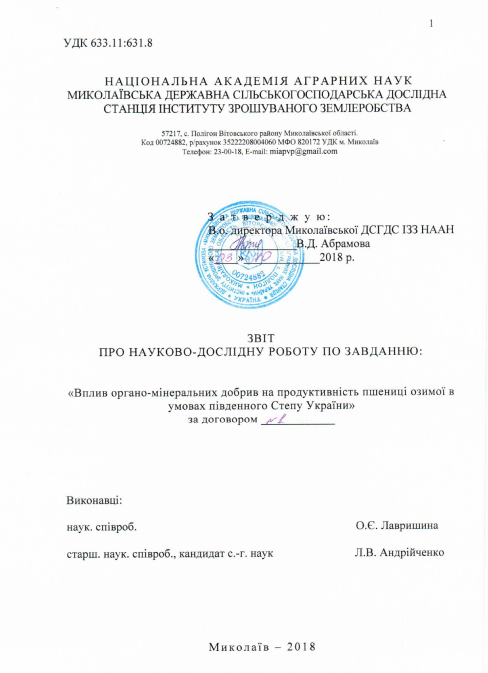
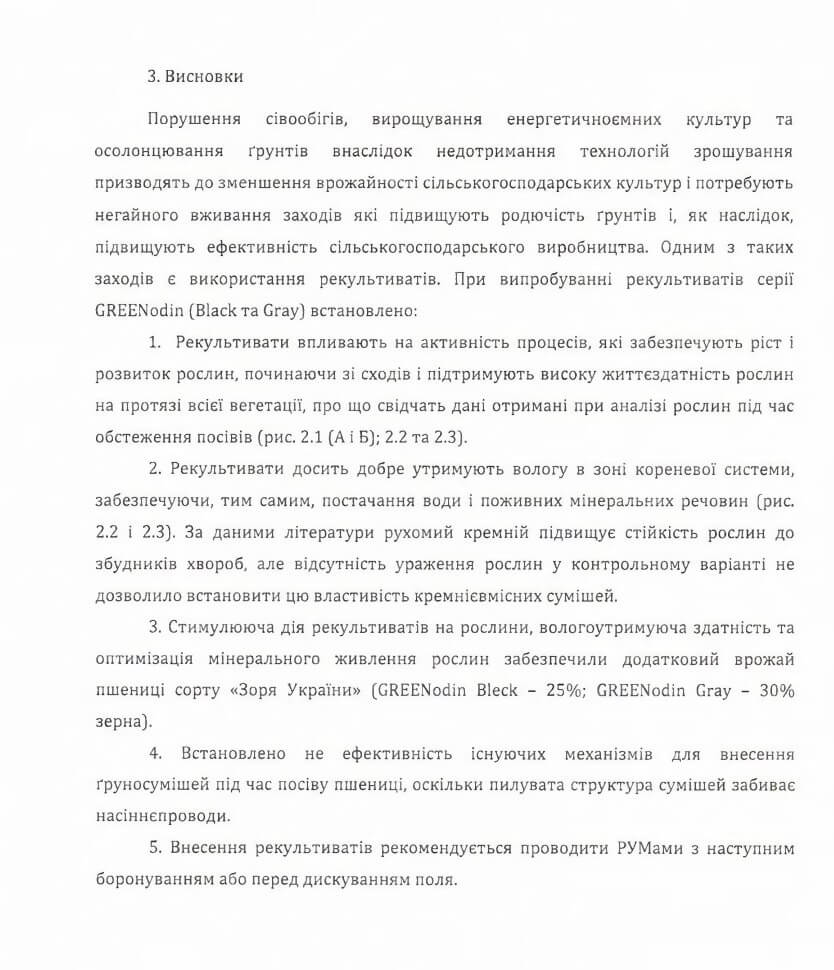
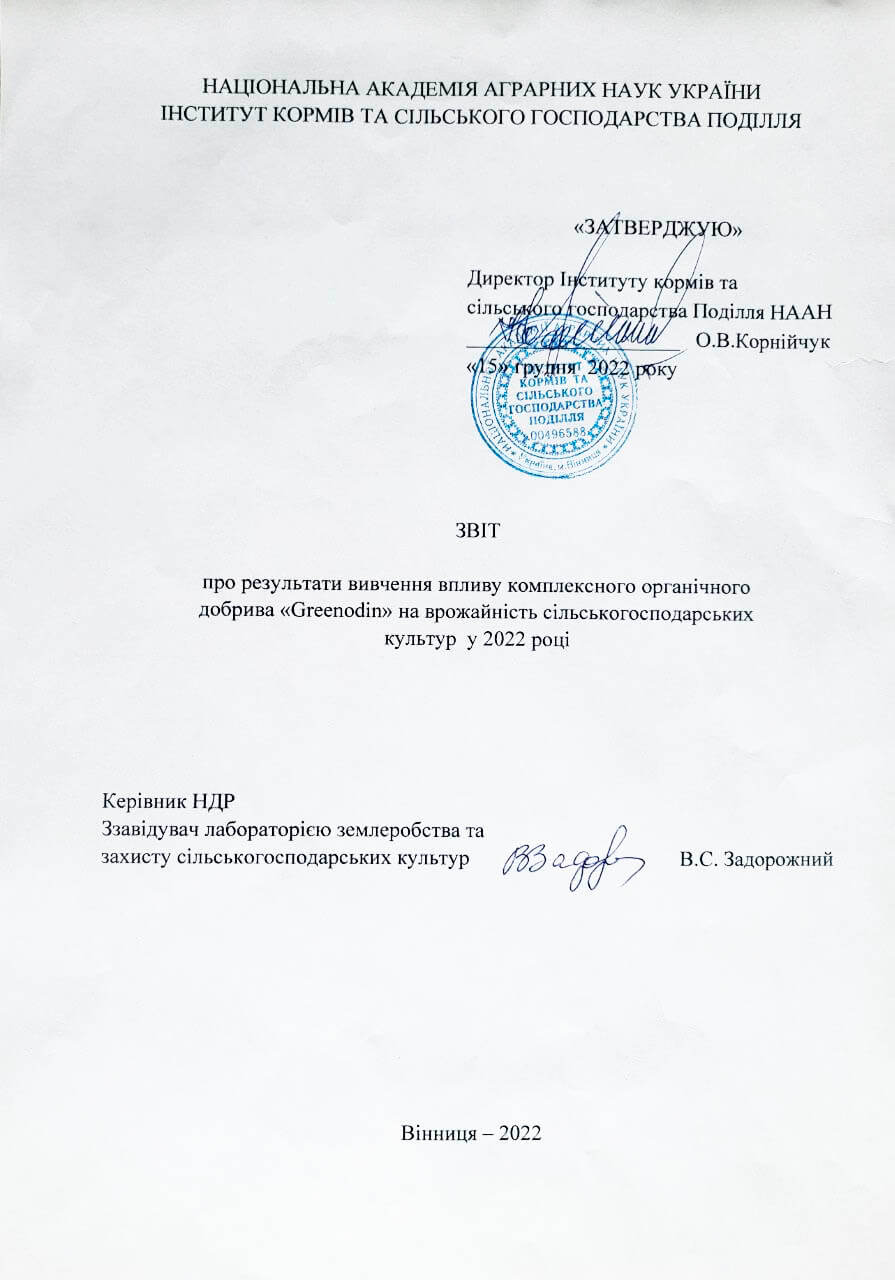
Innovative complex organo-mineral fertilizers for buckwheat under the trade name GREENODIN have shown excellent results. These fertilizers are patented and certified by Organic Standart. They have been developed in accordance with the ecological requirements of the global market and comply with European Union standards No. 834/2007 and No. 889/2008.
Unique properties of organic fertilizer for buckwheat TM GREENODIN


Protective bacteria Bacillus Subtilis

Thermal protection of plants
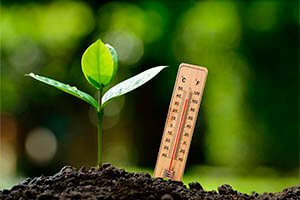
Biochemical plant protection
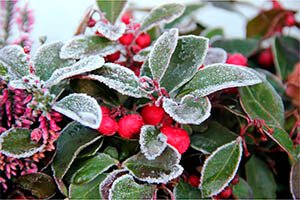
Root formation
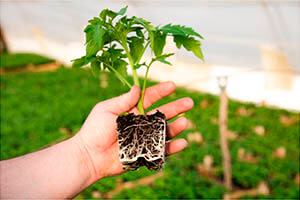
Growth acceleration
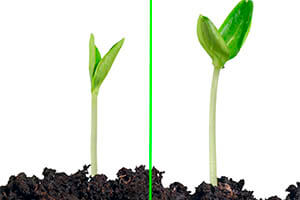
Saturated bright color

Drought tolerance
Why customers consider GREENODIN the best buckwheat fertilizer
Based on our customer feedback, we have compiled a list of reasons why our customers rated GREENODIN as the best fertilizer for buckwheat