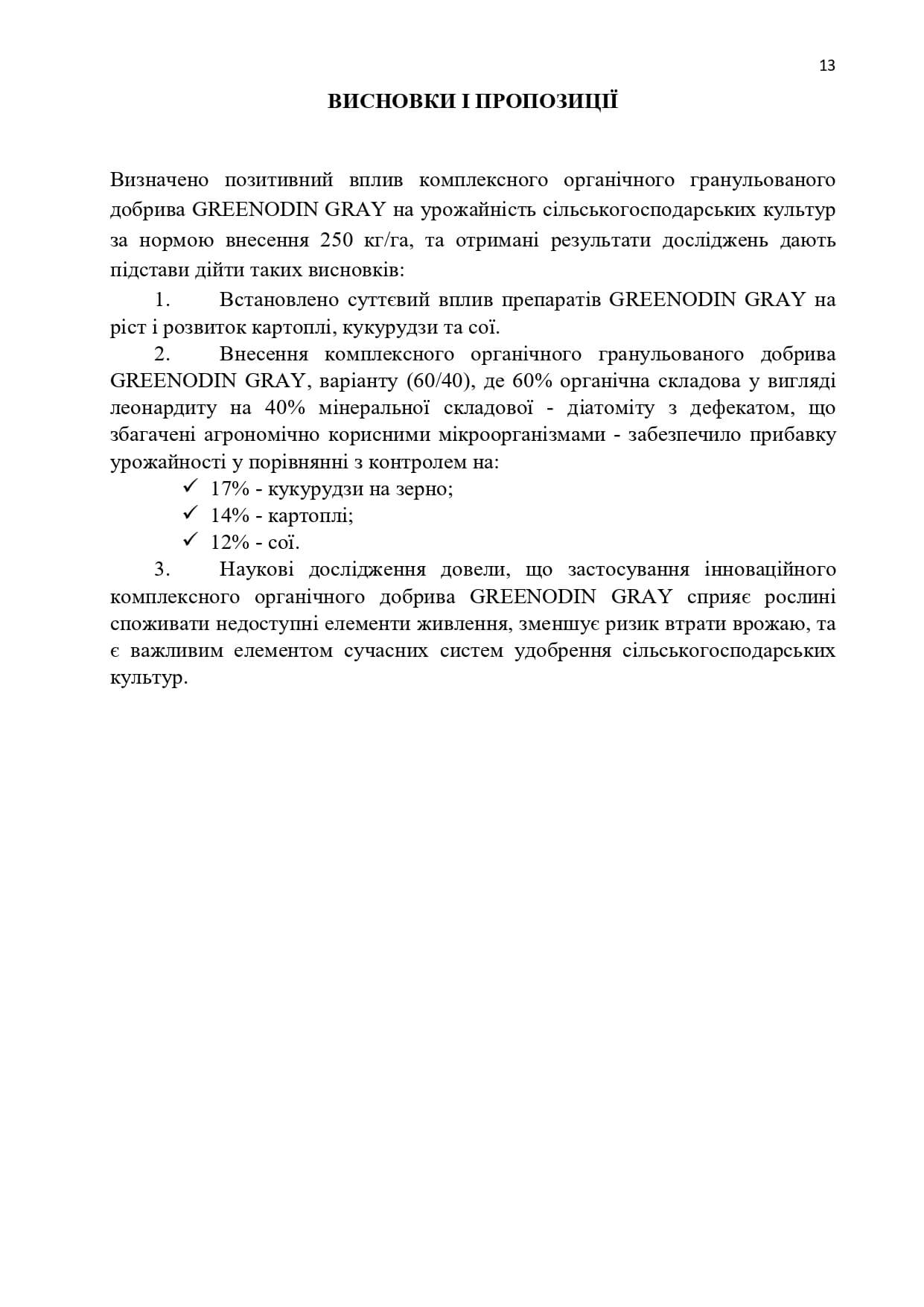
Fertilizer for spathiphyllum
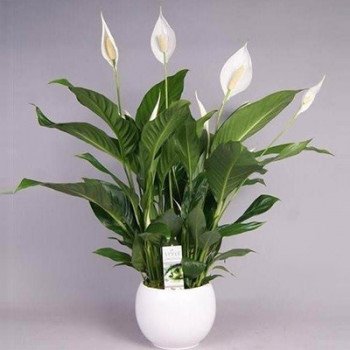
Spathiphyllum is a beautiful, delicate, and graceful plant species originating from tropical regions of Asia and Africa. These plants are widespread in Central and South America as well. Spathiphyllum is known for its stunning lush leaves and spikes of delicate flowers that bloom in shades of white, pink, or red.
"Feminine happiness flower" is often used to refer to Spathiphyllum. This is because it is believed to bring luck and happiness to women, particularly in Asian cultures where it is widely cultivated. The abundant green leaves and beautiful white flowers are considered to symbolize peace, prosperity, and happiness.
Spathiphyllum is an excellent choice for adding exotic beauty to your home or garden.
Spatiophyllum care. Generally accepted norms
Proper care of Spathiphyllum is essential for its health and optimal growth. In this article, we will provide some guidelines on how to properly care for Spathiphyllum in your home. Here are some common care practices for Spathiphyllum.
Spatifillum soil
The soil for Spathiphyllum is one of the most important factors in ensuring the health and vitality of your plant. The proper soil composition can provide the necessary nutrients, moisture, and airflow for the plant's growth and development.
Optimal conditions are created by using loose, well-draining, and porous slightly acidic soil for Spathiphyllum, with an acidic level (pH) of 5.0-6.5.
For your beloved flowers, use the GREENODIN GARDEN SOIL substrate (pH 6.5). When combined with the GREENODIN BROWN granulated organic fertilizer for Spathiphyllum (pH 5.0), added at a rate of 25-30 grams per 1 liter of substrate, you will provide ideal conditions.
How to determine the acidity of soil for spatifillum
There are several ways to conduct a pH test:
- pH test kits: This is the simplest and most accessible method for measuring pH. They can be purchased at garden equipment stores or online. They typically come with instructions for use and provide results within a few minutes.
- Ground Acidity Meter: This is a more accurate way to measure pH that uses an electronic device to measure the conductivity of the soil, which is related to pH. It can be more expensive, but gives more accurate results.
It is important to remember to test the soil before planting and to periodically check the pH during cultivation to make sure it remains in the optimal range.
Temperature mode
Spathiphyllum prefers a warm, humid environment with constant temperatures. Here are the ideal temperature conditions for Spathiphyllum:
- The ideal temperature range is 15-24°C (60-75°F). It is important to keep the plant away from places with drafts, such as near air conditioners or open windows, as sudden changes in temperature can be fatal.
- Minimum temperature: Spathiphyllum is not frost-resistant and will not survive temperatures below 13°C (55°F).
- Maximum temperature: The plant can tolerate temperatures up to 29°C (85°F), but it's important to provide enough humidity and air circulation so that the plant is not stressed.
It is important to monitor the temperature regimen for the spatifillum and make adjustments as needed to keep the plant healthy and vigorous. By providing the right temperature conditions, you can support the growth and development of the plant and enjoy its beautiful flowers and lush green foliage for years to come.
Air humidity
It is important to maintain adequate humidity levels around the plant. Here are some tips on how to maintain the right level of humidity for your Spatifillum:
- The ideal humidity range is 60-80%. A high humidity level will help keep the leaves of the plant moist and prevent them from drying out or turning yellow.
- Increase humidity. If the air in your house is dry, you can increase the humidity by using a humidifier or placing a tray of water next to the plant. Regularly spraying the leaves with a spray bottle will also help keep the humidity levels up.
- Humidity reduction. If the air in your home is too humid, you can reduce the humidity by using a dehumidifier or ensuring good air circulation. It is also important to avoid overwatering your plant, as this can lead to excessive humidity and promote the growth of mold or fungus.
Illumination
Spathiphyllum is a plant that likes low light. This means it prefers bright, indirect light, but can tolerate low-light conditions. Here are some tips on creating the right lighting conditions for your spatifillum:
- Ideal lighting: The ideal lighting is bright, indirect light. This means that the plant should be placed near a window that receives bright natural light, but not direct sunlight. Direct sunlight can scorch the plant's leaves and cause them to turn yellow or dry out.
- Low light: If you don't have access to bright indirect light, the flower can also tolerate low light conditions. It is important to keep the plant away from areas that do not get any light at all, as this can cause it to stunt or stop growing altogether.
- Artificial lighting: If you need artificial lighting, you can use fluorescent or LED lamps. These types of bulbs are energy efficient and provide the right spectrum of light for plant growth.
It is important to monitor the lighting conditions of the spatifillum and make adjustments as needed to keep the plant healthy and vigorous.
Pruning Spatifillum
Pruning is an essential aspect of plant care as it helps maintain its health, stimulate new growth, and maintain its shape. Here are some tips for pruning a spathiphyllum:
- Timing: The best time to prune a spathiphyllum is in spring or early summer, just before the start of its growing season. This will stimulate new growth and ensure the plant's health and vitality.
- Dried leaves: Begin by removing all dried or yellowed leaves from the plant. These leaves should be removed at the base, taking care not to damage healthy leaves or stems.
- Overgrowth: If the spathiphyllum has become too tall, you can trim it to promote bushier growth. Simply trim the stems to the desired length, taking care not to remove more than one-third of the plant's overall height.
- Flowers: When the flowers on your spathiphyllum wilt, you can remove them at the base. This will help prevent seed formation and conserve energy for new growth.
- Tools: It is important to use clean, sharp pruning tools when trimming. This helps reduce the risk of infection or damage to the plant.
Spatiophyllum propagation
You can propagate in two ways: by division or by stem cuttings. Here is a step-by-step guide for both methods:
- Propagation: This is the simplest and quickest method of reproduction. To divide the plant, simply remove it from the pot and carefully separate the roots and shoots into two or more small plants. Transplant each division into a separate pot filled with fresh GREENODIN GARDEN SOIL substrate and water thoroughly.
- Stem Cuttings: Another method of propagation is using stem cuttings. To do this, select a healthy stem with several leaves and trim it just below a node (the point where a leaf attaches to the stem). Remove the lower leaves. Plant the cutting in a pot filled with moist GREENODIN GARDEN SOIL, water it, and place it in a warm, bright location with indirect sunlight. Keep the soil moist but not waterlogged, and within a few weeks, the cutting will root and start to grow.
Both methods are simple and effective, and both will yield new healthy plants that can be enjoyed for many years.
Spatiophyllum transplanting
Transplanting a spatifillum is an important step in keeping the plant healthy and stimulating its growth. Here are some tips for a successful transplant:
- Timing: The best time for repotting is spring or early summer, just before the plant's vegetative period begins. This allows the plant enough time to recover and adapt to the new flower pot and soil.
- Pot Size: Choose a pot that is 3-5 cm (1-2 inches) larger in diameter than the current plant pot. This will provide enough room for root growth and ensure proper drainage.
- Soil: Use high-quality potting soil that is rich in organic matter. As mentioned before, spathiphyllum prefers slightly acidic soil with a pH ranging from 5.0 to 6.5.
- To achieve the desired soil acidity, prevent root rot, and promote healthy development, use GREENODIN GARDEN SOIL substrate (pH 6.5) in combination with granulated complex organic fertilizer GREENODIN BROWN (pH 5.0) at a rate of 25-30 g per 1 liter of substrate. These fertilizers can be purchased at our store.
- Watering: Before repotting, thoroughly water the plant to loosen the roots and facilitate the process. During repotting, take care not to damage the roots, and after repotting, water the plant carefully to settle the soil around the roots.
- Light: Place the freshly repotted plant in bright, indirect light and keep the soil moist but not waterlogged. Gradually reduce watering over the next few weeks as the plant adjusts to the new pot and soil.
Feeding spatifillum
If you use GREENODIN GARDEN SOIL (pH 6.5) as a soil mixture in combination with GREENODIN BROWN (pH 5.0), it is enough to fertilize twice a year: at the beginning of March and the end of October. Rate of application of complex organic fertilizer GREENODIN BROWN 25-30 g per 1 liter of substrate. Apply by hand by spreading evenly. After application, it is necessary to water the flower.
Don't worry if you add more GREENODIN than the specified amount. It will not harm the plant, as it contains only natural ingredients and agronomically beneficial bacteria.
Fertilizing spatifillum with GREENODIN products
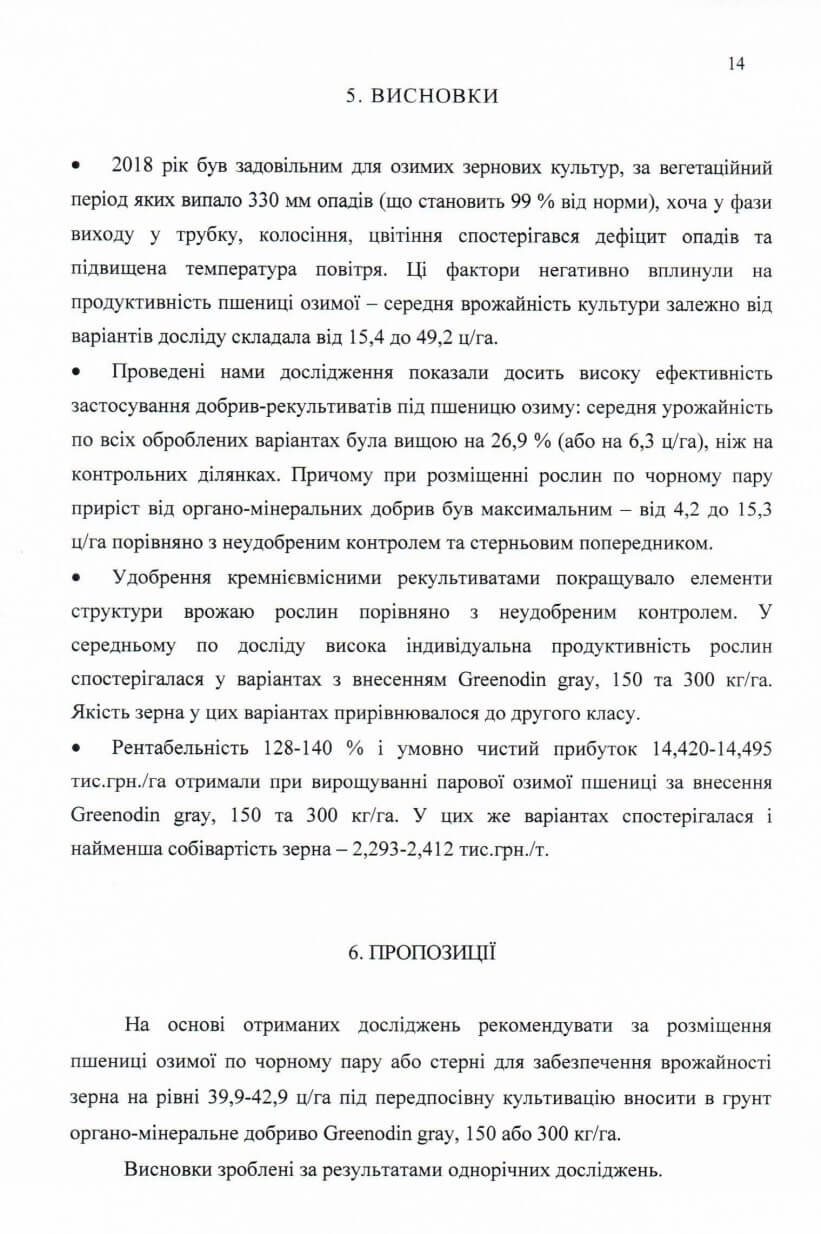
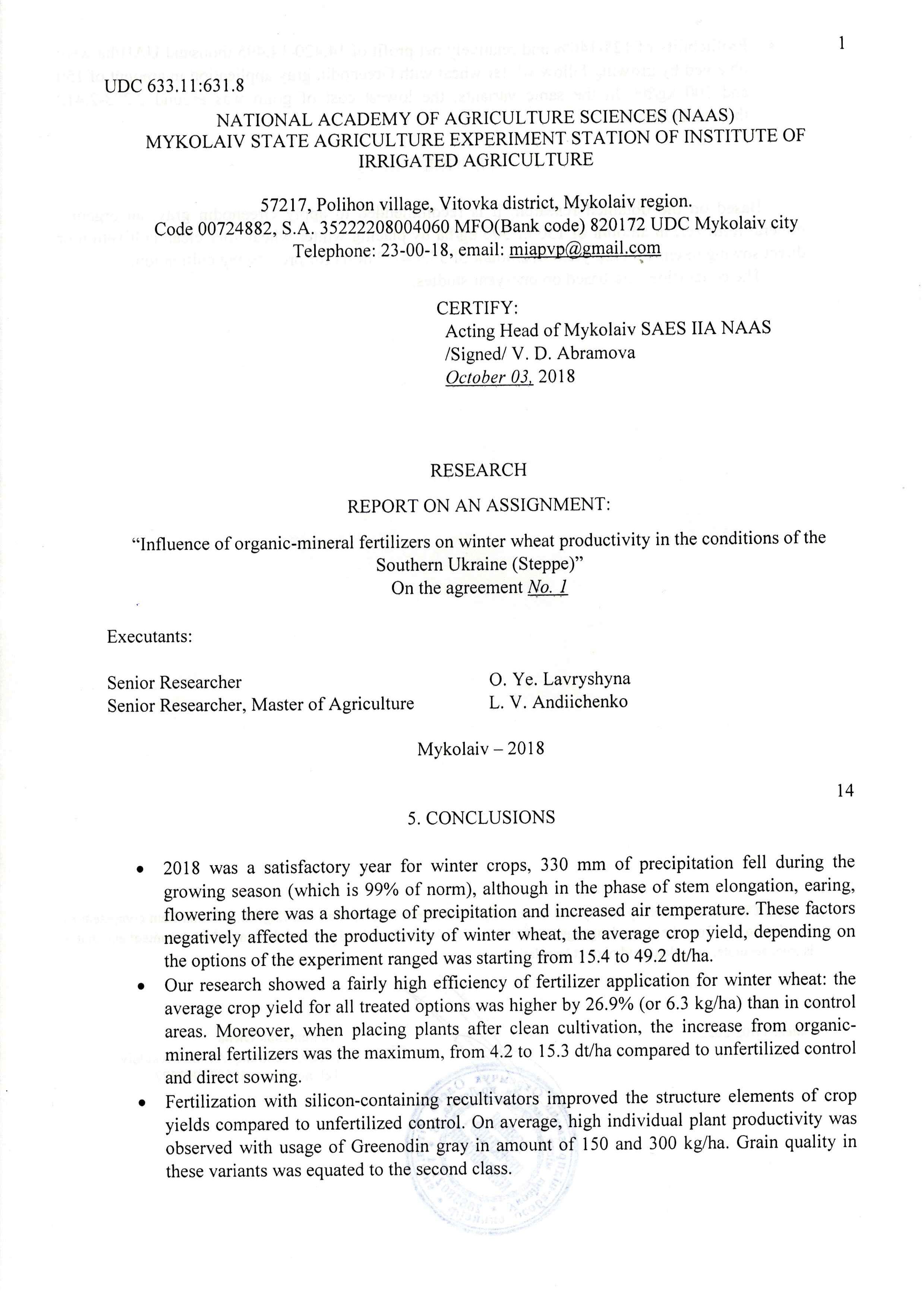
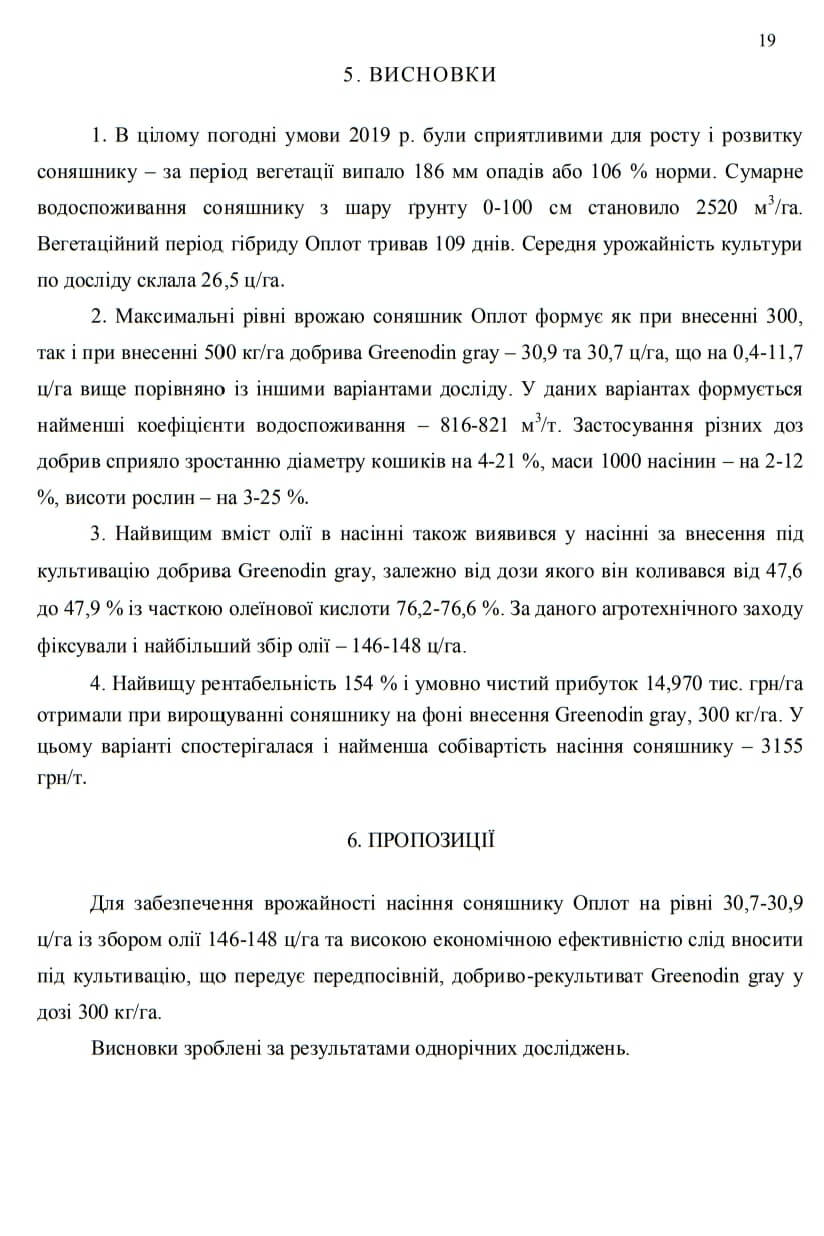
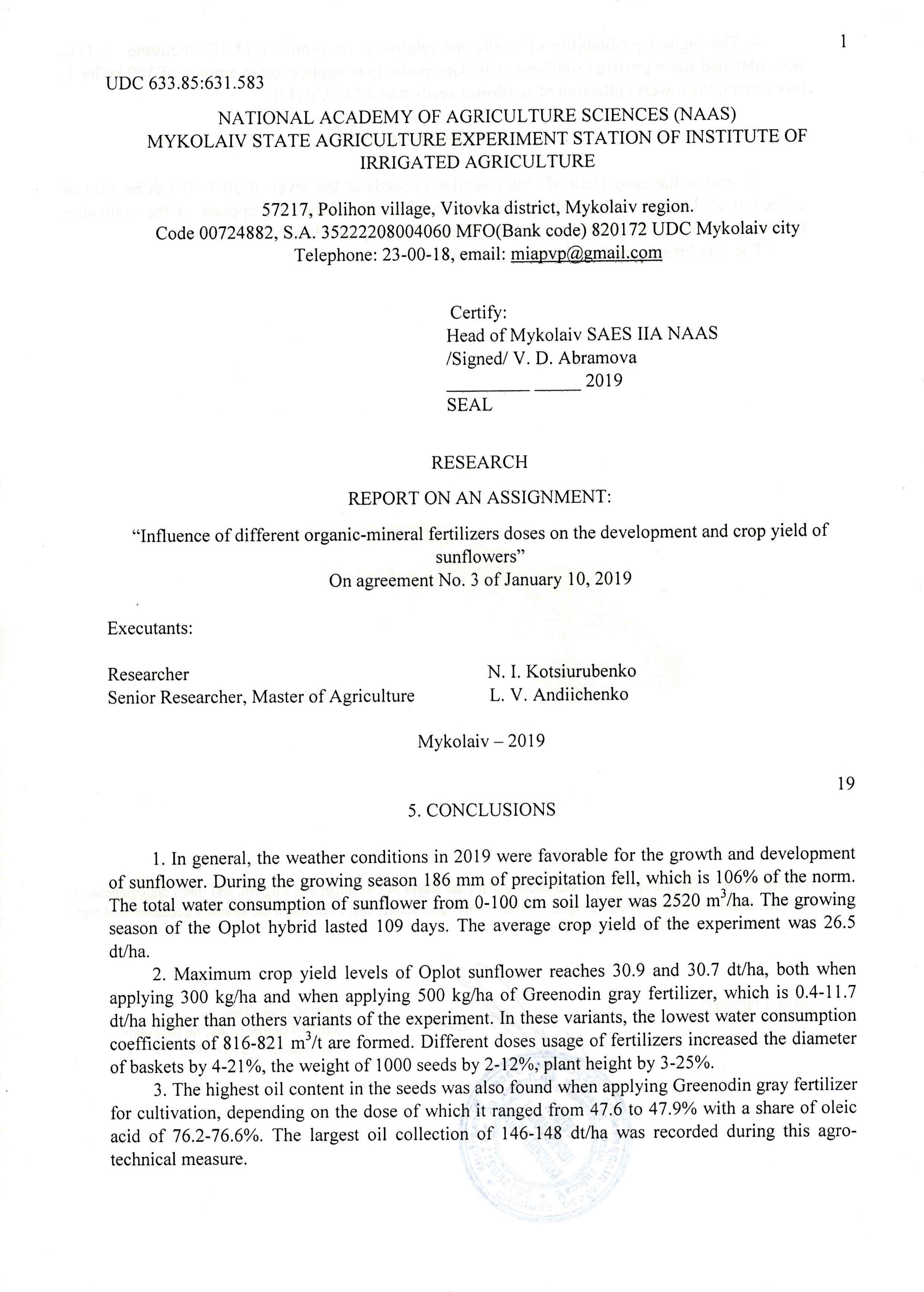
To ensure the health and beauty of the spatifillum, it is important to provide it with proper nutrition. The use of mineral fertilizers can have negative consequences for the plant and the environment, such as contaminating the soil and harming wildlife and bees. That's why it's very important to choose organic fertilizers. We recommend our ™ GREENODIN complex organic fertilizers.
The use of modern, innovative TM GREENODIN fertilizers will ensure:
- simplification of the process of caring for plants, because it comprehensively solves problems
- long-term action - it remains in the soil, creating an ecosystem, unlike liquid organic fertilizers and the more mineral, destroying the soil
- accumulation, allowing you to reduce each year the rate of application of GREENODIN by 20% of the original. After 5 years the application rate will be only 20% of that specified in these instructions
- restoration of natural soil fertility with easily accessible mineral nutrition for plants and the natural formation of humus
- protection against known spatifillum diseases: leaf spot; powdery mildew; root rot; phytophthora
- creating a more powerful root system, stem, bud, brightness of color;
- living bacteria in fertilizers: fight the development of pathogenic flora; "reproduce" from the soil and the atmosphere the macronutrients Nitrogen, Phosphorus, Potassium, as well as trace elements boron, iron, manganese, copper, molybdenum and zinc, giving sufficient natural nutrition in an easily digestible form for plants;
- allow you to reduce irrigation by up to 30%.
Benefits of fertilizers for Spatifillum TM GREENODIN
Decades of experience creating and perfecting the best spatifillum fertilizer has resulted in the perfect form and composition:
- Form: Organic fertilizers come in dry, granular form, and some are in the form of a substrate, but in any case, they remain in the soil without evaporating or decomposing into harmful compounds like chemical fertilizers.
- Composition: The composition is a balanced organomineral mixture where the mineral component is diatomite (amorphous silicon), which adjusts the pH depending on the type of soil and the fertilizer itself. For acidifying neutral (pH 7.0) artificial soil from the store, adding GREENODIN BROWN (pH 5.0) at a rate of 25-30 g per 1 liter of substrate is sufficient. This will lower the pH to approximately 6.0, creating favorable conditions for the active growth of spathiphyllum. Additionally, diatomite acts as a water buffer, accumulating and structuring water that cannot be evaporated by sunlight but can be easily absorbed by spathiphyllum through the capillaries of its roots.
- Another component of GREENODIN is the organic component of leonardite with peat, enriched with humic and fulvic acids, which also affect the pH but, most importantly, serve as nutrition for microorganisms and spathiphyllum itself. One of the main features of GREENODIN is the presence of a complex of agriculturally beneficial bacteria, which provide the plant with macro and micronutrients. Some of these bacteria suppress the development of pathogenic flora and, as a result, prevent diseases in spathiphyllum.
- The main action of GREENODIN complex organic fertilizers is aimed at renewing or improving the fertility of the soil in which the plant is grown. Therefore, if you happen to plant spathiphyllum in old or outdoor soil, do not worry. Just add GREENODIN as well. If the soil is too acidic, pH 5.5 and below, adding neutral GREENODIN GRAY or alkaline GREENODIN RED at a rate of 25-30 g per 1 liter of substrate (soil) will suffice.
- Silicon, in the right state and in combination with humic and fulvic acids, has a very positive effect on the plant's characteristics. The stem becomes stronger, and the color of the flowers and the plant itself becomes more vibrant.
- GREENODIN brand fertilizers, thanks to their composition and absence of negative side effects, are completely safe for humans, pets, and bees, allowing for their safe use directly in apiaries, gardens, vegetable gardens, backyard areas, and in the cultivation of medicinal plants.
Application rates and planting tips
Tips on application rates should be divided into:
- Planting spatifillum in a flower pot, in new soil (substrate + fertilizer);
- Planting spatifillum in existing soil (fertilization)
Planting spatifillum in new soil
If you do not have soil, or if you want the ideal conditions for growing spatifillum right away, all you need is a soil pH of 5.0-6.5 that meets the plant's needs.
To do this, you need:
- buy soil substrate GREENODIN GARDEN SOIL. For planting seedlings a sufficient volume will be 1 kg per shrub
- buy organic fertilizer for Spatyphillum GREENODIN BROWN (pH 5.0) and add at the rate of 25-30 grams per 1 liter of substrate
- then mix, place in a pot, tray or hole and water. If planting is done in a garden plot, the prepared mixture is poured as a pile in the bottom of the hole
- water immediately, and in case of high daytime temperatures - in the morning or evening.
Nothing more is required of you - enjoy the development and blooming.
Where to Buy Organic Fertilizer for Spatifillum
- In Ukraine you can buy the best fertilizer for Spatifillum in our online store by going to the product card and place your order. The delivery is within three days.
- If you need shipping to another country, you can:
- place your order through the cart in the product card and we will contact you to clarify the details
- fill in the feedback form on the Contact Us page with the required delivery volume.
Be sure to include a valid email!
We offer to restore nature, starting with the use of organic fertilizers GREENODIN!
To prevent diseases and create ideal conditions for the growth and natural development of plants, use the innovative complex organic fertilizer for Spathiphyllum brand GREENODIN.
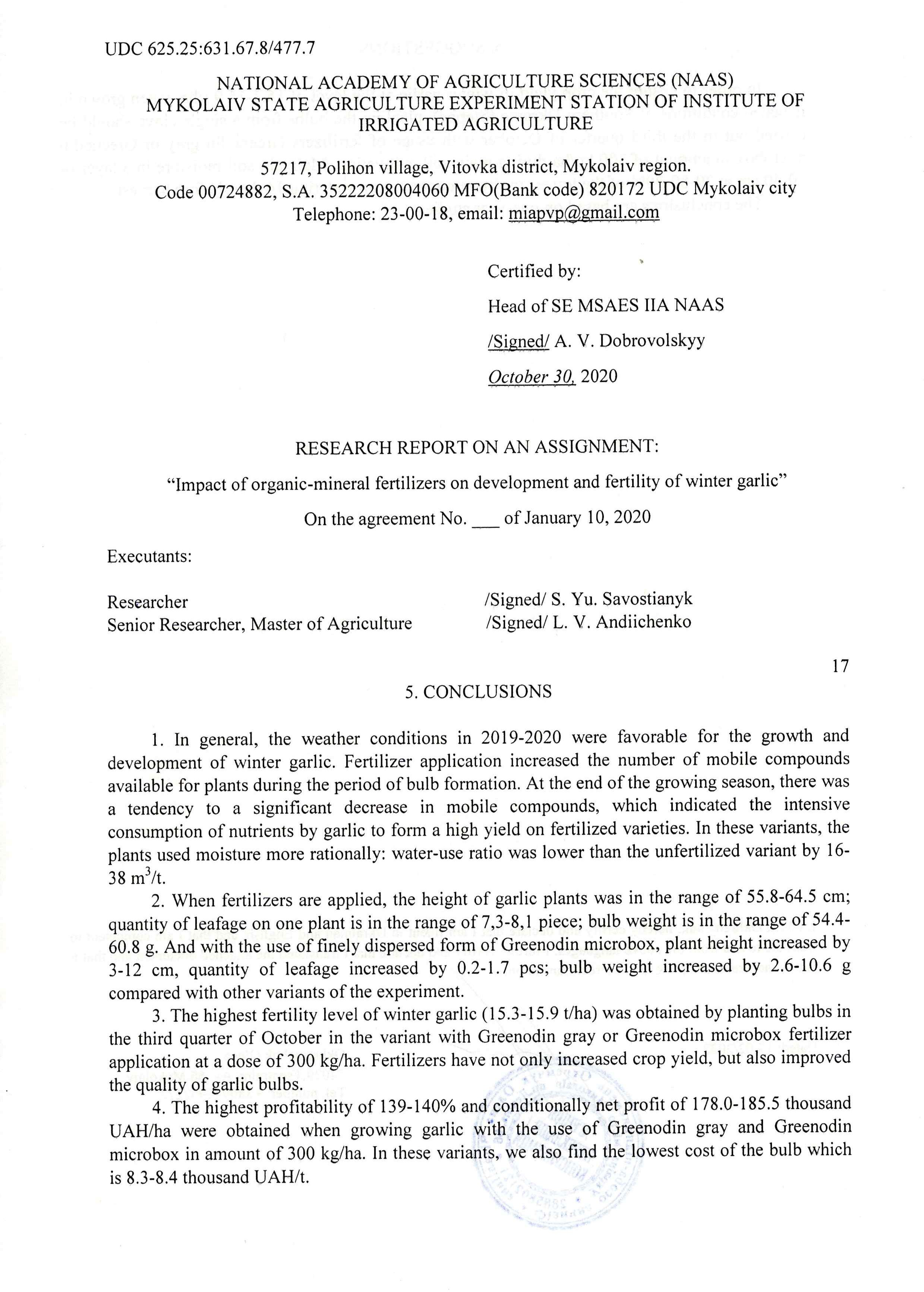
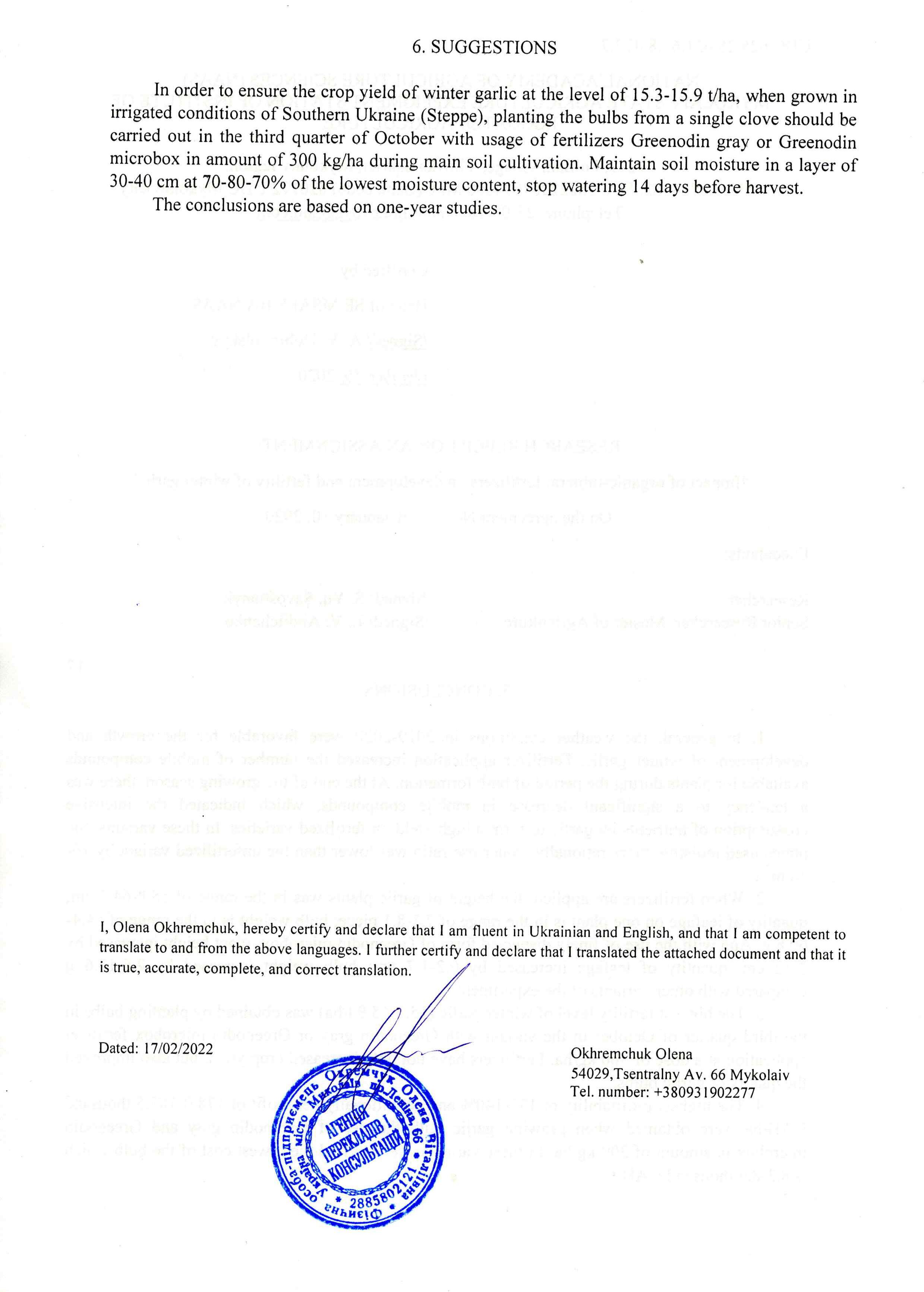
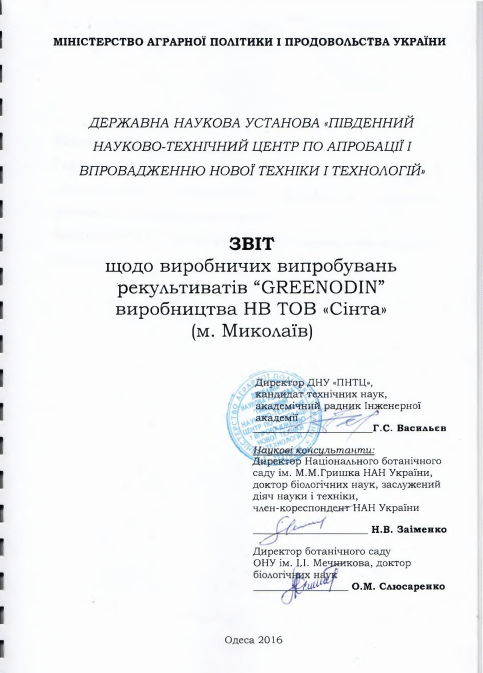
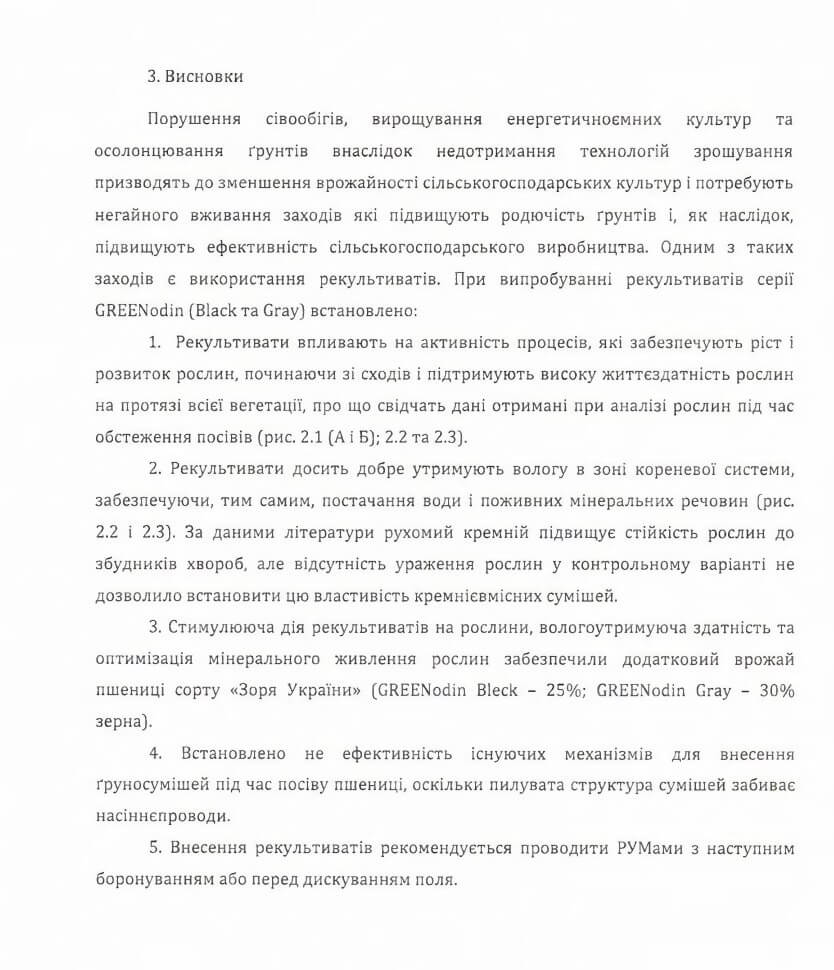
Fertilizers are protected by patents and certified Organic Standart:
- Are based on ecological requirements of the global crop production market and are equivalent to the European standards EC N834/2007; N889/2008.
- allow creating ideal conditions for plant growth by enriching with minimum rates and providing the soil with increased fertility
- a wide range of GREENODIN complex organic fertilizers allows you to create the ideal conditions for growing plants in different soils (areas)
Unique properties of organic fertilizer for Spatifillum brand GREENODIN


Protective bacteria Bacillus Subtilis

Thermal protection of plants

Biochemical plant protection
Root formation
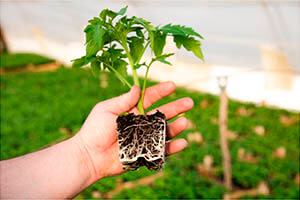
Growth acceleration
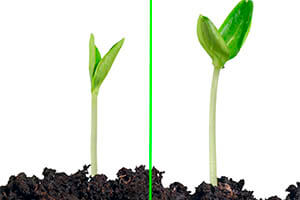
Saturated bright color

Drought tolerance

Why customers consider GREENODIN the best fertilizer for Spatifillum
Based on our customer feedback, we have compiled a list of reasons why our customers rated GREENODIN as the best fertilizer for Spatifillum