Fertilizers for Orchids
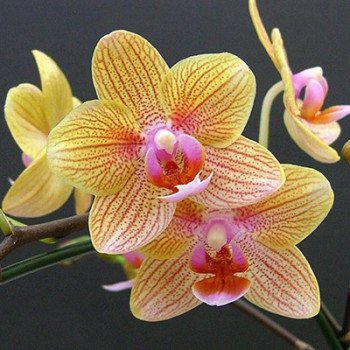
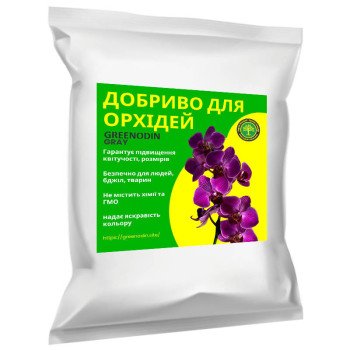
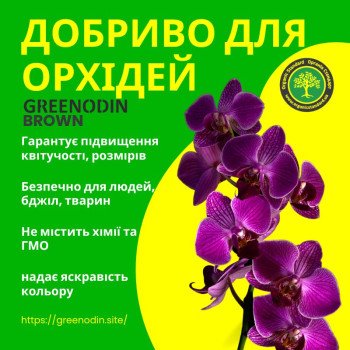
The organic orchid fertilizer GREENODIN™ contains all necessary microelements for the healthy growth and development of plants. They help orchids to build up their roots and promote their blooming. Fertilizers ™ GREENODIN is made from natural ingredients and does not contain chemicals that are harmful to plants and the environment.
Orchid Care
Here are some important points to consider when caring for orchids.
- Watering: Orchids enjoy humidity and should be watered frequently enough to keep the soil moist but not wet. One of the properties of GREENODIN fertilizers is their ability to retain moisture in the soil, preventing excessive evaporation. This property helps orchids become less demanding. It is preferable to water from the bottom, avoiding water contact with the leaves.
- Lighting: Orchids thrive in light but should not be exposed to direct sunlight. An optimal location for their growth would be a place with soft, indirect light.
- Temperature: Orchids prefer warmth and should be grown at temperatures ranging from 18 to 25 degrees Celsius. Using GREENODIN BROWN enhances the flower's stress resistance and helps protect it during temperature fluctuations. However, maintaining ideal conditions is necessary.
- Fertilization: Orchids require regular feeding with a special fertilizer for flowering plants. It is important to use fertilizers with the correct balance of micronutrients. For this purpose, use GREENODIN GARDEN SOIL as the substrate and GREENODIN BROWN organic complex orchid fertilizer. If you have a different substrate than the recommended one and do not plan to repot the orchid yet, you can fertilize the orchid by adding GREENODIN BROWN organic orchid fertilizer approximately once every six months.
These are the main recommendations for orchid care. However, there are some additional suggestions that can help your plants grow and bloom even better:
- Repotting: Orchids need to be repotted every 2-3 years when their roots fill the entire pot.
- Disease and pest control: Orchids can be susceptible to diseases and pests, so it is important to regularly check them for spider webs, spots, or yellow leaves. By using GREENODIN organic fertilizers, you can address such issues as beneficial bacteria suppress pathogenic flora in the soil.
- Flowering regimen: To encourage orchids to bloom, it is important to maintain the proper light and temperature conditions and regularly provide them with fertilization.
How to Repot an Orchid
Repotting an orchid is essential for its healthy growth and flowering. Here are the basic steps for repotting an orchid:
- Choose the right time: It is best to repot an orchid during the period between blooms to avoid damaging the flowers and leaves.
- Prepare the soil: Use a special orchid soil mix, such as GREENODIN GARDEN SOIL.
- Gently remove the plant from the flower pot, being careful not to damage the roots.
- Clean the roots of any rotten or dried-out soil and remove any tangled roots. If the roots are too tangled, you can trim them slightly to create more space for new growth.
- Add GREENODIN BROWN organic orchid fertilizer (25 grams per liter of GARDEN SOIL or any other substrate).
- Plant it in the new pot: Place the plant in the new pot, filling it with the prepared soil. Make sure the plant is at the same level as before.
- Watering: After repotting, water the orchid and allow it time to adapt to the new conditions in a cool location.
It is important to remember that orchids do not like excessive moisture in the potting medium, so it is necessary to water them carefully and allow sufficient time for drying between waterings. GREENODIN organic fertilizer retains moisture in a special silicon matrix, and water consumption occurs capillarily in the right amounts, protecting the orchid from excess moisture in the pot.
Soil for Orchids
Preparing the soil for orchids is important to provide them with the necessary conditions for growth and flowering:
- It is important to use a special substrate for orchids, such as GARDEN SOIL flower soil mix.
- Orchid soil should have good drainage to avoid water stagnation, which can lead to root rot.
Orchids prefer a neutral to slightly acidic soil with a pH around 6.0-6.5. This means that the soil should be slightly acidic but not overly acidic. The GARDEN SOIL flower soil mix has a pH of 6.5.
How to Determine Soil Acidity
If you don't know the acidity of your soil, it's essential to test it! Each plant has its preferred soil acidity level, and not adhering to the correct acidity guidelines can leave your plants susceptible to diseases.
There are several methods to test soil pH:
- pH testing kits: This is the simplest and most accessible method. pH testing kits can be purchased at garden supply stores or online. They typically come with instructions for use and provide results within a few minutes.
- Soil acidity meter: This is a more precise method of measuring pH. It uses an electronic device to measure the soil's electrical conductivity, which is related to pH. This method may be more expensive but provides more accurate results.
It is important to remember to conduct a soil test before planting and periodically check the pH level throughout the growing process to ensure it remains within the optimal range.
Common Orchid Diseases
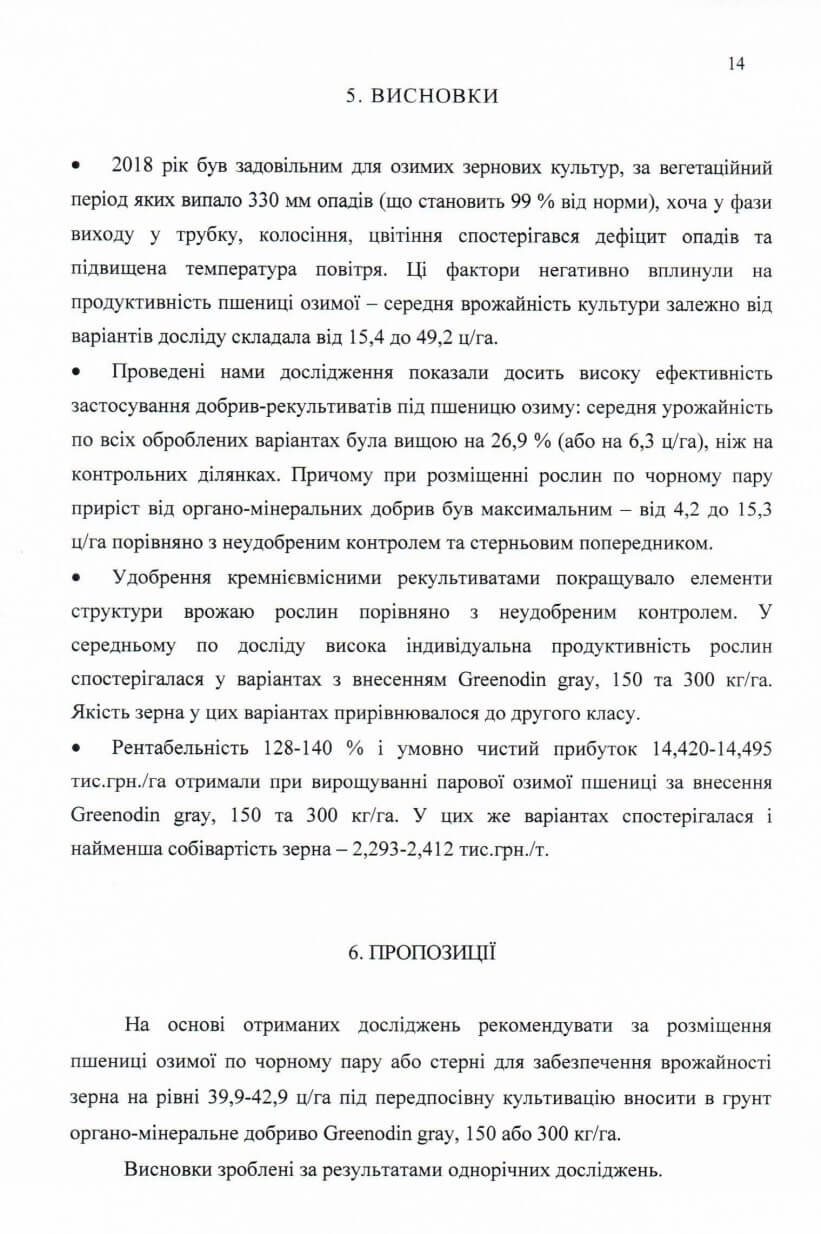
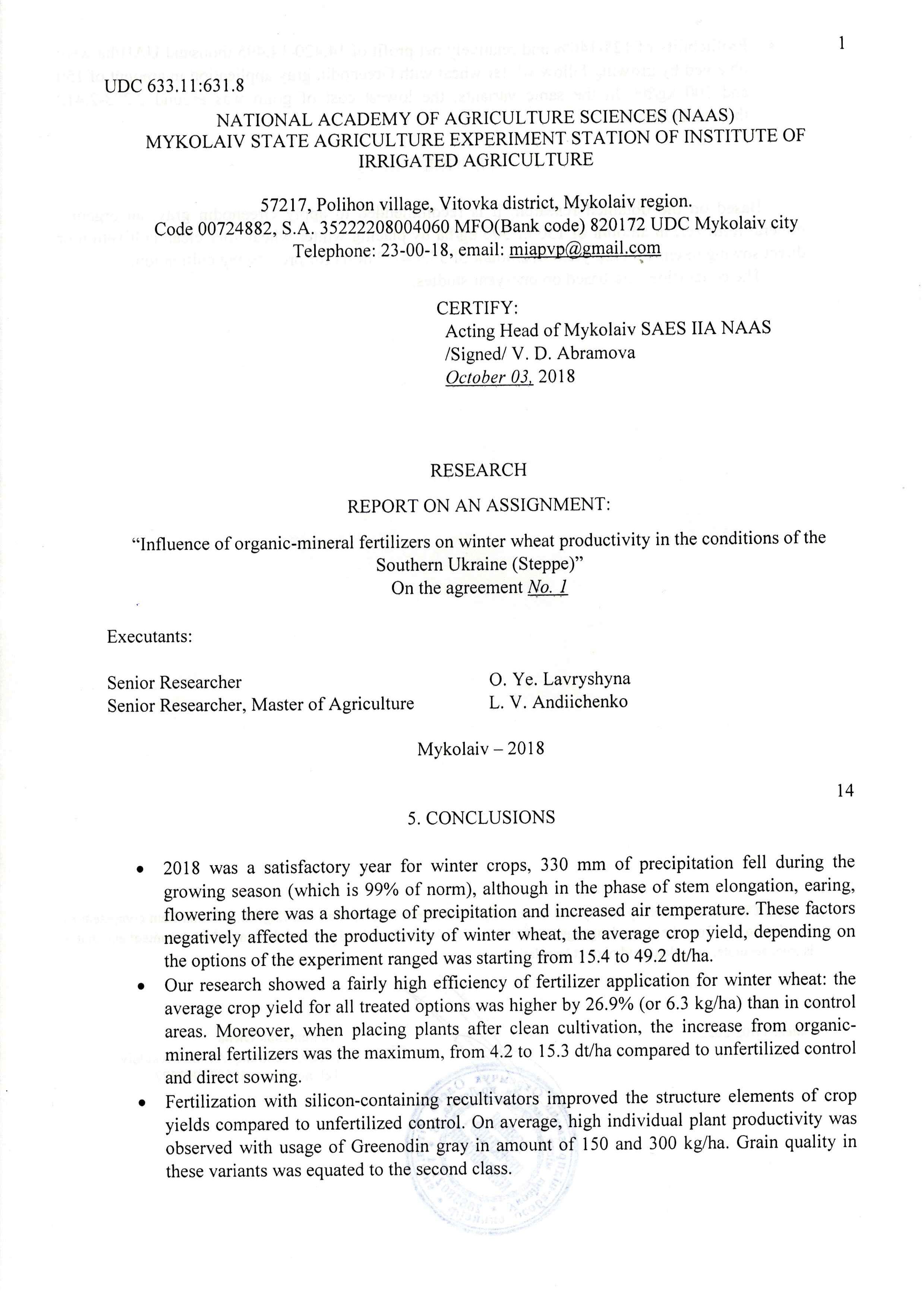
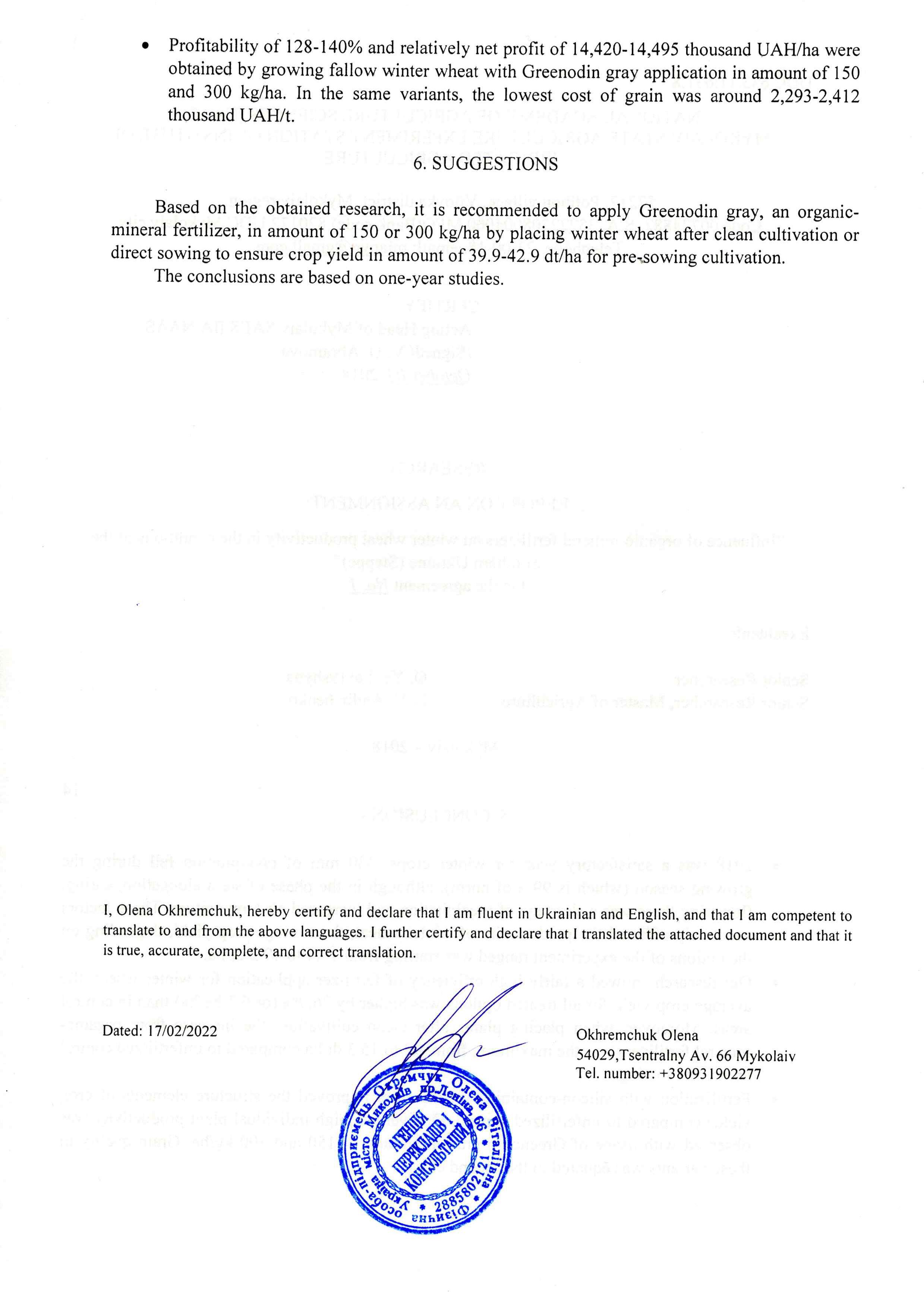
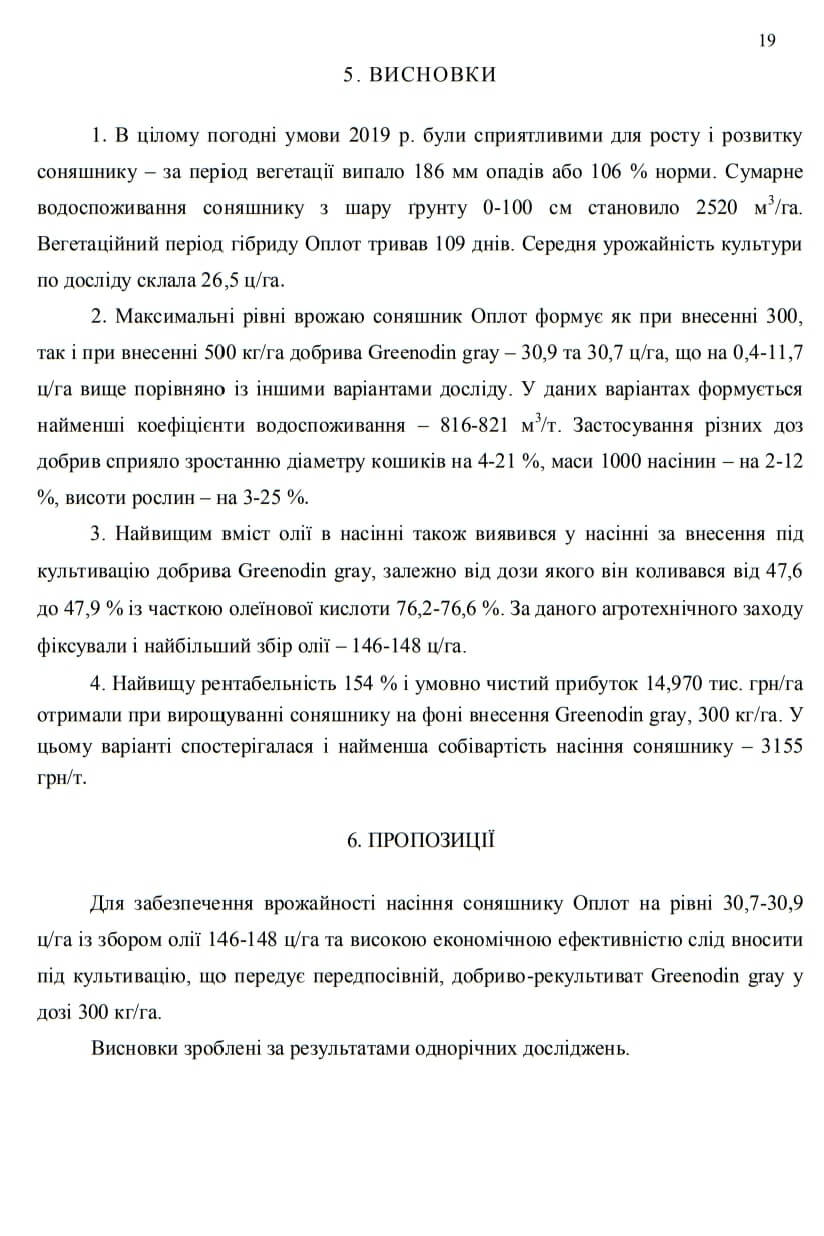
GREENODIN's special Orchid fertilizer is designed not only to protect against diseases but also to prevent their occurrence. This is achieved by boosting the plant's "immunity" and applying beneficial protective bacteria that suppress the pathogenic flora in the soil.
Without such protection, orchids can be susceptible to various diseases, but the most common ones are:
- Powdery Mildew: This is a fungus that causes the appearance of white or gray spots on the leaves and stems.
- Leaf Spot Disease: This is another fungus that leads to the development of yellow or brown spots on the leaves.
- Black Rot: This is a bacterial disease that causes the rotting of roots and the root system of the plant.
- Black Spot Disease: This is another bacterial disease that causes the appearance of black spots on the leaves and stems.
- Brown Root Rot: This condition can occur due to increased substrate moisture, poor soil quality, or alkalization of the soil due to watering with hard water.
If your flower is growing in a favorable environment and receiving proper natural nutrition without chemicals, it will not be susceptible to these diseases!
Such favorable conditions are precisely what the comprehensive organic fertilizer GREENODIN provides. The presence of all the necessary micronutrients ensures plant immunity, while beneficial bacteria create the necessary soil environment and protect against harmful fungi, and more.
If you want to buy an orchid fertilizer that will help your plants grow and bloom in perfect condition, then organic fertilizer for orchid GREENODIN is what you need.
We guarantee the quality of our fertilisers. Take a chance to care for your orchids and give them everything they need to grow and bloom healthily. Order now and enjoy the beauty of your orchids at home!
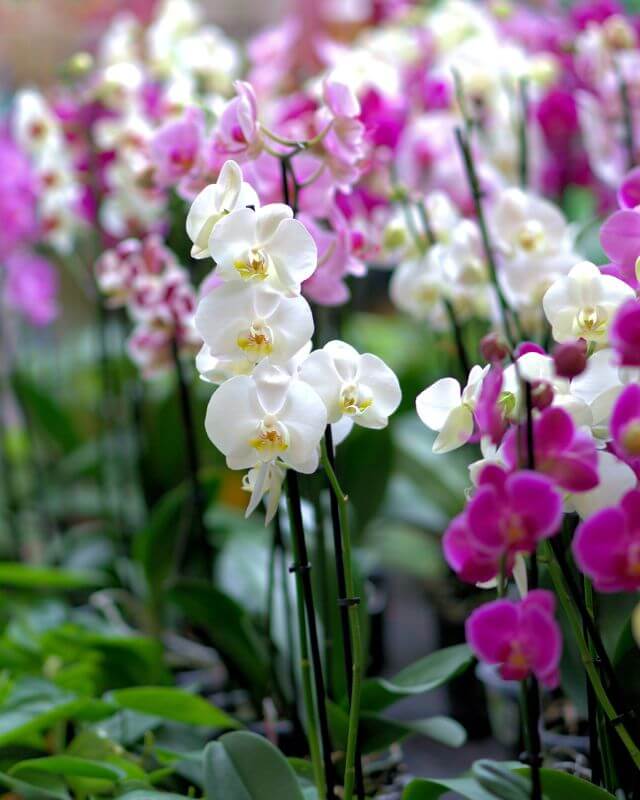
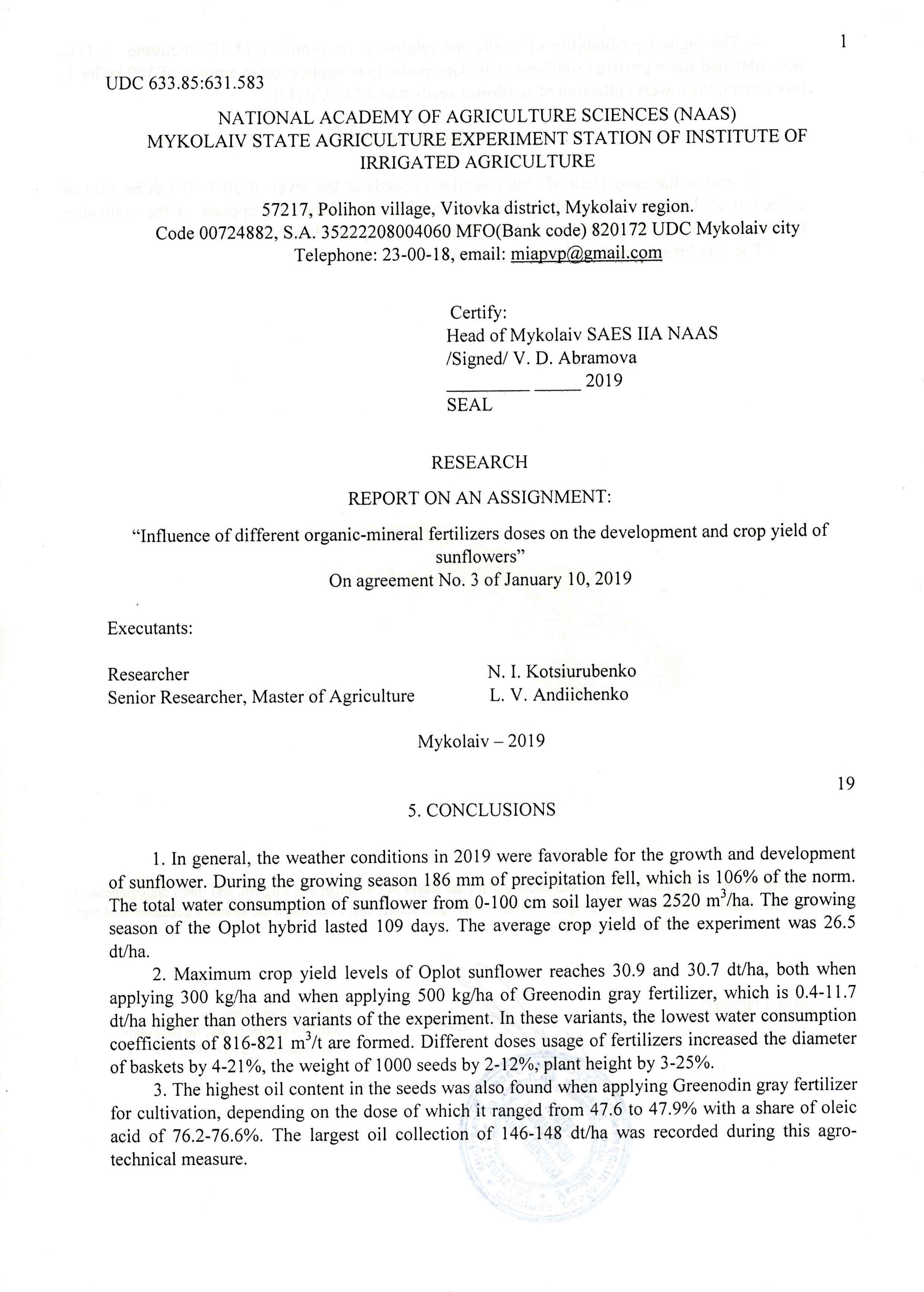
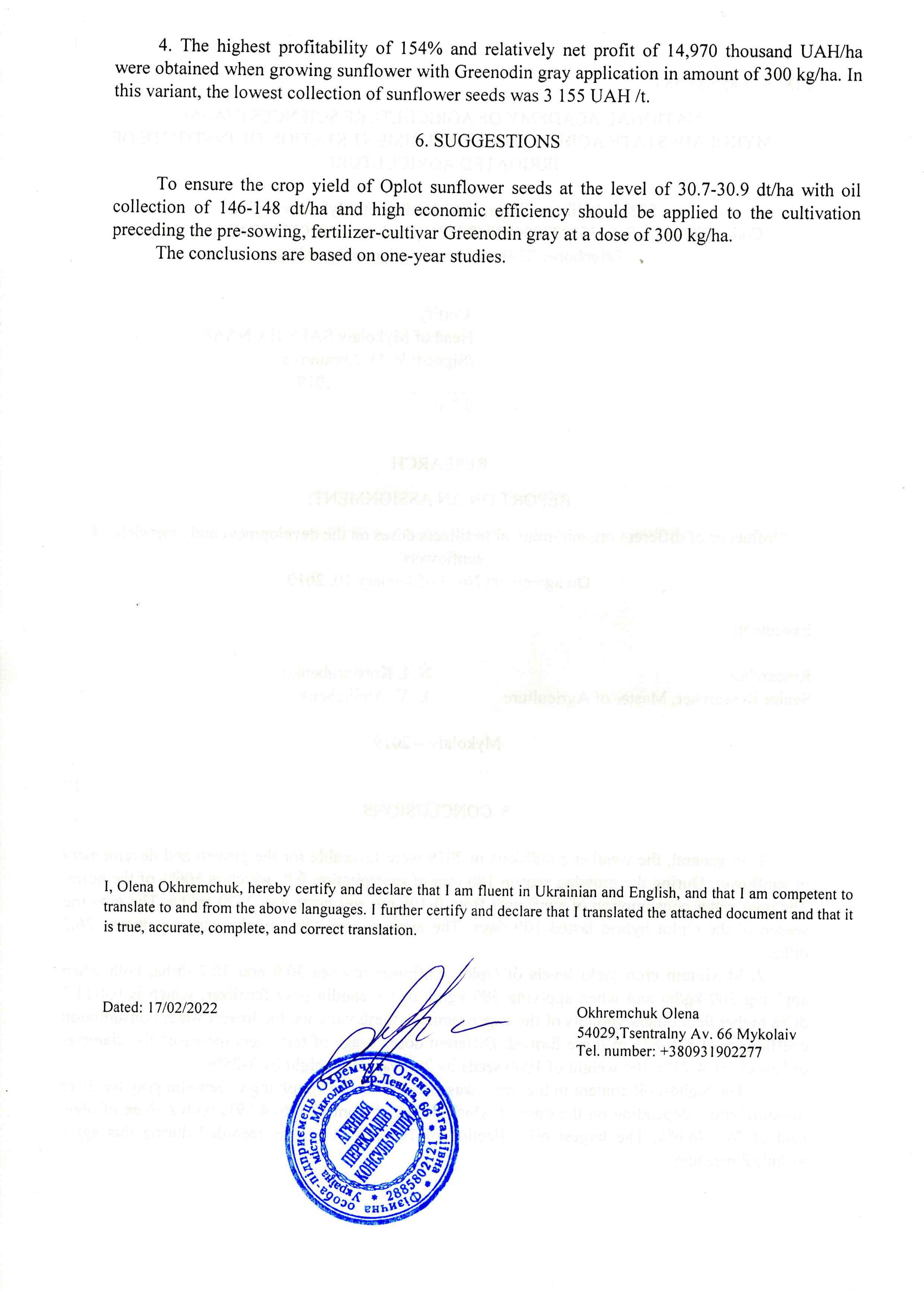
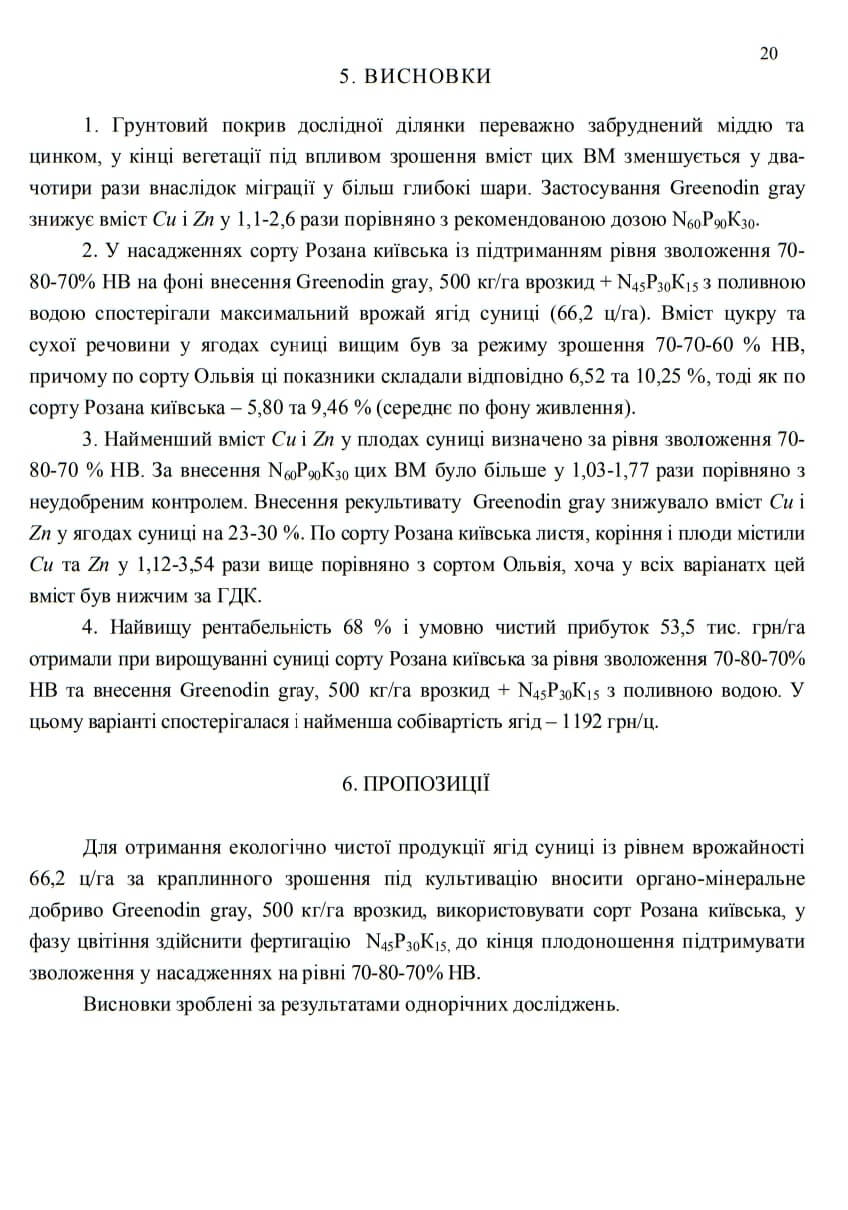
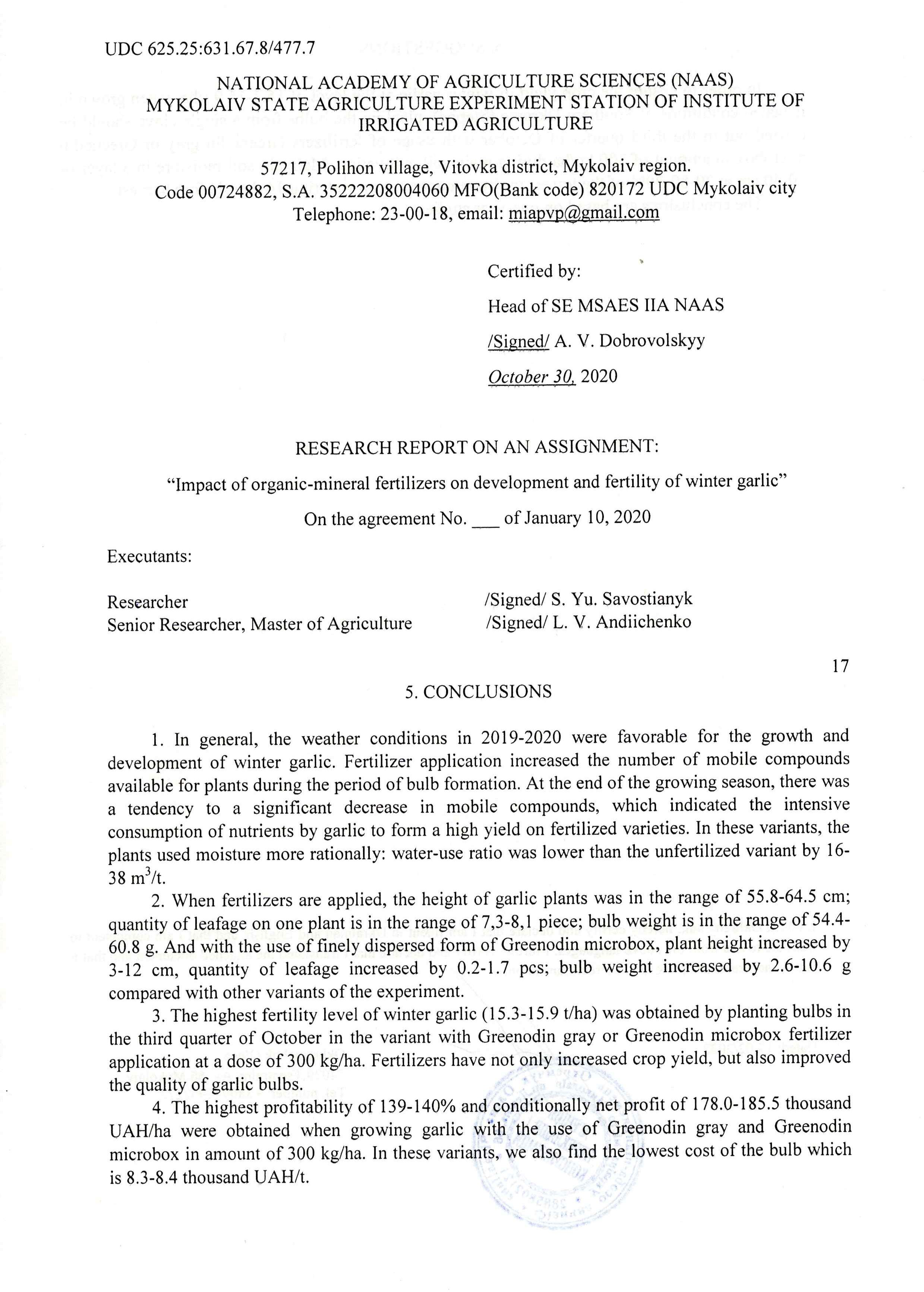
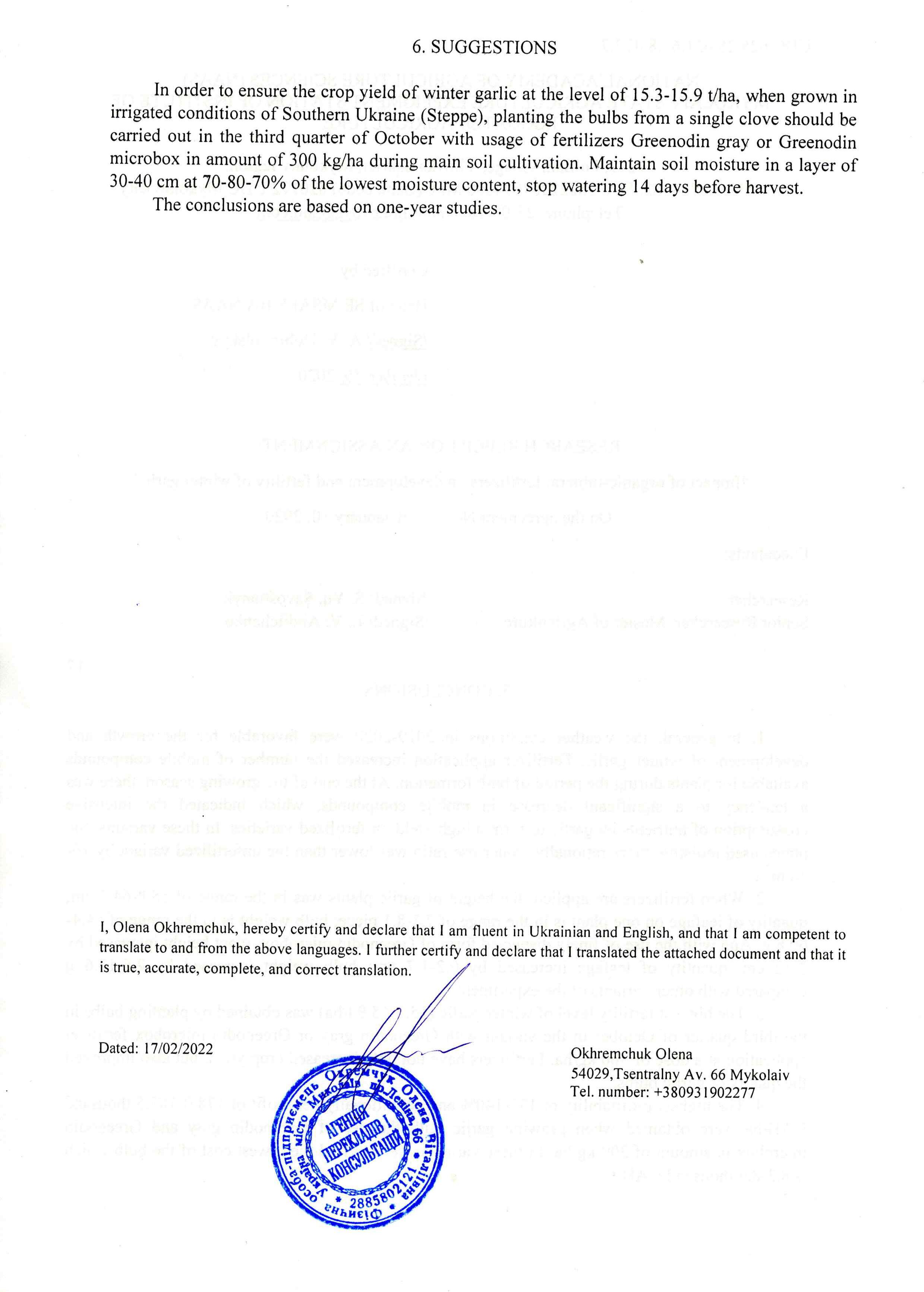
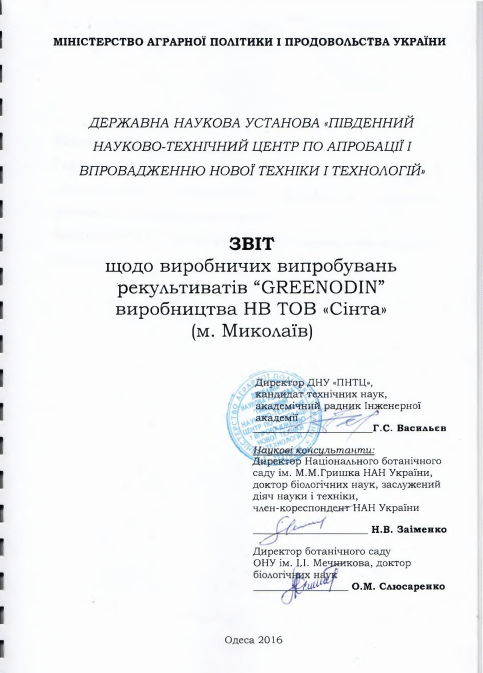
Organic fertilizers for orchids were developed with the assistance of the Botanical Garden named after N.N. Grishka of the National Academy of Sciences of Ukraine.
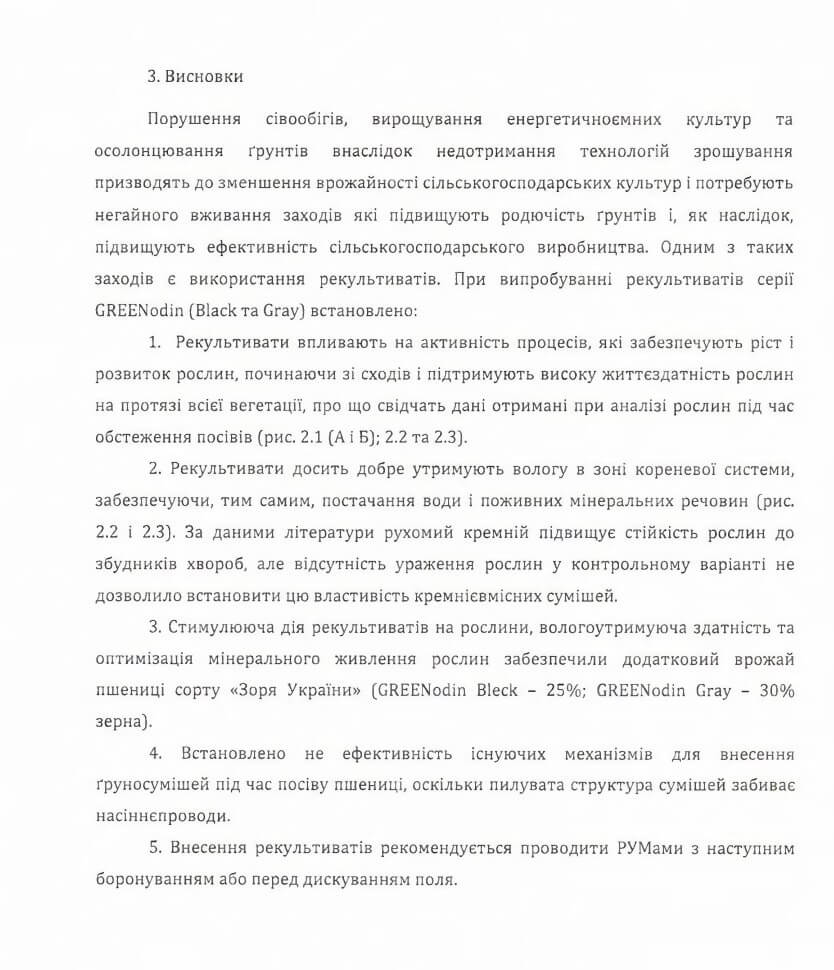
Fertilizer application has shown excellent results even on "tired" garden soils. Numerous studies have proven a positive complex effect on flowers:
- protects against known diseases
- increases the fertility of the soil, gives full proper nutrition
- strengthens the root system
- increases the stress tolerance of the plant
- increases luster, enhances the brightness of leaves and flowers
- the flower becomes 20-30% larger
Orchids are some of the most beautiful and exquisite flowers you can grow at home. However, in order for them to grow and bloom in perfect condition, they need to be given the right soil condition.
The Organic Fertilizer for Orchids GREENODIN BROWN is the best choice for those who want to ensure the healthy development of their plants and their blooms in perfect condition.
Unique properties of organic fertilizer for Orchid TM GREENODIN


Why customers consider GREENODIN the best fertilizer for Orchids
Based on our customer feedback, we have compiled a list of reasons why customers rated GREENODIN as the best fertilizer for OrchidsProtective bacteria Bacillus Subtilis

Thermal protection of plants
Biochemical plant protection
Root formation
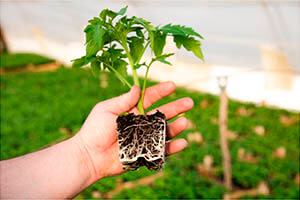
Growth acceleration
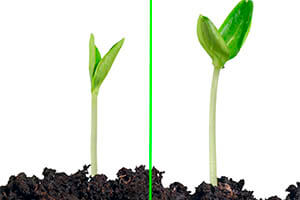
Saturated bright color

Drought tolerance