



Complex
Organic Fertilizers GREENODIN
Recultivates
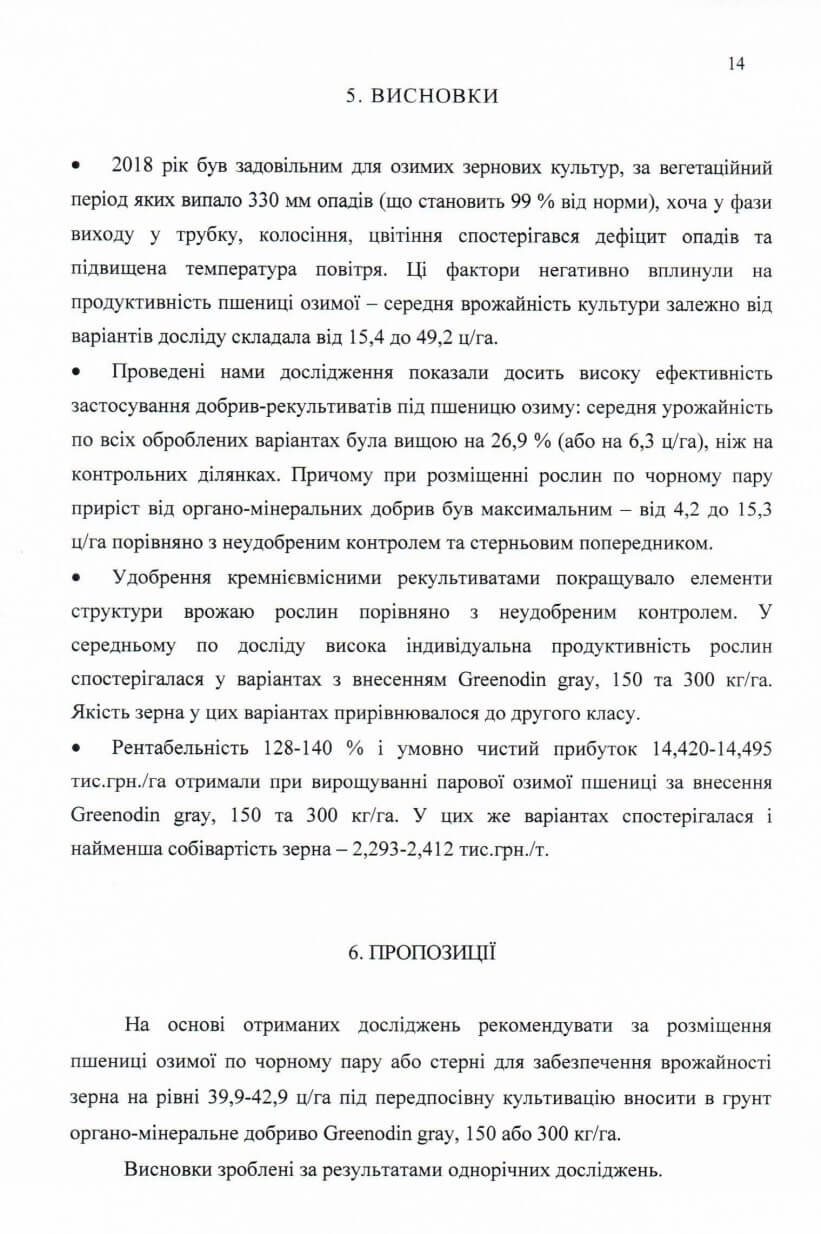
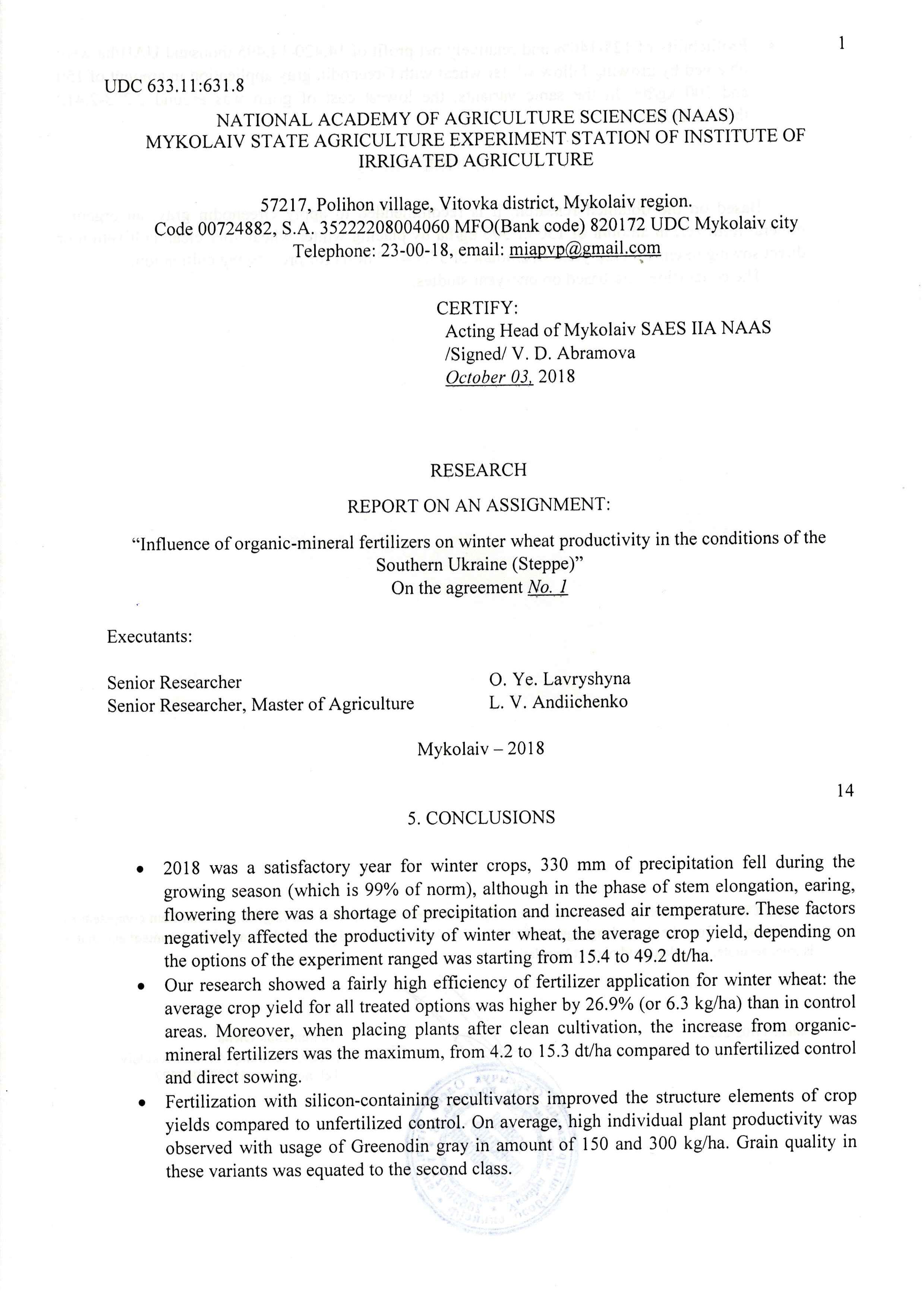
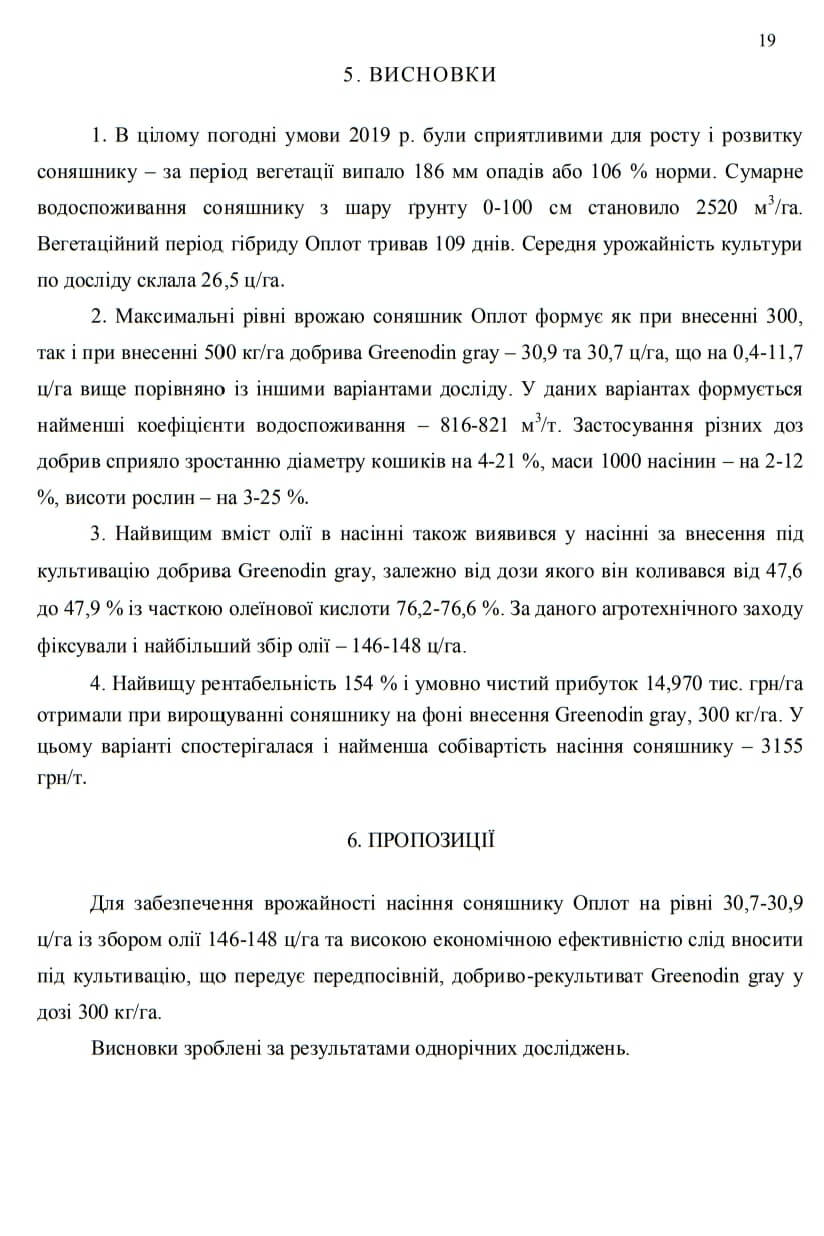
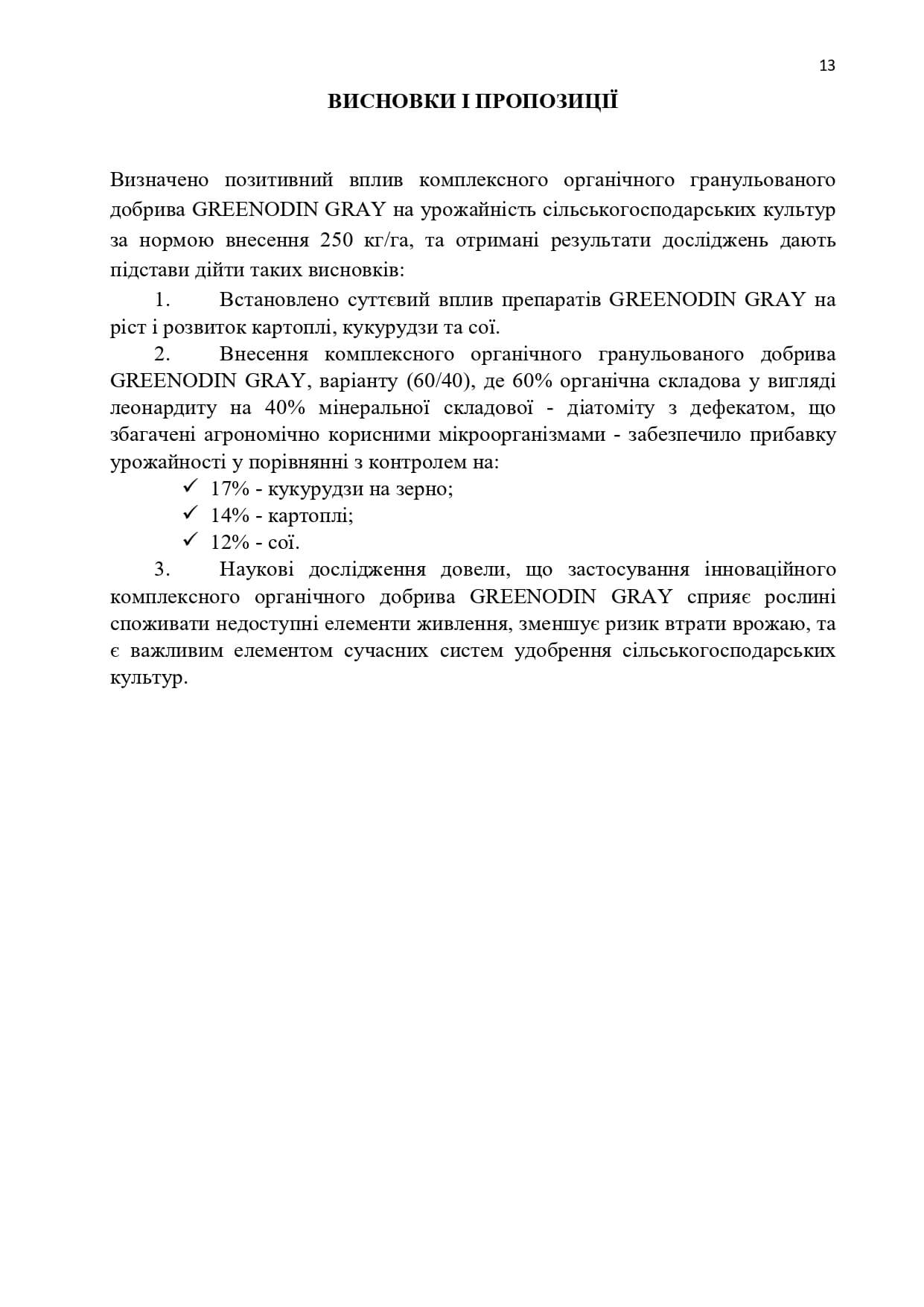
Increase yields by up to 65%
Accelerate growth of crops by 30%
Save water - up to 40%
Restore the fertility of soils
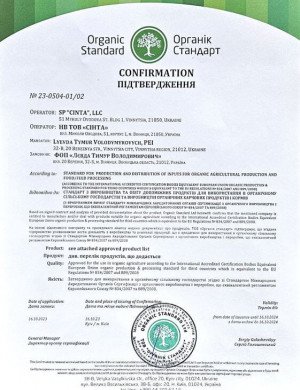
Grow organic food
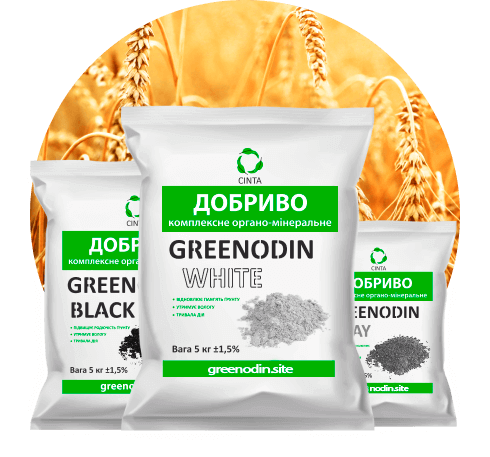





Watch video: "How GREENODIN fertilizer works"
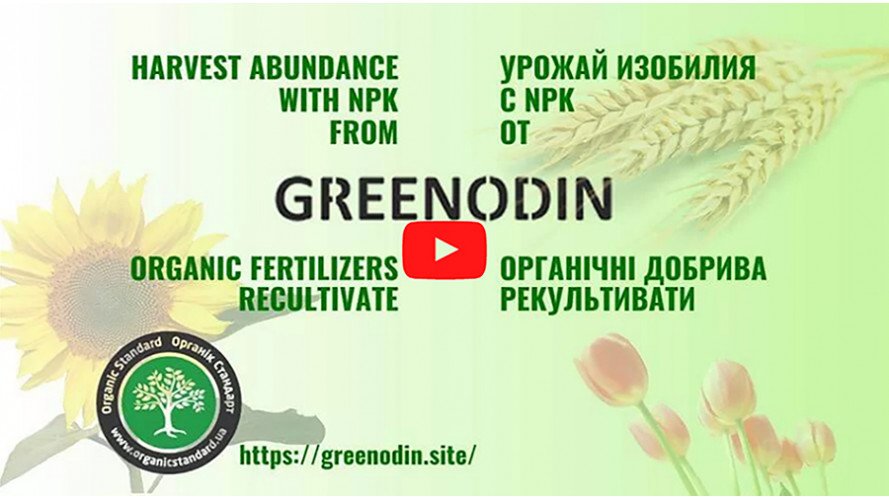 How GREENODIN fertilizer works
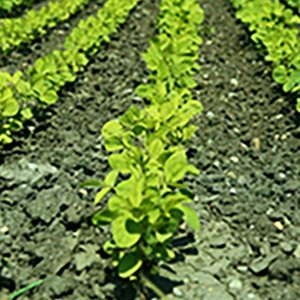
Crop production
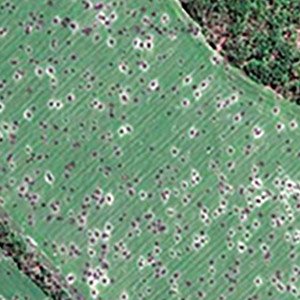
Lands recultivate
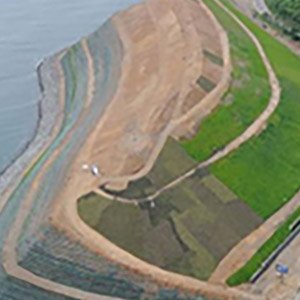
Landscaping of industrial dumps and tails of the mining industry
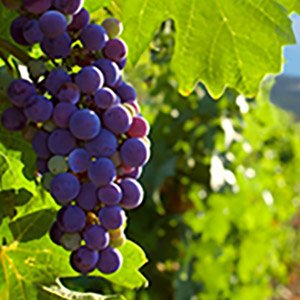
Industrial horticulture and viticulture
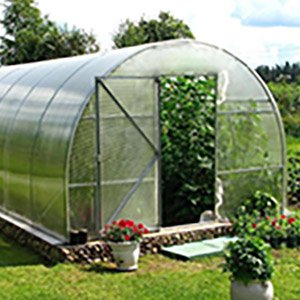
Greenhouse farming
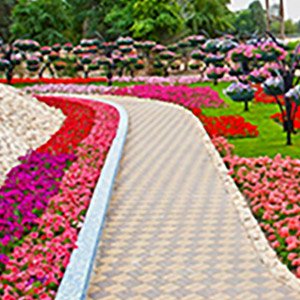
Road facilities and improvement of the city
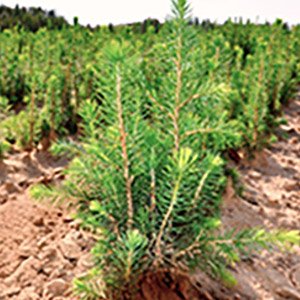
Forestry and restoration of windbreak forest plantations
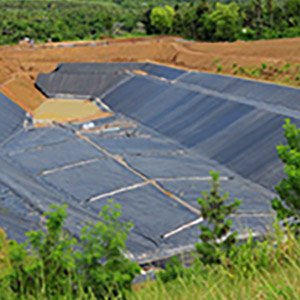
Conservation of solid waste landfills
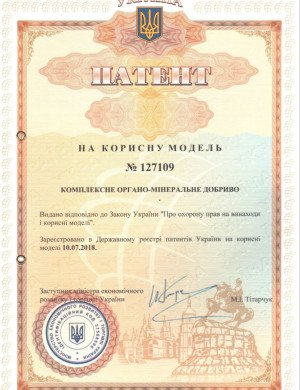
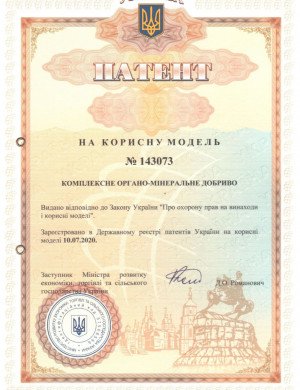
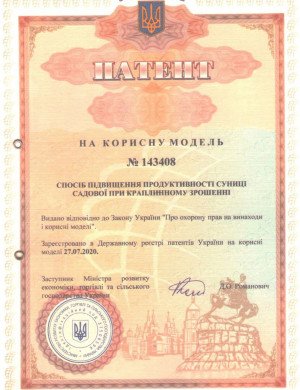

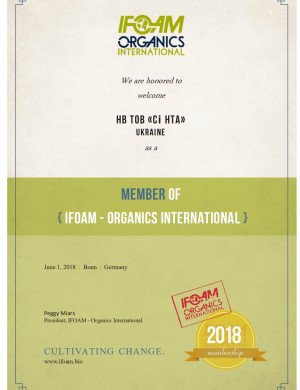
 ЮТЦ Спельта озима 2016 рiк Greenodin
 ЮТЦ Спельта озима 2016 рiк Greenodin

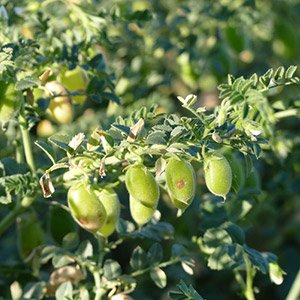
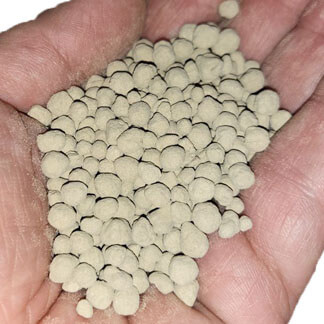
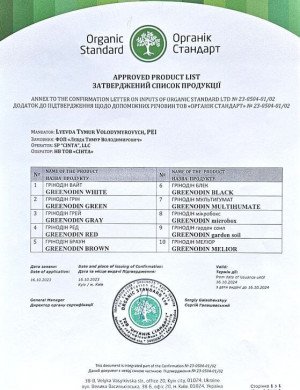
GREENODIN WHITE
for sandy loamy soils
has a strong moisture holding capacity
Application norm: 80-250 kg/ha
Acidity (pH): 8.0-10.0
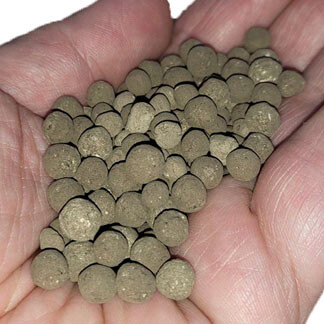
GREENODIN GRAY
for all types of soils, including pollution
has an average moisture holding capacity
Application norm: 80-250 kg/ha
Acidity (pH): 7.0-8.0
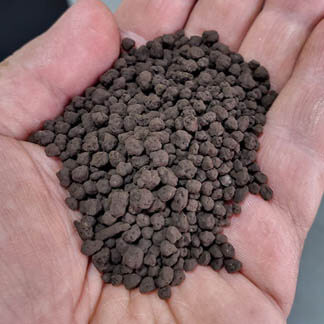
GREENODIN RED
for acidic soils, including depleted
has an average moisture holding capacity
Application norm: 80-250 kg/ha
Acidity (pH): 7.0-8.0
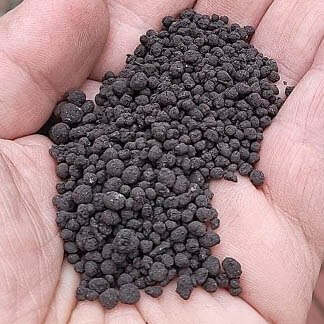
GREENODIN BROWN
for alkaline soils, including depleted
has an average moisture holding capacity
Application norm: 80-250 kg/ha
Acidity (pH): 5.0-6.0
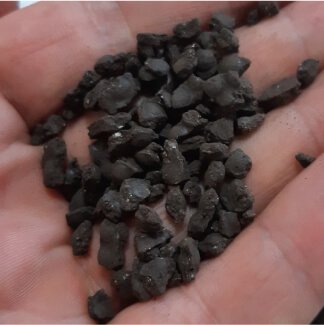
GREENODIN BLACK
for depleted, degrading and polluted soils
has a low moisture holding capacity
Application norm: 80-250 kg/ha
Acidity (pH): 6.0-7.0
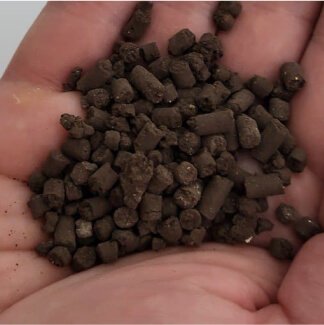
GREENODIN MULTIHUMATE
for all types of soils, including depleted
has an average moisture holding capacity
Application norm: 80-250 kg/ha
Acidity (pH): 6.5-7.5
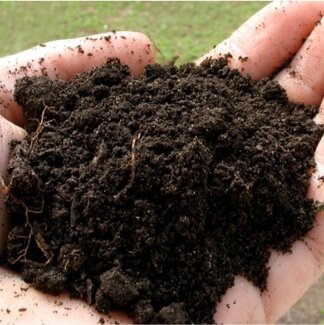
GREENODIN GARDEN SOIL
soil substrate for open and closed farming
has a low moisture holding capacity
Application norm: up to 2 l per 1 m³
Acidity (pH): 6.5-7.5
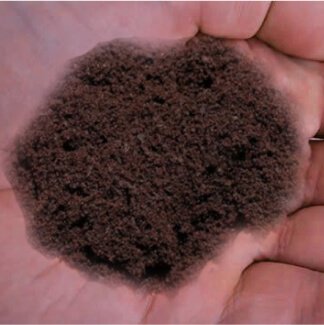
GREENODIN MICROBOX
for indoor farming (greenhouses, greeneries)
has an average moisture holding capacity
Application norm: 80-250 kg/ha
Acidity (pH): 6.5-7.5
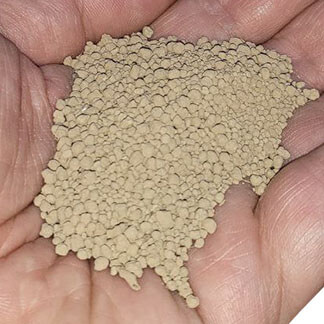
GREENODIN MELIOR
for acidic and depleted soils
has a high moisture holding capacity
Application norm: 100-400 kg/ha
Acidity (pH): 8.0-9.0