



Reducing the use of mineral fertilizers
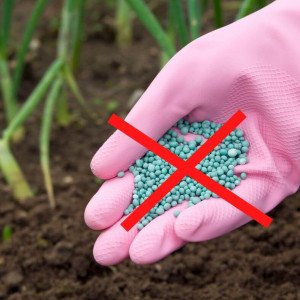
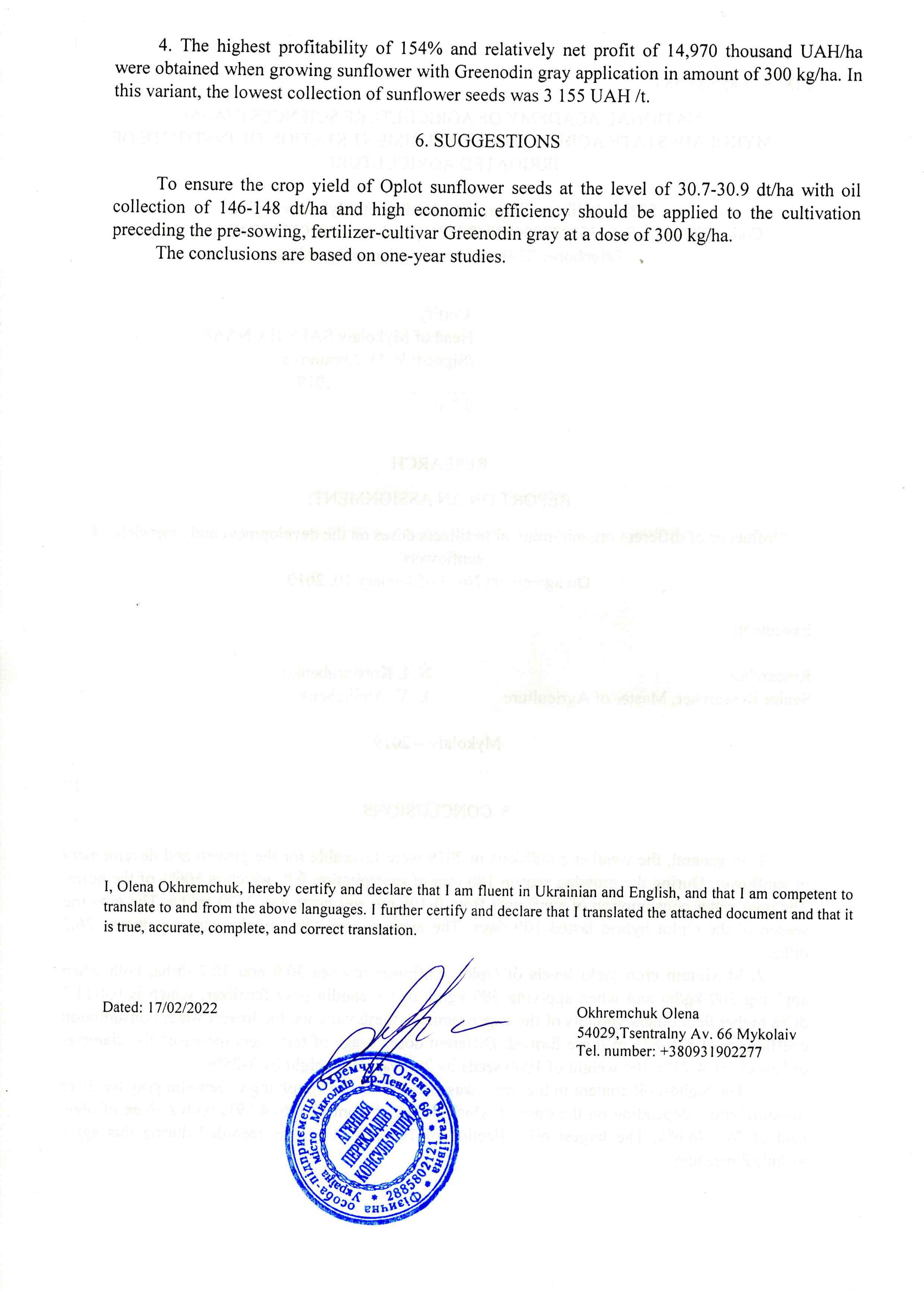
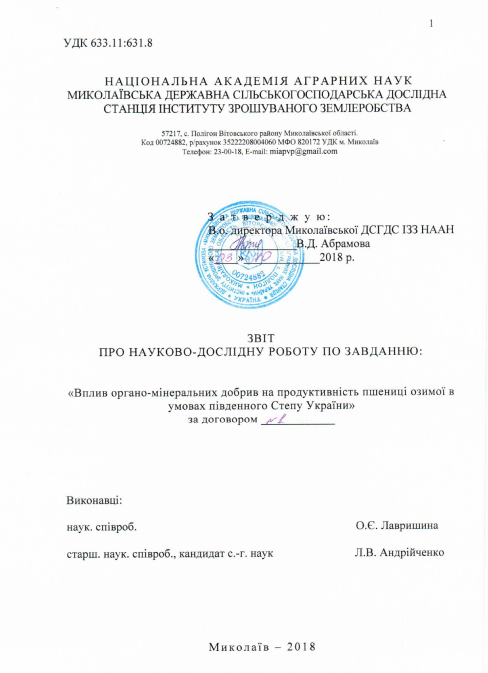
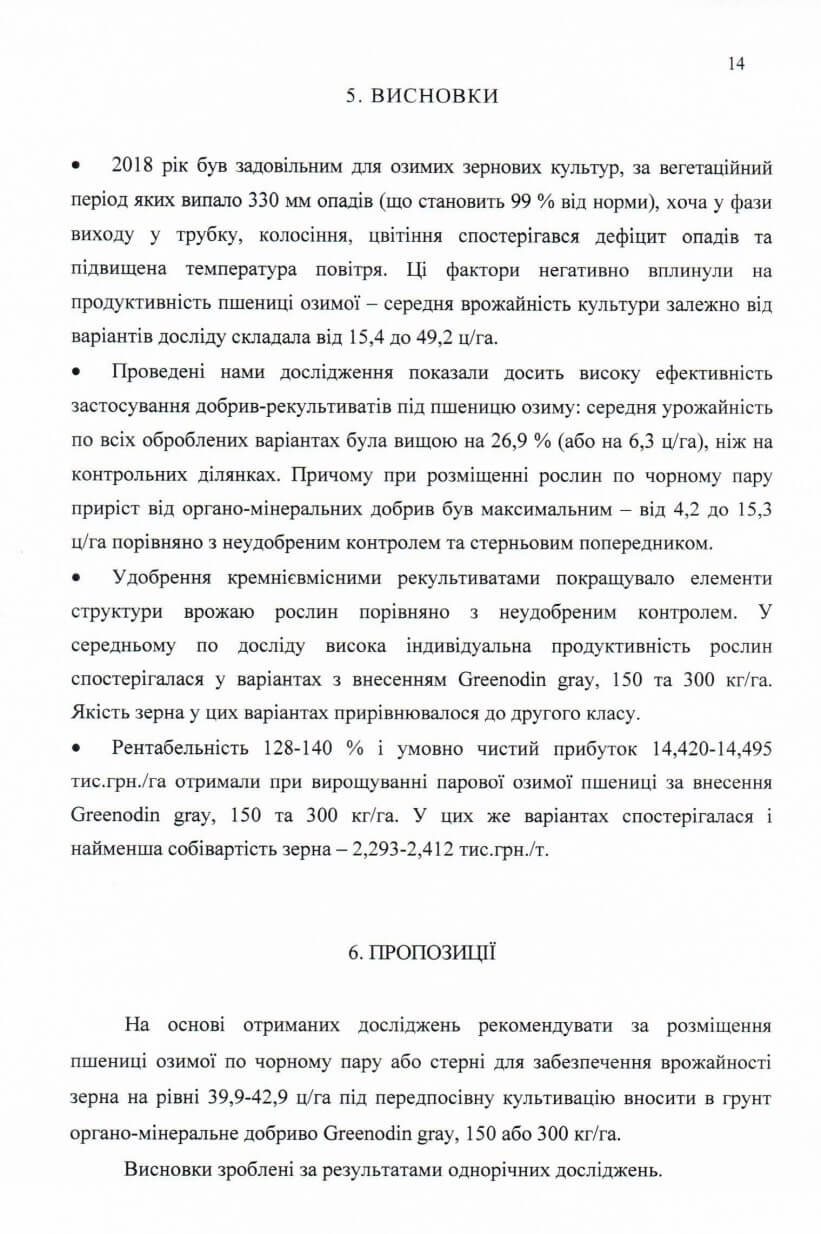
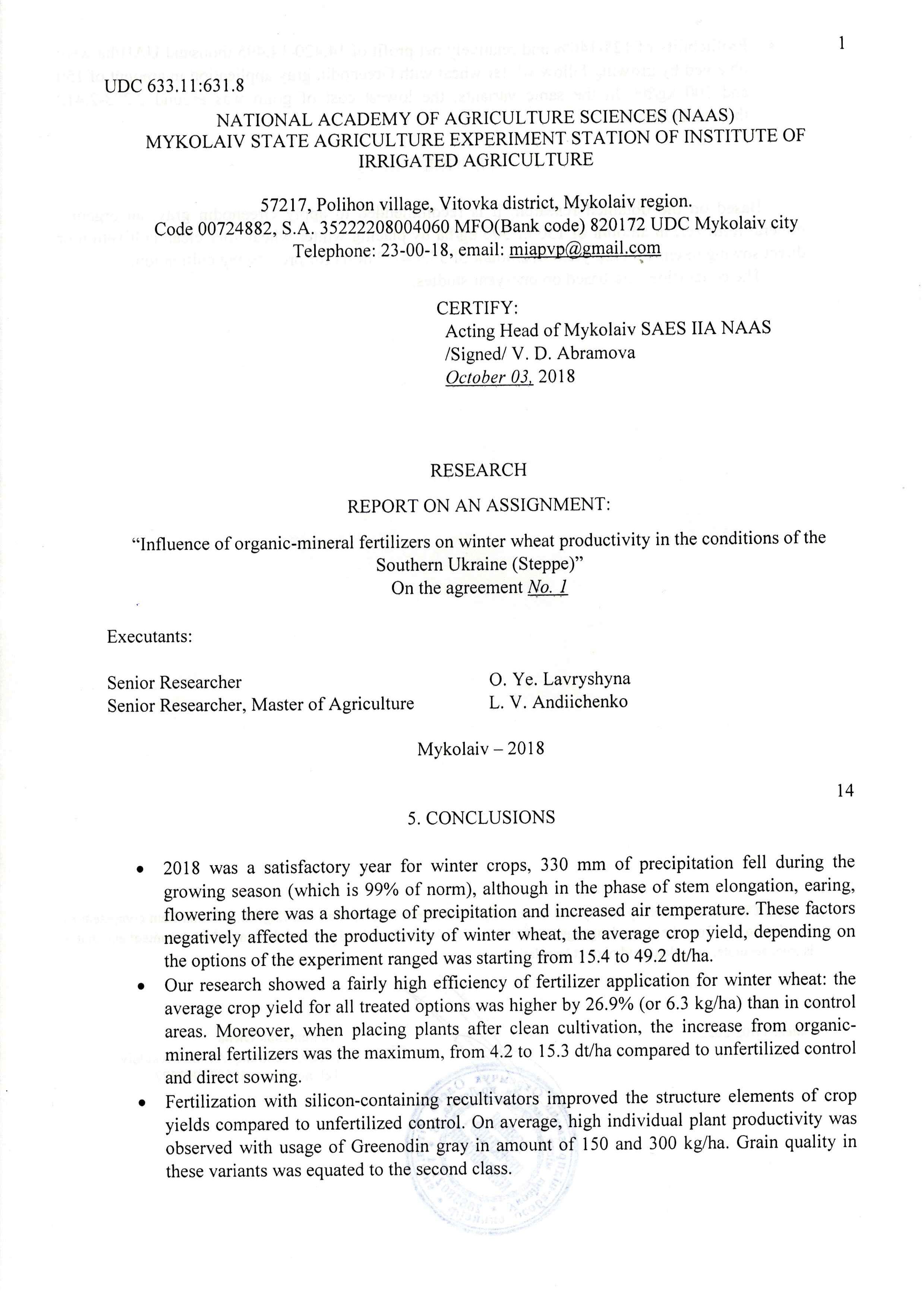
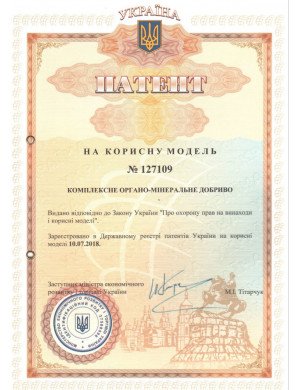
Using complex organo-mineral fertilizers, ameliorants, recultivats and soil substrates GREENODIN, you can safely reduce the consumption of mineral (chemical) fertilizers by 50%, up to 100% complete rejection of them, without loss of yield. The results obtained are equal and exceed the results of the use of mineral fertilizers.
Research on the application of GREENODIN organic fertilizers
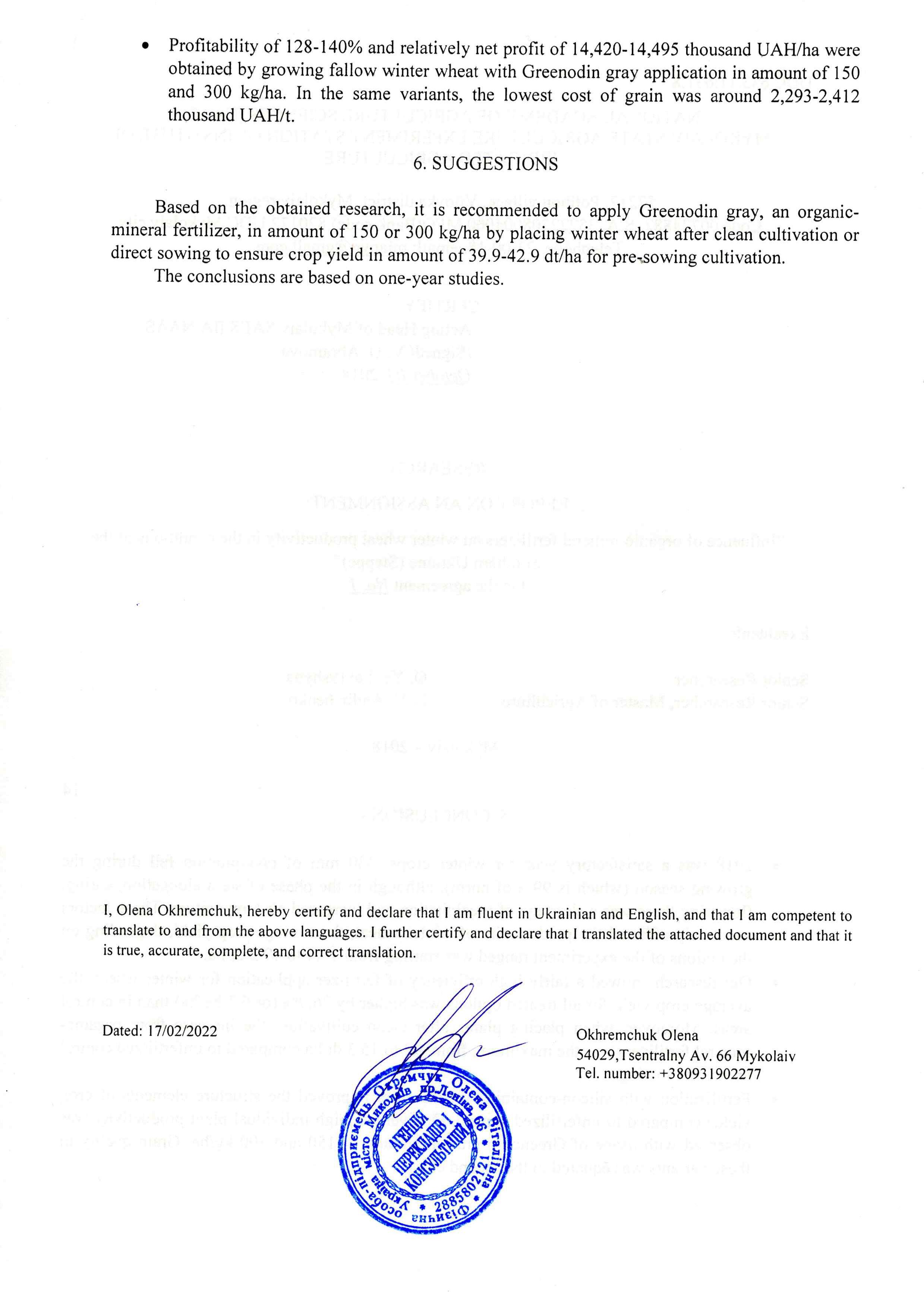
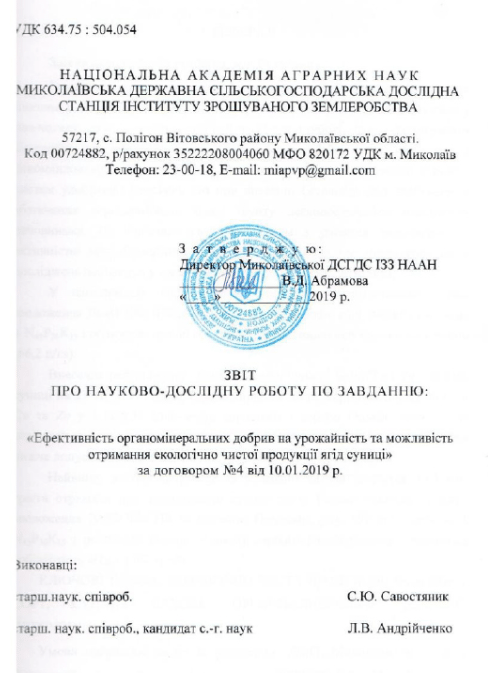
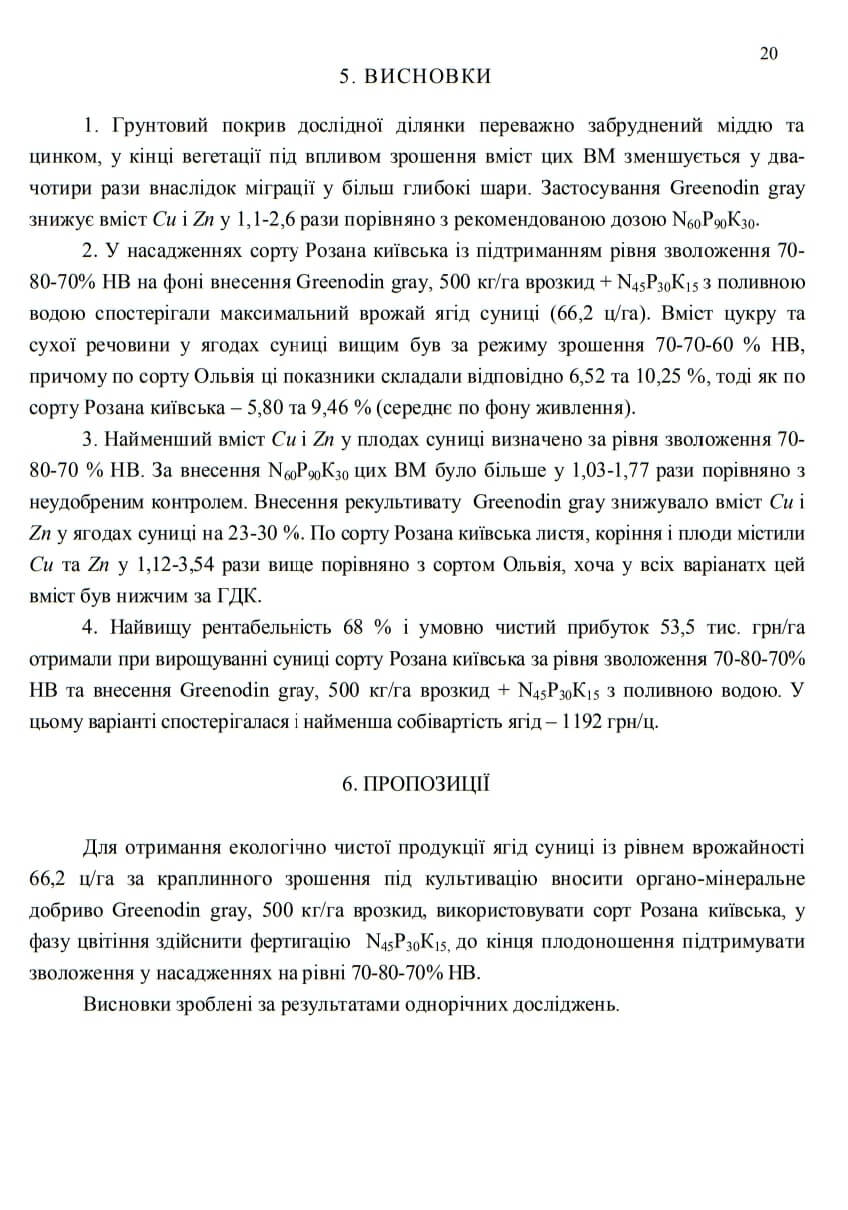
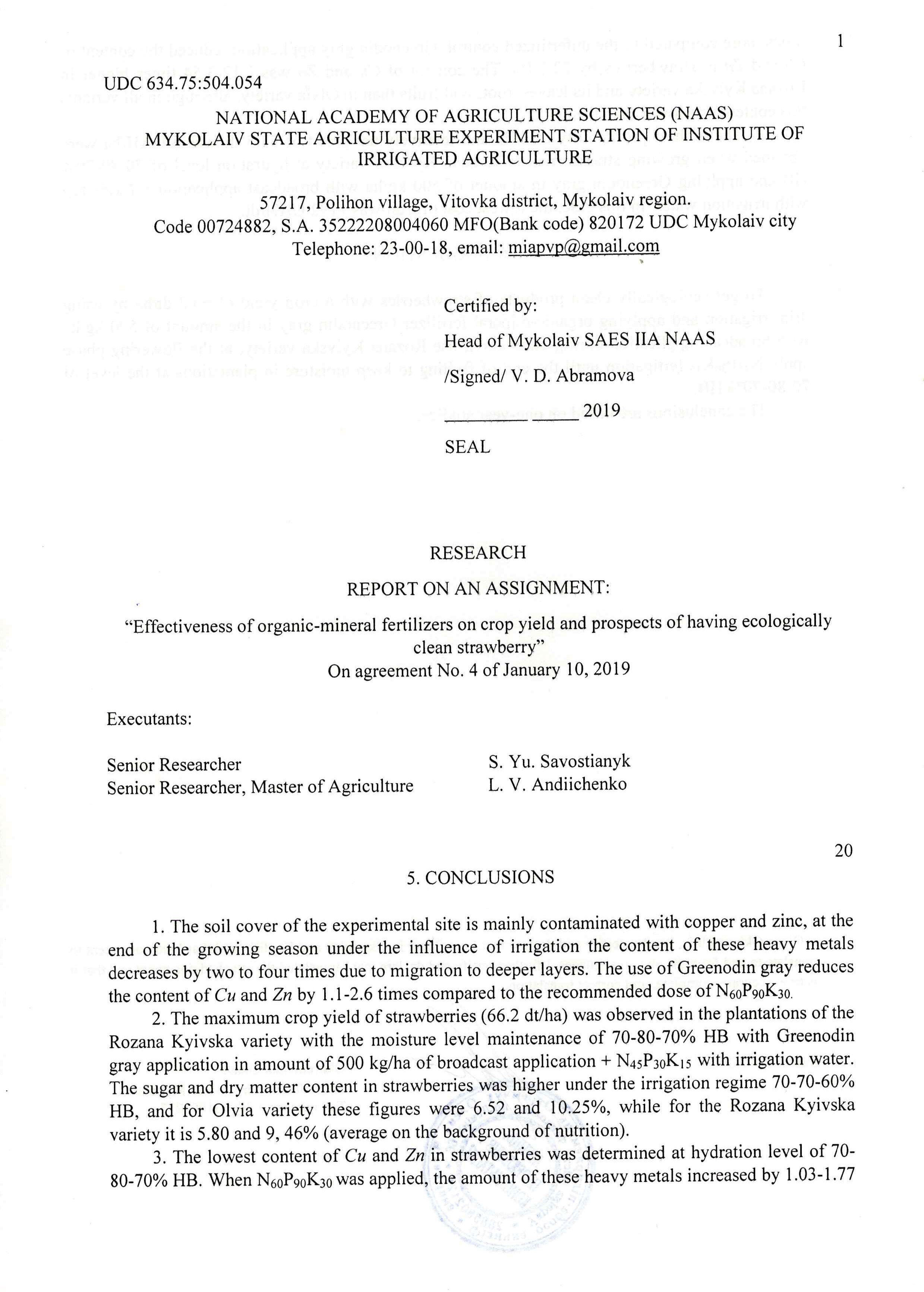
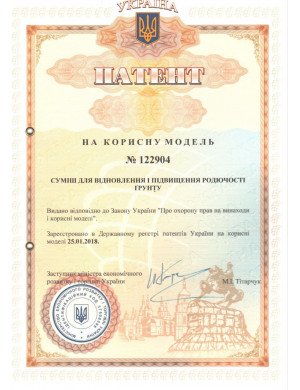
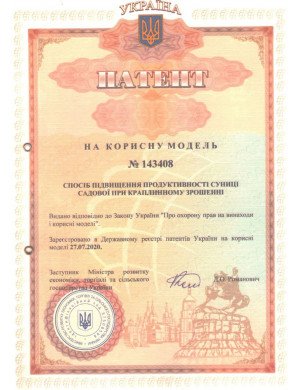
Such conclusions were made by specialists of the Nikolaev State Agricultural Experimental Station of Irrigated Agriculture when testing GREENODIN on various crops, including winter crops: wheat, garlic, barley and corn. A positive result of increasing the productivity of garden strawberries with drip irrigation has also been established. Patented corresponding method from 07/27/2020.
What makes it possible to reduce the use of mineral fertilizers?
This action is achieved due to the complex composition of the GREENODIN products themselves, where a certain function is performed by silicon, which absorbs heavy metals and acts as a building material for nitrogen-fixing, potassium- and phosphorus- producing bacteria, which additionally supply plants with food. Humic and fulvic acids, which enrich the granule during production, form mobile complexes with all useful microelements, which subsequently enter the plants.
In its totality, the use of GREENODIN organic fertilizer increases the quantity, quality of products and improves both the general condition of the plant and the soil in which such a plant exists. Prevention of stress factors is an additional pleasant bonus from the use of GREENODIN recultivat.
Economic effect of using GREENODIN products
Even aggressive plant species such as rapeseed, sunflower and corn, which require a lot of nitrogen, achieve a similar result in terms of quantity, but significantly better in quality, when using GREENODIN organic products against the backdrop of a 50-70% reduction in mineral fertilizers. At the same time, farmers received a huge economic benefit, since chemical fertilizers have a price much higher than organic ones, with similar associated costs.
Reports on the use of organic fertilizers
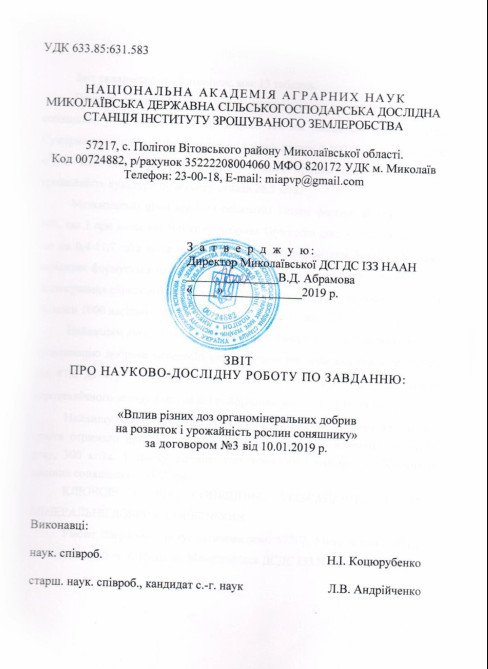
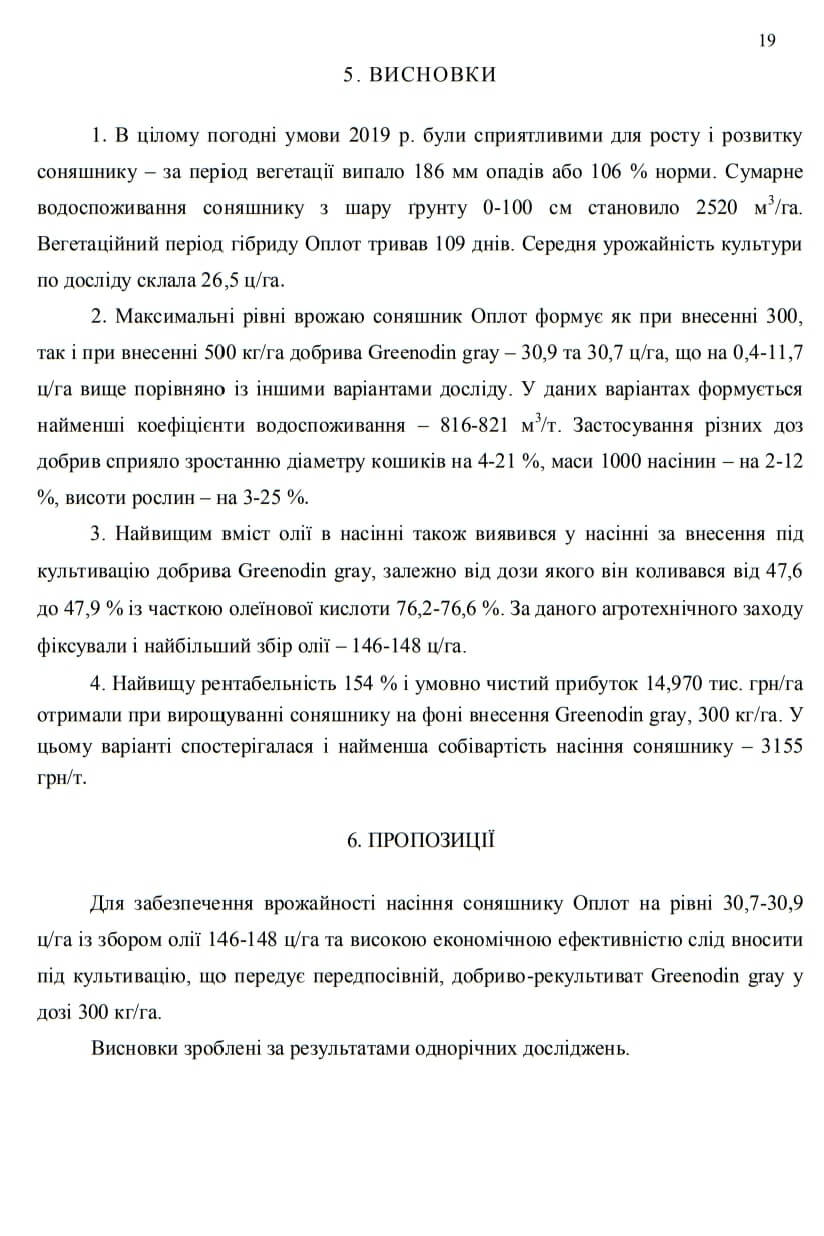
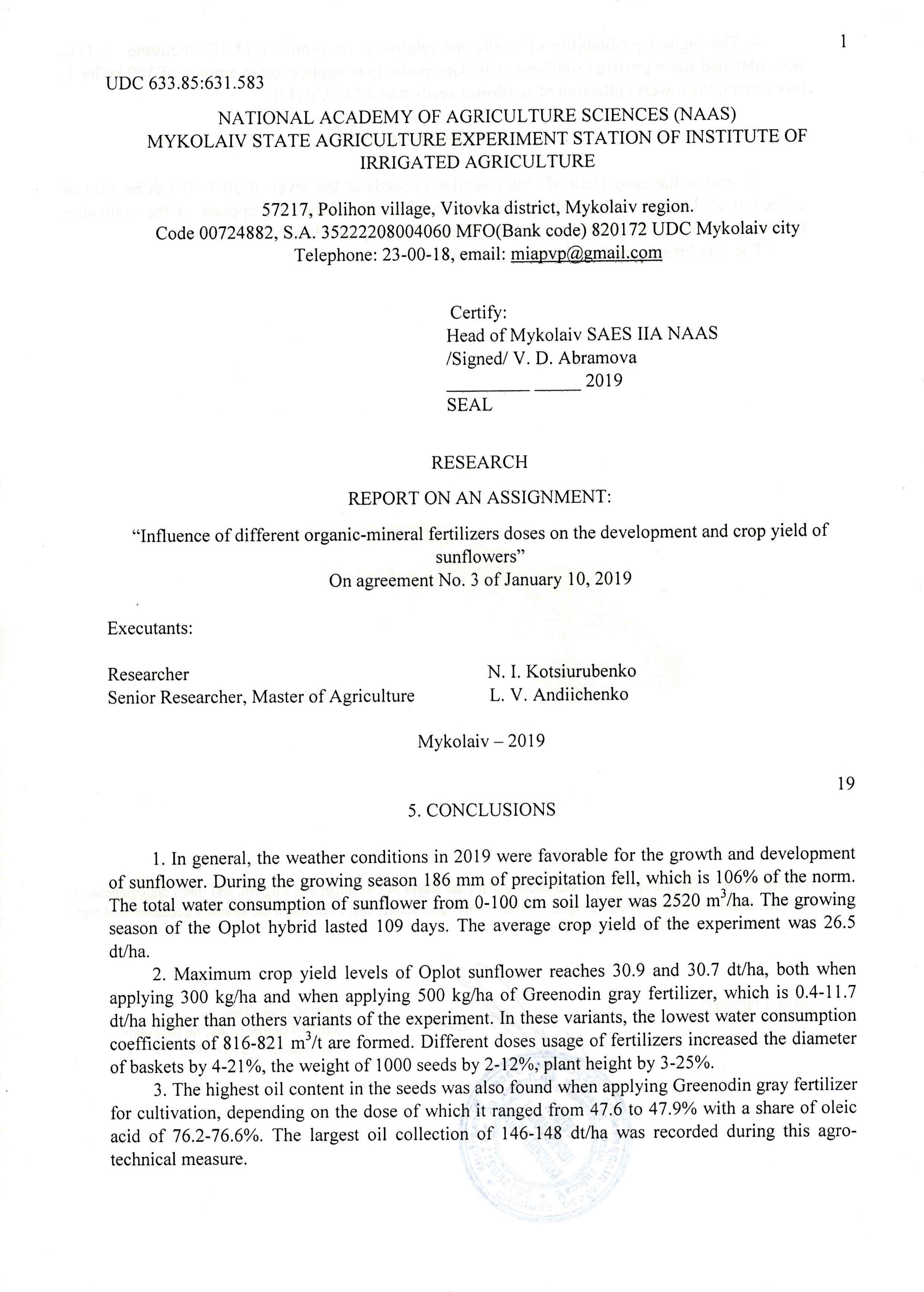
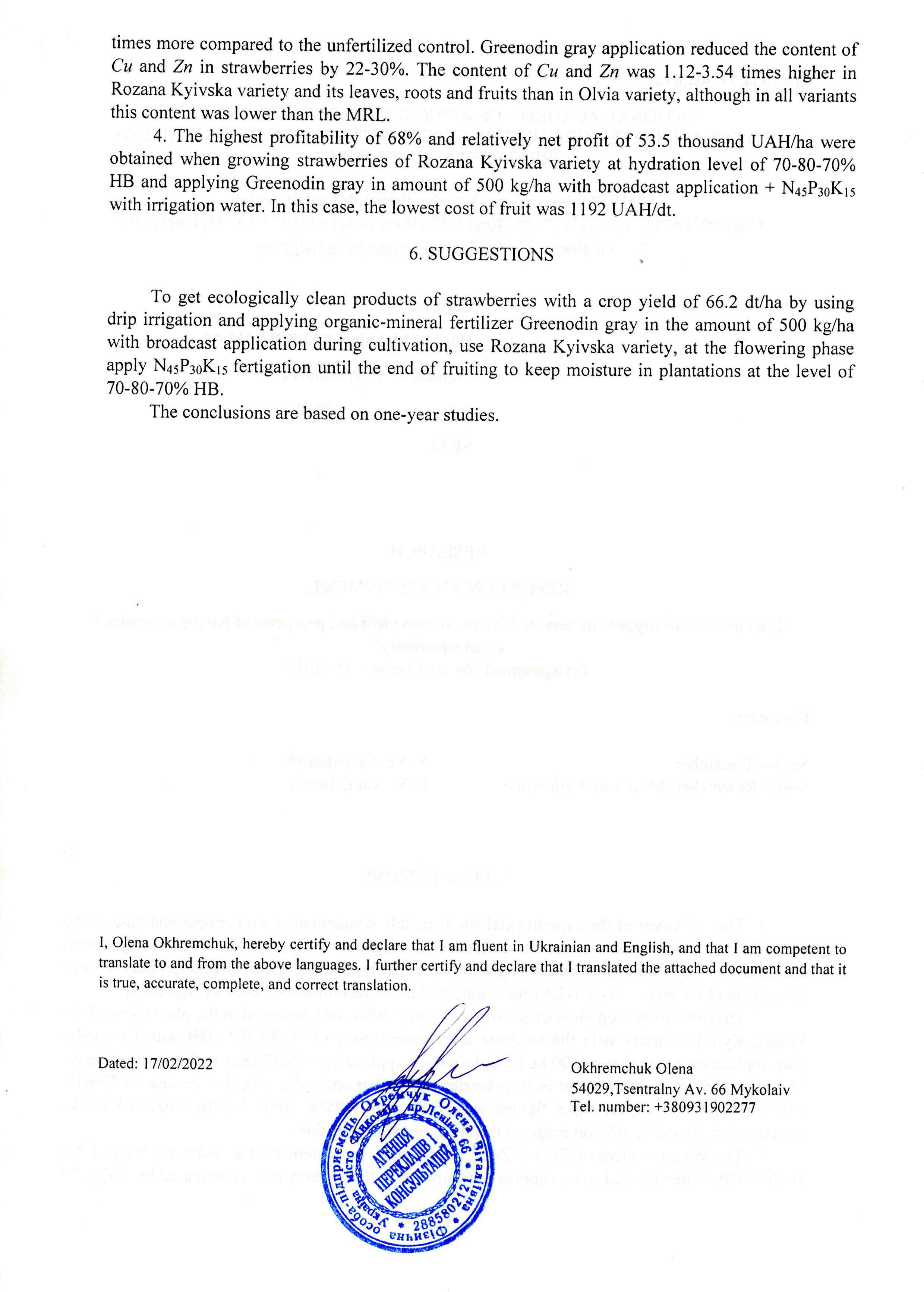
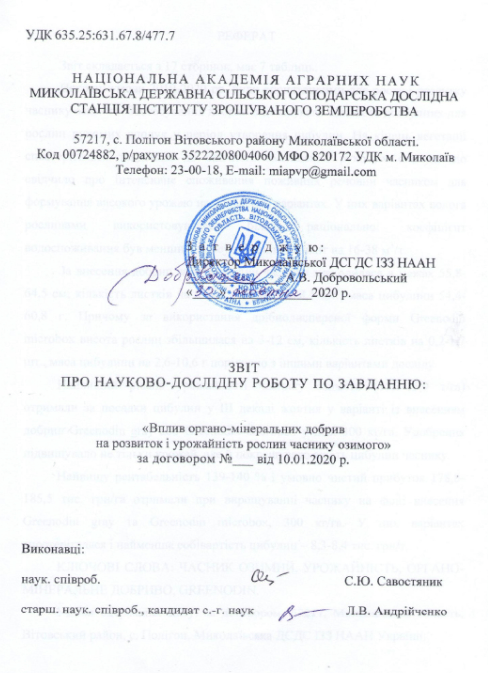
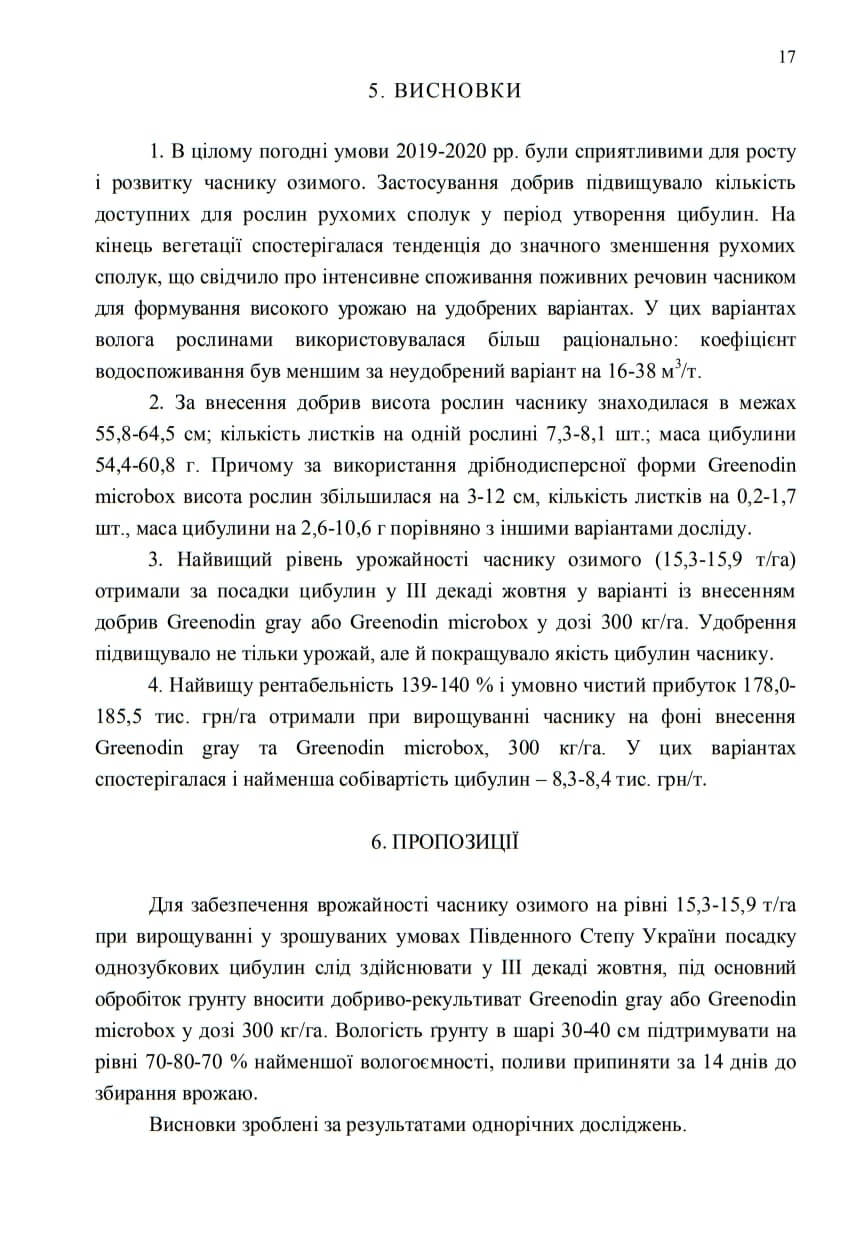
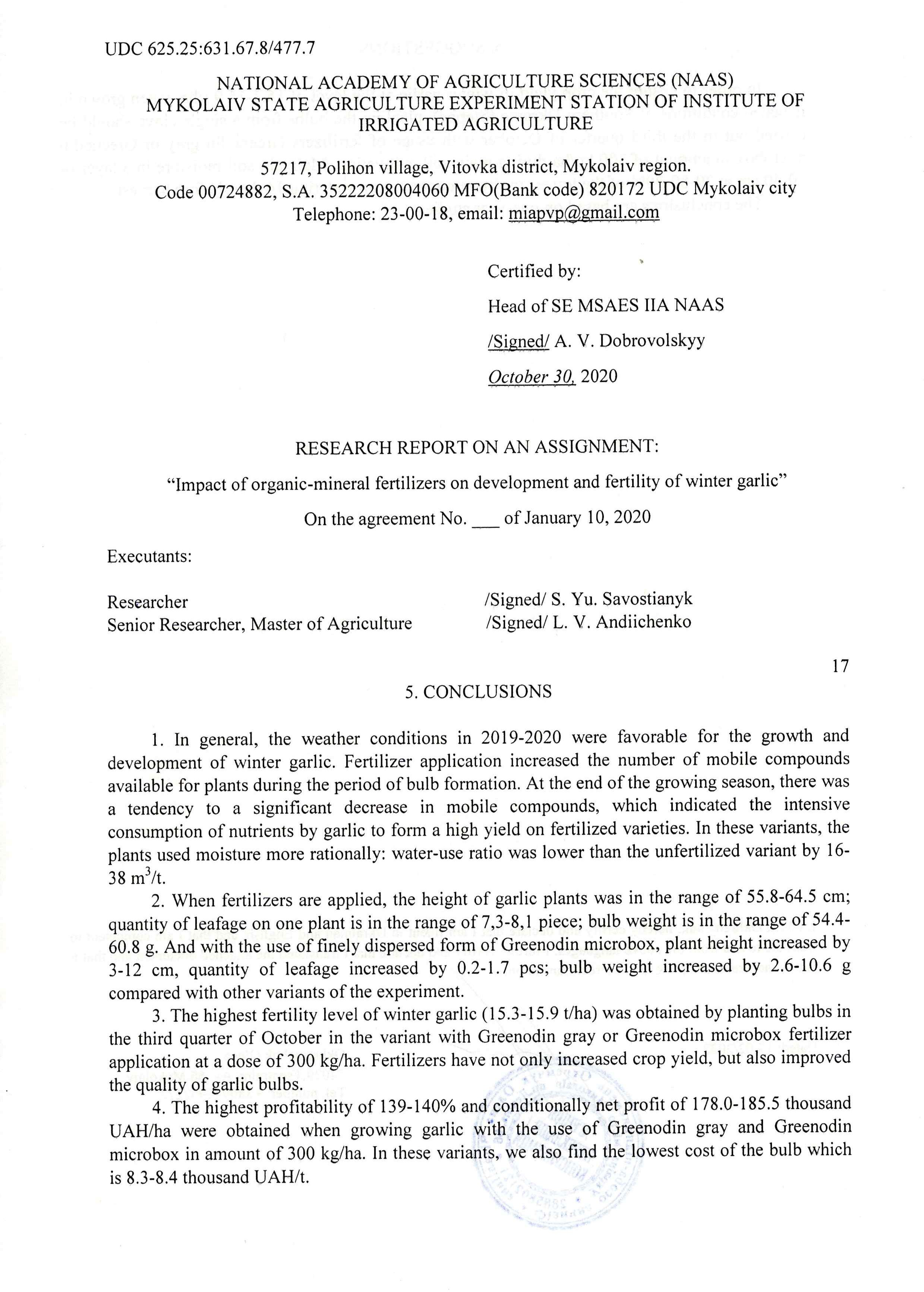
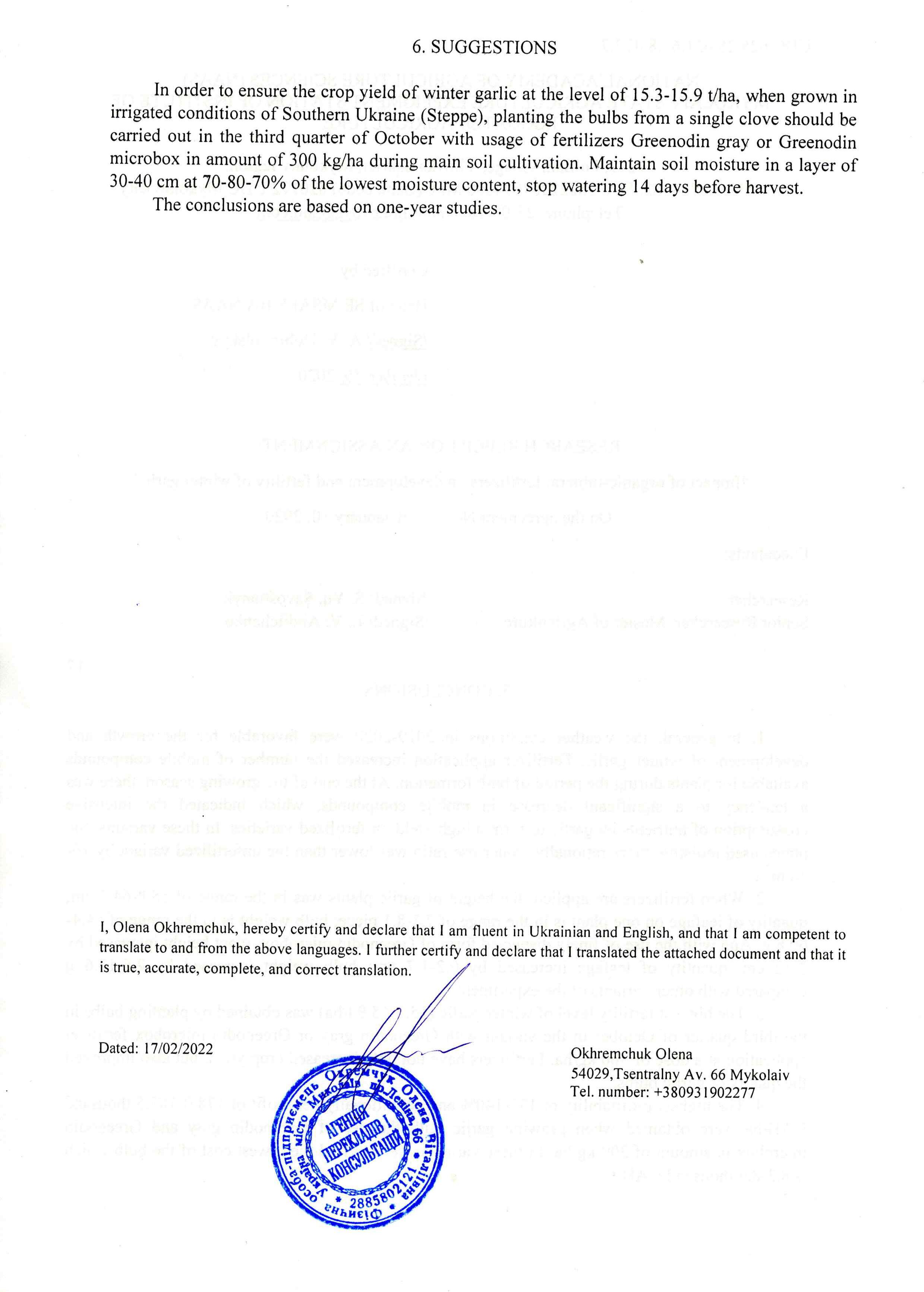
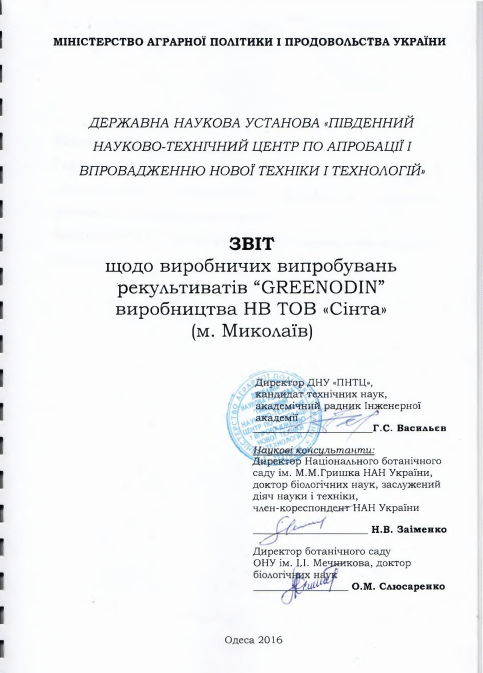 ЮТЦ Спельта озима 2016 рiк Greenodin
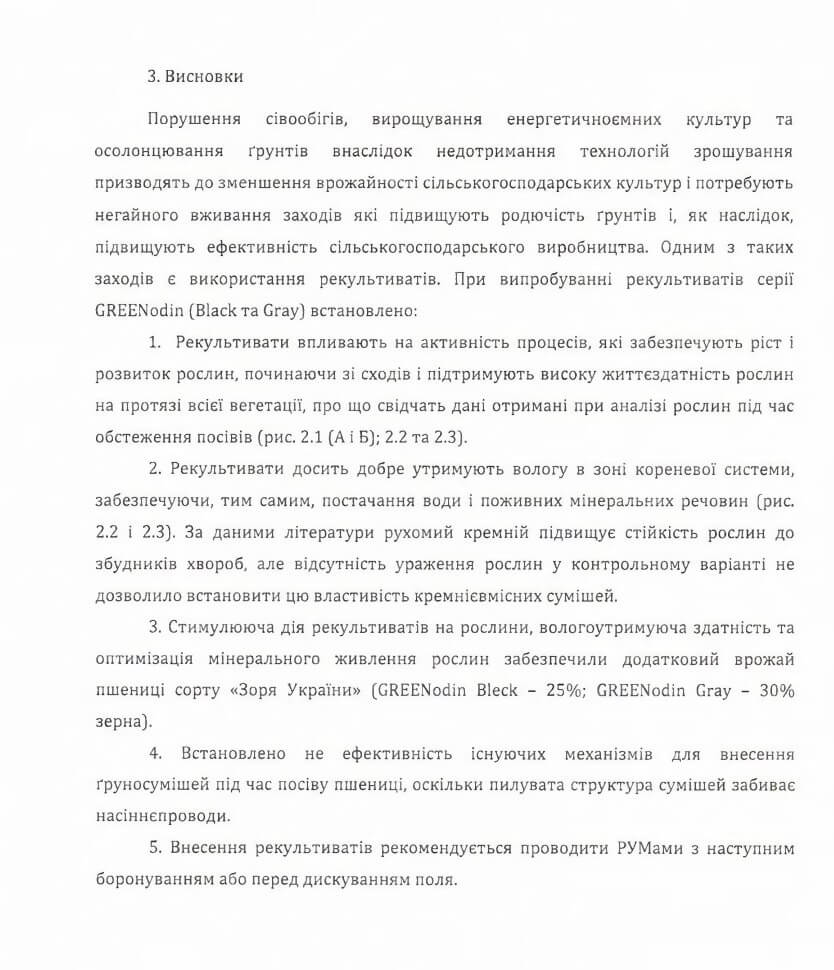 ЮТЦ Спельта озима 2016 рiк Greenodin

Leave a Comment