Fertilizers for Azalea room
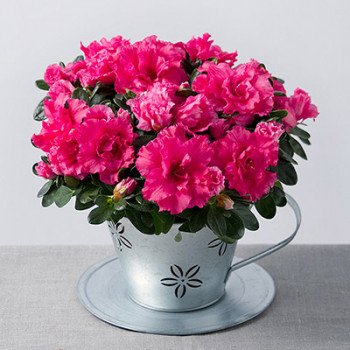
Indoor Azalea - one of the species of the Rhododendron genus, closely related to its garden counterparts, the tall rhododendrons. There are numerous wild species, but only a few and their hybrid forms can be found in domestic settings.
Azalea is an indoor plant that represents a compact bush ranging in height from 30 to 50 cm, known for its lush and beautiful flowers. Azalea flowers can be red, white, pink, lavender, or bicolored, making it highly popular among indoor plant enthusiasts. One of the main advantages of azaleas is that they bloom even during the cold seasons when many other plants are dormant.
Varieties and species of indoor azalea
When people talk about the variety of azaleas, they usually refer to species that are known only to specialists. In stores, the most commonly found azaleas are hybrid varieties marketed as "White Azalea," "Pink Azalea," "Red Azalea," "Mixed Azalea," or "Indica Azalea."
The varieties of azaleas can differ in terms of their flowering time, ranging from late winter or mid-winter to early spring. In stores, it's often impossible to determine the flowering time and specific variety of an azalea unless purchased from a collector.
Indoor azaleas primarily come in two main types:
- Indian Azalea, also known as Rhododendron simsii, is the most popular among indoor plant enthusiasts. It is an evergreen shrub with small dark green leaves and reddish hairs. The flowers can be single or double and typically range in size from 3 to 5 cm or larger, arranged in rounded clusters.
- Japanese Azalea, also known as Rhododendron obtusum, is characterized by smaller flowers and a more compact form compared to the Indian variety. It can be used for both indoor and garden cultivation.
Azalea care
Azaleas require a specialized approach when growing, as this plant is accustomed to certain natural conditions, such as a cool mountain climate and a specific type of soil.
Soil
To achieve optimal growth and abundant flowering, the plant requires soil with an acidic environment and a pH level ranging from 3.5 to 5.5.
Neutral or alkaline soils can lead to diseases and even the death of the plant.
It is recommended to use specially formulated pre-made soil mixes designed for growing azaleas, rhododendrons, camellias, and heathers.
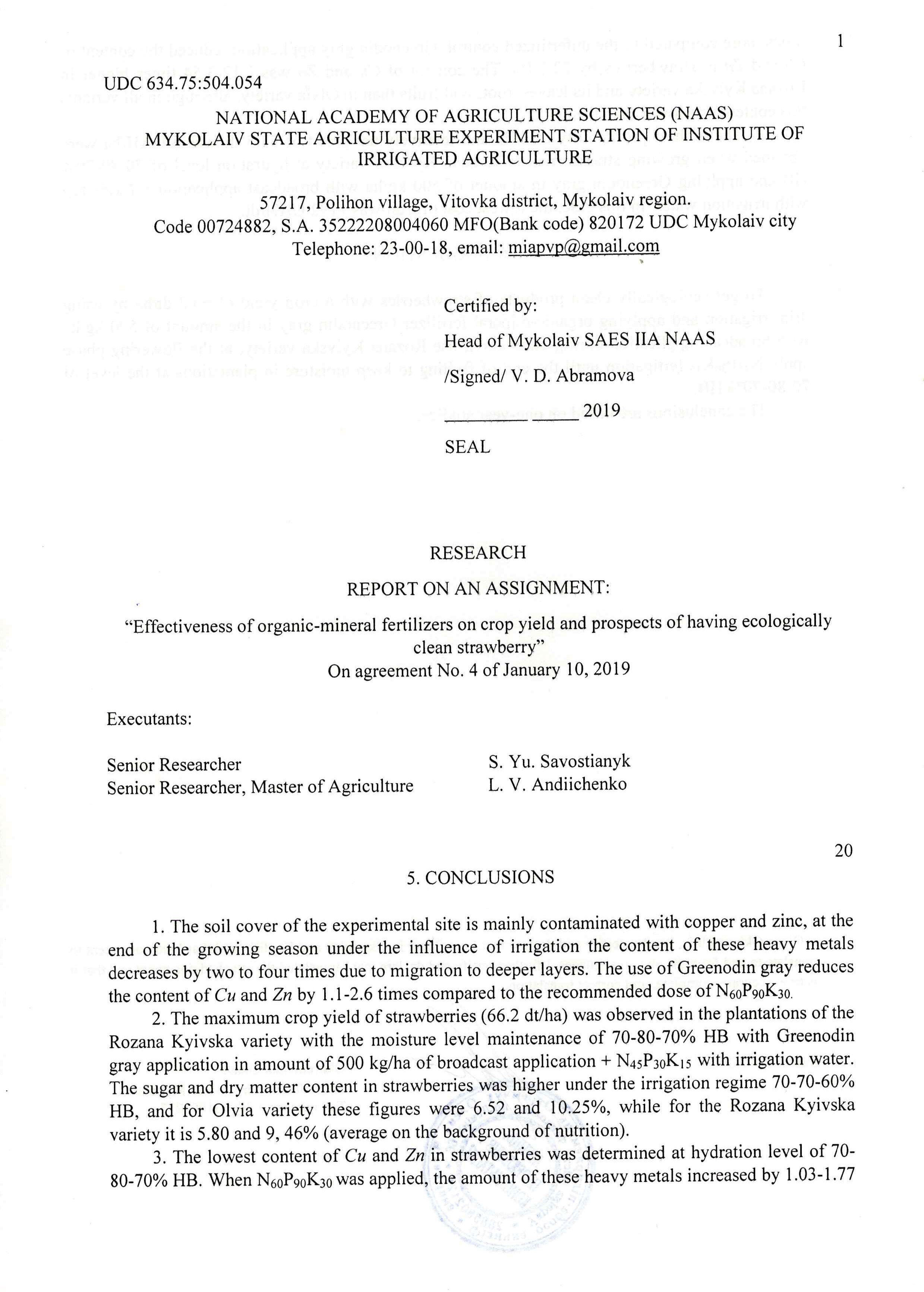
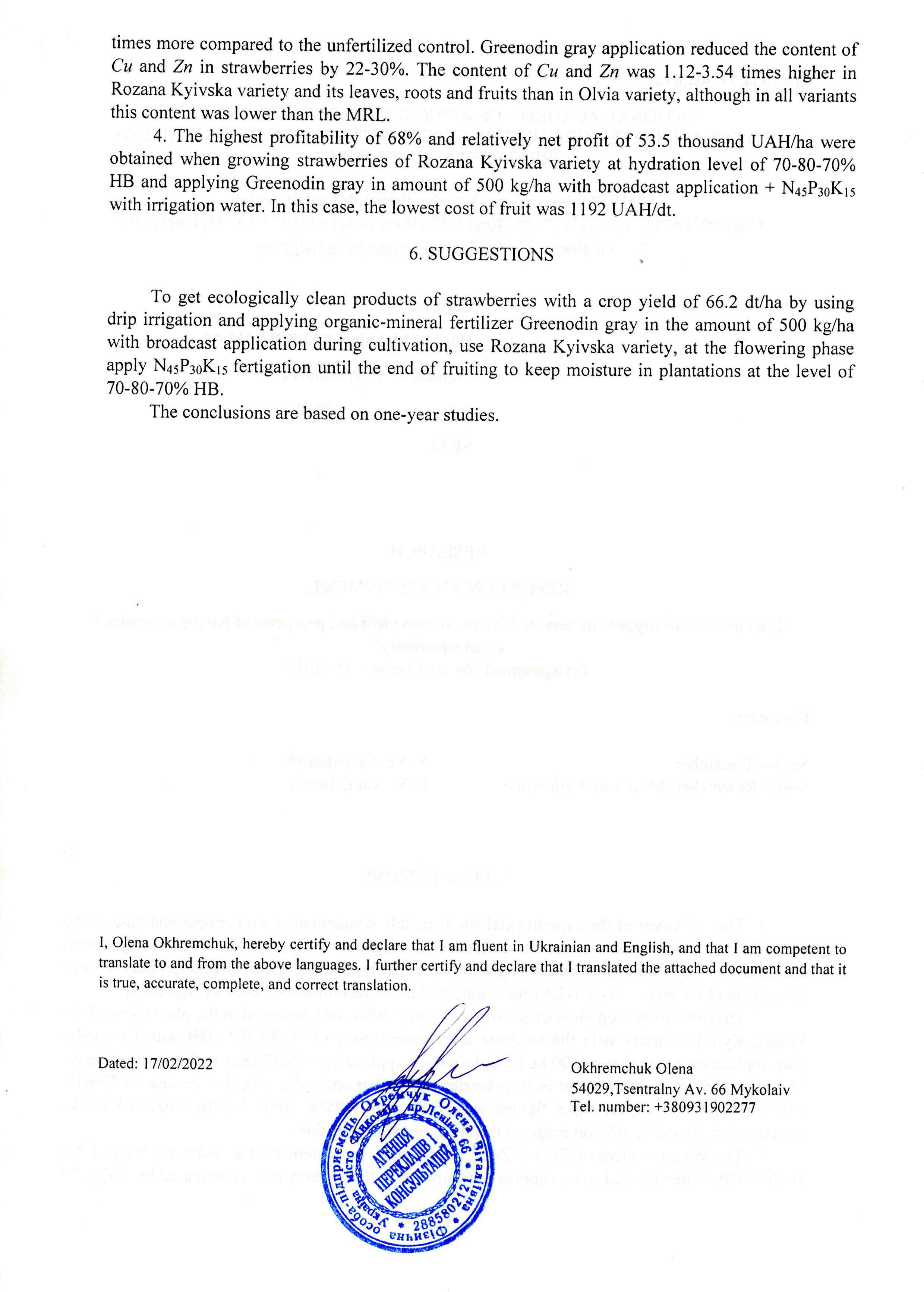
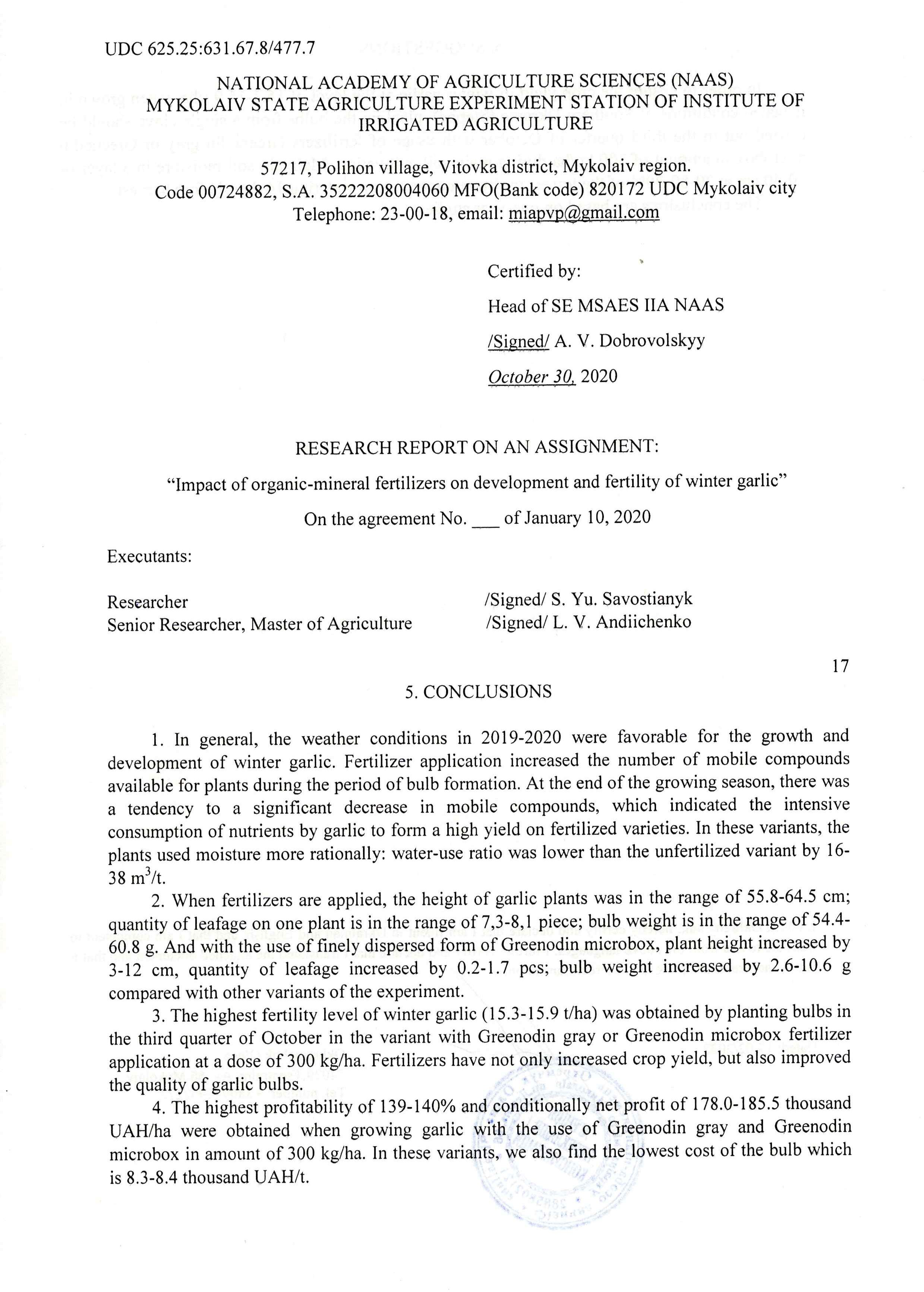
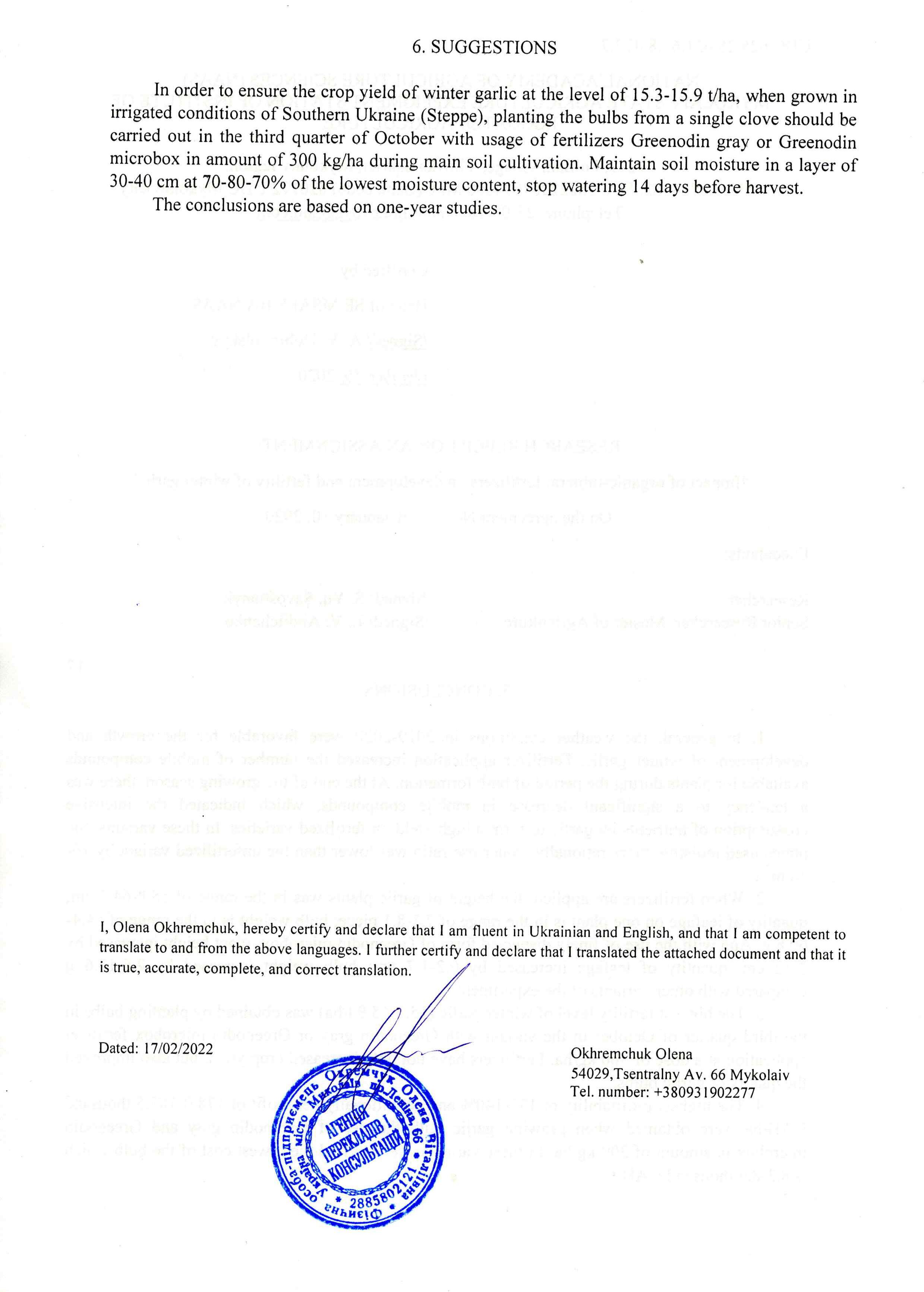
Applying comprehensive granulated organomineral fertilizers like GREENODIN BROWN (pH 5.0) with agronomically beneficial bacteria will help restore soil fertility and enable the plant to extract all the necessary microelements for ecological development from the soil.
Humidity
To maintain optimal air humidity in the room with azalea, it is necessary to regularly spray the plant. It is especially important to be careful during flowering, as water droplets can damage the flowers, causing them to darken. To achieve this, you can use a fine mist sprayer, place containers of water near the plant, or place the pot in a tray with moist material such as sphagnum moss, perlite, or gravel.
Watering
Caring for indoor azaleas can be challenging due to the need for proper watering. Insufficient watering can cause the soil to dry out, while excessive moisture can lead to root rot. It's important to keep the soil slightly moist at all times, especially during flowering when more generous watering is required. Remember to drain any excess water from the saucer after watering.
This meticulous care is facilitated by the use of GREENODIN BROWN azalea fertilizer, thanks to its moisture-retaining properties.
One way to maintain optimal humidity is by placing the pot in a tray of cool water during hot weather or when the soil becomes dry. Some experts recommend combining bottom watering with regular watering throughout the year. Additionally, you can use ice cubes placed on the soil for watering, which can provide a cooling effect on the plant during high air temperatures.
For watering azaleas, it is necessary to use soft water that has been allowed to stand for at least 2-3 days. Tap water contains impurities that can harm the plant. Lime, in particular, is detrimental as it reduces soil acidity. The plant is also sensitive to chlorine. The recommended fertilizer helps neutralize these issues.
To maintain the necessary soil pH, enhance the soil's moisture retention capacity, promote abundant flowering, and increase plant resistance to stress factors, it is recommended to use GREENODIN BROWN complex granulated organomineral fertilizers.
Lighting
Indoor azaleas thrive in bright, diffused light that allows the plant to grow and develop. It should not be exposed directly to sunlight as it can be harmful to its health. Azaleas can be grown in partial shade, but during the winter period, additional lighting with a grow light is necessary when buds are forming and during flowering.
Temperature
One of the challenges in growing indoor azaleas is maintaining the proper temperature. They do not tolerate heat well, and the ideal temperature during the non-flowering period is 15-18 °C (59-64 °F), while abundant flowering can be achieved by lowering the temperature to 10-12 °C (50-54 °F) during bud formation.
Pruning
Regular and quality pruning is necessary to create the perfect shape for indoor azaleas.
After the blooming period ends, it is essential to remove faded flowers, dry and weak shoots, and trim the shoots by several centimeters.
From late spring to early summer, the plant produces new shoots. The tops of these young shoots should be pruned. This pruning should continue throughout the season until the buds appear. It is also necessary to remove young shoots that appear near the flower buds. To prolong the flowering of the plant, faded azalea flowers should be removed.
Feeding indoor Azaleas
During spring and summer, it is recommended to fertilize with the complex organic fertilizer GREENODIN BROWN. The dosage is 25 grams or one teaspoon of GREENODIN BROWN organic fertilizer per 1 liter of soil mix (mix it) or 25 grams of GREENODIN organic fertilizer per 1 square meter (scatter it).
During winter, fertilization should be done with GREENODIN BROWN. The application rate remains the same.
Propagation of indoor Azaleas
Propagating indoor Azaleas is a relatively simple process, although it may not always yield successful results. Semi-hardwood cuttings are used for propagation. During summer, cuttings should be taken from young shoots that are at least six months old and have just started to harden.
GREENODIN products provide ideal conditions for indoor Azaleas, ensuring optimal propagation conditions.
The cutting should be 7-10 cm long and have several pairs of leaves. Then, using a clean, sharp knife, the cutting should be cut diagonally, and the leaves should be removed, leaving only a few upper leaves. The lower portion of the cutting should be planted 2-3 cm deep in Azalea soil or a mixture of sand and peat in a 1:1 ratio.
Moisten the substrate (soil) well, cover the container with a transparent material, and keep it in a warm place at a temperature of 24-25 °C. Ventilate the cuttings every few days.
The soil should be moist but not wet. When flower buds appear on the cuttings, they should be removed.
The rooting process usually takes 1.5-2 months. One of the signs of successful rooting is the emergence of new shoots. After rooting, the protective cover can be removed, and the cuttings can be further nurtured and transplanted into individual flower pots.
Indoor Azaleas can also be propagated by division, but this method can be risky as the plant's root system is delicate and sensitive to mechanical damage.
Transplanting indoor Azaleas
It is recommended to transplant indoor Azaleas only during the dormant period, after the flowers have faded. Young plants should be transplanted annually, while mature plants aged 3-4 years should be transplanted once every three years. It can be done less frequently.
Transplanting Azaleas should be done with utmost care as their roots are easily damaged and have a shallow spread. Transplanting should avoid disturbing the root ball and untangling the roots.
A flower pot slightly larger than the old one (by 2-3 cm) should be used for transplanting Azaleas, and it should have a layer of drainage at the bottom. When placing the Azalea in the new pot, the root collar should be set at the same level as it was before transplanting. The soil should be added very gently, without pressing or compacting it.
After transplanting, it is important to water the plant thoroughly, and if the soil settles, add an additional layer of soil.
Diseases of indoor Azaleas
Like any other plants, Azaleas are susceptible to various diseases. Let's consider the main diseases and methods of control.
Root rot
Root rot is a common problem that arises due to excessive moisture and water stagnation in the container or pot. The leaves start to wilt on the entire plant, stems become lifeless and may droop and lie flat. To accurately determine the cause of the problem, it is necessary to remove the plant from the pot, as this allows you to see the blackened, slimy, and easily detachable roots.
To save the plant from root rot, it is necessary to remove the decayed roots, treat the root system with a solution of potassium permanganate or a fungicidal preparation, and then transplant the plant into new soil. The chances of Azalea survival when root rot appears are still low.
Gray mold
Gray mold manifests itself as decay spots on the leaves and stems. Infected tissues become soft and die, eventually leading to the death of the plant. The main cause is improper care and watering.
To combat the disease, it is recommended to remove the decayed parts of the plant and allow the soil in the pot to dry out. The use of chlorine-free fungicides and lime for treating the plant and soil is recommended.
Late blight
Late blight is a dangerous and often incurable disease that can affect indoor Azalea plants. The first signs of the disease are brown spots on the leaves. If necessary measures are not taken, the spots enlarge, and parts of the plant start to die.
Curing the plant is very difficult and rarely successful.
To treat the plant, it is necessary to remove the affected areas, treat it with special preparations, and transplant it into new soil.
Chlorosis
Chlorosis, also known as yellowing, is a plant disease that is particularly harmful to foliage as it reduces chlorophyll production and photosynthetic activity. This can have serious consequences for the plant's health and growth.
If your indoor Azalea is growing in a favorable environment and receiving proper natural nutrition without chemicals, it will not be susceptible to these diseases!
It is precisely such favorable conditions that are created by the comprehensive organic fertilizer ™ GREENODIN.
To prevent the occurrence of diseases, we recommend using GREENODIN GARDEN SOIL flower soil along with the GREENODIN BROWN complex organomineral fertilizer for Azaleas.
The presence of all the necessary micronutrients will provide plant immunity, and beneficial bacteria will create the necessary soil environment and protect against harmful fungi and pests.
Buy fertilizer for indoor azalea
In Ukraine, you can buy organic fertilizer for indoor Azaleas in our online store by visiting the product page and placing an order. Delivery is carried out within three days.
If you need delivery to another country, you can:
- Place an order through the shopping cart on the product page, and we will contact you to clarify the details.
- зFill out the contact form on the Contacts page, indicating the required volume of delivery.
Please make sure to provide a valid email address!
We guarantee the quality of the offered fertilizers and provide fast and convenient nationwide delivery through "Nova Poshta" company.
Purchase GREENODIN comprehensive organic fertilizers and enjoy the beauty of your plants.
Order now and see the quality of our fertilizers for yourself!
Indoor Azalea is a magnificent plant that many flower growers wish to have in their garden. But she is capricious and demanding in care, so many lovers simply refuse to grow her. However, if you give it proper attention, you can grow indoor azalea at home.
The indoor azalea is a magnificent plant that many flower growers wish to have in their garden. But it is wayward and demanding to care for, so many amateurs simply refuse to grow it. Nevertheless, if you give her proper attention, it is possible to grow a room azalea at home.
The GREENODIN trade mark special fertilizers for indoor azaleas simplify care and cultivation in a complex way.
The fertilisers are Organic Standard certified, and their formula is protected by patents. They are designed according to the environmental needs of the global plant breeding market and correspond to the European standards EC N° 834/2007 and N° 889/2008.
Unique properties of organic fertilizer for indoor azalea TM GREENODIN


Protective bacteria Bacillus Subtilis

Thermal protection of plants

Biochemical plant protection

Root formation

Growth acceleration
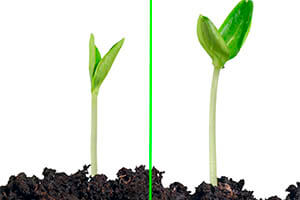
Saturated bright color

Drought tolerance