Fertilizers for

Fertilizer for sunflowers
 Fertilizer for sunflowers

Achieving a high-quality sunflower harvest with GREENODIN organic fertilizers

The standard fertilizer application system for sunflowers includes the use of a basal fertilizer for the soil, a row fertilizer during sowing, foliar feeding of sunflowers with chelated forms of fertilizers, and applying fertilizers into the soil at a depth of 18-20 cm, accessible to the plant's root system.

To achieve optimal results using GREENODIN fertilizers and increase sunflower yield, we recommend conducting a comprehensive soil analysis to determine the levels of macro and micronutrients present and identify which elements need to be supplemented to enhance productivity. Once this is done, it is important to devise a fertilizer application system and plan the implementation of the technology for their application. A proper fertilizer application system for this crop will help increase productivity and save significant costs.

Booster elements for sunflower

The fertility of sunflower is planned based on the crop's nutrient requirements. Most of the land used for sunflower cultivation in Ukraine consists of chernozems, located in the forest-steppe and steppe zones. However, all cultivated soil types have certain deficiencies. In most cases, there is insufficient nitrogen in an available form for sunflowers. Sometimes, there may be deficiencies in phosphorus, potassium, or other nutrients. The wide range of complex organic fertilizers from GREENODIN allows for the creation of available forms of necessary elements for sunflowers on different soil types.

Macroelements

Significant amounts of nutrients per tonne are required for sunflower 
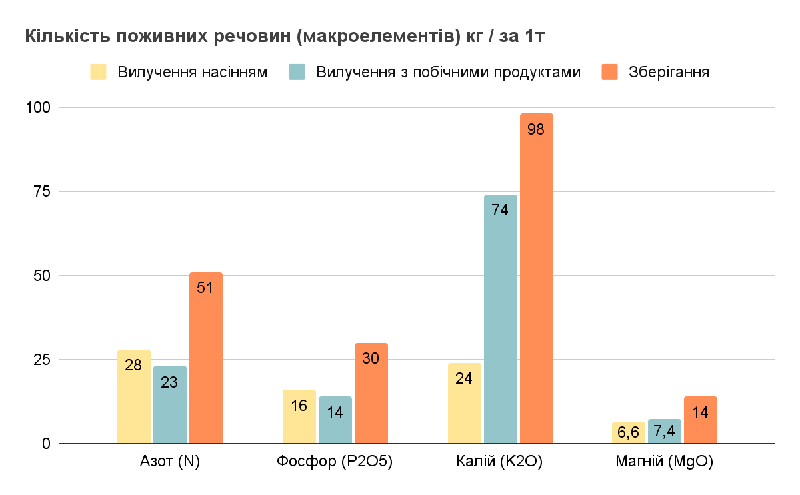
Below is the uptake and consumption of microelements by sunflower at a yield of 3 t/ha:
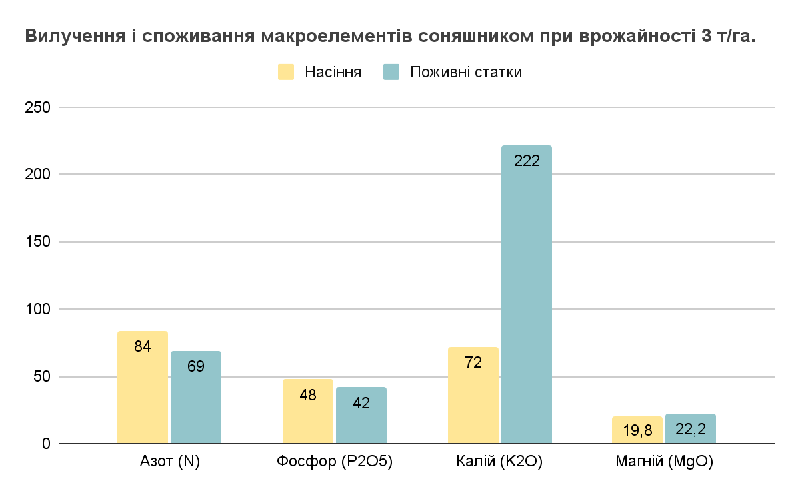
The quantity of these elements is determined by the genetic characteristics of the plants and depends on the availability of these nutrients, moisture, temperature, weather conditions, and other factors. When planning the fertilizer application system, all of these factors should be taken into account. GREENODIN fertilizer is designed to compensate for the consumption of nutrients, taking into consideration the characteristics of five types of soil, ranging from acidic to alkaline, and considering the uneven uptake of nutrients by sunflower from the soil, as shown in the diagram.
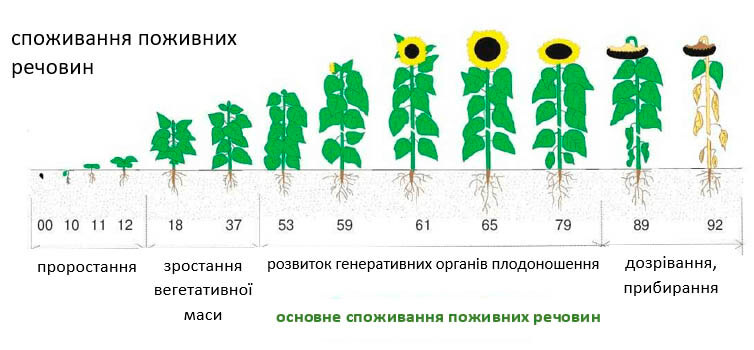

Sunflower has a powerful and deep root system, and it has the highest nutrient requirements during various stages of development. During fruiting, up to 75% of nutrients are consumed. Silicon, combined with humic and fulvic acids in GREENODIN, has a very positive effect on the plant characteristics of sunflower. The stem becomes stronger, and the color of the shoots and leaves becomes more vibrant, which, collectively, significantly contributes to increasing the quantity and quality of sunflower harvest.
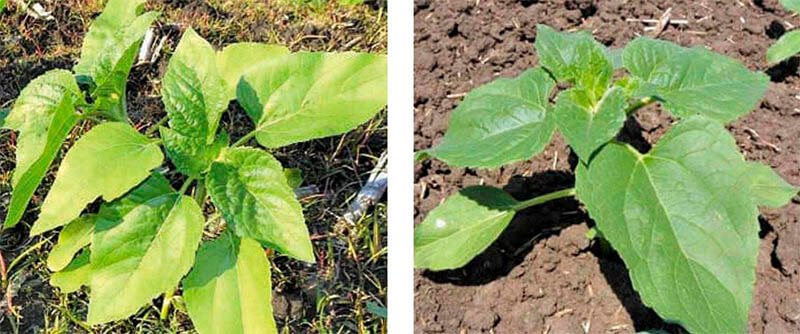
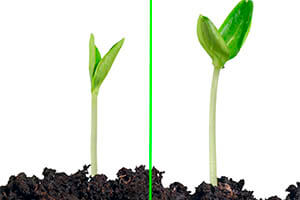
Symptoms of nitrogen deficiency: Left - nitrogen deficiency, Right - healthy plant 

If in the steppe zone of Ukraine, on chernozem soils, there is sufficient availability of phosphorus and potassium for consumption, the opposite is true for nitrogen. In the forest-steppe zone, Polissya, and some soils in the steppe zones, there is a lack of available phosphorus and potassium for consumption. 

The highest amount of nitrogen is absorbed from the beginning of head formation until the end of flowering, potassium - from head formation to maturity, and phosphorus - from seedling stage to flowering.

Pre-sowing application of GREENODIN ensures the simultaneous development of agronomically beneficial microorganisms in the root zone of sunflower, providing it with the necessary nutrients, in addition to the previously supplied humic and fulvic acids.

Important to remember!

Excess nitrogen leads to excessive vegetative growth, inhibiting the formation of generative organs, plant lodging, and susceptibility to diseases.

Phosphorus is absorbed by the plant from the seedling stage to flowering. During the early stages of flowering, it accumulates in leaves and stems, later transferring to the inflorescence and eventually to the seeds. During head formation and the end of flowering, 60-70% of the total phosphorus requirement is consumed by the plant. Phosphorus deficiency negatively affects seed formation and plumpness, limiting productivity.

Optimal soil phosphorus content increases drought tolerance and oil content in the seeds. Additionally, phosphorus is crucial in the early development of sunflower plants, as it is intensively consumed during this period and must be sufficiently available.

During the ripening period, the majority of consumed nitrogen and phosphorus accumulate in the seeds. Approximately 75% of potassium accumulates in vegetative organs, while about 25% is stored in the seeds.

Potassium promotes the development of the root system, enhances plant drought tolerance, regulates water balance, and reduces water loss through transpiration. Most potassium is used during the period from head formation to maturity.
From seedling emergence to the head formation phase, moderate nitrogen and potassium nutrition is required, but there is an increased need for phosphorus.

From head formation to the end of flowering, a sufficient quantity of all nutrients is required. Sunflower indeed requires potassium and is capable of actively absorbing this element, even from compounds that are difficult to resolve. If the available potassium content in the soil is low, sunflower yield depends on fertilizers. These tasks are accomplished through the activation of soil elements by agronomically beneficial bacteria, where NPK become available to sunflowers in the required quantity, but their absorption occurs as needed, preventing excess accumulation.

And let's remember that a potassium-rich organic soil enhances its moisture-retaining function. In their cumulative effect, organic silicon and potassium perform a cumulative function by increasing the water-holding capacity of the soil as a whole.

Microelements

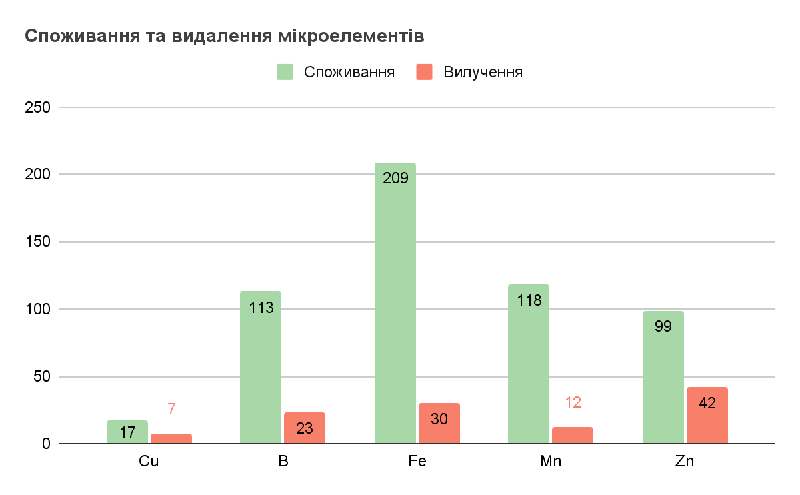
Microelements play an equally important role in achieving high sunflower seed yields compared to macronutrients. Despite being required in small amounts, their application to the soil results in a significant increase in crop yields.

Here are the consumption and removal rates of microelements by sunflower per ton of yield:
For example, the content of boron in the soil directly affects sunflower productivity. The higher the content of this microelement, the higher the sunflower yield.

Similarly to macronutrients, the action of bacteria also applies to microelements. More specifically, the living agronomically beneficial microorganisms in GREENODIN, with the help of silicon and related elements, create a suitable soil environment known as the fertile soil layer, where all elements become available to the sunflower.

The application of the organic complex GREENODIN

The standard fertilization system for sunflowers includes a basal fertilizer for the soil, row fertilization during sowing, foliar feeding of sunflowers with chelated forms of fertilizers, top dressing in the soil through passes, and fertilizer application to a depth of 18-20 cm, accessible to the plant's root system.

By using the organic fertilizers GREENODIN, you won't need to follow the classical recommendations for sunflower fertilization or use manure, compost, chemical fertilizers, pesticides, add nitrogen separately, adjust soil pH levels, or acidify/alkalize it, etc.

The GREENODIN eco-complex itself has the property of self-regulation and soil regeneration, so the plant will take everything it needs in the required amount for its growth. The use of organic fertilizers GREENODIN promotes extended vegetation in sunflowers.

Sunflowers respond very well to increased productivity due to humic acids and the presence of agronomically beneficial nitrogen-fixing, potassium, and phosphorus-producing bacteria contained in GREENODIN organic fertilizers. 

Granulated organic fertilizers GREENODIN can be applied directly below the seeding horizon to a depth of up to 10 cm or simply broadcast without incorporation into the soil, creating a better growth effect for sunflowers.
A healthy sunflower, well-supplied with nutrients, exhibits a dark green coloration in its plants until the end of flowering!

Buy fertilizer for sunflowers

You can purchase the organic fertilizer GREENODIN for sunflowers in Ukraine through our online store by placing an order. Delivery is available within three days.

If you require delivery to another country or need larger quantities on a regular basis, you can:

  1. Place an order through the shopping cart, and we will contact you to confirm the details.
  2. Fill out the contact form on the Contacts page, specifying the desired supply volume.

Please make sure to provide a valid email address!
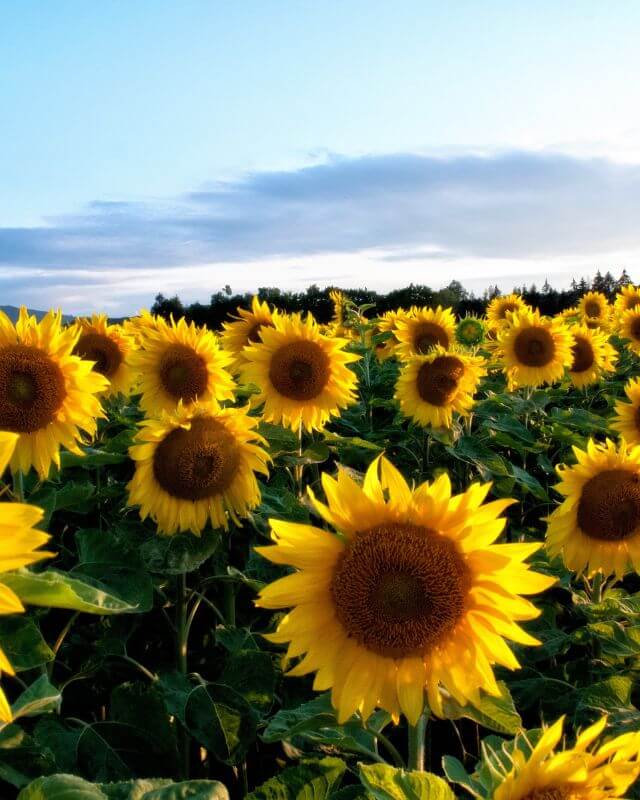
The modern development of sunflower cultivation is unthinkable without a perfectly designed nutrient system. In addition, the food safety of the crop, the absence of nutritional elements in the soil encourages farmers to switch to innovative solutions.
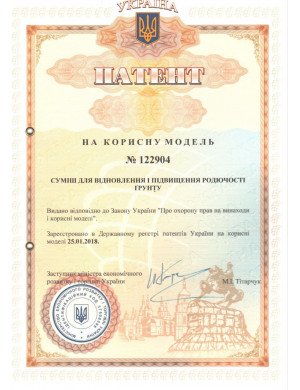
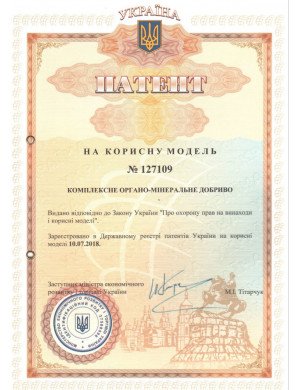
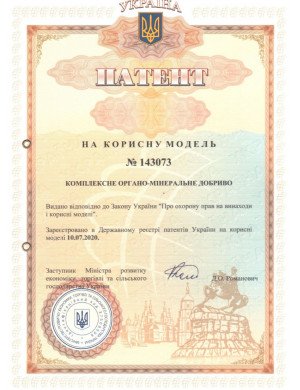
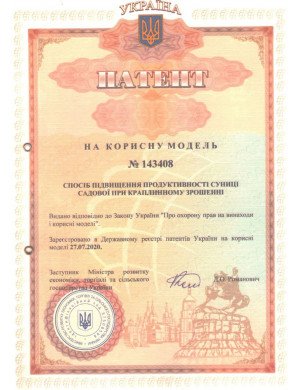
Such a solution is GREENODIN organic fertilizers, certified Organic-Standard, patented in the jurisdiction of Ukraine, developed by the requirements of the world market of crop production in accordance with European Union standards № 834/2007 та № 889/2008.
At the bottom of the page you will see reports on the use of organic fertilizer in the cultivation of sunflowers

Unique properties of organic fertilizer for Sunflower TM GREENODIN

Silicon lattice retains water and prevents evaporation
Beneficial bacteria provide nutrition to NPK in the right amounts
Acceleration of crop growth - up to 30%
Increase in crop yields - up to 65%
Bacillus Subtilis - protective bacteria fight the development of pathogenic soil flora
Profit Growth

100% natural

Completely harmless for people, bees, animals

> 10 years

We are reviving ecological farming

European standards

Comply with the regulations No. 834/2007 and No. 889/2008

Чому клієнти вважають GREENODIN найкращим добривом для Sunflower

Спираючись на відгуки наших покупців, ми склали список причин з яких клієнти оцінили GREENODIN як найкраще добриво для Sunflower.

Protective bacteria Bacillus Subtilis

protect against pathogenic soil flora and create ideal conditions for the development of beneficial bacteria

Thermal protection of plants

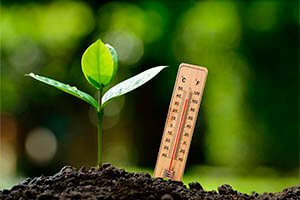
reducing the effect of high temperatures, increasing heat resistance and drought tolerance of plants

Biochemical plant protection
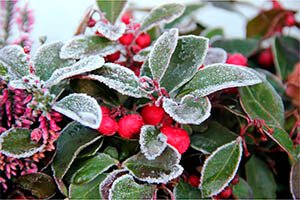
increase in resistance to stress, formation of frost resistance of plants

Root formation

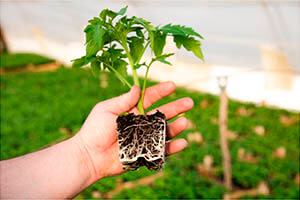
creates a well-developed root system

Growth acceleration

thanks to the complete natural nutrition

Saturated bright color

the stem becomes stronger, the leaves and flower take on brighter colors

Drought tolerance
calcium silicate is one of the most powerful water adsorbing substances
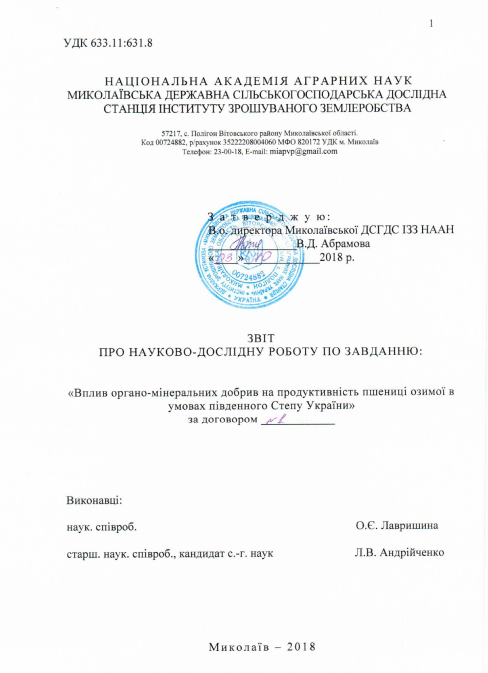
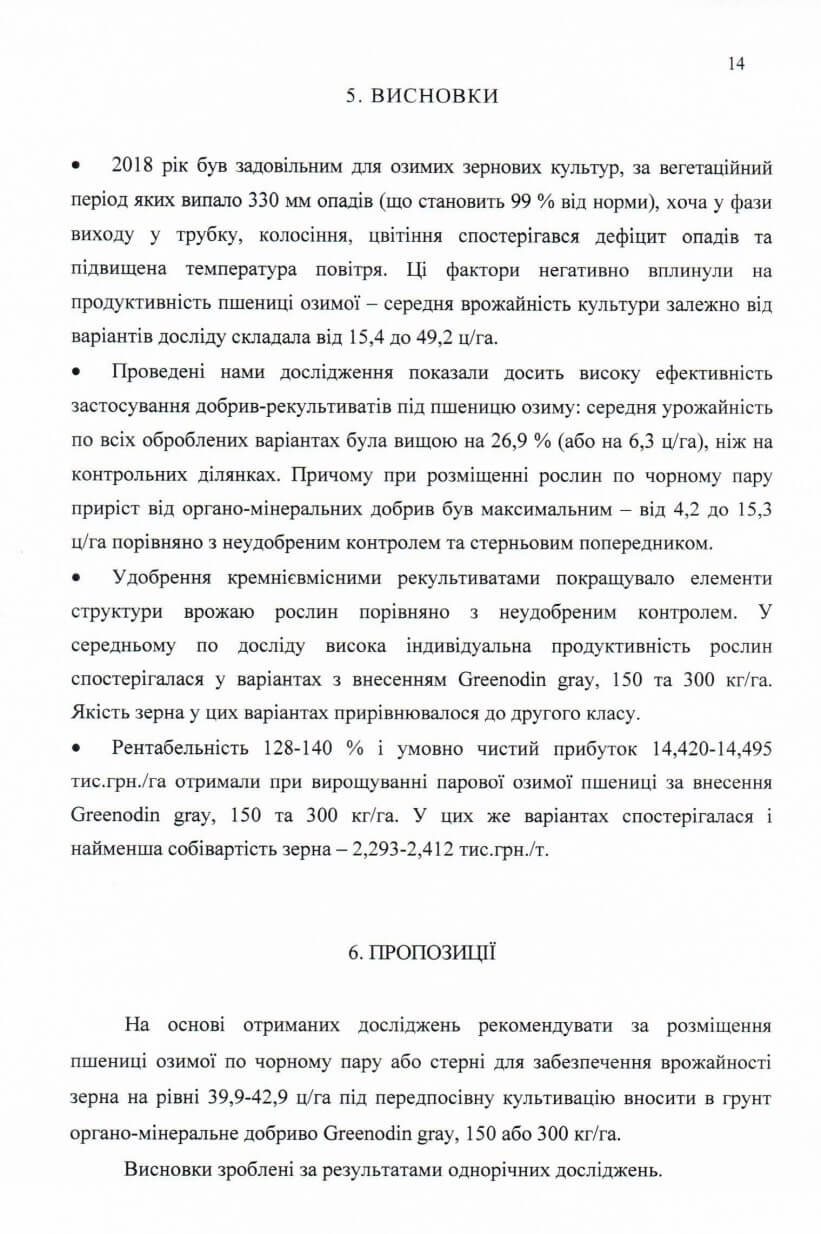
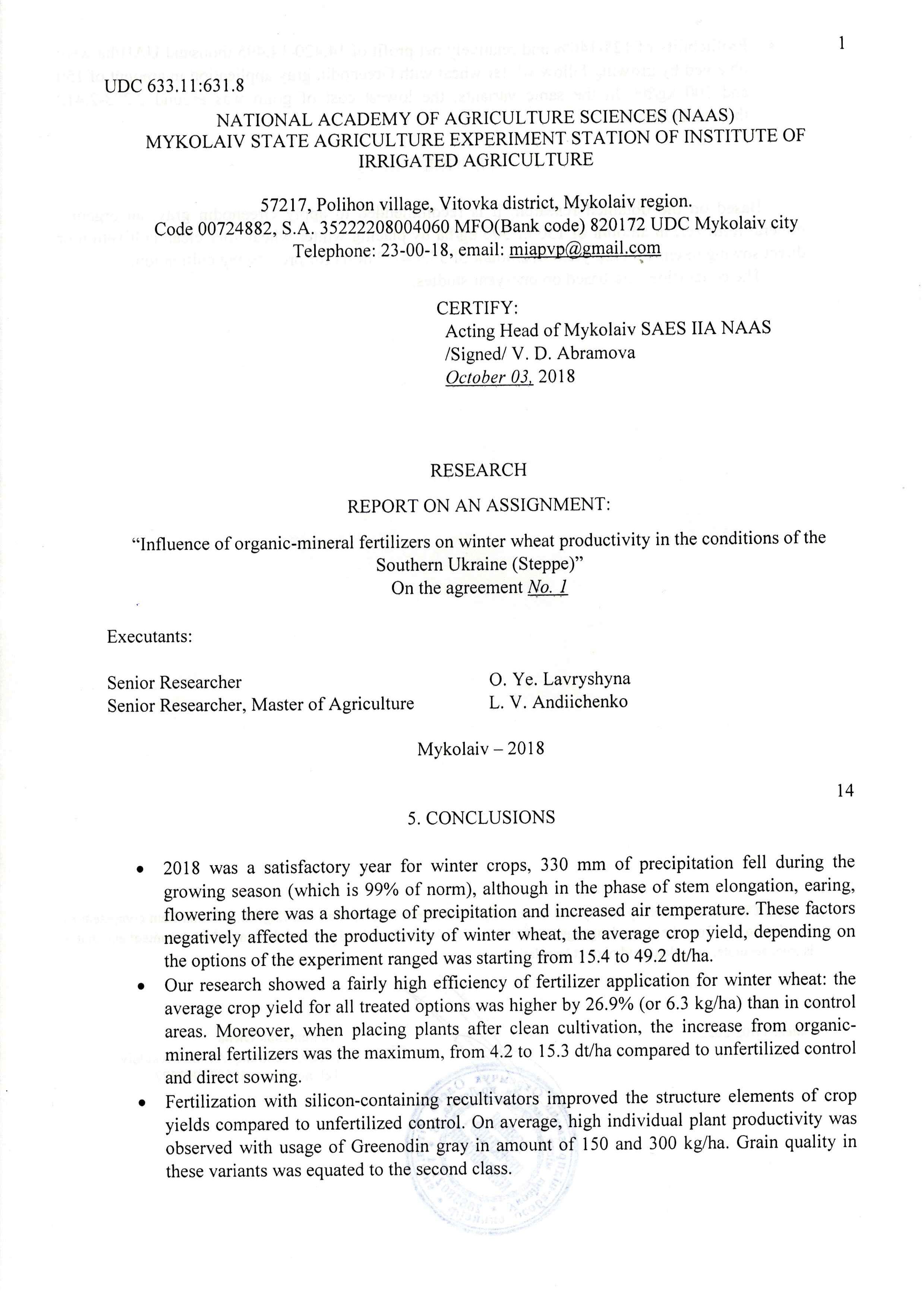
Reports on the use of organic fertilizers
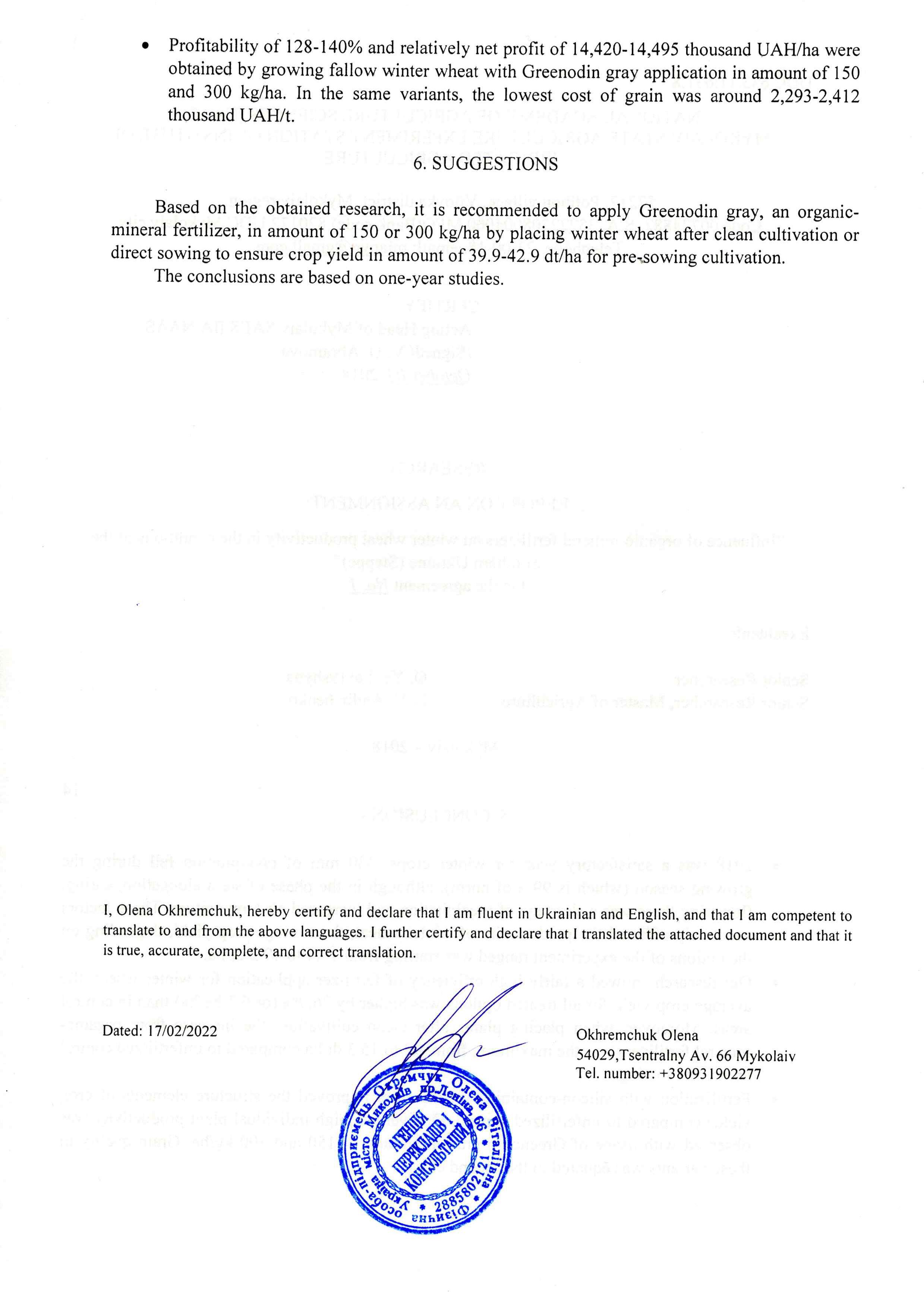
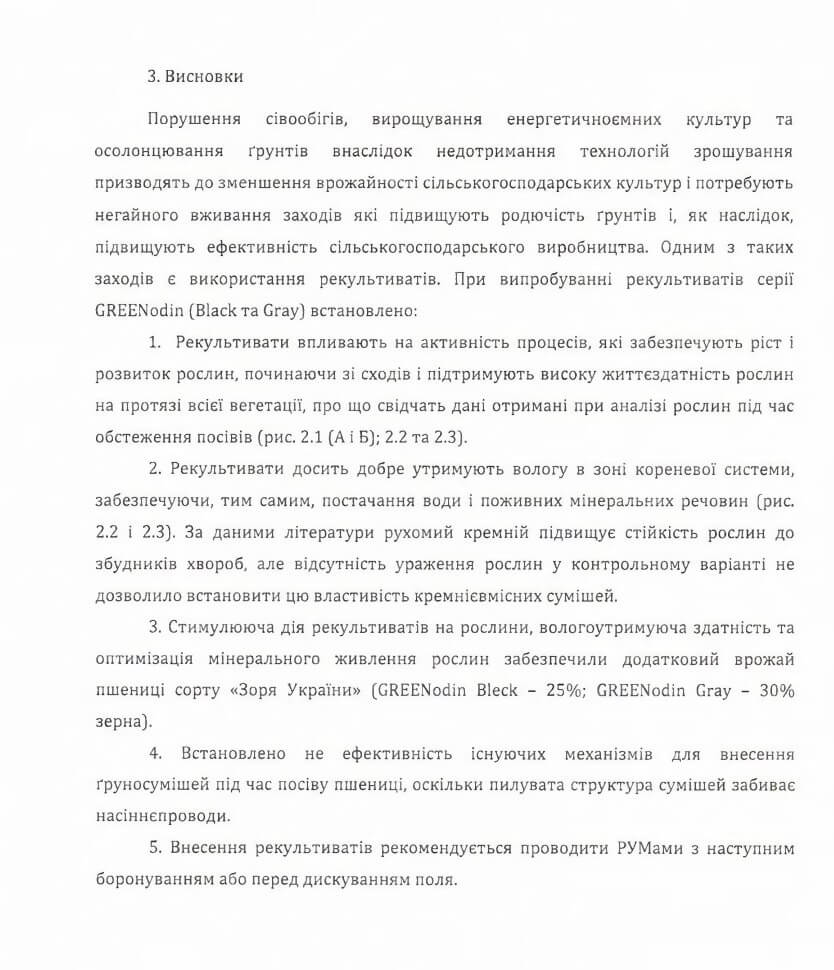
Report Winter wheat 2018 Greenodin
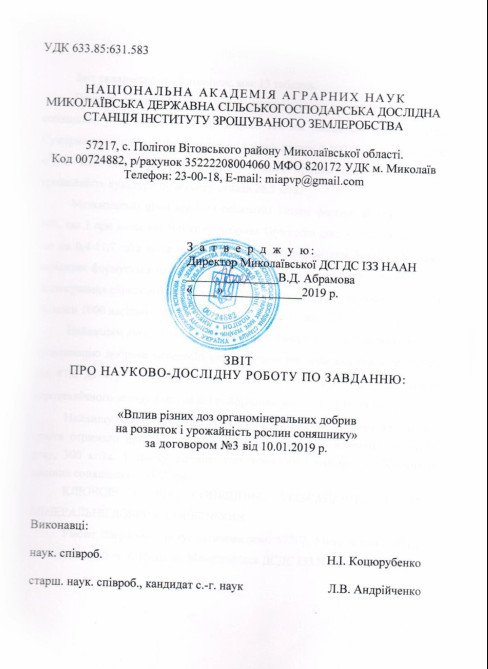
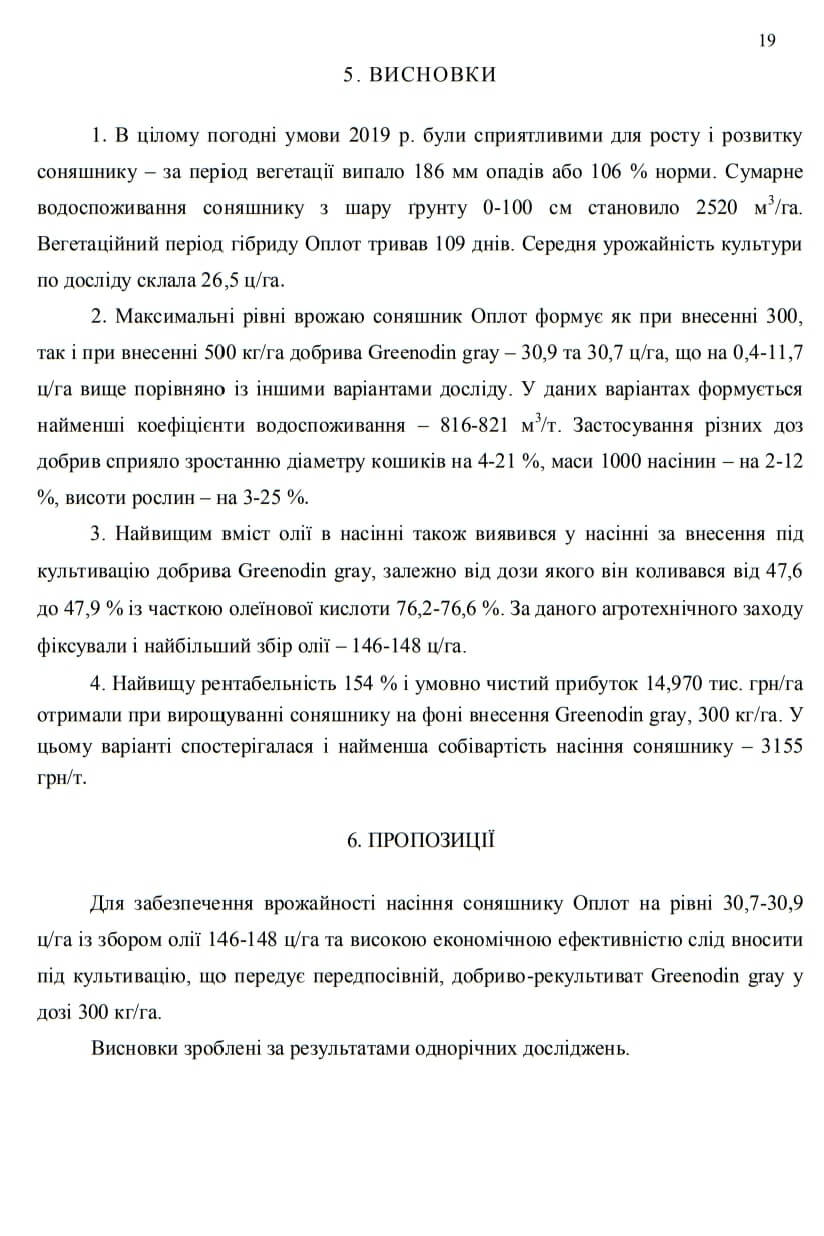
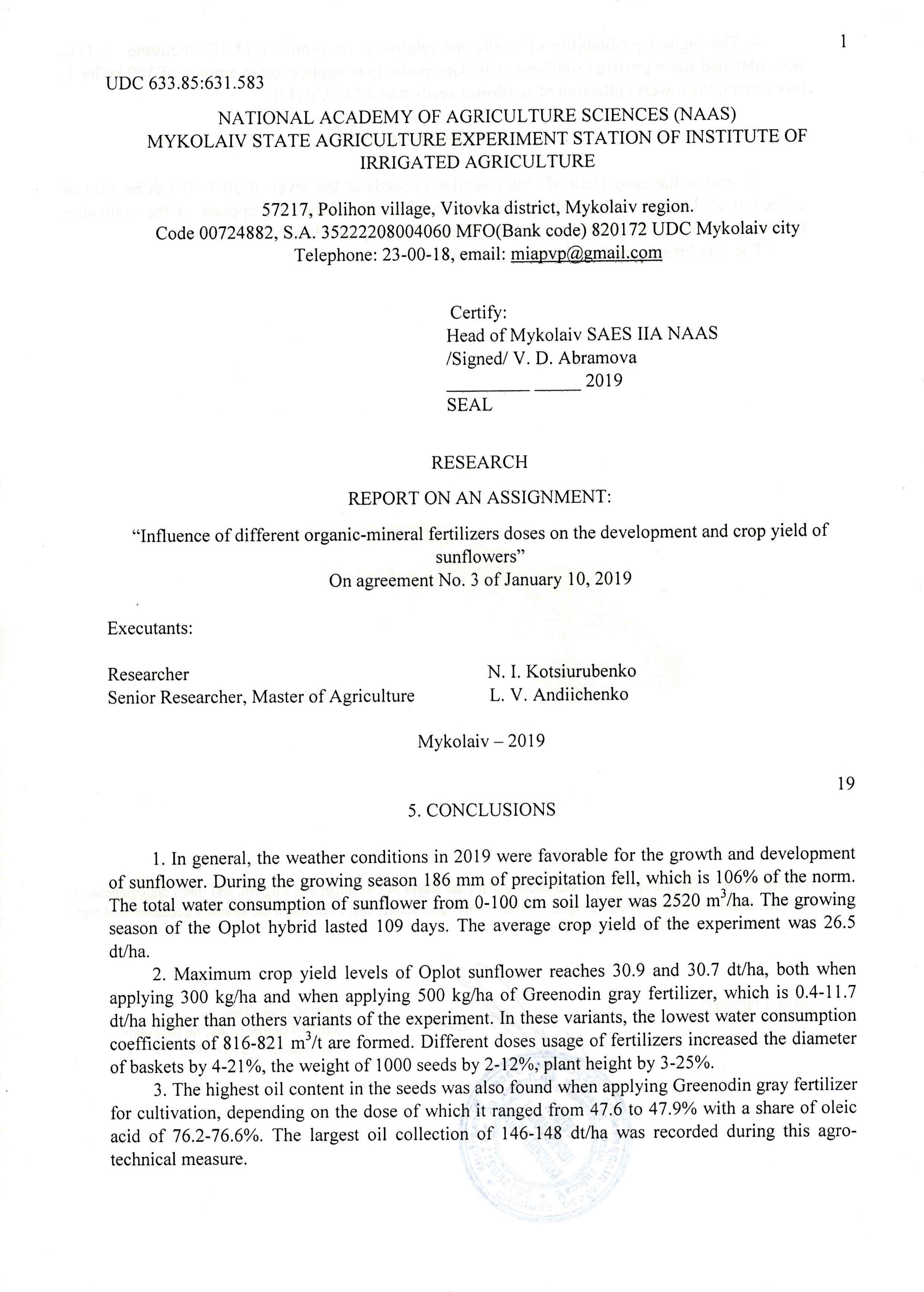
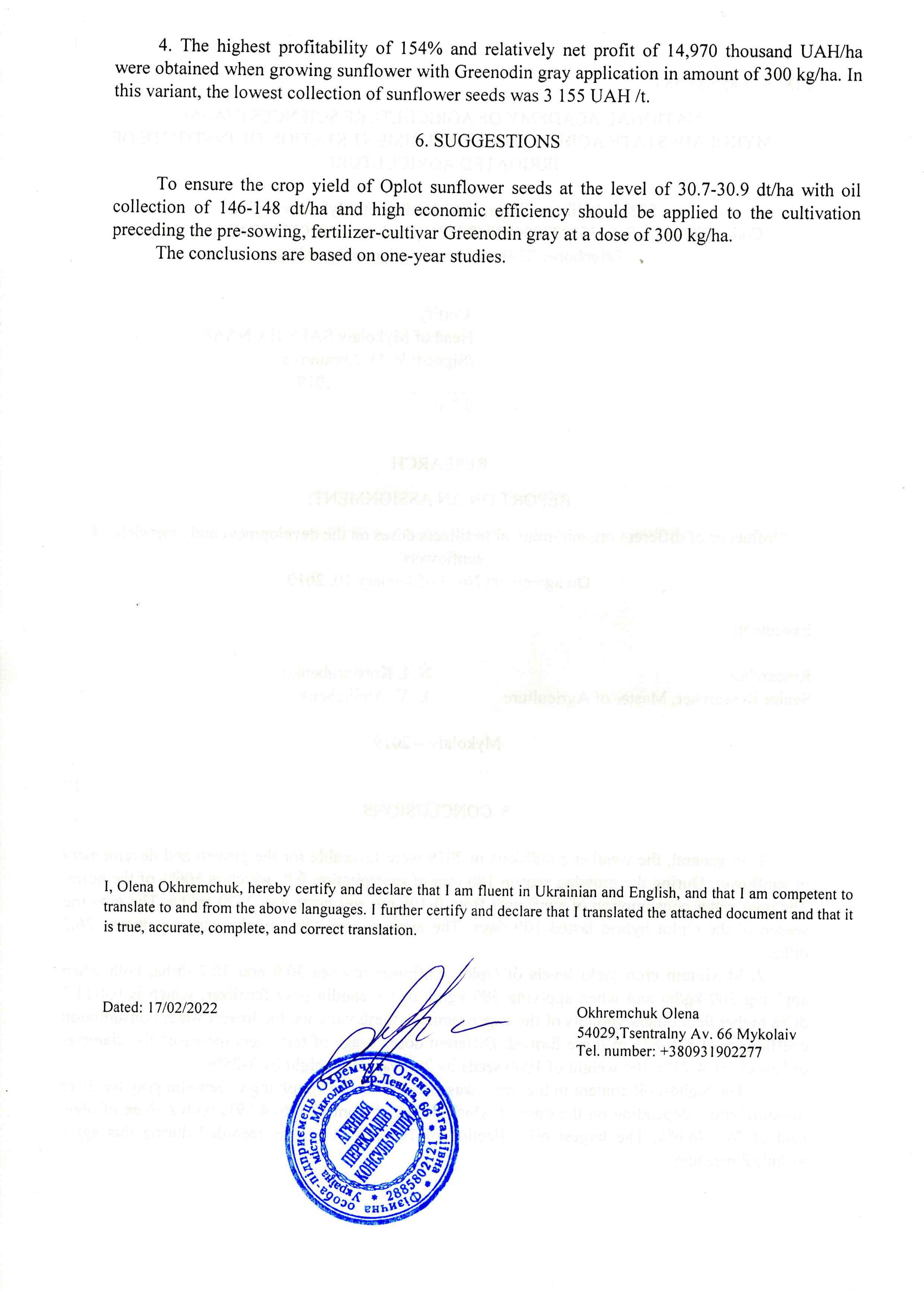
Sunflower 2019 Greenodin
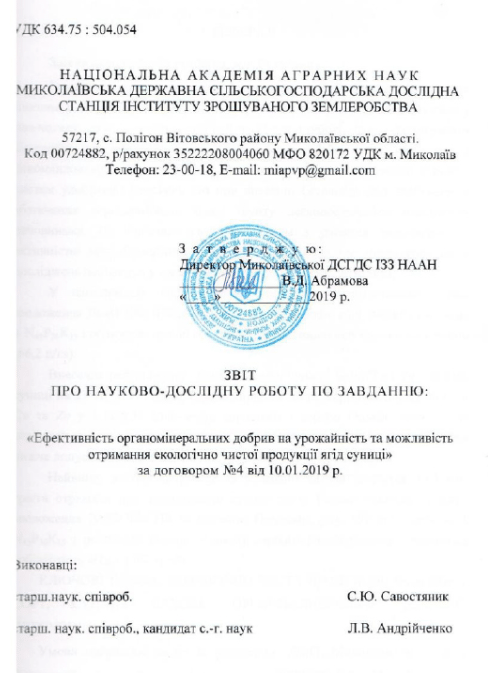
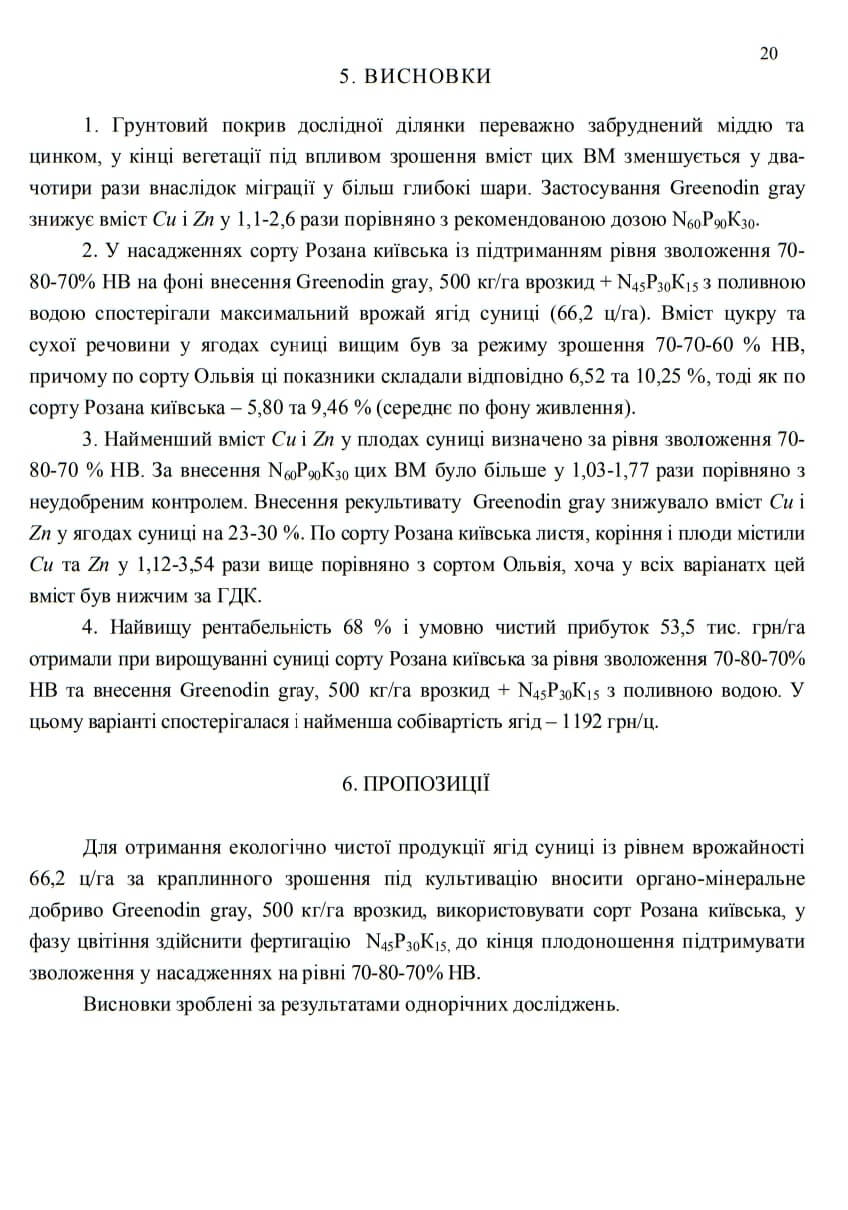
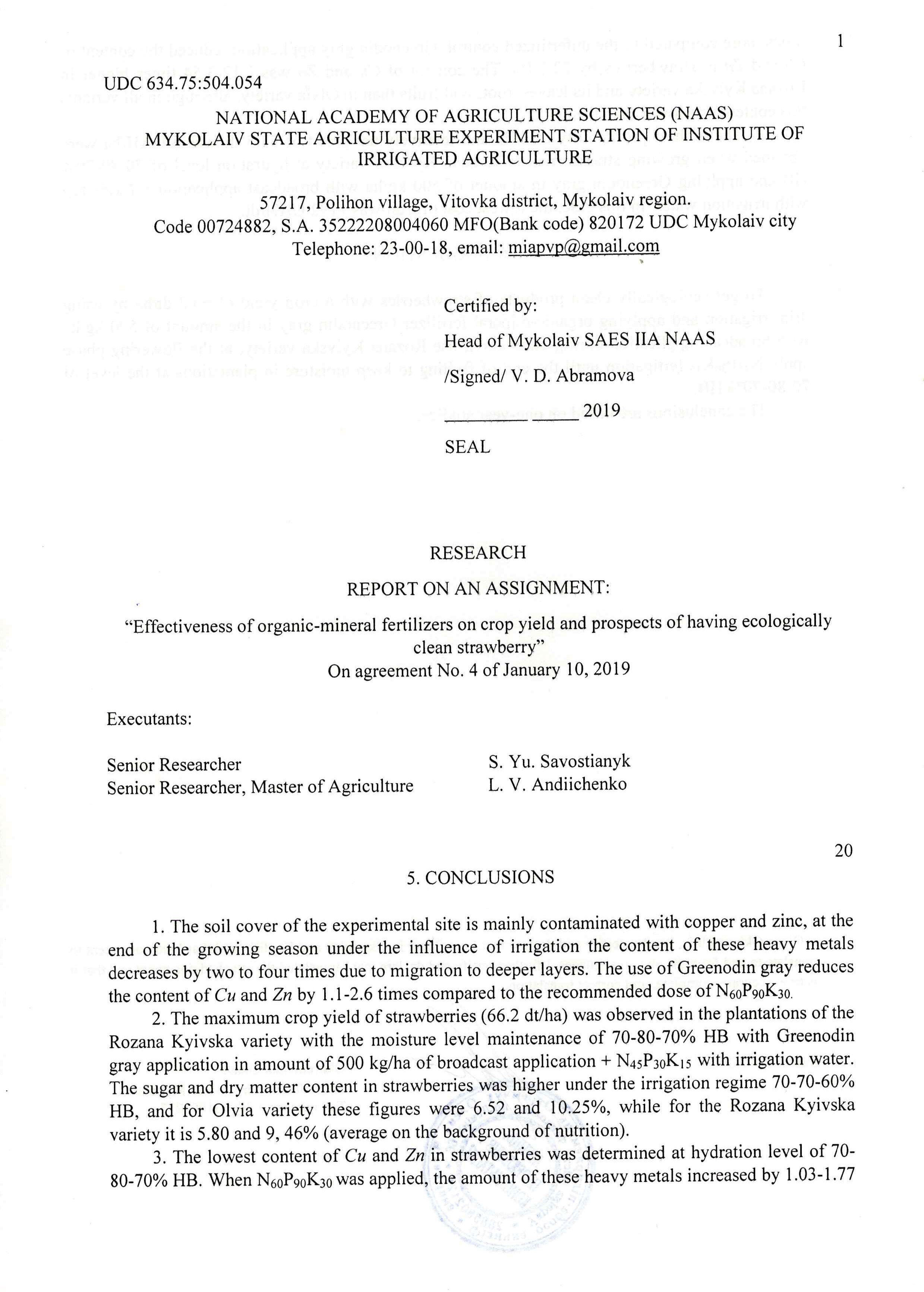
Strawberry 2019 Greenodin
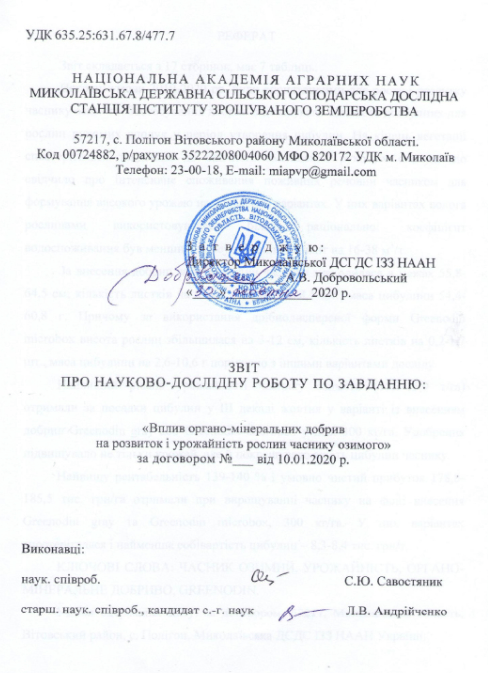
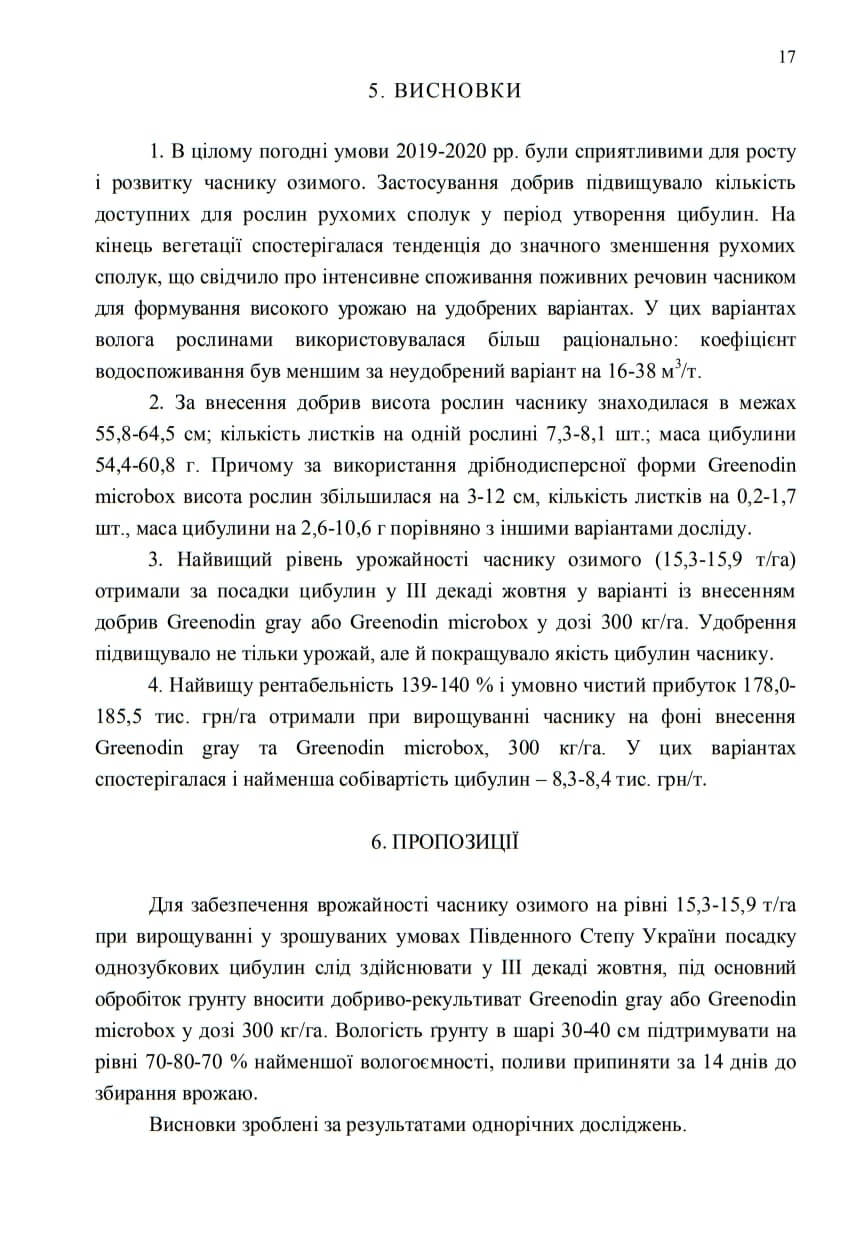
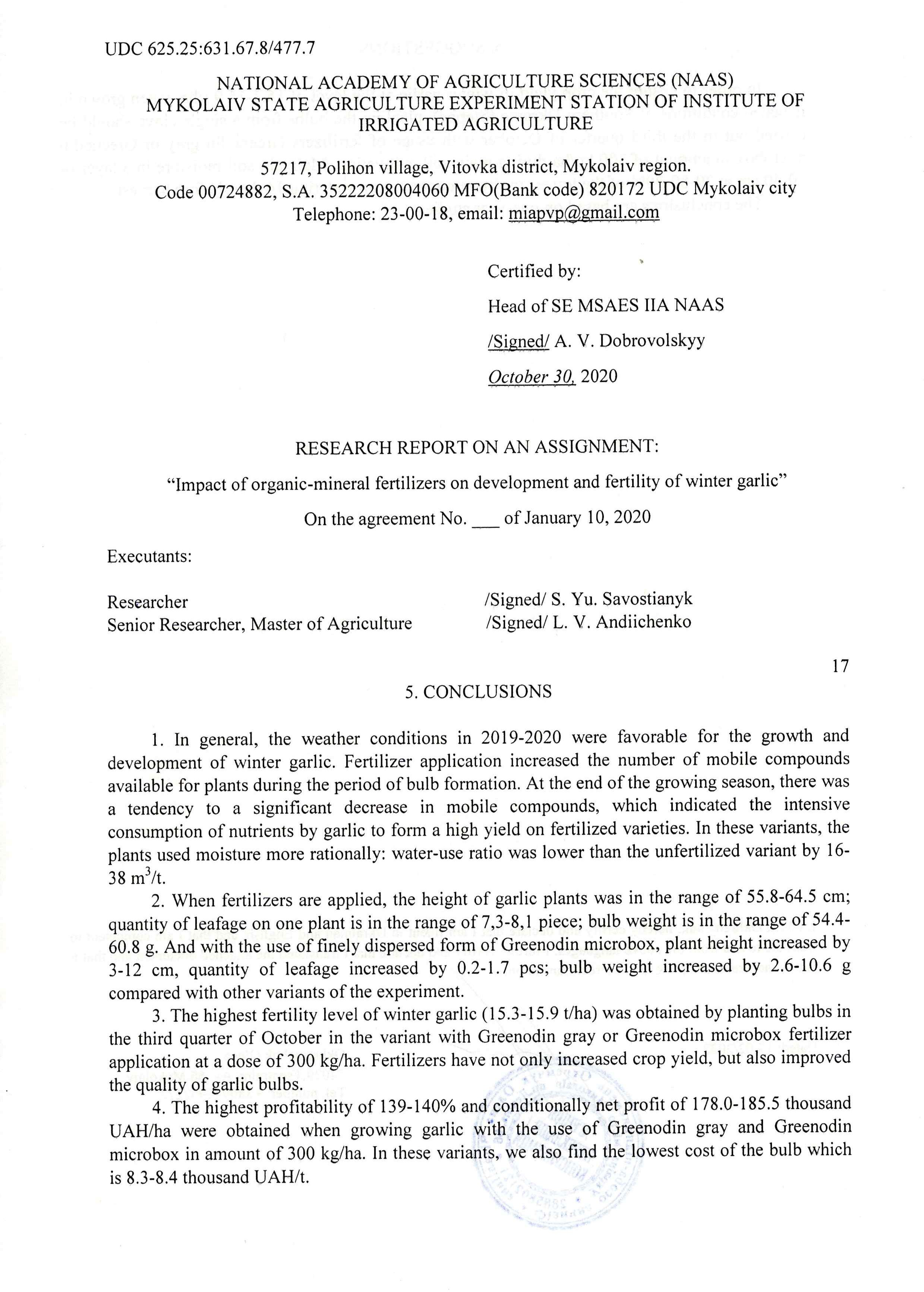
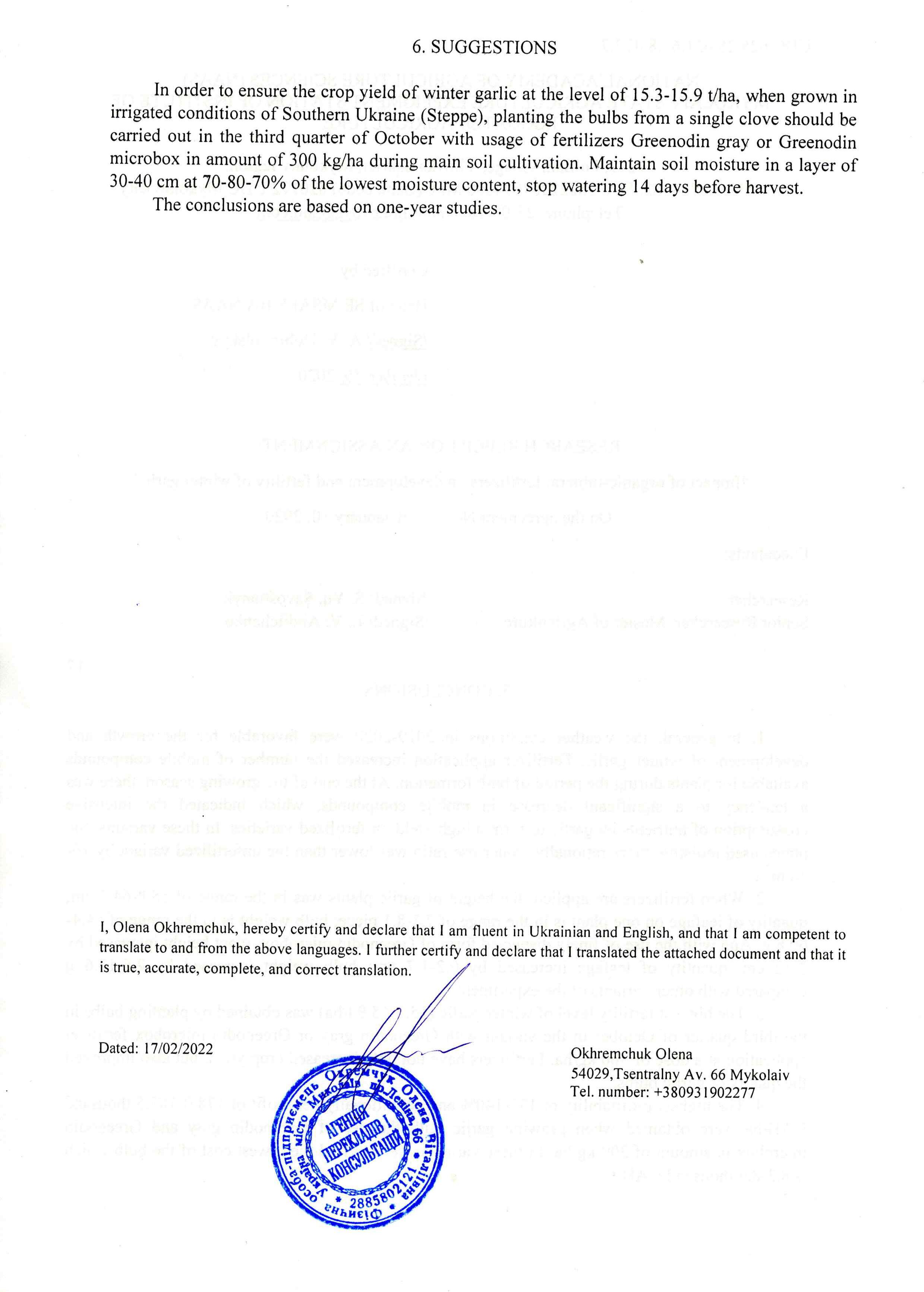
Garlic 2020 Greenodin
UTC Winter spelled 2016 Greenodin