Fertilizers for barley
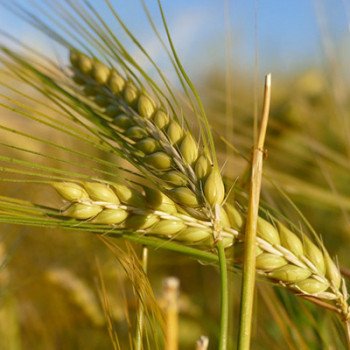
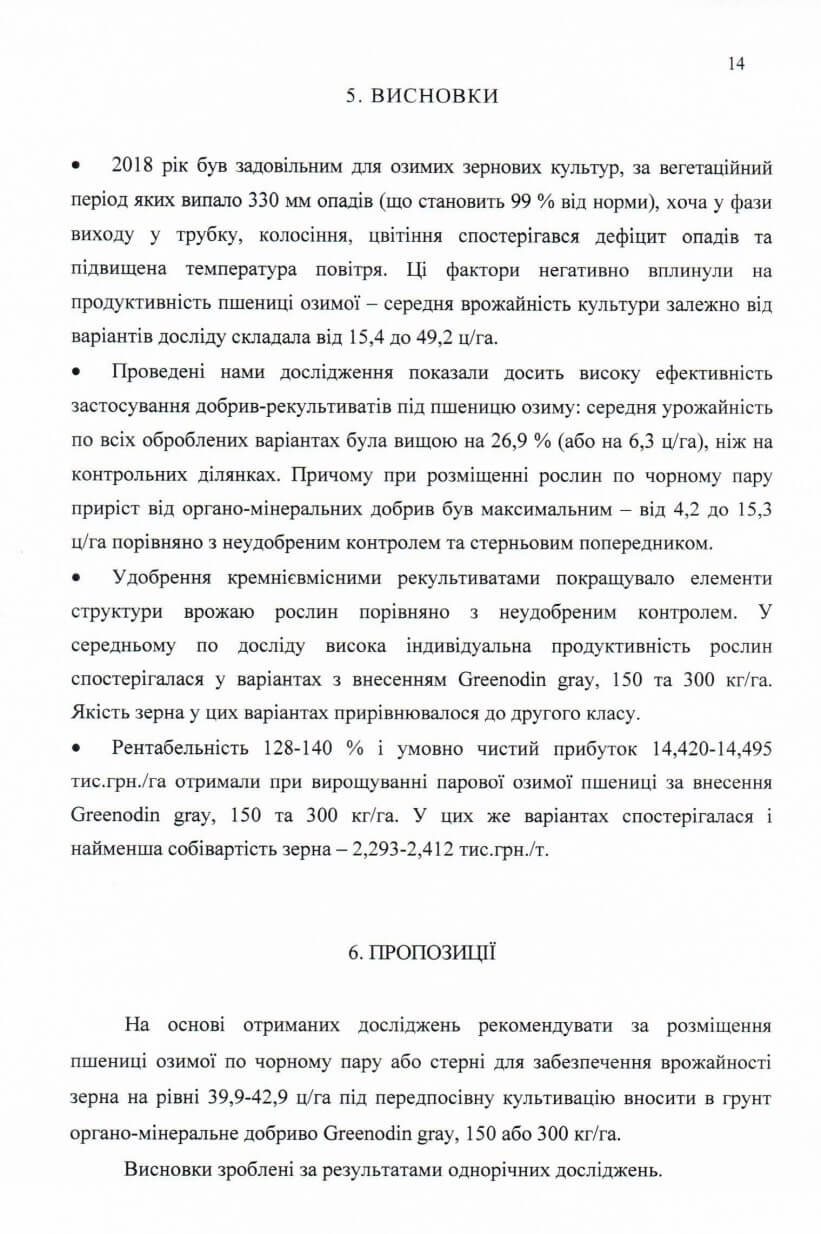
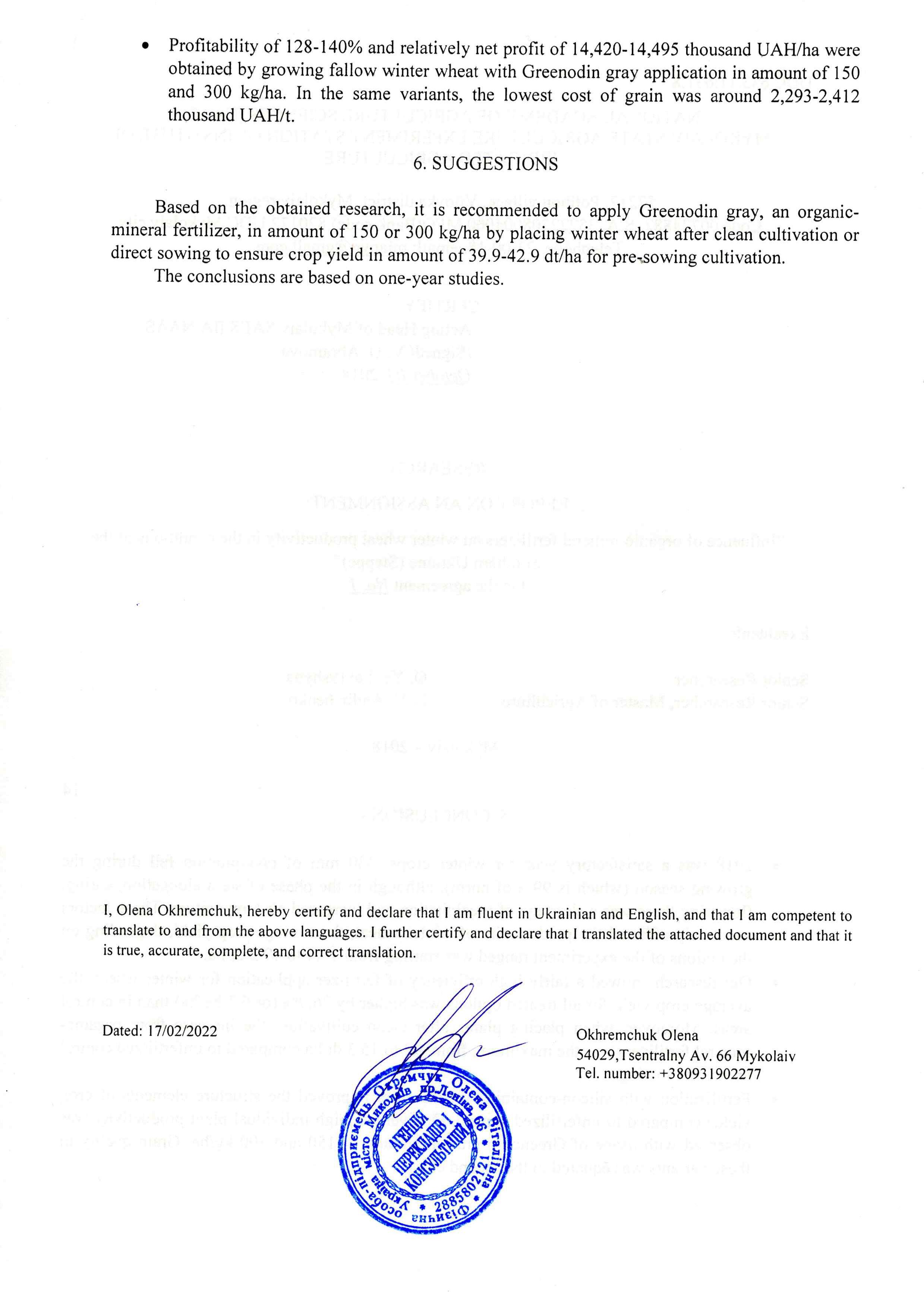
For effective barley cultivation, use GREENODIN organic fertilizers. Their application provides the following benefits:
- Increased crop yield
- Improved soil structure
- Enhanced nutrient content in the soil
- Active microbial activity in the soil
- Improved soil water and air regimes
To increase yield and improve the quality of barley crops while ensuring ecological sustainability, it is recommended to apply GREENODIN fertilizer during the main soil treatment before sowing. The first stage involves stubble incorporation using disc harrows after the preceding crop, followed by plowing as the second stage. In areas prone to wind erosion, additional soil treatment with cover crops is recommended.
Snow retention measures should be taken during winter. Spring soil preparation includes pre-seeding cultivation using universal cultivators and harrowing with chain-tooth harrows to retain moisture in the soil.
The application of GREENODIN granulated fertilizers enhances soil fertility, making their simultaneous use highly justified.
SOIL FOR BARLY
To obtain quality soil for barley cultivation, it is important to focus on restoring and enhancing soil fertility. Optimal soil conditions for growing barley, including organic and integrated approaches, require a pH value ranging from 6.8 to 7.5. It is not recommended to grow barley on acidic soils with excessive moisture. Low yields are expected on saline and light sandy soils with low organic matter content.
However, these soil conditions can be improved by using certified Organic Standard organic granulated fertilizers, such as GREENODIN.
Depending on the pH level of the soil, different variants of GREENODIN can be applied. GREENODIN BROWN is beneficial for soils with a pH of 7.5, while GREENODIN RED is more effective for soils with a pH of 6.5 or lower. For soil pH ranging from 6.5 to 7.5, GREENODIN GRAY delivers excellent results.
To achieve good barley yields while renewing and enhancing soil fertility, it is crucial to provide plants with an adequate supply of macro and micronutrients. This can be achieved by using agrochemically beneficial bacteria included in the composition of the GREENODIN organic granulated fertilizers.
BARLEY CULTIVATION
Organic barley, like its conventional counterpart, can be grown as a spring crop. However, in Ukraine and many other countries, there is a transition towards growing winter barley (also known as spring barley).
The predecessors of barley
The best predecessors for organic barley are crops grown in well-fertilized soil, such as peas, flax, or perennial grass sod.
Peas and other leguminous crops are particularly beneficial as predecessors because they fix nitrogen in the soil, providing a rich source of nutrients for the following barley crop, whether it is grown for feed or food purposes.
For spring barley, suitable predecessors include row crops and legumes such as sugar beets, grain corn, peas, and soybeans. Barley itself is a good predecessor for sugar beets. After harvesting the predecessor crops, it is important to thoroughly remove weeds from the field.
Regardless of the predecessor, successful cultivation of organic barley relies on proper decomposition of plant residues. This can be naturally facilitated by using microbial preparations containing Trichoderma or organic products such as ECOSTERN.
Organic barley cultivation technology
The technological plan for applying fertilizers in organic and integrated farming for winter barley is as follows:
- Before sowing, it is recommended to treat the seeds with 2 liters of HELPROST® per ton, diluted in a working solution of 10 liters of water. Additionally, apply 1.5 liters of MYCOFRIEND® (Mycorrhiza) per ton, diluted in a working solution of 10 liters of water.
- During primary soil tillage or at the time of sowing (based on the farmer's choice), apply 250 kg/ha of GREENODIN fertilizer, selecting the appropriate type based on soil pH. GREENODIN GRAY is a universal solution for Ukrainian soils. GREENODIN fertilizers contain nitrogen-fixing, phosphorus-mobilizing, and potassium-mobilizing microorganisms. It is recommended to enhance soil treatment with 5 liters of GROUNDFIX organic fertilizer per hectare, prepared as a solution of 150 liters per hectare, to enrich the soil.
- During early spring vegetation, apply 7 liters/ha of LEPIDOCID-BTU®-r bioinsecticide, prepared as a solution of 200 liters per hectare, and 3 liters/ha of MYCOHELP® biofungicide in a 300-liter water solution. Also, apply 0.5 liters/ha of AZOTOFIT-R® growth stimulator in a 300-liter water solution.
- During the tillering stage, it is advisable to repeat the application of 7 liters/ha of LEPIDOCID-BTU®-r bioinsecticide, prepared as a solution of 200 liters per hectare, and 3 liters/ha of MYCOHELP® biofungicide in a 300-liter water solution. Additionally, apply 0.5 liters/ha of AZOTOFIT-R® growth stimulator in a 300-liter water solution and add 0.5 liters/ha of LIPOSAM® adjuvant in 300 liters of water.
- During the heading and ripening stages, apply 0.8 liters/ha of PHYTOHELP® biofungicide in 300 liters of water. Also, apply 0.5 liters/ha of LIPOSAM® adjuvant in 300 liters of water.
- After harvesting, it is recommended to apply 150 kg/ha of GREENODIN GRAY, supplemented with 1.5 liters/ha of the microbial stubble degrader ECOSTERN, prepared as a solution of 150 liters per hectare.
It is recommended to incorporate organic matter into the soil before the previous barley crop to accelerate biochemical processes and activate enzymes within plant organisms. This enhances barley's resistance to diseases and external stresses such as drought, cold, and solar activity.
Norms for application of organic fertilizers for barlty cultivation
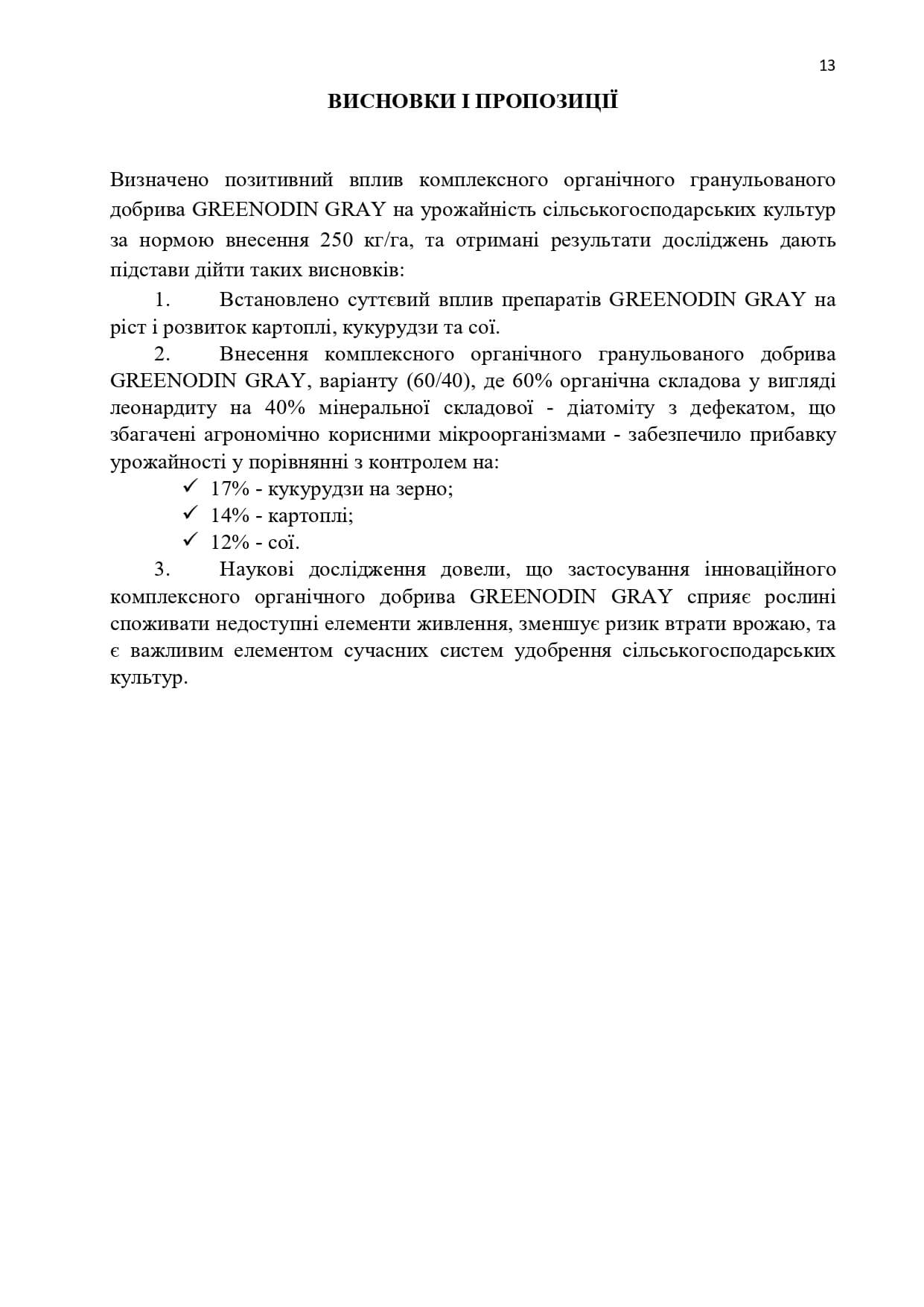
The overall application rate of organic fertilizers depends on various soil characteristics. However, the initial recommended norm for GREENODIN organic fertilizer for barley is 250 kg per hectare or 2.5 kg per hundred square meters (1,000 square feet), which is equivalent to 25 grams of GREENODIN organic fertilizer per square meter.
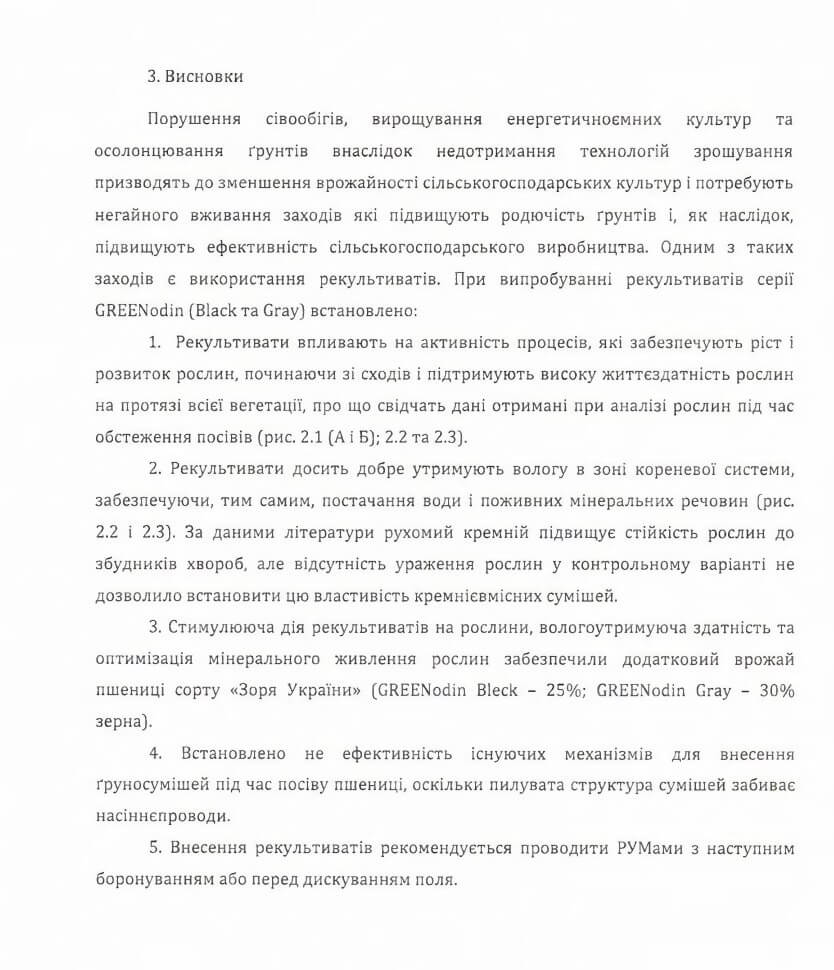
The cumulative effect of GREENODIN products allows for a reduction in dosage with each subsequent season. The next application of the fertilizer enables a decrease in the maximum application rate from 250 kg per hectare (25 g per square meter) to 80 kg per hectare (8 g per square meter) by the 6th season of application on the same plot of land.
Nutrition of Organic Barley
To ensure healthy and vigorous growth of organic barley, proper nutrition is essential. One effective way to achieve this is by using agronomically beneficial bacteria contained in organic fertilizers like GREENODIN, which fix and mobilize macronutrients such as nitrogen (N), phosphorus (P), potassium (K), calcium (Ca), magnesium (Mg), as well as micronutrients like boron (B), zinc (Zn), manganese (Mn), molybdenum (Mo), and others. These nutrients provide sufficient natural nourishment in an easily absorbable form for barley.
Phosphorus (P) is necessary to increase plant bushiness, prevent lodging, and improve grain quality. The phosphorus-producing bacteria in GREENODIN effectively contribute to this task.
Potassium (K) plays a role in moisture retention in the soil and synergizes with amorphous silicon to enhance plant strength. The combination of potassium and silicon actively influences yield, increases seed weight and protein content, promotes nitrogen fixation, and strengthens resistance to diseases and stress factors, including drought. This beneficial effect is further enhanced by potassium-producing bacteria in GREENODIN.
Nitrogen (N) stimulates the growth and development of barley. Scientific studies have shown that all cereals satisfy 60-70% of their nitrogen needs through symbiosis with nitrogen-fixing bacteria, which are abundant in organic fertilizers like GREENODIN.
Calcium (Ca) improves soil structure, nutrient absorption, and the development of barley's root system. It is also involved in hormonal reactions and, together with silicon, contributes to the formation of sturdy stem walls, protecting against pest attacks. Calcium is present in GREENODIN.
Magnesium (Mg) contributes to increased yield, chlorophyll content, and barley's resistance to diseases. It also supports enzyme processes and the accumulation of fats.
Boron (B) stimulates the growth points of young barley plants, including nitrogen supply.
Zinc (Zn) activates several enzymes and participates in nitrogen metabolism and protein formation.
Manganese (Mn) activates enzymes, chlorophyll synthesis, and overall photosynthesis.
Molybdenum (Mo) promotes root system growth by activating beneficial nodule-forming bacteria and accelerates vegetation. It is localized in young plant organs and, towards the end of the vegetative period, concentrates in seeds, enhancing yield and protein content.
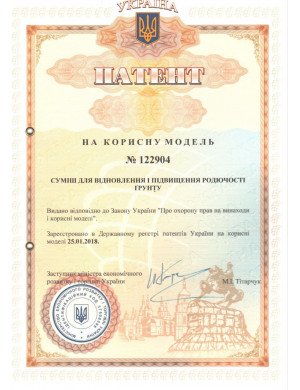
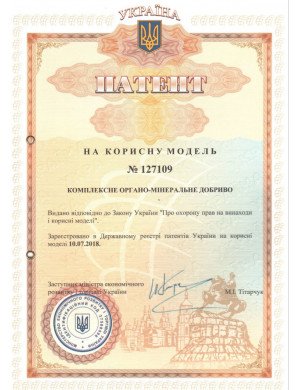
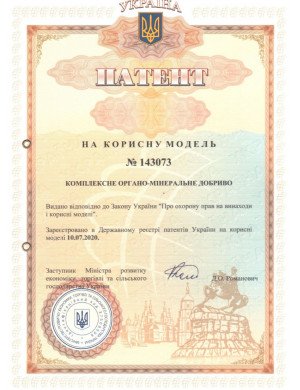
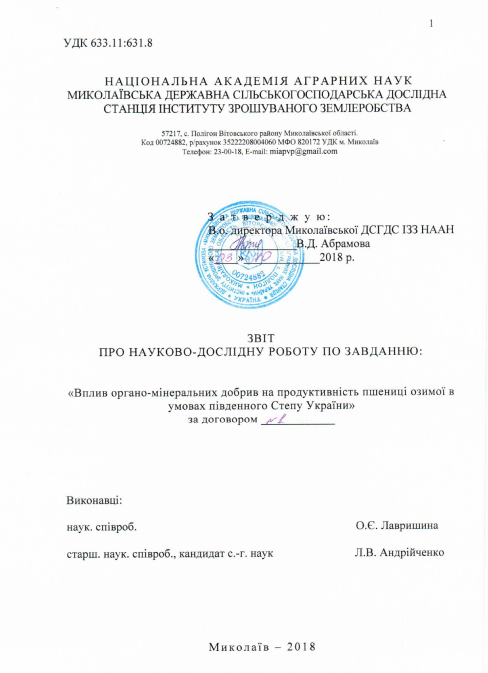
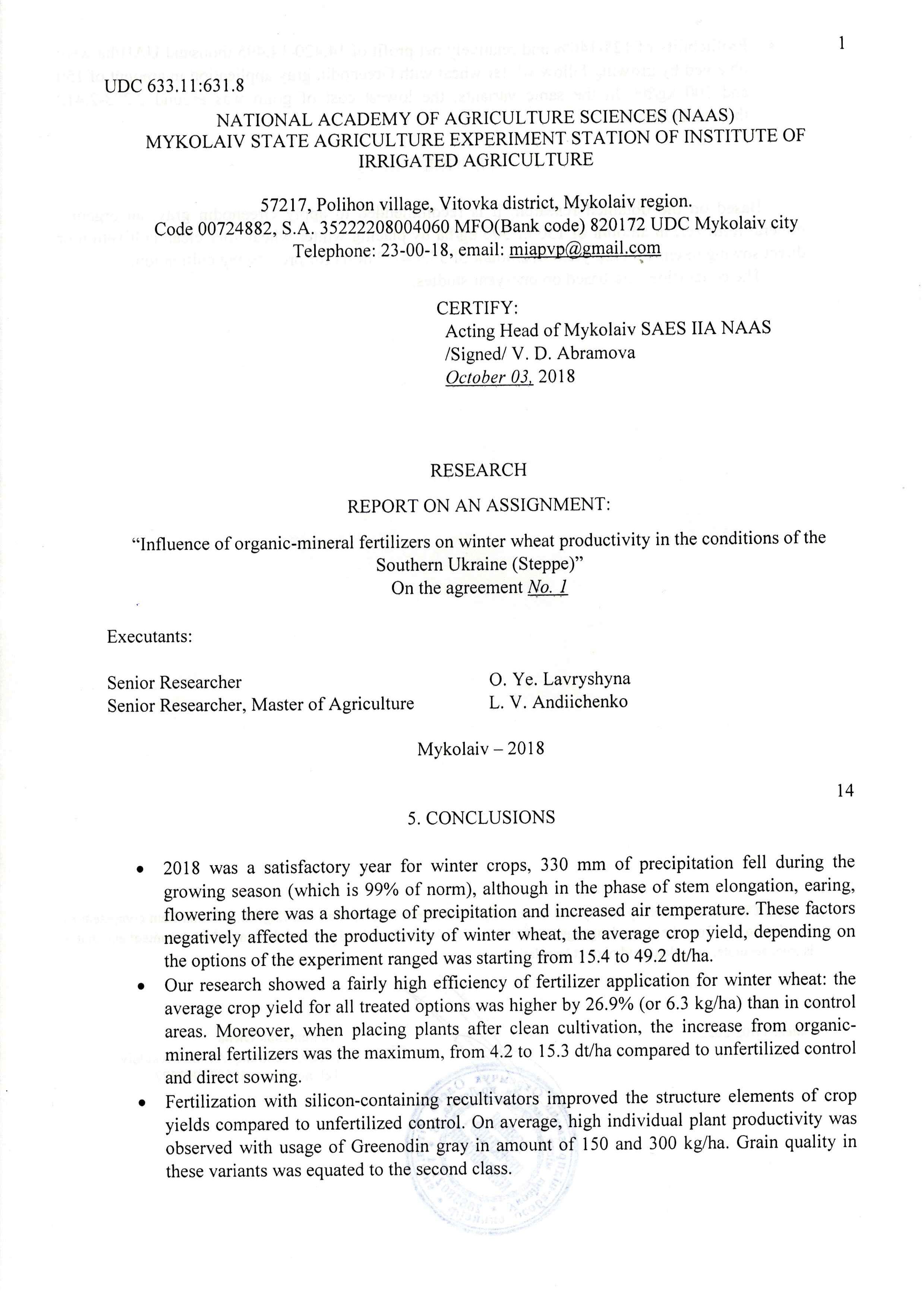
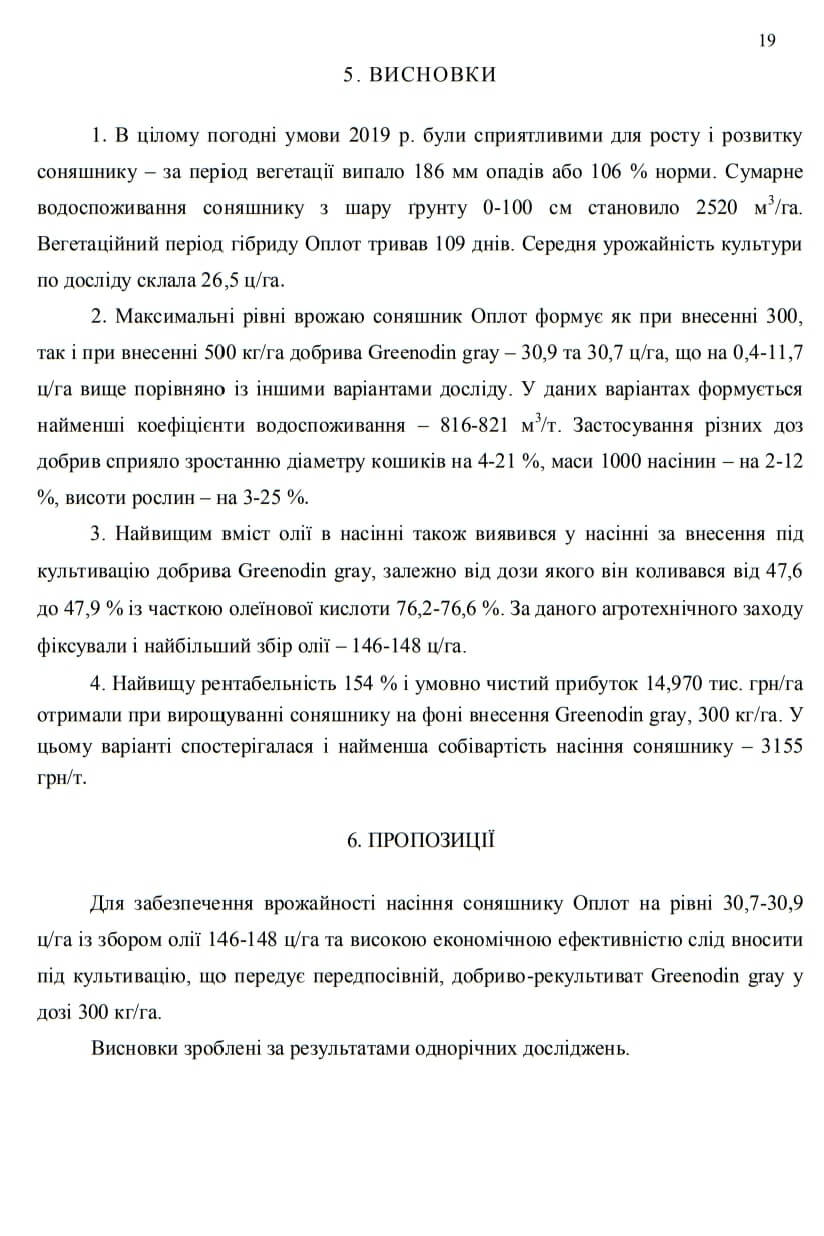
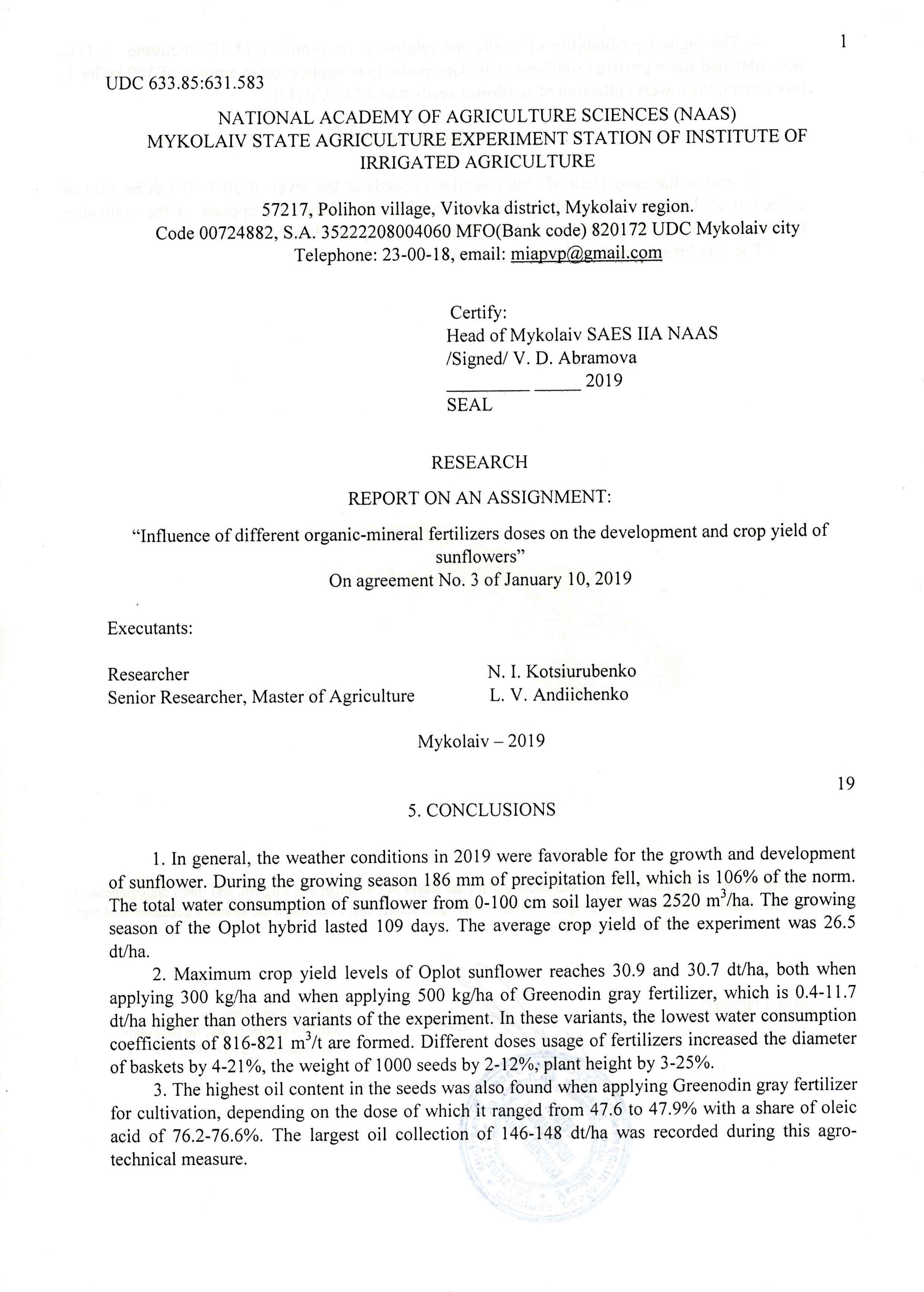
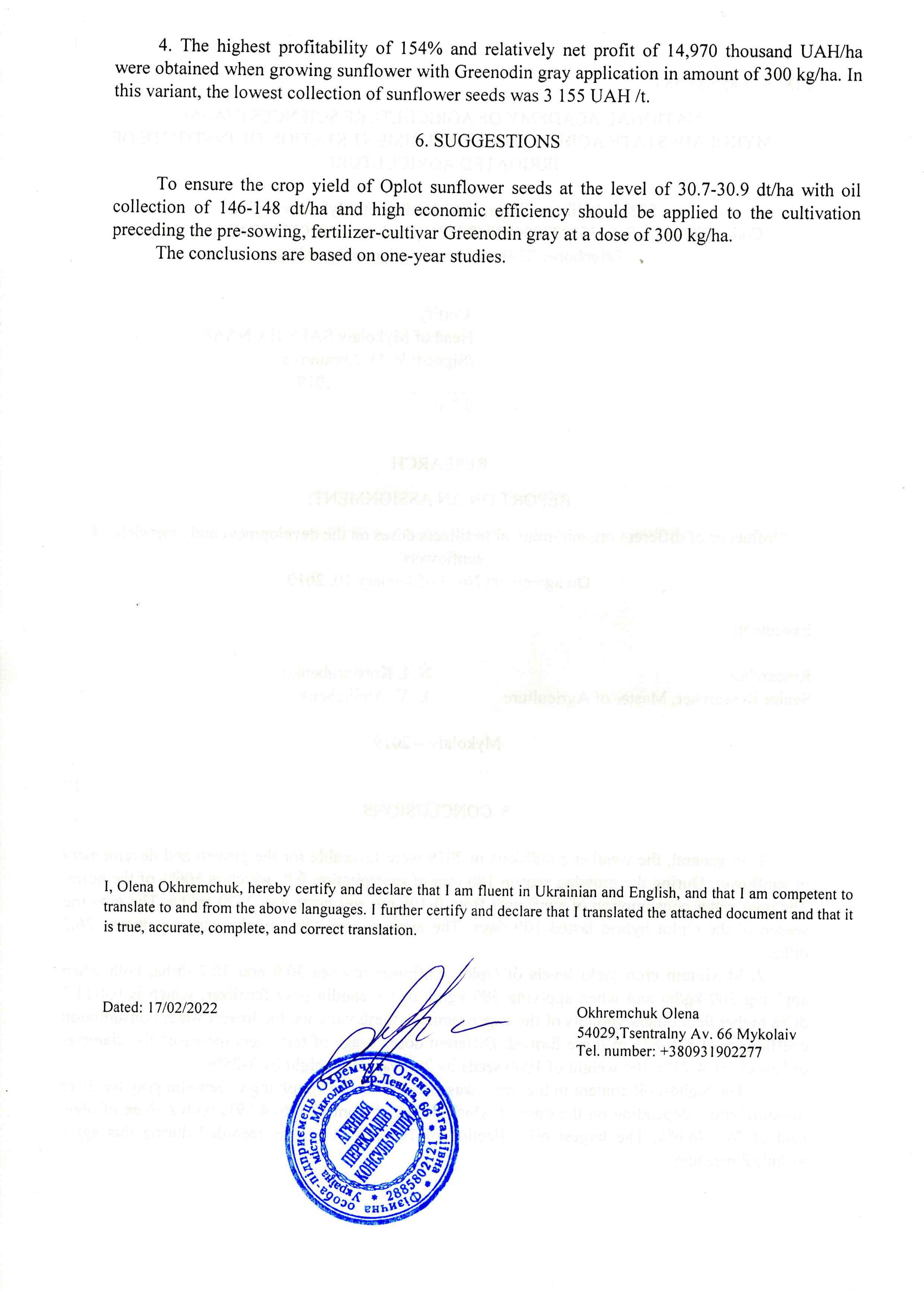
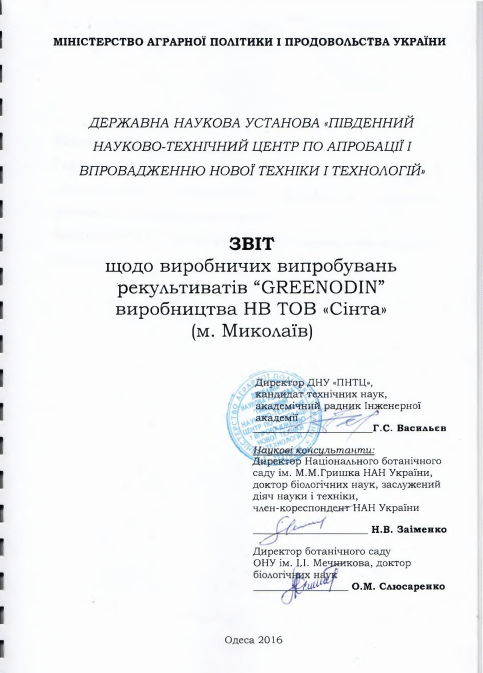
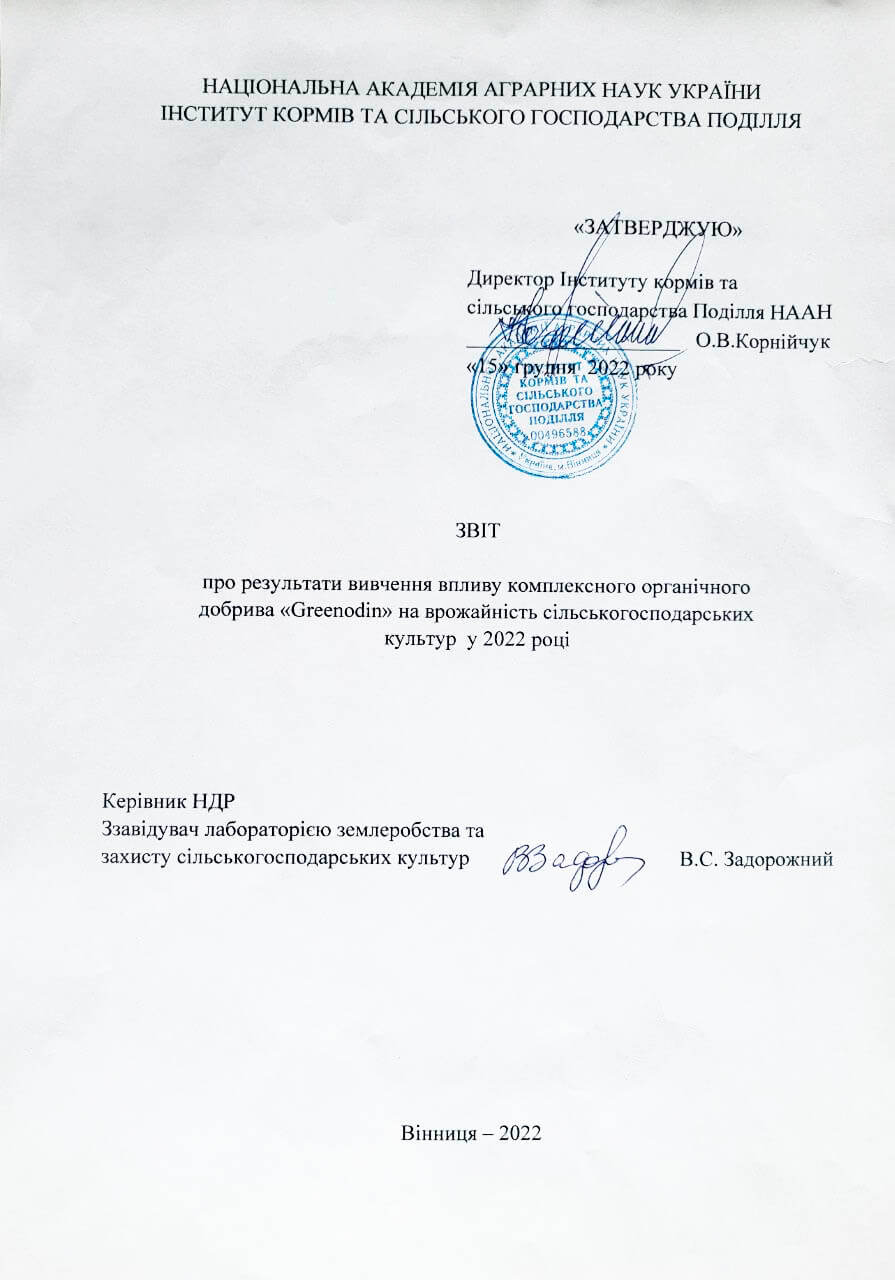
Organomineral complex granulated fertilizers GREENODIN developed according to international environmental requirements, meet European standards № 834/2007; № 889/2008 and certified Organic Standart.
GREENODIN product line provides the necessary acidity of the soil and creates the ideal conditions for increased yield of organic barley.
Detailed information about the advantages of GREENODIN innovative organic fertilizers is written in the article "Advantages of GREENODIN fertilizer".
Modern GREENODIN products are a unique solution for the successful growing of high quality barley without having a negative impact on the environment.
Unique properties of organic fertilizer for barley brand GREENODIN


Protective bacteria Bacillus Subtilis

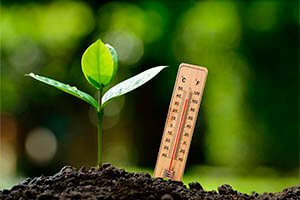
Thermal protection of plants
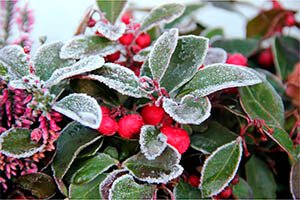
Biochemical plant protection
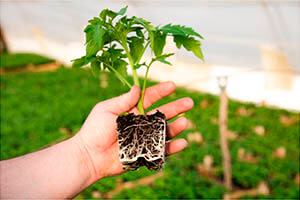
Root formation
Growth acceleration
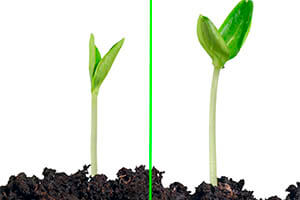
Saturated bright color

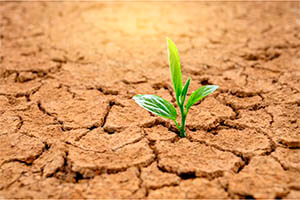
Drought tolerance
Why customers consider GREENODIN the best barley fertilizer
Based on our customer feedback, we have compiled a list of reasons why our customers rated GREENODIN as the best fertilizer for barley