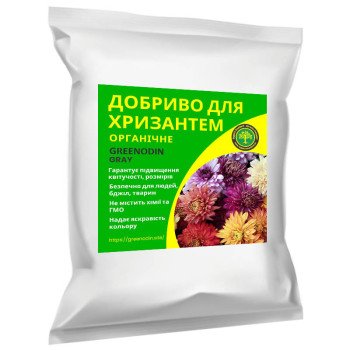
Fertilizers for chrysanthemums
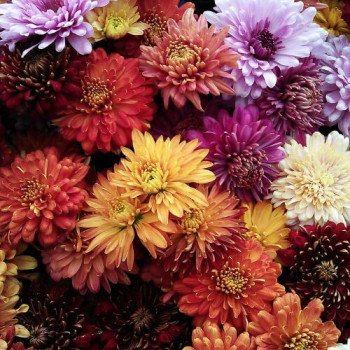
Chrysanthemum is one of the most popular flowers with a wide variety of varieties and color options, widely used in gardening and floral design, and successfully growing in various conditions when using the fertilizers for chrysanthemums GREENODIN GRAY. Chrysanthemums are successfully used to create bouquets and floral arrangements, especially in autumn and winter bouquets, as some varieties bloom until the winter.
Annual chrysanthemums have thin, finely serrated leaves of a linear shape and are often used to create bright floral compositions in gardens and flowerbeds. Annual chrysanthemums usually bloom earlier and can provide vibrant colors in the garden throughout the summer season.
Perennial chrysanthemums typically have deeply lobed leaves of a darker color. They also have smaller flowers and are generally more cold-tolerant. Perennial chrysanthemums can return and bloom every year, providing beauty to the garden for many years.
Fertilizers for chrysanthemums GREENODIN GRAY has a successful effect on all types and varieties of chrysanthemums, strengthening the plants and making them healthier and, as a result, more expressive.
Location for Chrysanthemums
Chrysanthemums require maximum access to sunlight, which can be easily provided by open sunny areas for healthy growth and development. Ideally, chrysanthemums should receive at least 6-8 hours of sunlight per day. The location should be chosen to avoid water stagnation, in order to prevent fungal diseases and rot.
The comprehensive action of GREENODIN GRAY minimizes the factors overlooked by the gardener through its multifunctional beneficial effects on the soil and the chrysanthemum itself.
When choosing a location, it is important to ensure protection from strong winds, which can damage chrysanthemums, especially during flowering when the bushes are particularly delicate. Protecting chrysanthemums from the wind should not obstruct the ventilation of the chrysanthemum, which helps to ventilate excess moisture and prevent waterlogging.
Soil for Chrysanthemums
The soil for the successful development of chrysanthemums should be fertile and well-draining. An ideal solution to adjust the soil pH for plants is GREENODIN GRAY, which has a pH of 7.0, preferred by chrysanthemums, allowing for a pH range from 6.0 to 7.0. This pH range provides good access to nutrients in the soil and allows chrysanthemums to efficiently absorb mineral elements.
If the soil pH is too high (alkaline), in addition to GREENODIN GRAY, organic material such as compost or peat can be added to lower the pH. If the pH is too low (acidic), an additional 12 grams per square meter or a liter of GREENODIN GRAY substrate should be added.
It should be noted that the exact pH requirements may vary slightly depending on the variety of chrysanthemum and local conditions. Therefore, it is recommended to conduct a soil analysis and, if necessary, make corrections based on the characteristics of the plant itself to provide optimal conditions for the growth and development of your chrysanthemums.
Planting Chrysanthemums
Preparing the soil for chrysanthemums involves digging a hole 30-40 cm deep and enriching the soil for planting with GREENODIN GRAY fertilizer at a rate of 15 grams per 1 liter of soil or 15 kg per cubic meter.
Preparing the chrysanthemum plant involves removing it from the container and carefully separating the root system before planting.
The spacing between chrysanthemums can vary depending on the size, variety, and development level of the plants themselves to provide enough space for their growth. However, it is usually recommended to leave approximately 30-40 cm between plants.
The actual planting of chrysanthemums should be done at a depth and width that is twice the actual size of the plant's root system. Carefully place the plant in the hole and spread out the roots. Ensure that the root collar (the point where the stem meets the roots) is at soil level, then fill the hole with soil, compacting it firmly around the plant to eliminate air pockets.
For sowing chrysanthemum seeds:
- For annuals, cover the seeds with a 0.5 cm layer of soil.
- For perennials, place them on the soil surface without covering them, but press them lightly against the soil.
After planting, water the chrysanthemums generously to help them establish roots and ensure good contact between the roots and the soil. Mulching the soil around chrysanthemums should be done once the rooted plant begins to grow. This will help retain moisture, suppress weed growth, and protect the roots from overheating or frost.
Watering Chrysanthemums
Chrysanthemums require regular watering, especially during dry and hot periods. It is best to water chrysanthemums in the morning, allowing the plants to dry out by evening to prevent the development of fungal diseases associated with excessive nighttime humidity. Check the soil moisture level before watering. Insert your finger to a depth of about 5 cm into the soil. If the soil feels dry to the touch, it's a sign that the plants need watering. Avoid getting water on the chrysanthemum leaves to prevent the onset of powdery mildew and gray mold. Keep the soil consistently moist but avoid overwatering.
During the winter, water chrysanthemums sparingly. During their dormant period, they require much less water, but make sure not to let the roots dry out.
Depending on climate conditions and soil type, your chrysanthemums may require varying levels of irrigation. Monitor the condition of the plants and respond to their water needs accordingly.
Proper watering is the key to healthy growth and abundant flowering of chrysanthemums. Strive to maintain the soil moisture at the optimal level, and your chrysanthemums will flourish. Any watering mistakes can be easily corrected with GREENODIN GRAY, thanks to its organic-mineral composition and moisture retention properties.
Mulching Chrysanthemums
Mulching helps retain moisture in the soil, which is especially important during hot weather or in dry climates. Mulch also creates a protective layer that helps prevent the roots of chrysanthemums from overheating in hot weather and from freezing in cold seasons. Additionally, mulch suppresses weed growth, allowing chrysanthemums to thrive without competition for nutrients and moisture. Another advantage of mulching is the improvement of soil structure; as it decomposes, it can enhance soil structure and add nutrients. This process is further enhanced and made more efficient by the natural decomposers in GREENODIN.
Enrich organic materials such as straw, wood shavings, fallen leaves, peat, compost, and/or bark with organic-mineral fertilizer GREENODIN GRAY at a rate of 15 grams per liter or 15 kilograms per cubic meter.
Spread the mulch evenly around the root zone of the chrysanthemums, leaving a small gap around the stems. The effective mulch layer should be 5-7 cm thick and lightly watered.
Fertilizing Chrysanthemums
After properly following the mentioned actions with the use of organic fertilizer GREENODIN GRAY, there is usually no urgent need for additional fertilization. However, if you notice any signs of nutrient deficiency, you should apply GREENODIN GRAY at a rate of 25 grams per square meter or per bush. For young seedlings, the fertilization rate is 5 grams per plant.
Carefully spread GREENODIN GRAY according to the specified dosages and water the chrysanthemums generously.
Pruning Chrysanthemums
Pruning chrysanthemums plays an important role in their care and in shaping a beautiful bushy structure, except for certain varieties like Chrysanthemum Multiflorum, where the shape is genetically determined and doesn't require special care. Pruning is done for the following purposes:
Summer pruning of chrysanthemums:
1. Central stem formation: Allow the central stem of the chrysanthemum to grow to the desired height, typically 30-40 cm, depending on your preference.
2. Pinching the top: When the central stem reaches the desired height, pinch the top of it. This promotes branching and the formation of a lush crown for the chrysanthemum.
3. Removal of lower side shoots: To ensure good air circulation and prevent waterlogging of the plant, remove the lower side shoots, leaving only the upper 2-4 branches.
4. Pinching upper branches: Throughout the season, pinch the upper branches 2-3 more times. This helps create a denser and more beautiful crown for the plant.
Autumn pruning of chrysanthemums: In autumn, after flowering is finished or immediately after the onset of stable cold weather, chrysanthemums are pruned to prepare them for the winter period. Here's how it's done:
1. Pay special attention to pruning faded flowers to maintain an aesthetic appearance, stimulate new growth, and prolong flowering. This also applies to cutting stems and leaves before winter when you should remove the plant's stems almost to the soil level, leaving about 10-15 cm of stem above the soil surface. This allows the plant to conserve energy and strengthen its roots before winter, especially considering the earlier application of GREENODIN GRAY fertilizer during soil treatment and/or top dressing. GREENODIN contains active silicon, which, in addition to strengthening the chrysanthemum itself, helps it cope with various stress factors, diseases, and pests.
2. Remove pruned plant residues and fallen leaves, including to prevent the spread of diseases. Chrysanthemum plant residues should be collected for composting and further mulching. GREENODIN GRAY is beneficial to use during composting since it contains microorganisms that act as decomposers and suppress pathogenic microflora.
Pests of Chrysanthemums
1. Spider Mites (Tetranichus urticae): Adult spider mites and their nymphs feed on the sap of chrysanthemums. Regularly inspect the leaves for the presence of these pests and use acaricides or insecticides to control spider mites.
2. Chrysanthemum Aphids (Macrosiphoniella chrysanthemi) and Green Peach Aphids (Myzodes persicae): To prevent the development of aphid colonies and the spread of diseases, you can destroy them using soapy water, oil-based solutions, or natural insecticides. It's essential to regularly check the plants for aphids and initiate control measures at the first signs of infestation.
3. Meadow Spittlebug (Philaenus spumarius): This is a parasite from the cicada family that lays its eggs in the leaves and stems of chrysanthemums, resulting in the formation of foam. Controlling spittlebugs involves removing the frothy mass and applying insecticides.
4. Tarnished Plant Bug (Lygus pratensis): These bugs feed on plant sap and can deform the chrysanthemum. Keeping the area around the plants clean and removing affected parts can help control them.
5. Onion Thrips (Thrips tabaci): Thrips affect the leaves of flowers and can be controlled with a simple solution of soapy water and by removing the affected leaves.
The active silicon in GREENODIN GRAY strengthens the plants at the cellular level, affecting the toughness of the plant's cuticle, making it less susceptible to damage. This makes chrysanthemums less attractive to pests and reduces the chances of infestations.
Chrysanthemum Diseases
1. Powdery Mildew (Oidium chrysanthemi): This fungal disease occurs in humid conditions. Prevention involves maintaining good ventilation and avoiding excess humidity. Recommended preventive measures include spacing out the plants, watering without wetting the leaves, and regularly removing old leaves and plant debris.
2. Gray Mold (Botrytis cinerea): This fungal disease often develops in high humidity conditions. Removing affected plant parts and using fungicides can help control this disease.
3. Leaf Septoria (Sartorial chrysanthemella): This fungal disease causes dark spots on leaves outlined by a light stripe. Prevention includes reducing air humidity, drying, and increasing sunlight.
4. Rust (Puccinia chrysanthemi): This fungal disease causes yellowish-green spots on leaves and forms brownish clusters of fungal spores on the underside of leaves. Control measures may involve removing affected leaves and using fungicides.
5. Verticillium Wilt: This fungal disease penetrates through the stems and affects the plant's roots. Prevention includes soil heating and basic control of soil fungi.
6. Ascochyta Blight (Ascobita chrysantemi): This fungal disease causes gray and brown spots. Control measures may include removing affected plant parts and using biofungicides.
7. Chrysanthemum Nematode (Aphelenchoides ritzemabosi): This nematode typically manifests as necrotic leaf lesions. To combat it, soil treatment with steam, soil disinfection with carbofuran or formalin is recommended. You can also heat chrysanthemum rootstocks in water at 55°C for 5 minutes.
The effectiveness of pest and disease control measures can vary depending on the specific situation and local conditions. Therefore, it is also recommended to use fertilizers for chrysanthemums GREENODIN GRAY to strengthen the soil and the plants themselves and to consult with an experienced gardener or horticultural specialist to choose the best control and prevention methods.