Fertilizers for Hydrangeas
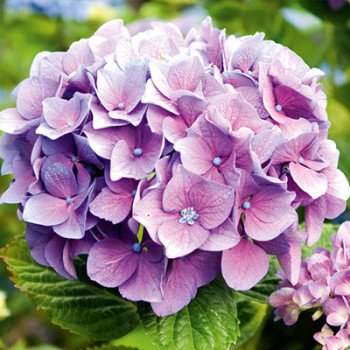
Hydrangeas have a unique, delightful appearance that attracts many gardeners. However, the development of this flower can be challenging and sometimes involves choosing the right fertilizer to avoid problems with soil acidity.
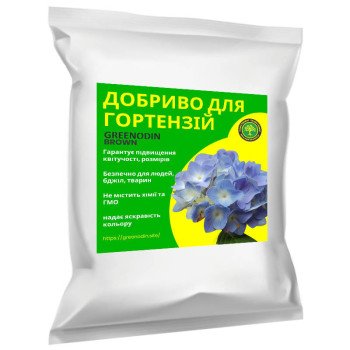
GREENODIN BROWN is a complex organic fertilizer that provides the necessary nutrition for the plant and the soil and allows you to achieve a colorful flowering.
Hydrangea care
Hydrangea care involves a number of important steps that must be taken to ensure their healthy development and beautiful blooms.
How to care for hydrangeas - some important points to consider.
- Planting hydrangeas: It is necessary to choose a location with good lighting and sufficient humidity, as well as prepare the soil beforehand.
- Watering: Hydrangeas require regular watering, especially in hot weather. However, overwatering should be avoided as it can lead to root damage and diseases.
- Fertilization: It is recommended to use organic fertilizers, such as GREENODIN BROWN hydrangea fertilizer, to ensure natural and healthy plant development, flowering, and to address soil moisture issues.
- Regular pruning: It is important to regularly prune old and diseased branches to maintain the ideal shape of the plant and promote its healthy growth.
- Protection against diseases and pests: Regularly inspect the plants for signs of diseases and pests and take immediate measures against them. This may include using comprehensive organic treatments, as well as adjusting watering and lighting to prevent fungal and bacterial infections.
How to transplant hydrangeas
Hydrangea transplanting is an important process for healthy plant growth. If you are planning to transplant a hydrangea, it is recommended that you follow these steps:
- Choosing the right time: It is best to transplant hydrangeas in early spring or late summer, when the plant is in hibernation.
- Choosing a new flower pot: Choose a flower pot that is slightly larger than the current one so that the plant has enough room to grow.
- Before transplanting, remove old and clogged leaves to lighten the plant.
- Soil preparation: We recommend the soil for flowers GREENODIN GARDEN SOIL
- Repotting: Carefully remove the plant from the old flower pot and place it in the new pot. Add soil for flowers GREENODIN GARDEN SOIL and fertilizer for Hydrangeas GREENODIN BROWN in the proportion of 25 grams per 1 liter of substrate (soil).
- Take care to ensure that the roots of the plant are evenly spaced and tightly sealed. Water the hydrangea after transplanting and keep an eye on the moisture level so the plant can adjust to its new location.
Hydrangea soil
Preparing the soil for hydrangeas is important to ensure they have the right conditions to grow and bloom:
- It is important to use a special soil, such as soil for flowers GARDEN SOIL
- The soil should have good drainage to avoid moisture stagnation, which can lead to root rot.
Hydrangeas like a slightly acidic soil with a pH of about 5.5-6.5. This means that the soil should be slightly acidic, but not too acidic. GREENODIN GARDEN SOIL has a pH of 6.5 and is ideal.
How to Determine Soil Acidity
There are several methods to test soil acidity and determine the pH level:
- pH testing kits: This is the simplest and most accessible method. pH testing kits can be purchased at garden supply stores or online. They usually come with instructions and provide results within a few minutes.
- Soil acidity meter: This is a more accurate method of measuring pH, using an electronic device to measure the soil's electrical conductivity, which is related to pH. It may be more expensive but provides more precise results.
It is important to remember to conduct soil testing before planting and periodically check the pH level during the growing process to ensure it remains within the optimal range.
Hydrangea diseases
Hydrangea is the name of a plant genus that includes numerous species. Different hydrangea species may be susceptible to diseases in varying ways. Some of the most common diseases include:
- Powdery mildew is a fungus that causes white spots on the leaves and yellowing and browning of the leaves.
- Bacterial canker is a bacterial infection that causes yellowing, swelling, and rotting of leaves and flowers.
- Root rot is a bacterial infection that causes decay of the roots and weakens the plant.
- Gray mold is a fungus that causes white spots on the leaves and yellowing and browning of the leaves.
If your hydrangea is growing in a favorable environment and receiving proper natural nutrition without chemicals, it will not be susceptible to these diseases!
These favorable conditions are precisely what the comprehensive organic fertilizer ™ GREENODIN provides. The presence of all the necessary micronutrients will enhance the plant's immunity, while beneficial bacteria create a conducive soil environment and protect against harmful fungi and other pathogens.
Buy fertilizer for Hydrangeas
If you want to buy Hydrangea fertilizer to help your plants grow and bloom in perfect condition, then GREENODIN Organic Fertilizer™ is what you need.
In Ukraine you can buy organic fertilizer for hydrangeas in our online store by going to the product card and placing an order. The delivery is within three days.
If you need shipping to another country, you can:
- place an order through the cart in the product card and we will contact you to clarify the details;
- fill in the feedback form on the Contact Us page with the required delivery volume.
Be sure to include a valid email!
We suggest restoring nature, starting with yourself by using GREENODIN!
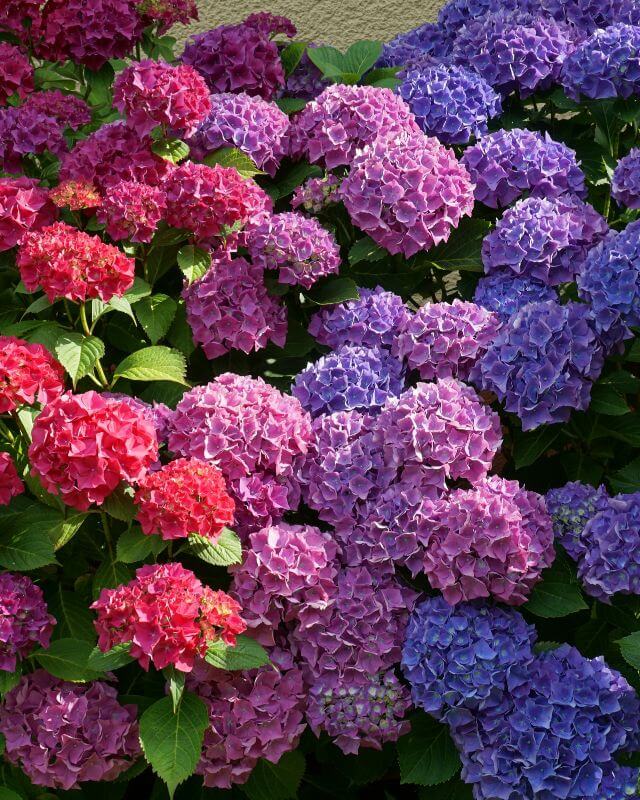
Unique properties of organic fertilizer for Hydrangea TM GREENODIN


Why customers consider GREENODIN the best fertilizer for hydrangeas
Based on feedback from our customers, we have compiled a list of reasons why customers rated GREENODIN as the best fertilizer for HydrangeaProtective bacteria Bacillus Subtilis

Thermal protection of plants
Biochemical plant protection
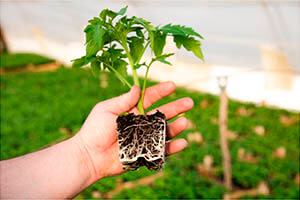
Root formation
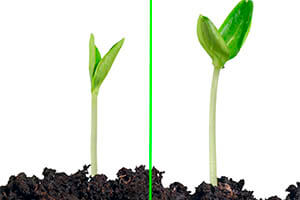
Growth acceleration
Saturated bright color

Drought tolerance