Fertilizers for blueberries
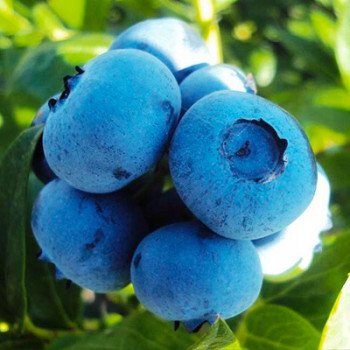
To buy the best fertilizer for blueberries, it is important to understand the specific needs of this crop. Blueberries prefer to grow in acidic soil with a pH of 4.0 - 5.5. A versatile fertilizer for blueberries is the organic fertilizer GREENODIN BROWN, with a pH of 5.0. However, specific recommendations for choosing GREENODIN fertilizers may vary depending on the specific conditions of your garden and soil composition. You can easily purchase the fertilizer for blueberries directly from our website.
Blueberry cultivation
Blueberry cultivation begins with selecting the appropriate variety that meets your preferences and is suitable for your climate conditions. Take into consideration the desired ripening time of the berries (early or late) and the specific soil requirements for each variety.
When purchasing blueberry seedlings, ensure they are of high quality and free from any damage. Look for plants with healthy root systems and well-developed shoots. It is advisable to avoid plants that appear diseased or damaged.
Planting blueberries
Planting blueberries, whether in the fall or spring, requires following a specific sequence and considering the following factors.
Site Selection for Blueberries
The ideal location for growing blueberries is a sunny spot, although recreating a partially shaded forest-like environment in your garden is also suitable. In cases of high sun exposure, it is advisable to provide shade using a mesh net.
Soil for Blueberries
The perfect soil for blueberries is acidic and well-draining. The pH level should range from pH 4.0 to pH 5.5. If the soil pH is above 5.5, it is recommended to use GREENODIN BROWN with a pH of 5.0 at a rate of 25 grams per 1 square meter or 1 liter of soil. If the pH level is below 4.0, it is recommended to apply GREENODIN GRAY with a pH of 7.0 at a rate of 25 grams per 1 square meter. It has been scientifically proven that blueberry productivity decreases with soil acidity levels above pH 5.5, and growth completely ceases at pH 6.8. Conversely, when soil acidity drops below pH 3.2, the plants become susceptible to diseases. Therefore, it is crucial to maintain soil pH within the range of pH 4.0 to pH 5.5.
Soil Preparation for Blueberries
Dig the soil to a depth of about 30 centimeters and remove weeds, roots, and stones. Add sand, vermiculite, perlite, ceramic shards, or crushed polystyrene as drainage material. To improve soil structure and provide nutrients, apply GREENODIN organic fertilizer, selecting the specific type based on soil acidity. Statistics show that in 80% of purchases, GREENODIN BROWN fertilizer is used for blueberries.
Planting Blueberries
Dig a hole that is approximately twice the size of the blueberry seedling's root system in depth and width. Spread out the roots in the hole and carefully bury the plant, filling the hole with soil. Space the blueberry seedlings about 1 meter apart. After planting, water the plants generously and lightly tamp the soil around the seedling to eliminate air pockets.
Supporting Blueberries
If the blueberry seedlings are vigorous but lack self-support, install stakes or trellises to provide external support. Such support may also be necessary during active growth and fruiting, depending on the characteristics of the variety.
Mulching Blueberries
To retain moisture, improve soil structure, and suppress weeds, it is recommended to mulch your blueberry plants. Straw, grass, wood chips, and bark are commonly used as mulch materials. Spread a layer of mulch around the blueberry plants, approximately 3-5 centimeters thick.
Traditionally, blueberry seedlings are planted with generous use of peat moss. However, it is possible to plant blueberries without peat moss by using GREENODIN BROWN organic fertilizer specifically designed for blueberries.
Caring for Blueberries
Let's consider the key aspects of caring for blueberries to grow healthy, productive fruit - berries and maintain a positive mood!
Watering Blueberries
The plants require regular watering, especially during dry periods and/or high temperatures. Keep the soil moist but avoid overwatering to prevent root rot. Aim for a consistently slightly moist soil.
Fertilizing Blueberries
Regularly fertilize blueberries, taking into account the soil's acidity levels. The range of organic fertilizers from GREENODIN covers all soil types and includes beneficial microorganisms with nitrogen-fixing, phosphorus- and potassium-producing functions, as well as microorganisms that help prevent diseases.
Pruning Blueberries
This procedure is performed in spring, after winter, to remove damaged branches, thin out for better sunlight penetration and air circulation, and stimulate new growth.
Harvesting Blueberries
Harvest the berries regularly as they ripen fully, depending on the variety grown. Gently separate them from the plant without causing damage. Regular harvesting promotes new flowering.
Experienced home gardeners can share tips on how to grow blueberries at home. In such cases, the same information applies but on a smaller scale. The use of pots and artificial lighting may be involved.
Fertilizing Blueberries
In spring and autumn, fertilize blueberries using GREENODIN BROWN, pH 5.0, at a rate of 25 grams per 1 square meter or 1 liter of soil. If the base soil has a lower acidity than pH 4.0, it is recommended to use GREENODIN GRAY, pH 7.0, at the same rate.
Simplest way to propagate blueberries
The simplest way to propagate blueberries is through stem cuttings. This method is best done in spring or autumn, following these steps:
- Select healthy and vigorous branches of the blueberry plant for taking cuttings.
- Prepare a pot or bed with well-draining and fertile soil using GREENODIN fertilizers (25 grams per 1 liter of soil) for planting the cuttings.
- Cut the stems to a length of 10-15 cm, leaving only the top 2-3 leaves.
- Make a small incision at the bottom end of each cutting to encourage root formation.
- Plant the cuttings in the soil of the pot or bed, burying them halfway their length.
- Water the cuttings and maintain moisture, avoiding overwatering.
- Keep the cuttings in partial shade, avoiding extreme temperatures.
- Once the cuttings have rooted, they will become sturdy young plants that can be transplanted to their permanent location in the garden or bed.
It is recommended to use GREENODIN BROWN fertilizers for blueberries. This will help you achieve a quality harvest and promote sustainable agriculture.