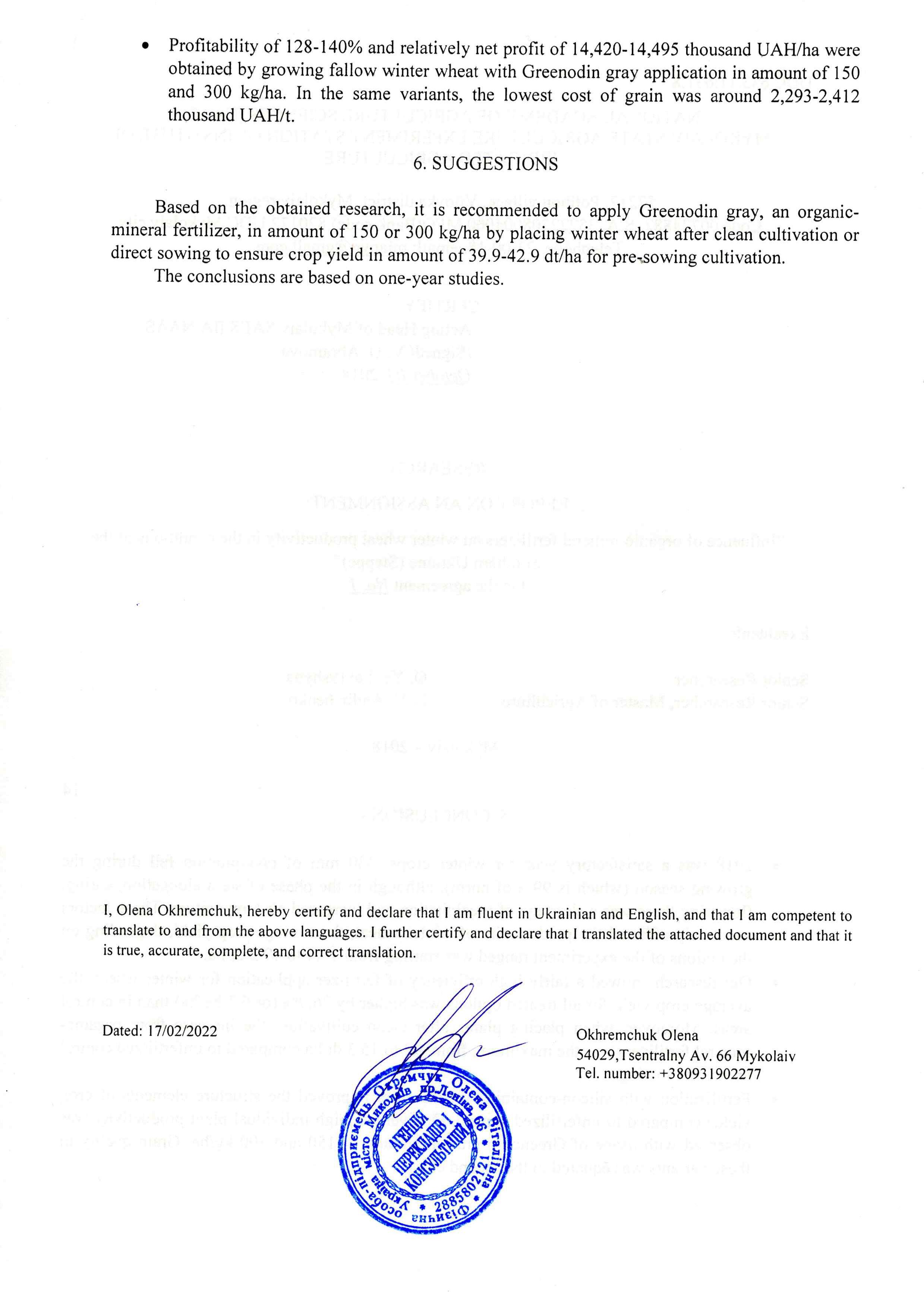
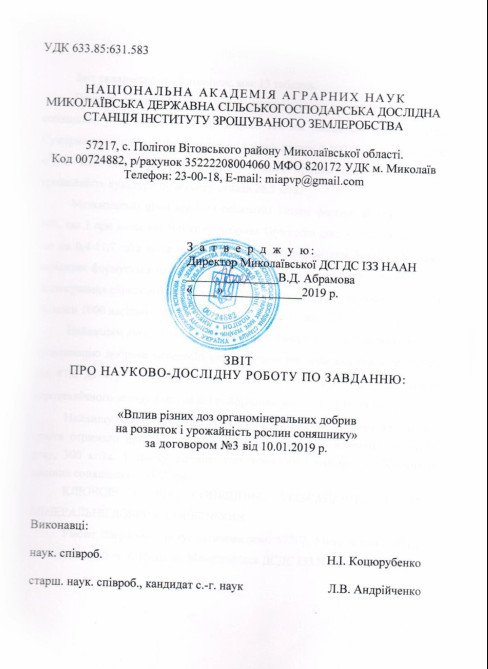
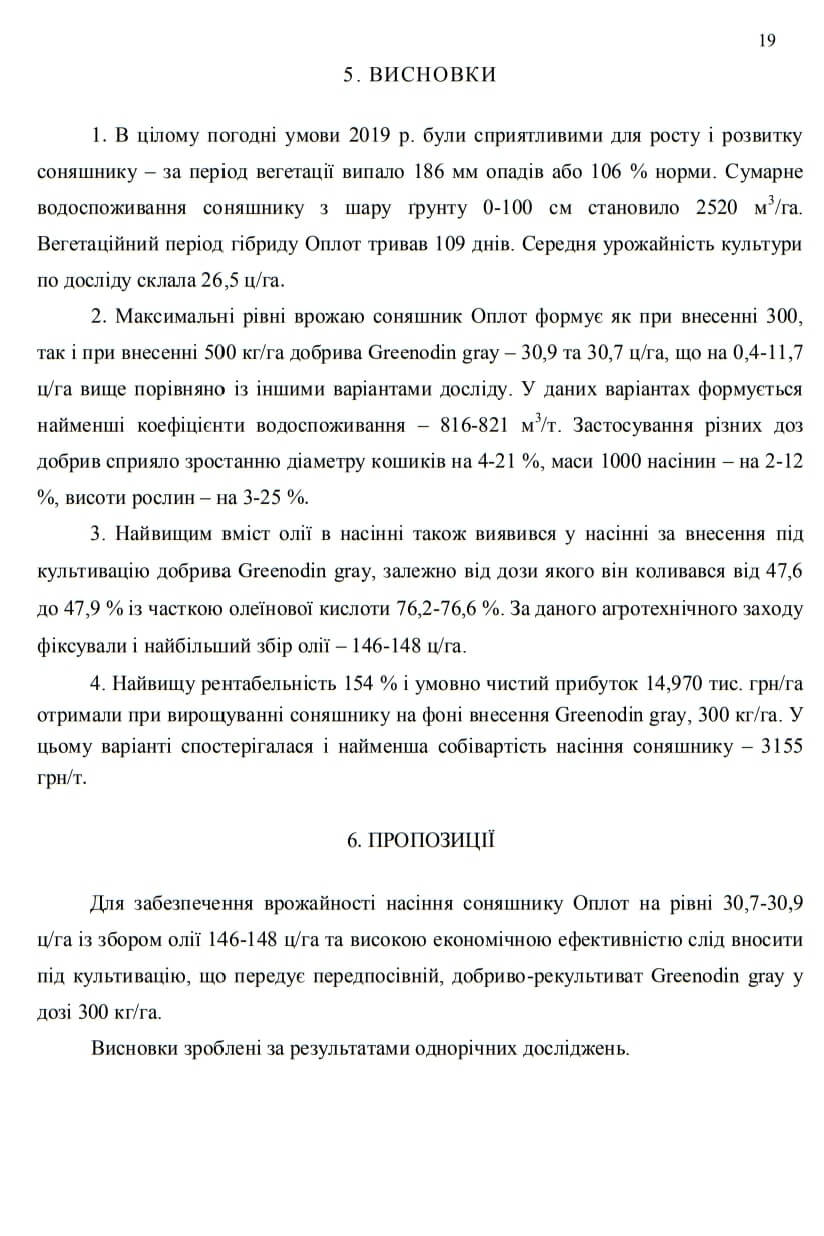
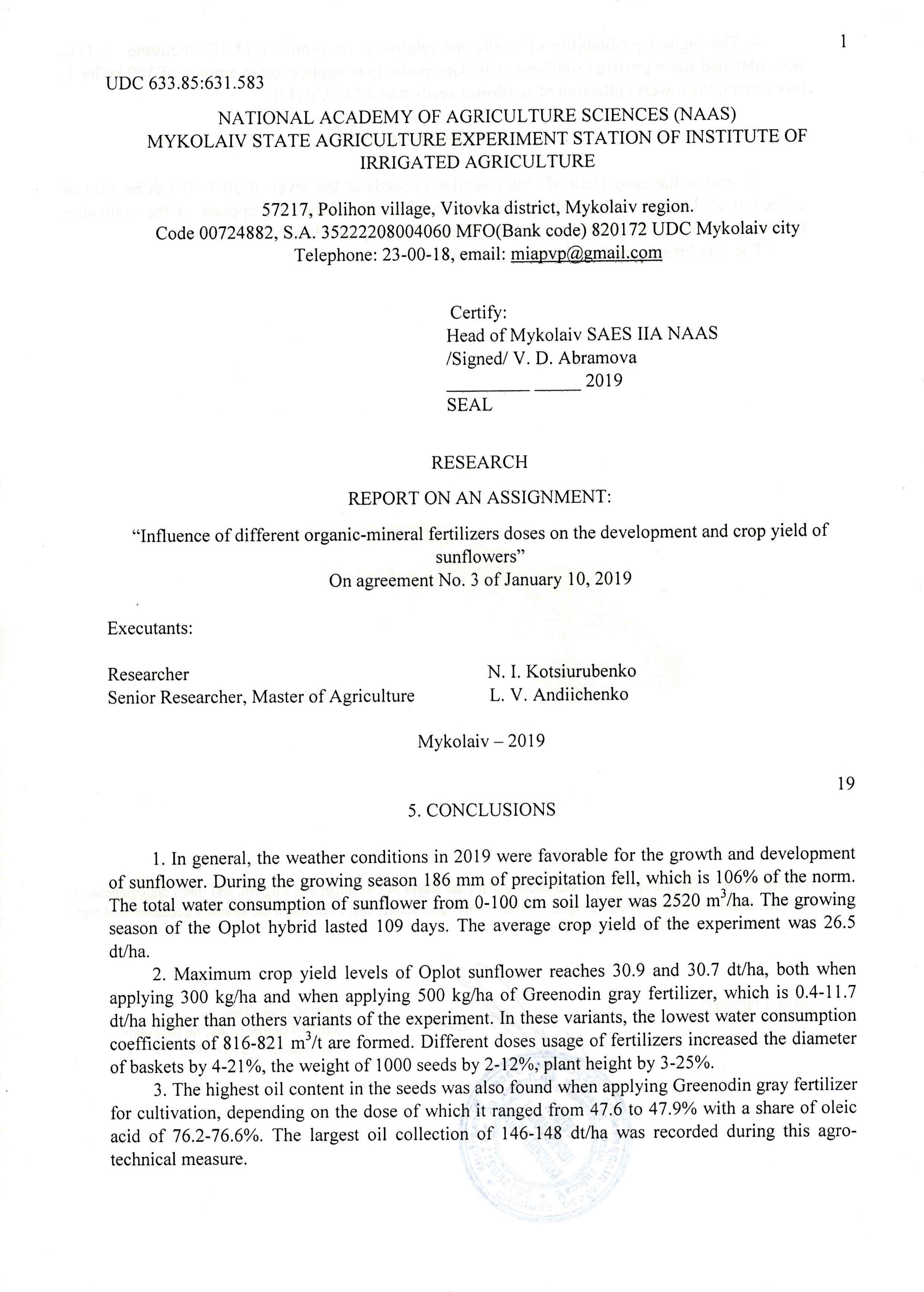
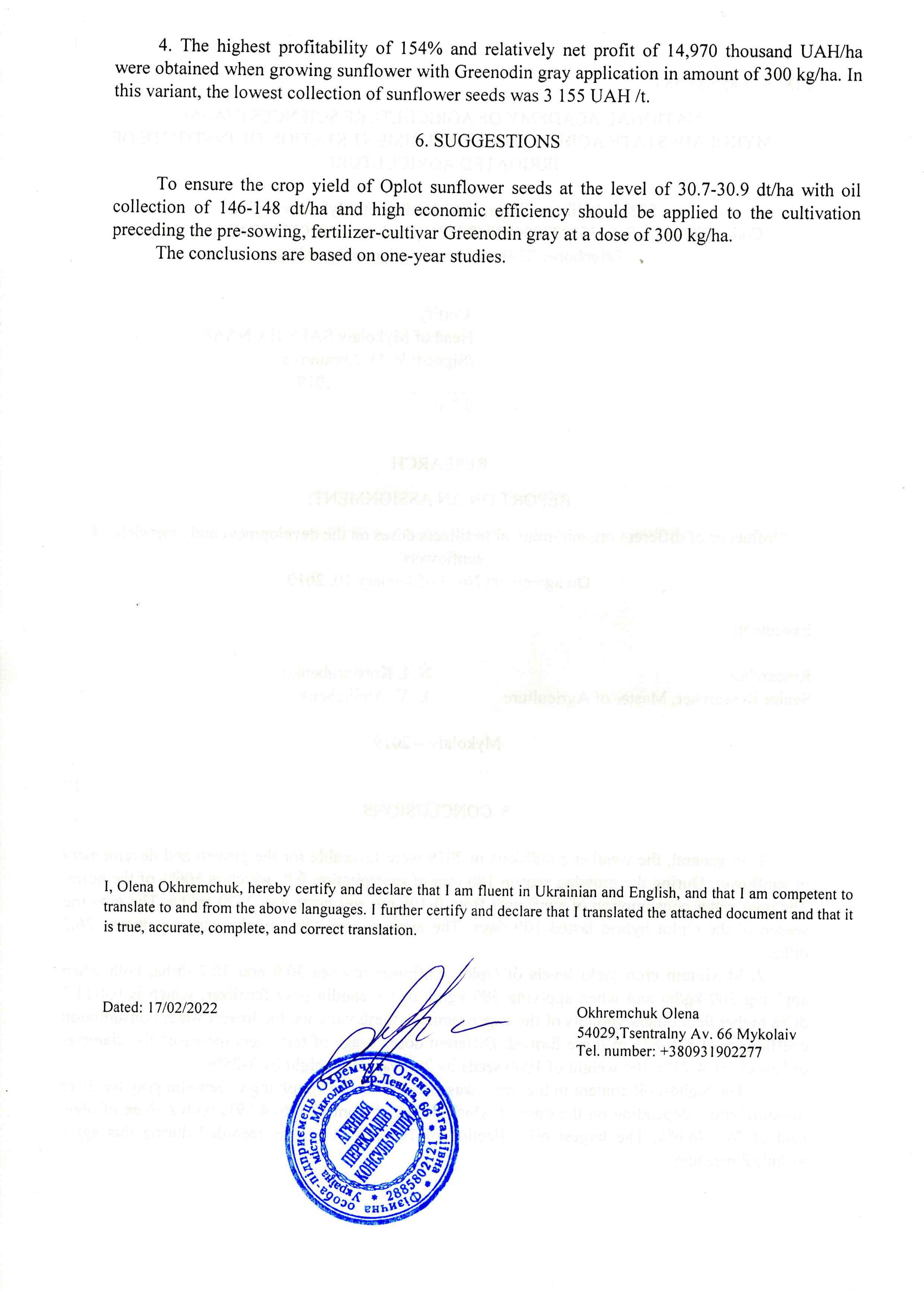
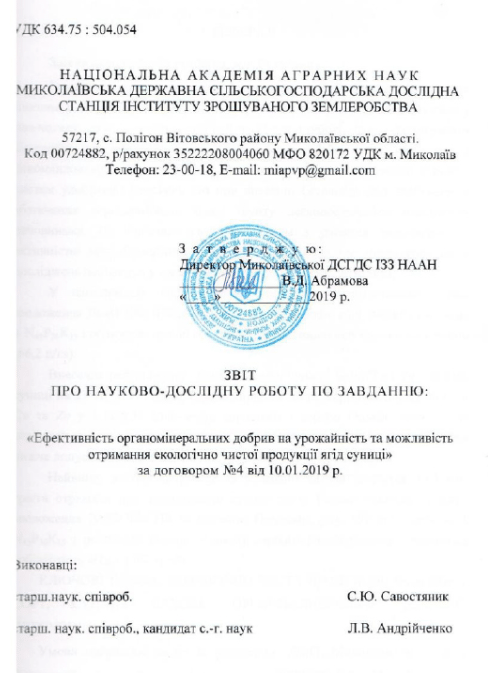
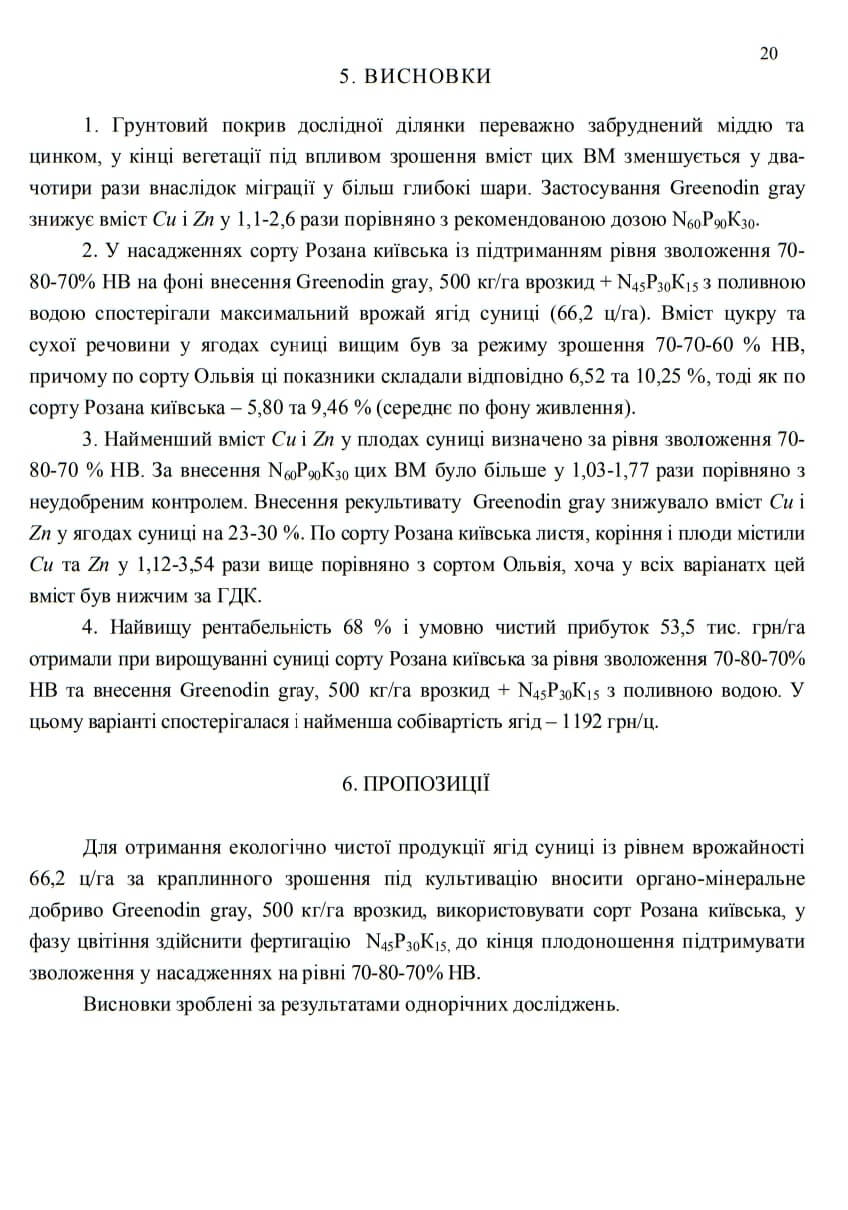
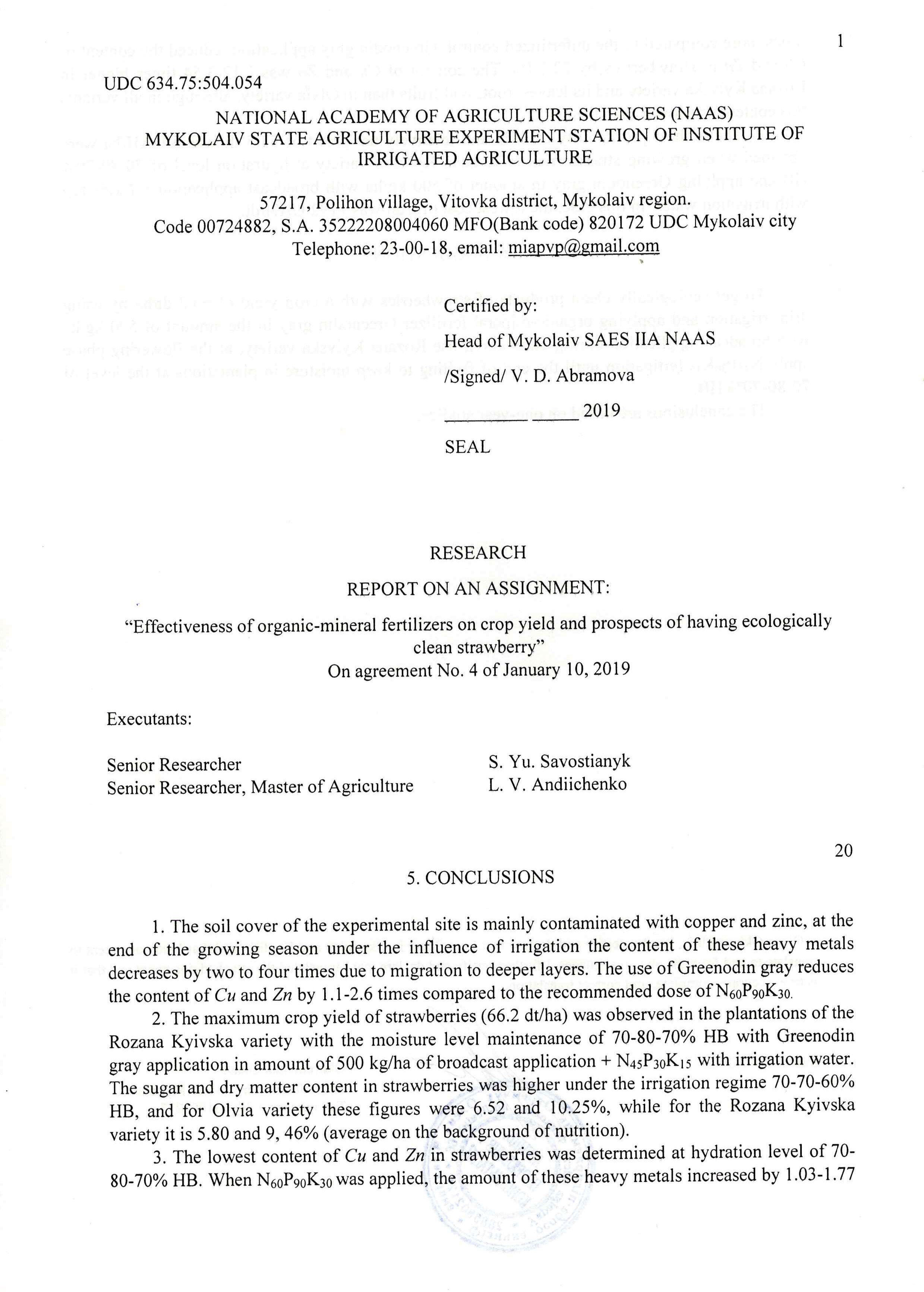
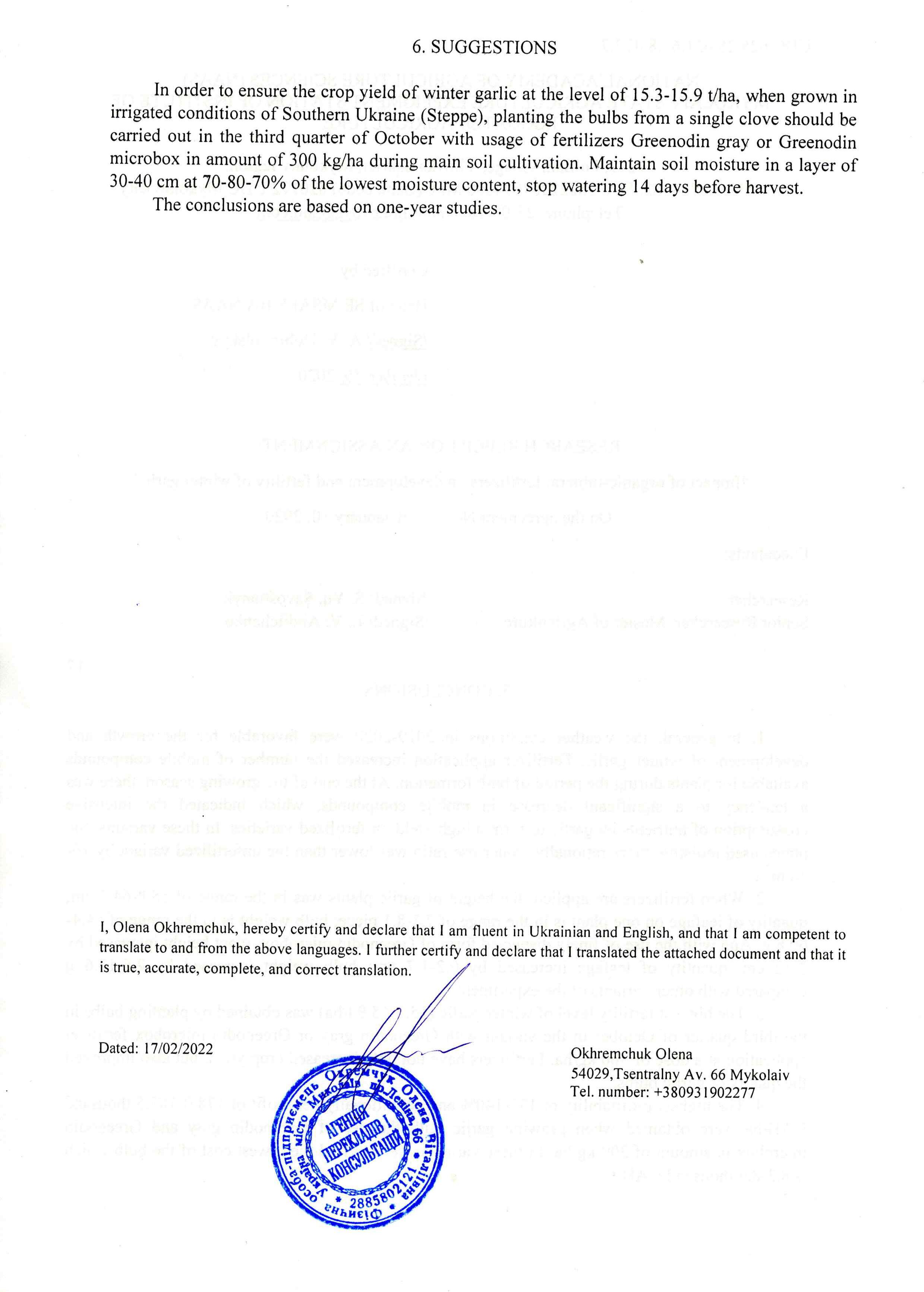
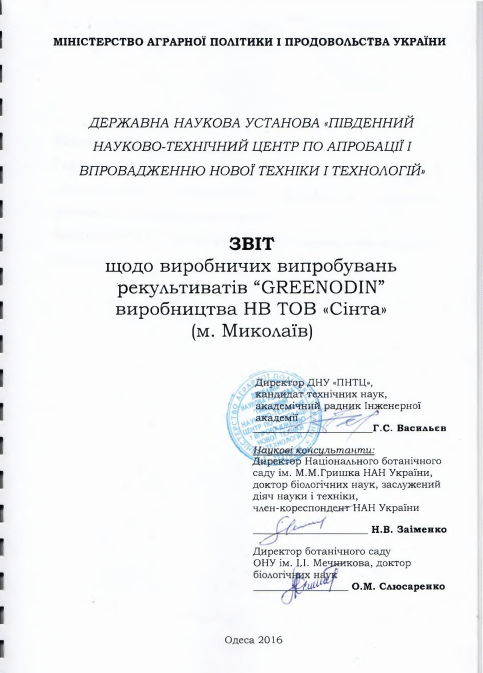
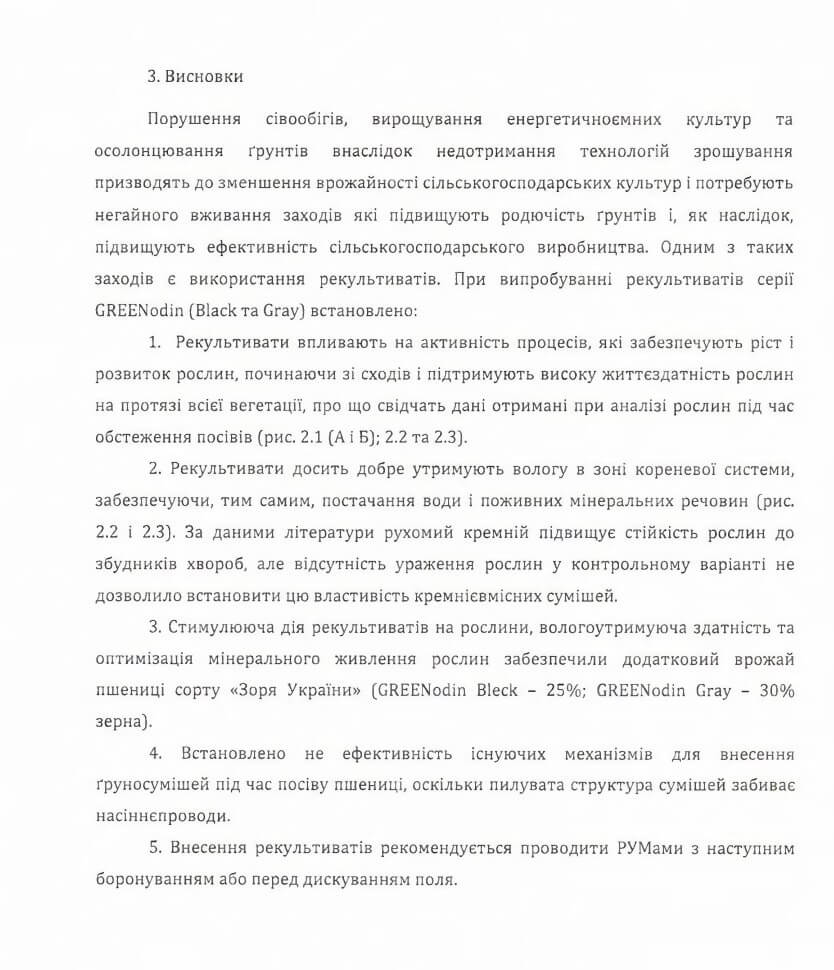
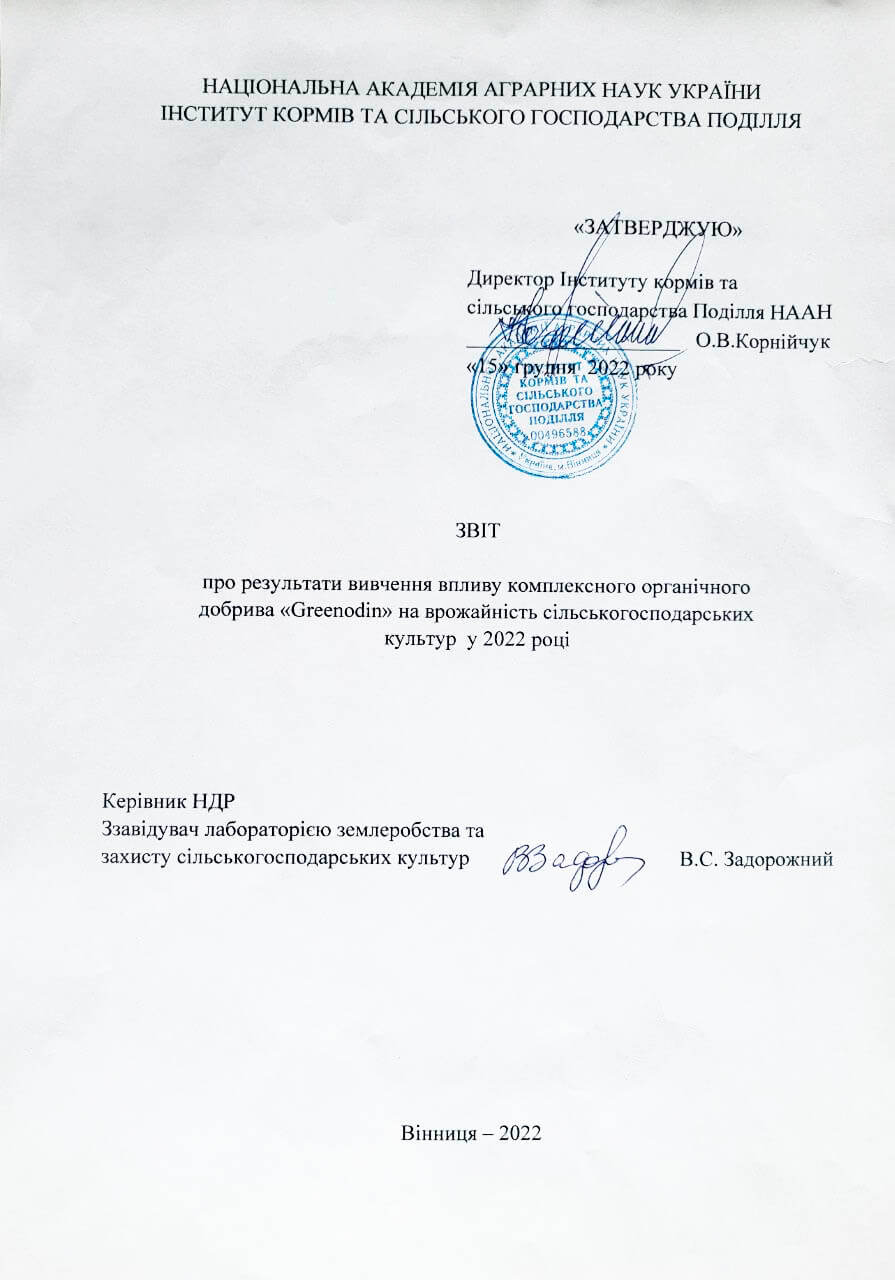
The use of modern fertilizers GREENODIN GRAY provides:
- Simplification of the process as it comprehensively addresses the tasks.
- Long-lasting action that remains in the soil, creating an ecosystem, unlike liquid organic fertilizers and especially mineral fertilizers that degrade it.
- Accumulation, allowing for a 20% reduction in the annual application rate of GREENODIN. After 5 years (from the 6th season onwards), the application rate becomes only 20% of the initial amount stated in the instructions, which is 25 grams per square meter or 250 kilograms per hectare on an industrial scale.
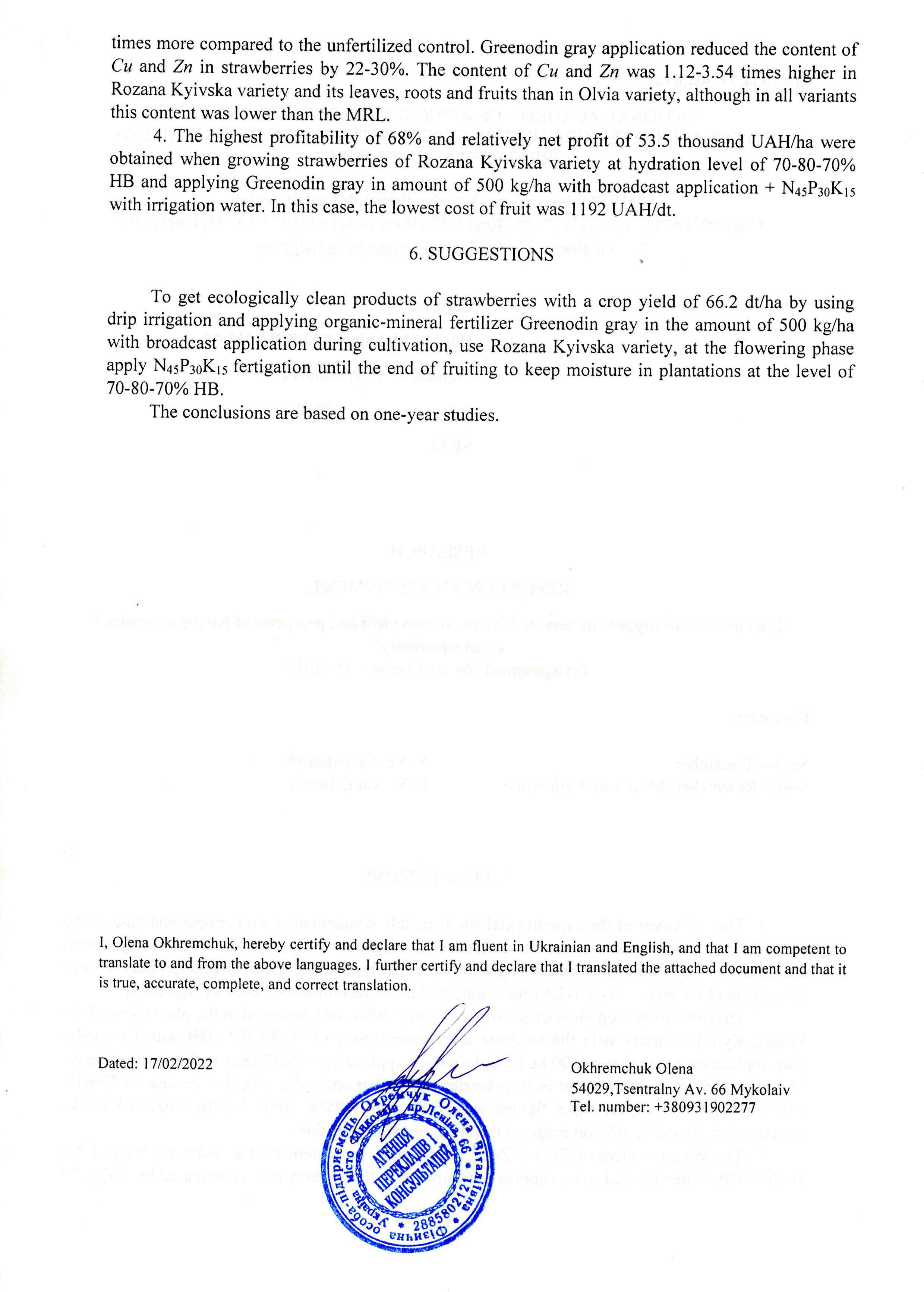
- Restoration of natural soil fertility with readily available mineral nutrients for plants and natural humus formation.
- Protection against known potato diseases.
- Strengthening of the plants and the development of a robust root system, including tubers.
- Allows for a reduction in irrigation by up to 30%.
- Beneficial bacteria in the fertilizer composition:
- combat the development of pathogenic flora.
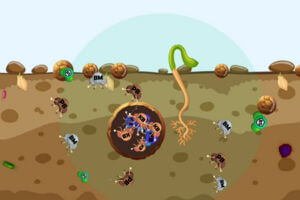
- "Reproduce" macroelements Nitrogen, Phosphorus, Potassium, as well as microelements Boron, Iron, Manganese, Copper, Molybdenum, and Zinc from the soil and atmosphere, providing sufficient natural nutrition in an easily assimilable form.
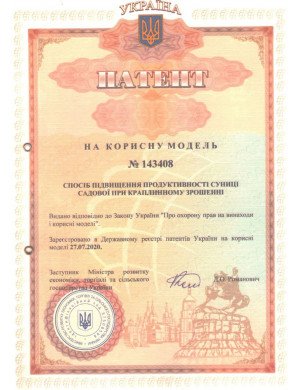
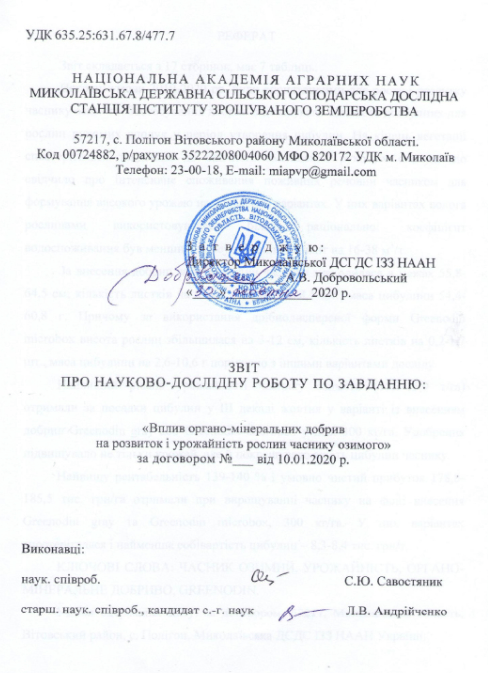
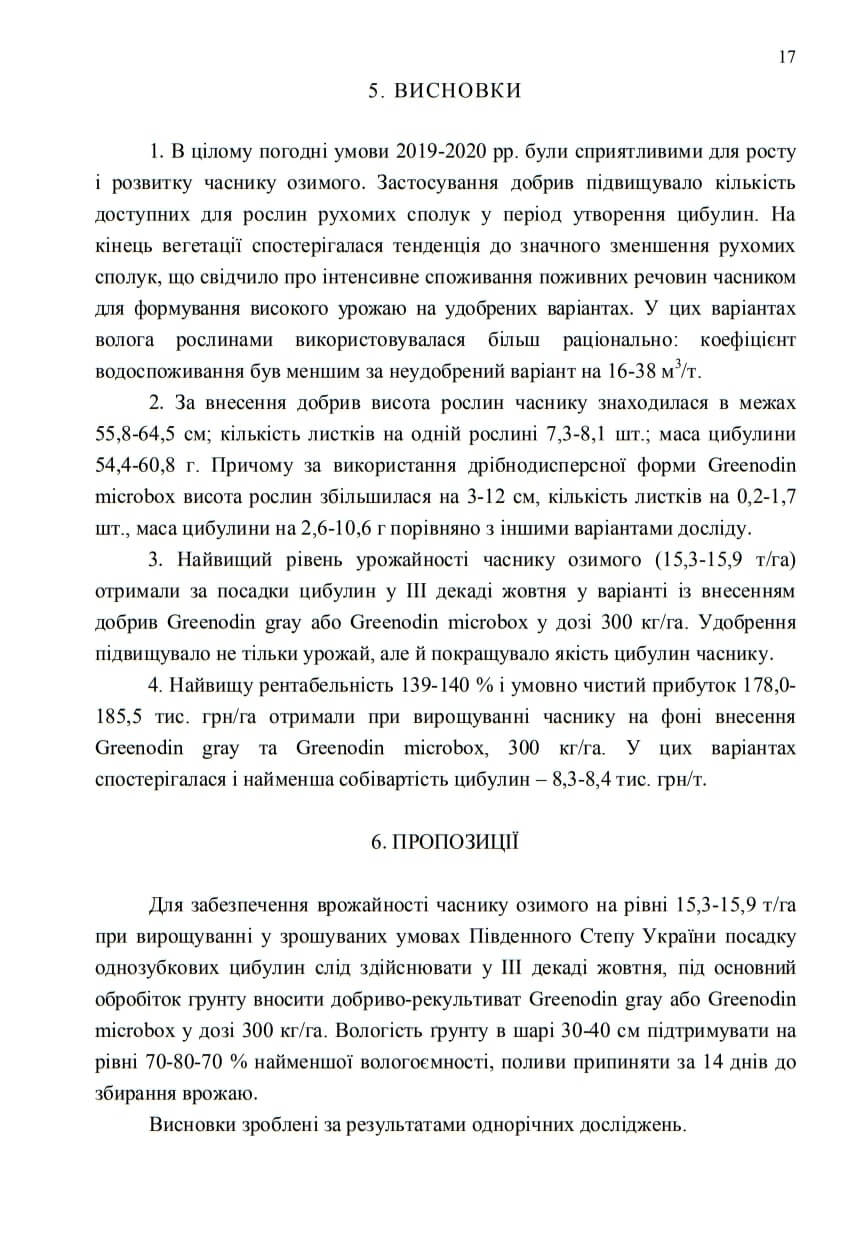
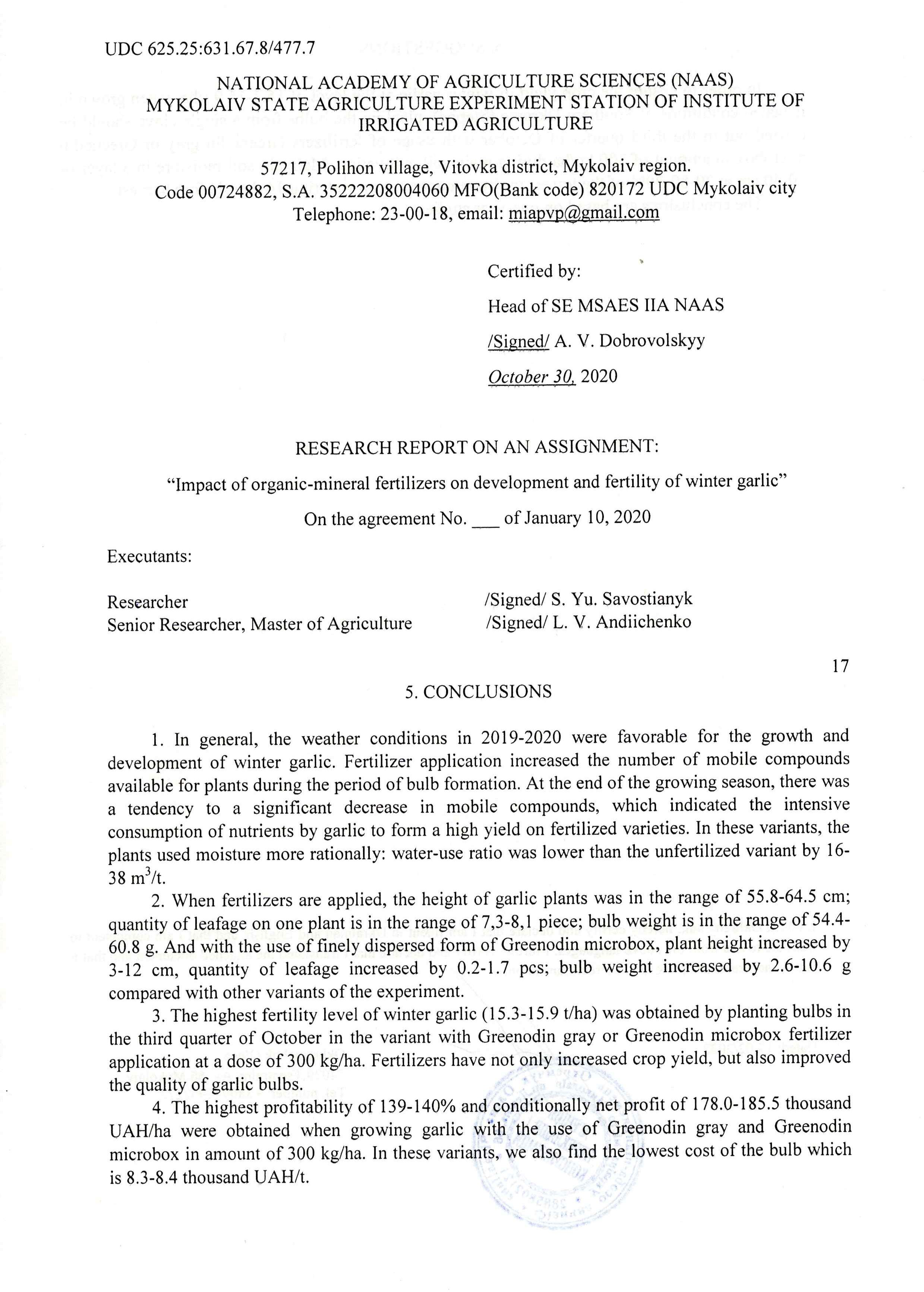
These fertilizers are patented and certified by Organic Standart, developed according to ecological requirements of the world crop production market and are equivalent to the European standards EC No. 834/2007 and No. 889/2008.
Cultivation of potatoes. The main stages
By following the recommendations for potato cultivation, you will surely reap the rewards of a high-quality and abundant harvest in healthy soil.
Soil for potatoes
Potatoes prefer loose, fertile, and well-drained soil that allows for good air circulation and easy penetration of potato roots. Good drainage is crucial for potatoes as excess moisture can lead to rotting of the tubers. The soil should be sufficiently drained to prevent waterlogging in the root zone. To improve its fertility, use GREENODIN GRAY at the recommended dosage mentioned above, which also helps to adjust the pH if the soil is acidic, as the ideal soil pH for potatoes is around pH 6.0. Selection of seed potatoes
Choose disease-free seed potatoes with the correct shape and preferably not dried out. Ideally, opt for certified organic potatoes. Decide whether to plant them as whole tubers or cut them into pieces (with sprouts). If you choose the second option, cut the seed potatoes into pieces, each containing one or two sprouts. Leave the cut seed potatoes (sprouted pieces) in a cool and well-ventilated place for a day or two. Dust the cut seed potatoes with diatomaceous earth or wood ash powder to prevent diseases. All planting material, including whole tubers, requires mandatory pre-warming before potato planting. The pre-warming process should continue until the sprouts grow to a length of 2-3 cm (5-7 days).
Planting potatoes
The first rule is not to rush! We plant potatoes using tubers. The spacing between the planting holes depends on the potato variety. For early varieties with less dense foliage, a spacing of 25 cm is sufficient, while for late varieties, 30-35 cm is recommended. The foliage of one plant should not shade the foliage of another, as the shoots need as much light as possible for efficient photosynthesis.
An exception is when planting seedlings from sprouted eyes or individual sprouts: in that case, a spacing of 20-25 cm between holes is enough. The depth of the planting holes depends on the soil type. For sandy soils, make holes 8-10 cm deep, while for clayey soils, 5-6 cm depth is suitable.
Cover the planting material with soil and water it thoroughly. As the plants grow, gently firm the soil around the stems to ensure that the tubers remain covered and prevent greening. Take care not to damage the stems or roots when covering them with soil.
Fertilizer for potatoes at planting
Potato planting depends on the potato variety, the potato planting pattern, the season and its weather conditions. As a rule, early potato varieties are used. Before or during planting, the complex organic
fertilizer for potatoes GREENODIN is applied at a rate of 250kg/ha or 25g/sq. m by spreading/spreading.
Considering the information that the Potato Fertilizer is organic, its excess or direct contact with the planting material is safe.
Preferably, a part of the organic fertilizer GREENODIN gets directly into the hole during planting, which will favorably reflect as the effect of application.
Selection and application rate of organic fertilizers GREENODIN
- If your soil is acidic with a pH <4.5-6.0, it is recommended to use GREENODIN GRAY at a rate of 25 grams per plant or per square meter, which translates to 250 kg/ha in industrial-scale applications.
- If your soil is closer to neutral or slightly alkaline with a pH >7.0, it is recommended to use GREENODIN BROWN at a rate of 25 grams per plant or per square meter, which translates to 250 kg/ha in industrial-scale applications.
Annually, it is advised to reduce the subsequent application rate of GREENODIN organic fertilizer for potatoes by 20% without compromising yield, thanks to the cumulative effect. As a result, significant economic benefits can be achieved with minimal fertilizer volume and application tools starting from the 6th year or season, with an application rate of 80 kg/ha or 8 g/sq.m. To achieve the cumulative effect, the fertilizer application rate for potatoes per season should be as follows:
1st year - 250 kg/ha or 25 g/sq.m;
2nd year - 200 kg/ha or 20 g/sq.m;
3rd year - 160 kg/ha or 16 g/sq.m;
4th year - 128 kg/ha or 13 g/sq.m;
5th year - 100 kg/ha or 10 g/sq.m;
6th year and subsequent years - 80 kg/ha or 8 g/sq.m.
Fertilizing potatoes
In most
cases, it is sufficient to apply GREENODIN GRAY to potatoes during planting.
However, for diligent farmers, a very effective method of fertilizing potatoes
is to use organic fertilizers GREENODIN GRAY or GREENODIN BROWN in alkaline
soil. For this purpose, the base dosage is applied to the base area and
abundantly watered.
Irrigation of potatoes
Regularly water the soil to keep it evenly moist, but avoid waterlogging and overhead irrigation to prevent chilling and leaf diseases. Deeply water the plants once or twice a week, depending on the cultivation region and weather conditions. Mulch the soil to conserve moisture and prevent water evaporation. If irrigation is not possible and drought occurs, one way to increase potato tuber formation is to remove the potato flowers that will not utilize water. However, such damage can attract the attention of the main pest - the Colorado potato beetle.
The moisture retention function of GREENODIN GRAY's silicon matrix and the capillary consumption by the potato plant allow for a 30% reduction in irrigation.
Potato pests
Use intercropping or traps to prevent insect damage. Encourage beneficial insects such as ladybugs and lacewings to control pests. Regularly inspect plants to identify signs of damage and pest infestation. As a last resort, use organic insecticides such as diatomaceous earth powder, neem oil, or pyrethrin. Avoid the use of chemical pesticides as they are harmful to health and prohibited in organic farming.
Harvesting potatoes
Harvest potatoes when the tops have died back and the skin has hardened, following the recommended maturity guidelines. Dig carefully to avoid damaging the tubers. Once dug up, clean the potatoes from the soil but do not wash them. Allow the potatoes to dry for 2-3 weeks in a cool, dry, dark, and well-ventilated place to improve storage quality. In the standard approach, potato harvesting is done after removing the potato foliage from the plot to prevent the spread of late blight. However, with the prior application of GREENODIN, where Bacillus subtilis is an essential component of the fertilizer, there is no chance for late blight, and the potato foliage, rich in beneficial elements, serves not only as organic fertilizer for subsequent plants but also as an excellent foundation for the development of agronomically beneficial bacteria to increase humus content in the soil.
Potato storage
Store potatoes in a cool, dark, and well-ventilated place, such as a root cellar or basement. Maintain a temperature of 5-7°C and relative humidity at 90-95% to prevent sprouting and spoilage. Sort the potatoes to remove damaged or diseased tubers, and use them first.
Potato diseases
Plant resistant potato varieties to reduce the impact of diseases. Practice crop rotation to prevent soil fatigue and the accumulation of soil-borne diseases. The general rule is to plant potatoes in the same location only once every 4 years.
Remember that the best predecessors for potatoes are winter cereals, perennial grass rotations (1-2 years), legume-grass mixtures, fallow or occupied land, rapeseed, radish, lupine, flax, corn, and other cultivated crops.
Regularly monitor plants for signs of disease, such as yellowing leaves or stunted growth. Remove and destroy all diseased plants and tubers to prevent the spread of the disease, or use specific bacterial preparations (e.g., streptomycin). As a last resort, use organically approved fungicides such as copper or sulfur. Avoid the use of chemical fungicides as they are unsafe for soils, plants, and prohibited in organic farming.
Late blight. Late blight is a plant disease affecting members of the nightshade family, such as potatoes, tomatoes, peppers, and eggplants, caused by the spores of the fungus Phytophthora infestans. MikoHelp is an effective multifunctional, multicomponent microbial agent that can be used to treat fungal and bacterial diseases. It is suitable for disease prevention, stimulates rapid root growth, and increases nutrient uptake efficiency. The product can be applied to soil, seeds, and seedlings, and it can also be used for root feeding and foliar spraying.
Powdery mildew. Powdery mildew is a fungal disease that primarily affects the leaves of plants. It can also infect the stems, flowers, and fruits of certain crops. The disease is characterized by a powdery white or grayish coating on the plant surface. Powdery mildew can weaken the affected plants and reduce their yield and quality. To control powdery mildew, it is important to practice good sanitation, such as removing and destroying infected plant parts, providing adequate spacing between plants for proper air circulation, and applying fungicides if necessary.
Potato Cancer. Warning! If even one diseased tuber is found, it is essential to immediately contact the plant protection inspection. Potatoes affected by potato cancer should never be consumed. To prevent zoospores from contaminating manure, do not feed diseased tubers to livestock in their raw state. Infected plants, including tubers, foliage, and stems, should be either burned or treated with kerosene. The causal agent of potato cancer is the pathogenic fungus Synchytrium endobioticum, which parasitizes not only on potatoes but also on other nightshade crops, including tomatoes. It is easy to detect as white bumps appear around the eyes of the tubers, gradually darkening and developing into large warty brown growths resembling cauliflower heads. The warty bumps then spread to the stems and leaves. Immediate and decisive measures should be taken to combat this disease.
Soil care after potato harvest
In classical agronomy, potato haulm is removed from the field to prevent the spread of diseases, as Phytophthora spores are highly disseminated by wind and precipitation. However, in our case, soil care after potato harvest requires minimal intervention and does not necessitate the removal of haulm. This is because GREENODIN contains bacillus subtilis, which effectively prevents the occurrence of such diseases. In this scenario, potato haulm, which also accumulates beneficial elements, serves as a fertilizer and an excellent organic feed medium for the growth of agronomically beneficial bacteria that enhance humus formation in the soil.
Typically, harvesting potatoes leads to the disturbance of the fertile soil layer as tubers are extracted from the ground. However, by implementing soil care practices after potato harvest with the application of 150 kg/ha or 15 g/sqm of GREENODIN, adjusted according to the desired soil acidity, along with the addition of bacterial decomposers such as Sterne, the remaining organic matter can be converted into humic and fulvic substances. This process maximizes the availability of macro- and micronutrients present in the surrounding soil. To enhance the effect and improve soil health, it is also advisable to use the biopreparation Ekostern®, produced by BTU-Center, which suppresses a wide range of fungal and bacterial pathogens and operates effectively under conditions of moisture deficit and across a broad temperature range. It neutralizes phytotoxins and enhances the overall biological activity of the soil, thereby mutually reinforcing the effects of GREENODIN.
By following these steps, you can cultivate a healthy and productive organic potato crop while restoring and enhancing soil fertility.