



Overcoming the impact of munitions on fertile soils





The war on the territory of Ukraine has caused large-scale environmental consequences, including significant pollution of soils and water resources due to the impact of ammunition. This process is due to the release of heavy metals and toxic substances that are part of ammunition, as well as their decay products, since the composition of ammunition includes, among other things, mercury, lead, chromium, zinc, iron and copper. The main components of explosives — TNT, octagen, hexogen, tetryl, and sulfur — have high chemical activity, which contributes to their mobilization into the environment.
During explosions, these substances not only pollute the air, but also settle on the surface of the soil, penetrate into its deep layers, and get into groundwater and water bodies. The consequence of this is significant chemical pollution, which is harmful to both nature and human health.
The most destructive effect is on missiles, the components of explosives and fuels of which, including its combustion products, not only contribute to the formation of toxic gases, but also provoke significant destruction of the fertile soil layer. An additional factor is war-induced fires, which destroy living things, including the organic part of the soil, reduce its water retention capacity and contribute to erosion processes.
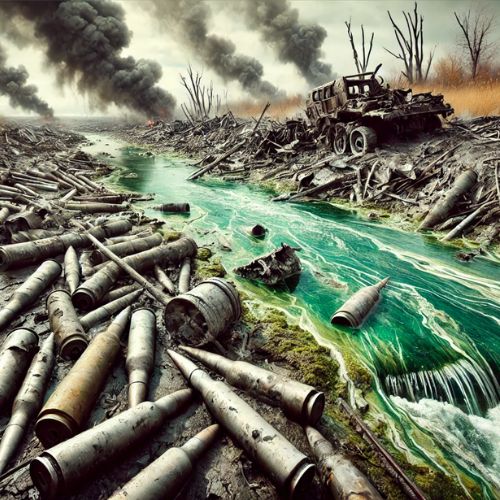
Challenges and solutions for cleaning contaminated soils
- Sorption of toxins, reducing their mobility in the soil;
- Renewal of water-holding capacity, renewing the structure of the soil and saturating it with porous silicon;
- Regeneration of the soil layer, neutralizing the pH and stimulating the development of beneficial microorganisms, especially with the use of GREENODIN MELIOR;
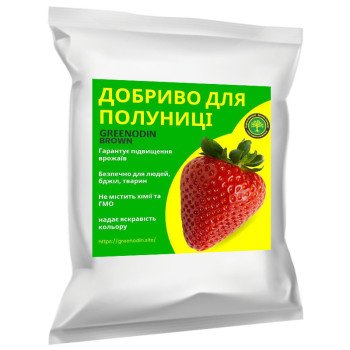
- Renewal and enhancement of fertility by enriching the soil with nutrients, stimulating plant growth with GREENODIN GRAY or GREENODIN BROWN.
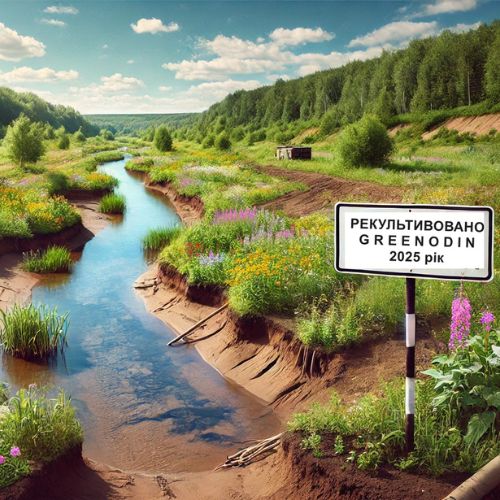
Environmental responsibility and the fight against climate change


Hits of sales



Leave a Comment