



Trends and investment opportunities of long-term prospects of organic farming



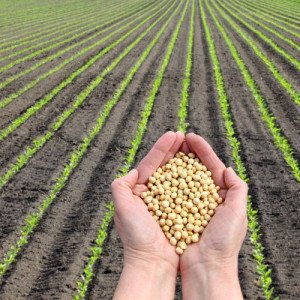
Organic farming occupies an important place in the modern agricultural sector, as it not only satisfies the growing demand for environmentally friendly products, but also contributes to the sustainable development of our planet. On a global scale, organic production is one of the key elements of the transition to an ecologically oriented economy and the greening of agriculture in general.
In this article, we will look at the main trends in organic farming, its potential for investors and its long-term prospects.
Global trends in organic farming
Growing demand for organic products
According to IFOAM, by 2030 the market for organic products is growing and will reach $300 billion. This growth is due to consumer awareness of the health and environmental benefits of organic products. More and more people are becoming aware and choosing products grown without the use of chemical fertilizers, pesticides and GMOs. However, there is a question of feeding plants without depleting the soil for their cultivation.
Innovative complex fertilizers GREENODIN solve a number of issues useful for soil and plants and become an important solution in maintaining and developing organic standards. Our products meet such standards, have state and international certification and are created taking into account ecological needs and allow preserving soil fertility, ensuring stable harvests without harming nature.
Innovations are being actively implemented in organic farming. Drones for monitoring fields, biotechnology for composting organic waste, as well as biostimulants and granular fertilizers are prime examples. GREENODIN products made using secondary resources are an excellent example of such technologies. All the more so because a microgranule, 1-2 mm, of the concentrated variant from the GREENODIN line has been successfully researched and produced to order for further application with the help of an agro-drone.
State support
Governments in many countries are supporting the transition to organic farming through subsidies, tax breaks, and reimbursements for certification costs. For example, the EU aims to convert 25% of agricultural land to organic status by 2030. Currently, there are several programs in Ukraine, such as QFTP, GIZ, USAID, for the support and development of organic farming, including compensation for the cost of certification of organic products at the state and European levels.
Strengthening ESG investments
Investors increasingly choose environmentally responsible projects that comply with ESG principles. The GREENODIN fertilizer recycling project is an example of a sustainable solution that solves the problem of conscious waste disposal by recycling it into complex fertilizers and contributes to the restoration and increase of soil fertility.
Investment opportunities in organic farming
Export potential
Added value
Development of local markets
Restoration of lands
Long-term prospects
Changing approaches to agriculture
Organic farming is gradually becoming the main direction in the fight against climate change, ensuring environmental sustainability.
Youth initiatives
The young generation actively supports environmental initiatives, becoming the driving force behind the introduction of innovations.
Development of agritourism
Agritourism, which combines ecological production with tourism, popularizes organic farming and attracts new customers.
Hits of sales
Leave a Comment