



Crop rotation
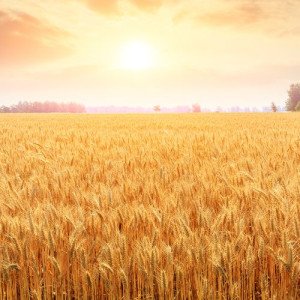
THE IMPORTANCE OF CROPPING
- Crop rotation terminology
- Methodology of Developing Crop Rotation Schemes
- Predecessors for Specific Field Crops
- Principles of Designing Crop Rotation Cycles and Comprehensive Schemes
- Significance of Crop Rotation
Methodology for Designing Crop Rotation Schemes
- Estimating Size and Number of Fields: Begin by determining the total area of your plot or farm and divide it into individual fields based on topography, the size of farming equipment, and other factors.
- Determining the Number of Fields for Each Crop: Consider the area you want to allocate for each crop. Remember that each crop should have its own separate area to avoid negative effects of predecessors on the following crop.
- Identifying the Composition of Consolidated Fields: If you have consolidated fields where different crops are grown, carefully consider their location and size to ensure optimal utilization of these fields in the crop rotation.
- Selecting Predecessors for Key Crops: Pay special attention to selecting predecessors for crops that have high soil requirements or are more susceptible to diseases and pests. Balance their placement to improve soil fertility and reduce the risk of diseases.
- Choosing Cover Crops for Perennial Grasses: If your crop rotation includes the cultivation of perennial grasses (e.g., hay crops), choose cover crops that will help maintain soil fertility, protect it from erosion, and increase yields.
- Placement of Crops on Best Predecessors: Plan the arrangement of crops in such a way that they benefit the most from their predecessors, cover crops, and catch crops.
- Formation of Crop Sequences and Their Integration into a Scheme: Create sequences of crops with a rotation pattern and integrate them into a comprehensive scheme. Crop sequences can have varying sizes, but remember that the optimal area for each crop depends on its requirements and soil conditions.
- Determining the Location for Intermediate Crops: If you plan to use intermediate crops (e.g., for animal grazing), place them in the scheme in a manner that they do not interfere with the main crops but contribute to soil maintenance.
- Determining the Type and Nature of Crop Rotation: Crop rotation can depend on the type of farm (rational, specialized, balanced), type of agriculture (rotational, cultural), as well as your own requirements and objectives.
When composing crop rotation plans and choosing an enhancer for crop rotation, such as the organic fertilizer GREENODIN, it is essential to consider the acidity of GREENODIN itself, which is intended to compensate for any insufficient acidity or alkalinity. These points represent general stages, and their sequence may vary depending on specific conditions and needs. It is essential to remember that the crop rotation scheme should be flexible to account for changes in soil, climate, market conditions, and your agricultural goals.
Predecessors for Individual Field Crops
When determining the placement of a crop in the crop rotation, its significance, biological characteristics, cultivation technology, and natural-economic conditions of the farm are taken into account.
Winter crops in the crop rotation are placed after fallow and non-fallow predecessors. Fallow fields can be either clean or occupied. Clean fallow refers to a field where no crops were grown during the vegetation period. Its main purpose is to cleanse the soil from weeds and accumulate moisture and nutrients.
Depending on the timing of the primary tillage, fallow fields are divided into black and early fallow. Black fallow is started in the summer or autumn after harvesting the predecessor. The primary tillage of early fallow begins in the spring of the following year, and after harvesting the predecessor, only surface cultivation of the field is performed. It should be noted that black fallow is preferred as it ensures high yields of winter crops under conditions of insufficient moisture. By the time of winter wheat sowing, significant moisture reserves accumulate in the soil of such fields, improving the nutrient regime.
Clean fallow (up to 10-15% of the crop rotation area) is introduced in the steppe and southern and eastern regions of the forest-steppe zone of Ukraine (up to 4-8%), primarily on weedy fields and for growing high-quality seed of winter cereal crops.
In the forest-steppe and Polissian zones of Ukraine, winter crops are mainly sown after occupied fallows, which are fields where early-harvested crops are grown. Therefore, occupied fallows create favorable conditions for early soil cultivation and subsequent crops. Occupied fallows are divided into solid and intermediate. Usually, row or narrow-row seeders are used for sowing on solid occupied fallows. Different forage crops are grown on such fields, such as alfalfa and sainfoin for one cut, vetch-oat or pea-oat mixtures for green fodder, winter rye and wheat for green fodder, and so on. Intermediate occupied fallows are sown with crops that require inter-row cultivation. These crops include early potatoes, corn, sunflower, and Jerusalem artichoke.
Occupied fallows contribute to high crop yields, enrich the soil with organic matter (due to root and stem residues), and free up the fields early, allowing the soil to be prepared for subsequent winter crops using semi-fallow technology. In addition to solid and occupied fallows, there are special-purpose fallows - curtain and cover crops. Curtain fallows are clean fallows on which tall-stemmed plants (curtains) are sown. They are used in the steppe regions of Ukraine to retain and accumulate snow, prevent winterkill of winter crops, and increase soil moisture reserves. Curtains can consist of one to two or three rows of plants, which are sown in the summer. The distance between curtains should be a multiple of the cultivator's width or the seeding unit's width. Curtains are placed across the prevailing wind direction in the winter period.
"Сover crops" або "Green manure crops" is the term used for a fallow that is occupied by plants for plowing them into the soil as green manure. For this purpose, leguminous crops such as lupine and vetch are sown, and 3-4 weeks before sowing winter crops, when the plants are at the green pod stage, they are plowed into the soil as green manure. Winter crops can also be sown after non-fallow predecessors, i.e., after crops that free up the field 2-3 weeks before sowing. These crops include corn for silage, peas, winter and spring cereal crops. Therefore, it is best to allocate the field in the crop rotation for winter wheat, and then for rye and winter barley. Winter wheat is more demanding in terms of cultivation conditions, so it is placed after the best predecessor. Sugar beets are also demanding in terms of cultivation conditions.
The proper choice of predecessors is one of the most effective measures to increase crop yield and quality. In the forest-steppe zone, where the main sugar beet cultivation areas are concentrated, sugar beets are placed after winter crops that were sown after perennial grasses used for one year, after fertilized occupied fallows, or after grain-legume crops. In the southern regions of the forest-steppe, sugar beets are placed after winter crops that were grown after clean and occupied fallows, and in the arid regions of the steppe, they are placed after winter wheat that was grown after clean fallows.
Sugar beets should be placed in the crop rotation on the same field not earlier than after 3-4 years.
Potatoes, like sugar beets, are mostly placed in field crop rotations after winter crops. Good predecessors for potatoes are lupine and other leguminous crops. Since sufficient amounts of organic and mineral fertilizers are applied to potatoes, they can be grown after other crops as well.
Maize is placed in the crop rotation after winter crops, legumes, sugar beets, and in the Polissia region - after lupine, flax, and other crops. However, on fertile plots with systematic application of fertilizers, high agricultural techniques, and herbicides, maize can be grown in repeated plantings.
Sunflower is sown after winter or spring crops. To prevent sunflower downy mildew from infecting subsequent crops, it is often placed before spring crops or fallow. It is not recommended to sow sunflower on the same field earlier than after 7-8 years.
In crop rotation, corn is placed after winter crops, legumes, and sugar beets, and in the Polissia region - after lupine, flax, and other crops. Additionally, on fertile plots with systematic fertilizer application, high agricultural techniques, and herbicides, this crop can be grown in repeated plantings.
Sunflower is sown after winter or spring crops. To prevent sunflower downy mildew from infecting subsequent crops, it is often placed before spring crops or fallow. It is not recommended to sow sunflower on the same field earlier than after 7-8 years.
Spring cereals are placed in the crop rotation after potatoes, corn, and sugar beets. High yields of spring cereals are obtained after leguminous crops. They can also be placed after winter crops, but additional fertilizers and pesticides are required.
Leguminous crops (peas, vetch, soybeans, lupine, lentils) are placed after fertilized spring crops such as potatoes, corn, and sugar beets. Therefore, fields after these crops are relatively clean from weeds and have sufficient nutrients.
Good predecessors also include winter and spring cereals. Cereal crops (buckwheat, millet) are placed in crop rotation after catch crops (except sunflower), winter and spring crops. Good predecessors for millet are legumes and perennial grasses. Perennial grasses are mainly grown in field crop rotations. Leguminous forage crops provide valuable vitamin-rich, protein, and mineral-rich feed and also enrich the soil with nitrogen compounds. In more humid regions of Ukraine, alfalfa is sown, and in arid regions, sainfoin and esparcet are sown.
Perennial grasses are sown under the cover of winter and spring cereal crops (they can also be undersown under the cover of vetch-oat mixture, corn for green feed, and millet). Non-cover plantings of perennial grasses are not economically viable, and they are highly prone to weed infestation. In field crop rotations, plantings of perennial grasses are used for one year. When using them for two or more years, mixtures of leguminous and grass perennial crops are sown.
| Culture | Predecessors, in order of decreasing neediness |
| Winter cereals | Fallows, perennial grasses, legumes, winter crops on pure fallow, row crops. |
| Barley, oats, buckwheat | Row crops, legumes, winter crops, annual grasses. |
| Millet | Perennial grasses, tilled, winter, legumes. |
| Potatoes and fodder root crops | Winter cereals, legumes, annual grasses, perennial grasses, potatoes. |
| Sugar beet | Winter wheat, legumes. |
| Maize | Winter wheat, legumes, row crops, corn for silage. |
| Sunflower | Winter wheat, barley. |
| Annual herbs | Row crops, ardent cereals. |
| Perennial herbs | Cover crops for barley, oats, eyelid-oat mixtures, winter wheat, winter rye. |
Table 2. Predecessors for vegetable crops
| Culture | Predecessors |
| Cabbage | Peas, potatoes, carrots, beets, tomatoes, cucumbers, corn for silage. |
| Cucumbers | Root vegetables, cabbage, onions, tomatoes, potatoes, peas. |
| Tomatoes, peppers, eggplants | Cucumbers, cabbage, legumes, root vegetables, corn for silage. |
| Carrots, parsnips | Potatoes, cucumbers, early cabbage, annual legumes, tomatoes, eggplants, pumpkins, onions. |
| Beets dining room | Cucumbers, early cabbage, potatoes, tomatoes, legumes, cibula. |
| Peas, beans | Potatoes, cucumbers, tomatoes, beets, onions, cabbage. |
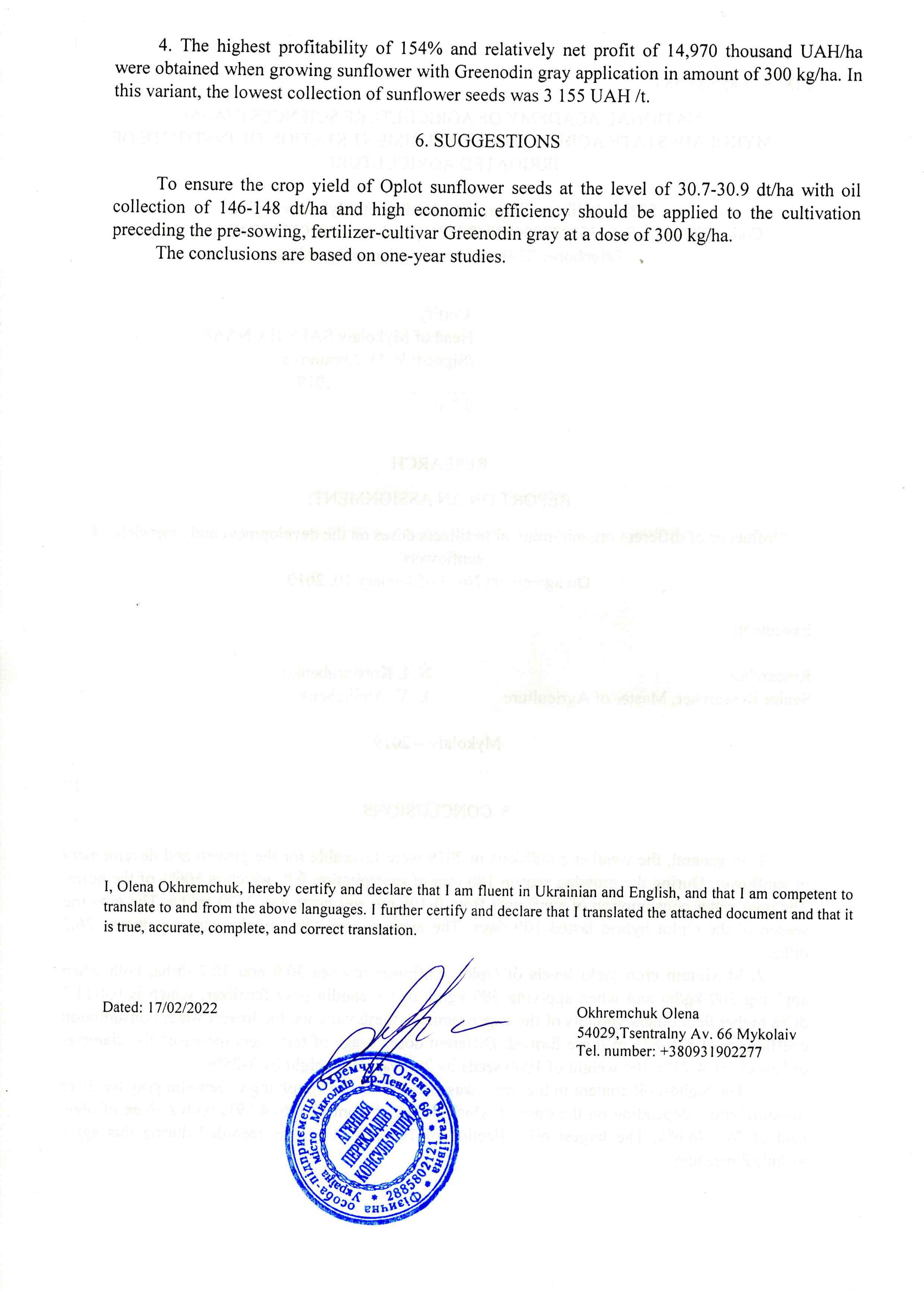
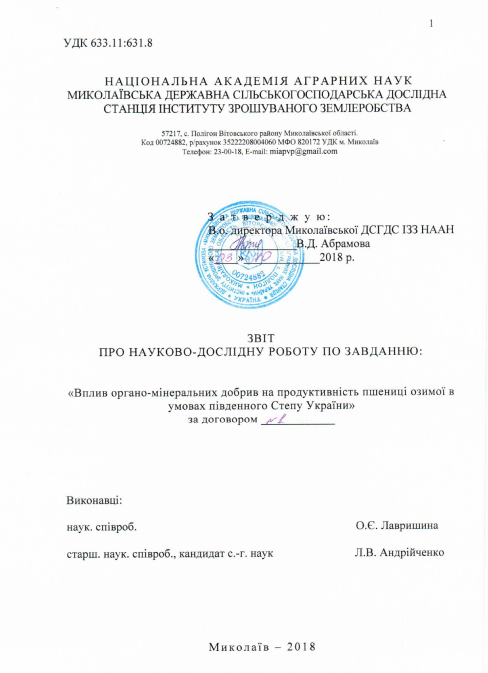
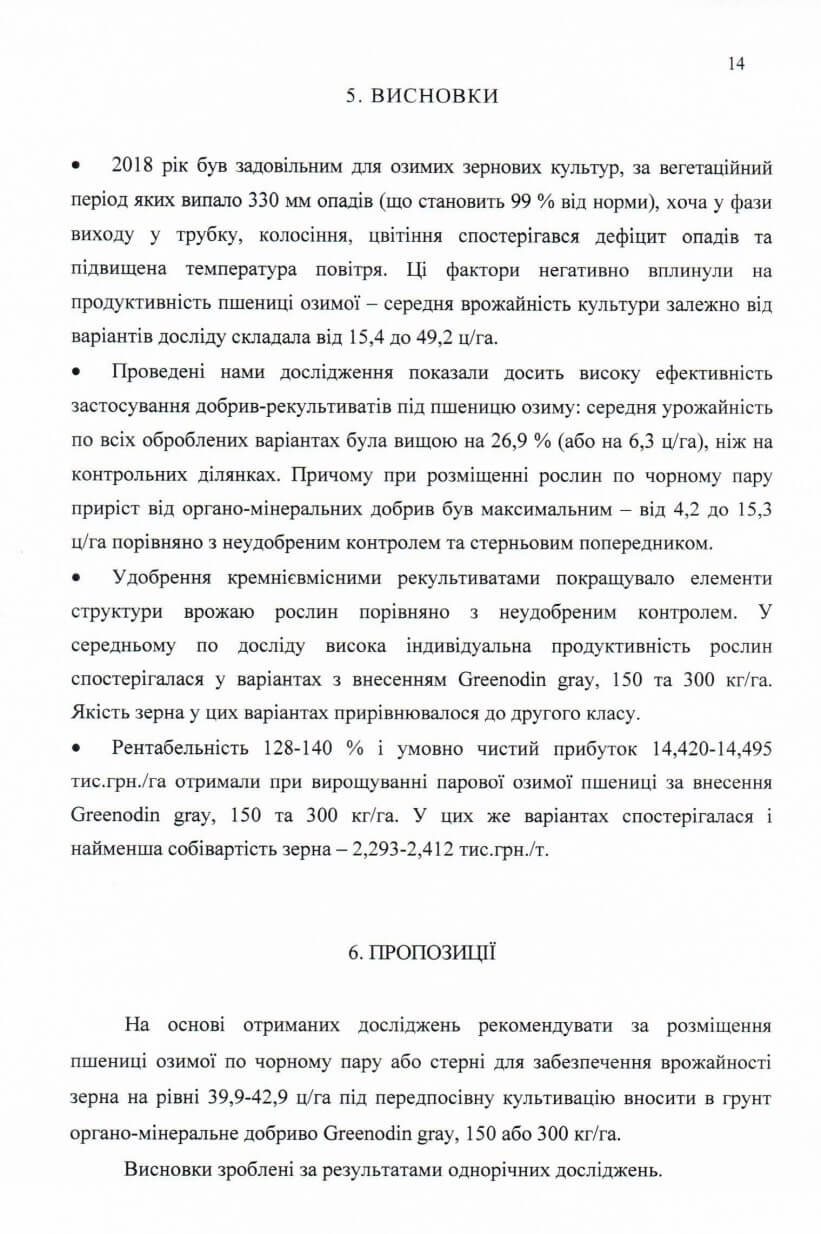
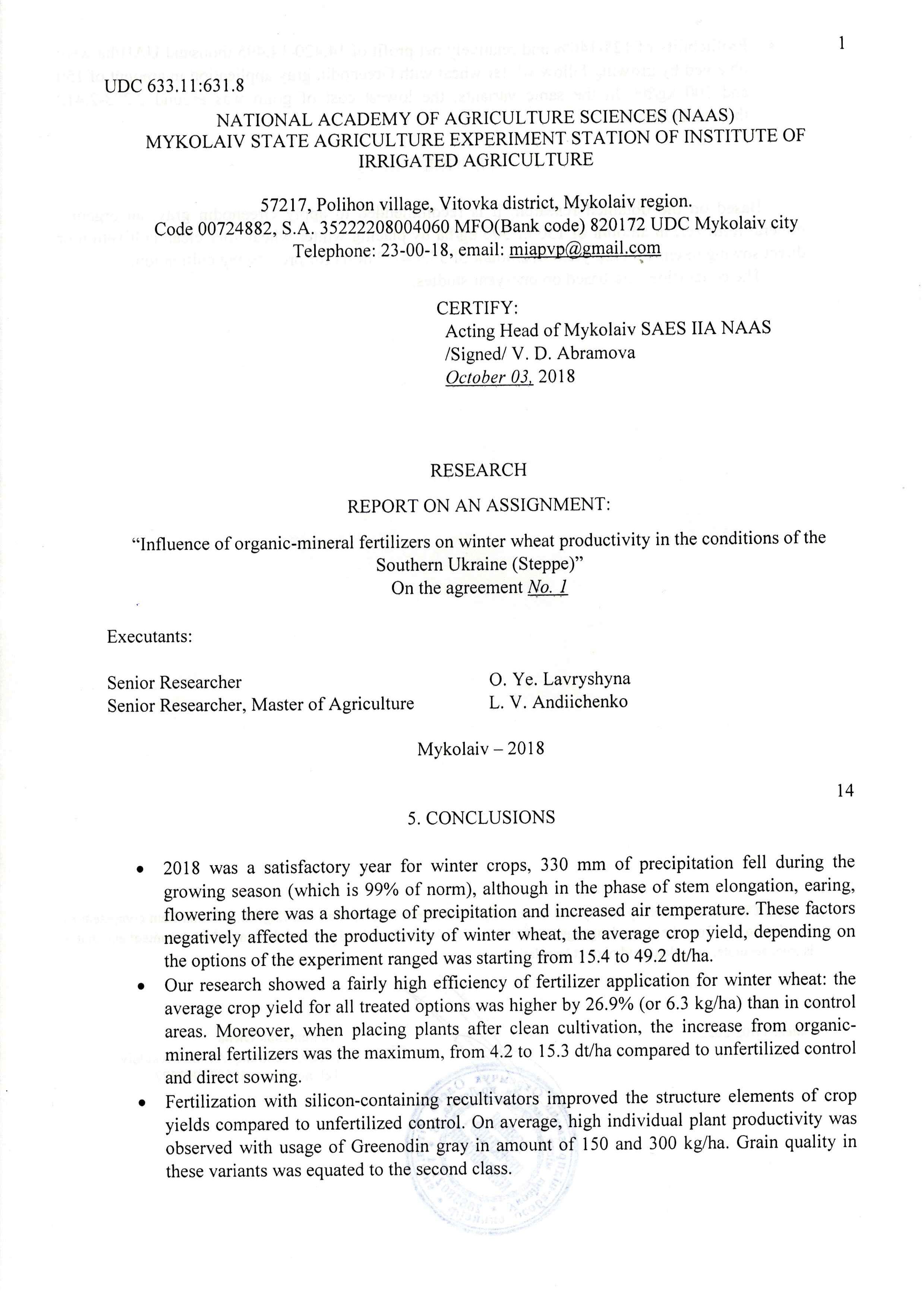
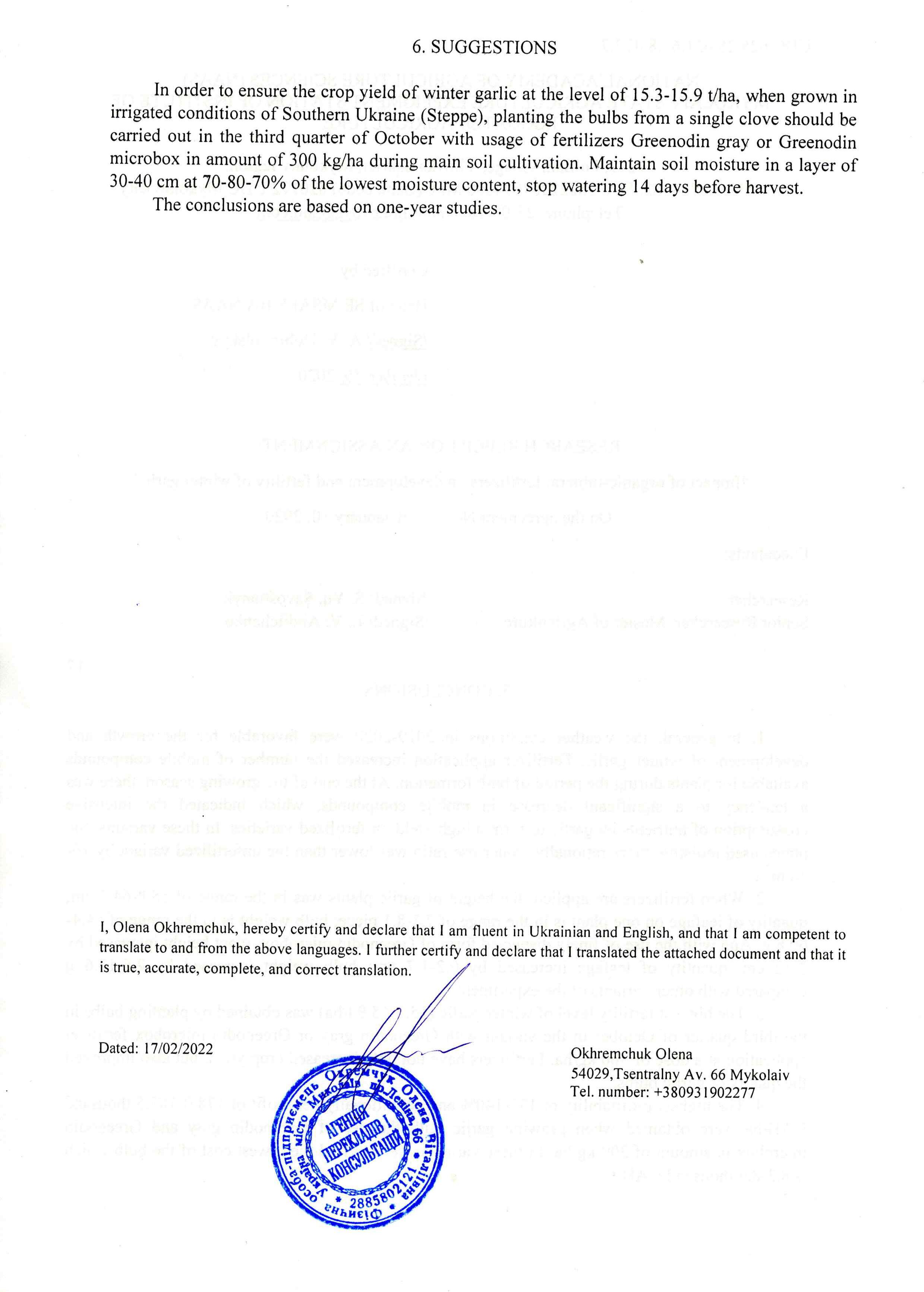
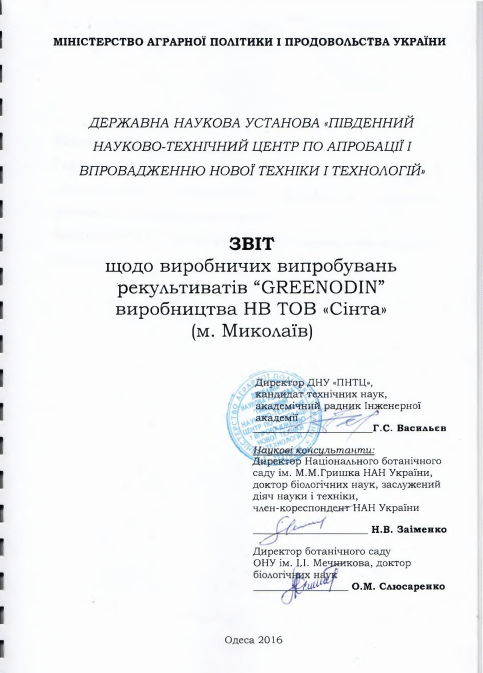
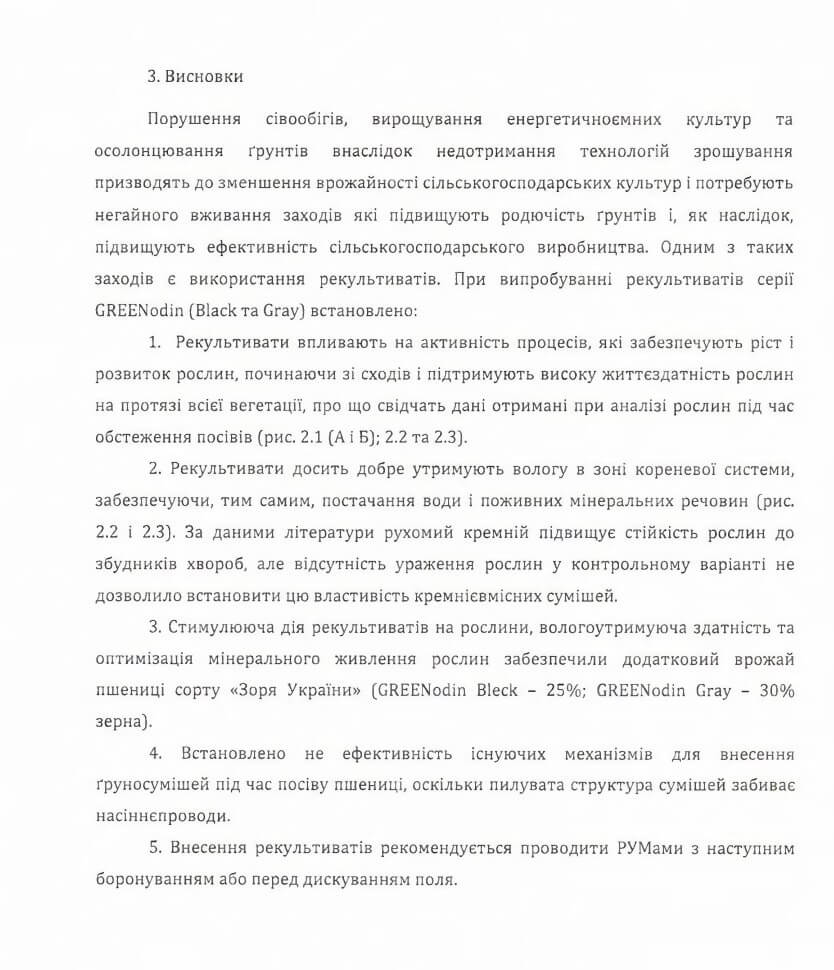
Mitigating the stress factors caused by improper crop rotation practices and adverse weather conditions can be facilitated by the application of organic fertilizers. GREENODIN reclamation and ameliorants are designed to restore and enhance soil fertility.
Principles of composing lines and complete circuits
The principles of creating crop rotations and complete schemes are as follows: In order to rationalize land use and create favorable conditions for cultivating major crops on farms, a system of crop rotations is implemented. A crop rotation system refers to the optimal combination of several crop rotations on the farm (it is applicable only to arable lands). However, besides fields, there are other agricultural lands in each farm (lands under perennial fruit and forest plantations, as well as natural fodder lands). Therefore, the field management is organized after developing a plan for the utilization of all agricultural lands, part of which includes the plan for the organization of the territory, productive land use, and the introduction of crop rotations. Based on the results of conducted surveys, an explanation of land use is compiled.
The study of relevant characteristics of arable lands is of particular importance in developing crop rotations. All arable lands are categorized based on their fertility level, erosion status, and other factors, which enables the proper placement of crop rotations on the farm's territory. In the land use plan, measures are developed to improve land utilization, arrange production units, organize crop rotations and forage lands, protect soil, water bodies, and the air basin. After a possible transformation of land use based on assessments and surveys, the development of the structure of cropping areas is undertaken directly on the farms.
The main criterion for a rational cropping area structure is the amount of production obtained per hectare of arable land with the least labor and cost input per unit of output. To achieve this, the selection of agricultural crops is carried out, taking into account their requirements for growing conditions and the soil-climatic conditions of the farm. In addition to considering the potential yield of selected crops, the quality of the products and their purpose should also be taken into account.
The compliance with crop rotations is monitored after their implementation. This involves comparing the actual placement of crops with the planned rotation table for each crop rotation.
During crop rotation, there may be deviations from the established crop sequencing. These deviations can be unjustified or dictated by practical reasons, such as the loss of winter crops or perennial grasses during wintering. Therefore, after processing such fields, they are sown with different crops, taking into account that their yield compensates for the corresponding harvest of agricultural produce, and the fields serve as predecessors for the following crops in the crop rotation. For each crop rotation in the farm, a field history book is compiled. It chronologically records information about each field, including crop placement, soil treatment and fertilization systems, activities carried out during crop care, weed, pest, and disease management, and more. The field history book is usually maintained by the chief agronomist of the farm, and in cases where there is none, by an agronomist or department supervisor.
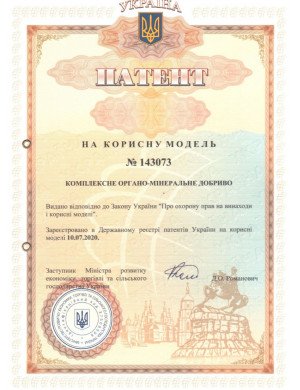
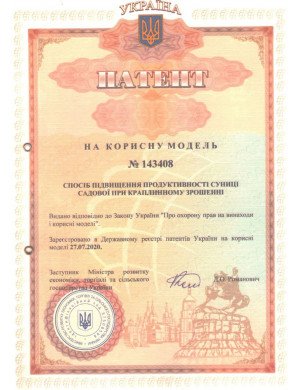
Considering the mentioned crop rotation schemes and other conditions, the best results are achieved when using comprehensive organic-mineral fertilizers GREENODIN.
Importance of Crop Rotation
- Soil Fertility Preservation: Crop rotation helps to avoid soil depletion caused by continuous cultivation of the same crop. Different crops have varied nutrient requirements, and their rotation helps maintain the soil's nutrient balance.
- Pest and Disease Control: Crop rotation reduces the risk of pest and disease spread since many of them are specific to certain crops. Shifting crops disrupts their life cycles and reduces their populations.
- Improvement of Soil Structure: Various crops have different root systems that can enhance soil structure. Deep roots help loosen the soil, improving drainage and aeration.
- Soil Erosion Reduction: Crop rotation helps to lower the risk of soil erosion, as crops with different root systems and canopy characteristics help retain soil in place, especially during heavy rainfall.
- Green Fertilizer Biodiversity: The use of cover crops in crop rotation ensures green fertilizer biodiversity, which helps retain nitrogen and other nutrients in the soil, enriching it for subsequent crops.
- Economic Efficiency: Crop rotation brings significant economic efficiency to the farm, as it reduces expenses on fertilizers, pesticides, and other agrotechnical inputs, while increasing crop yields and product quality.
- Agricultural Sustainability: Crop rotation is a crucial element of sustainable agriculture, adopting a comprehensive approach to maintaining soil fertility, controlling pests and diseases, and ensuring ecological resilience of the farm.
- Support for Biological Diversity: Rotating different crops supports biological diversity, attracting various beneficial animals and microorganisms that create and maintain the balance of the ecosystem.
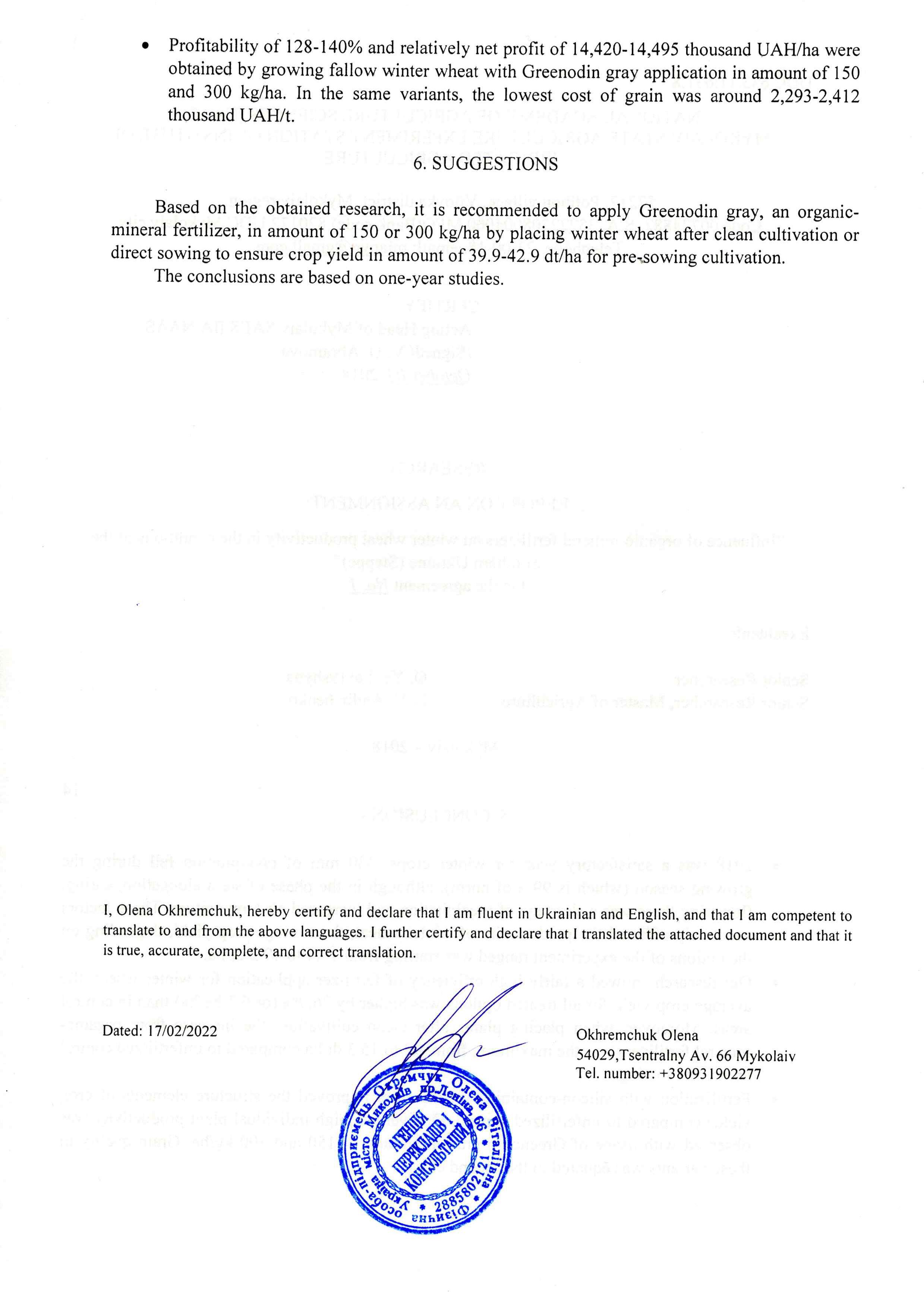
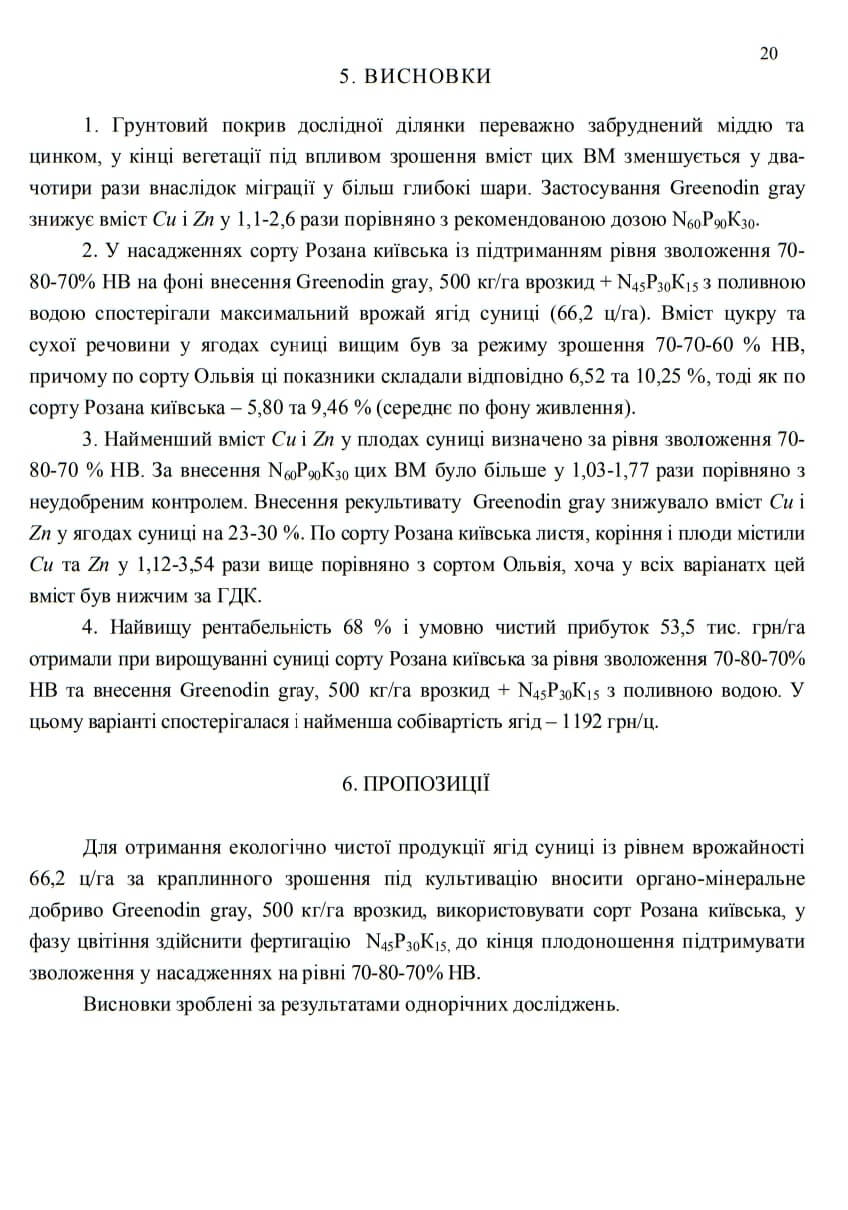
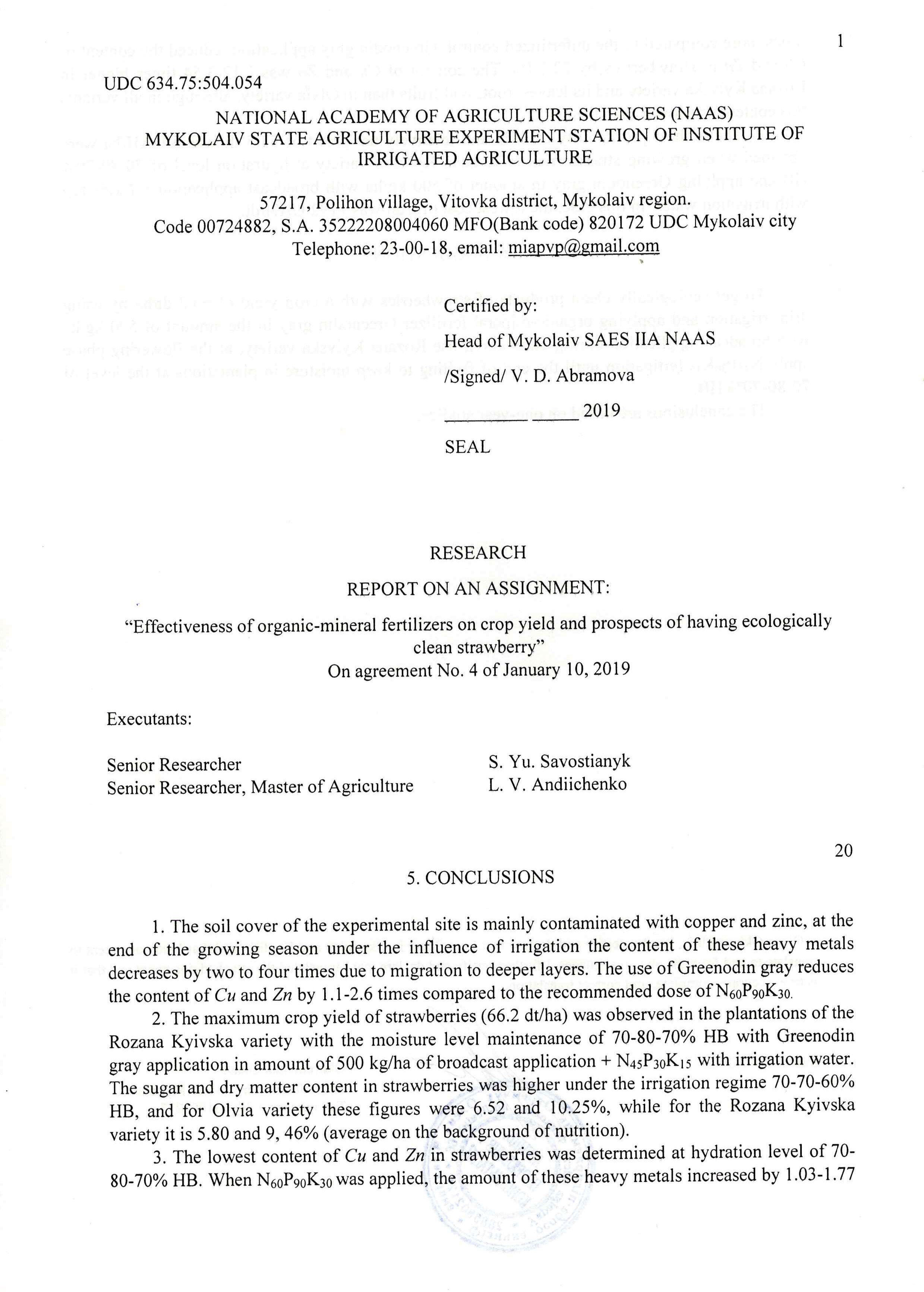
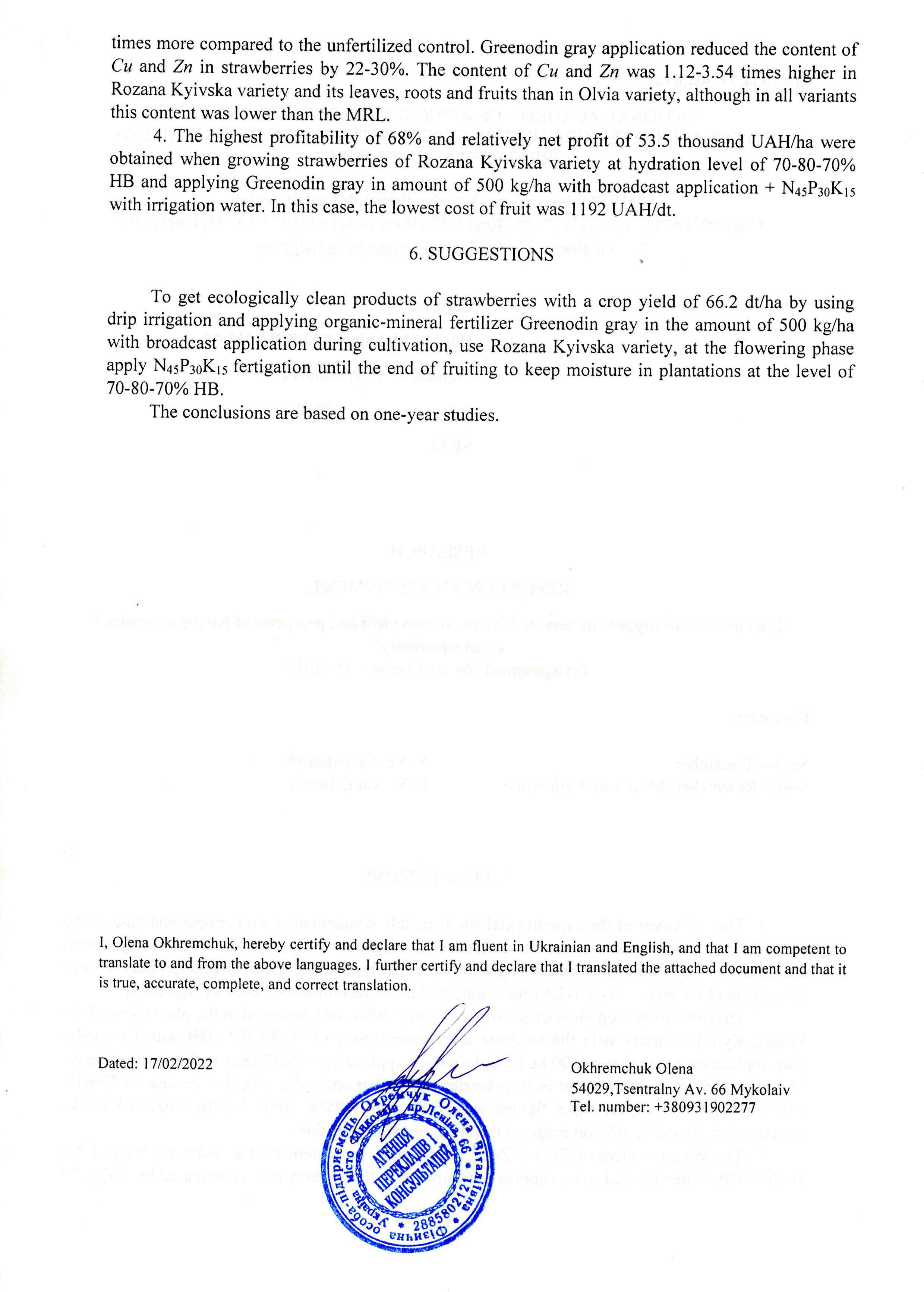
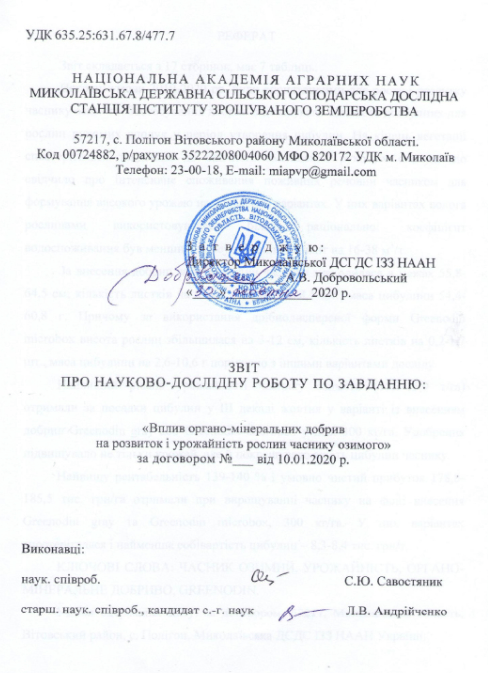
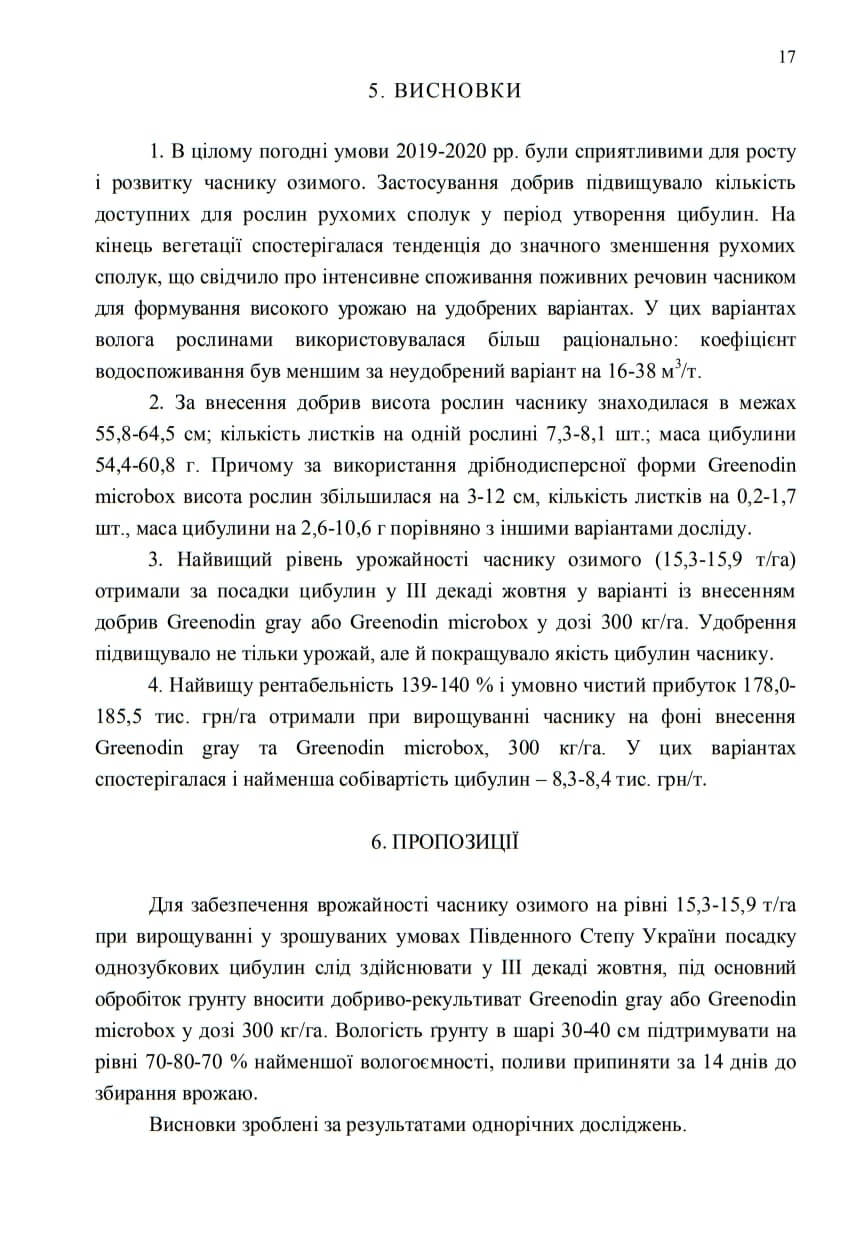
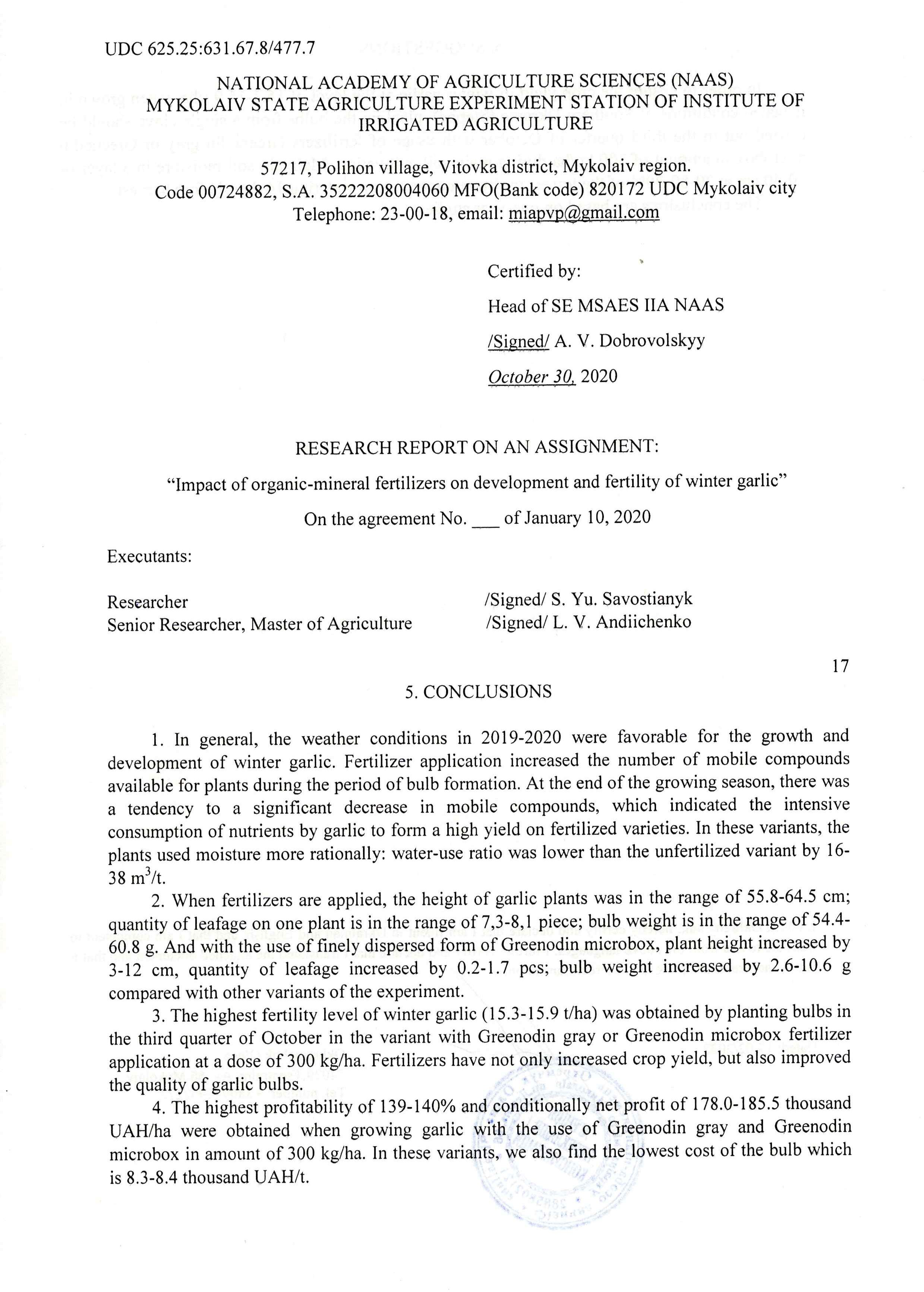
Reports on the use of organic fertilizers
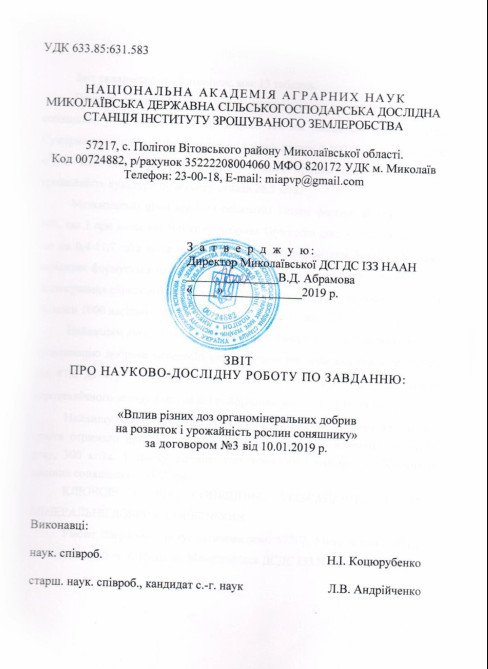
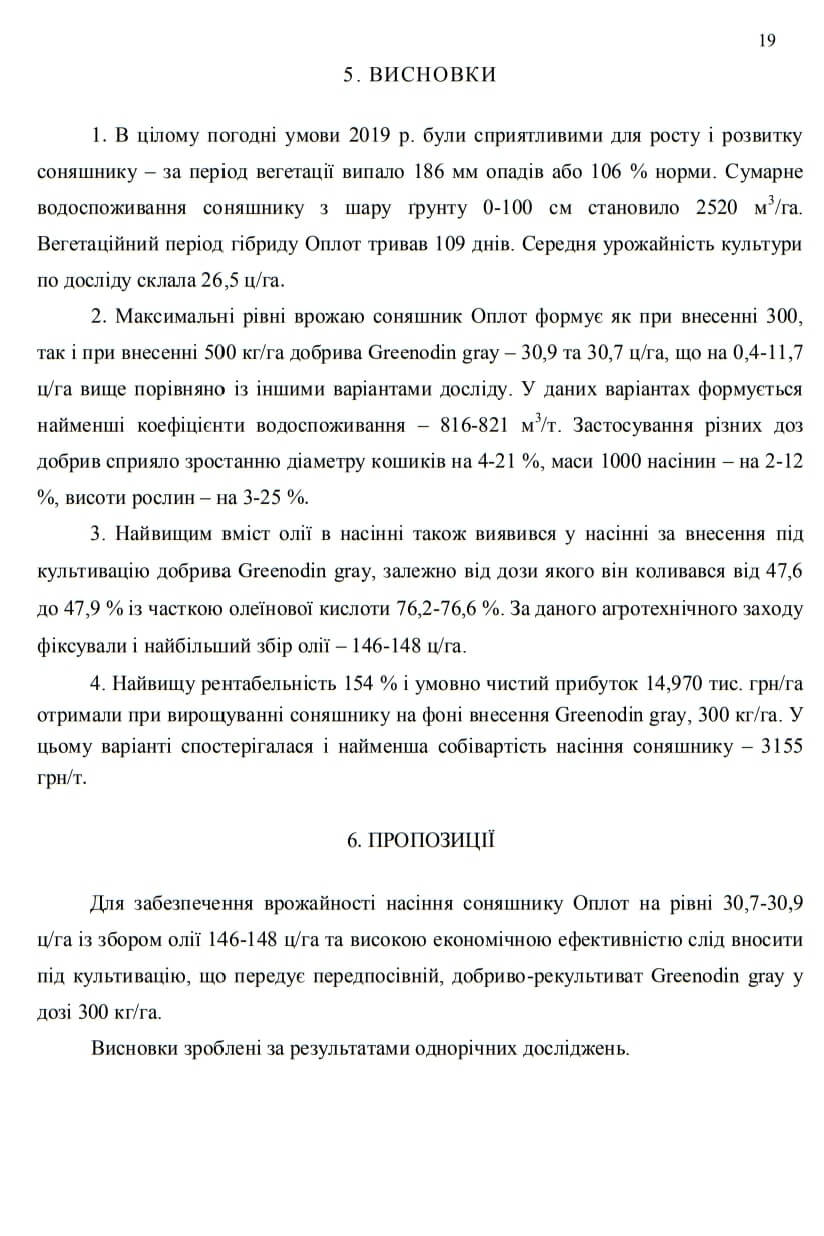
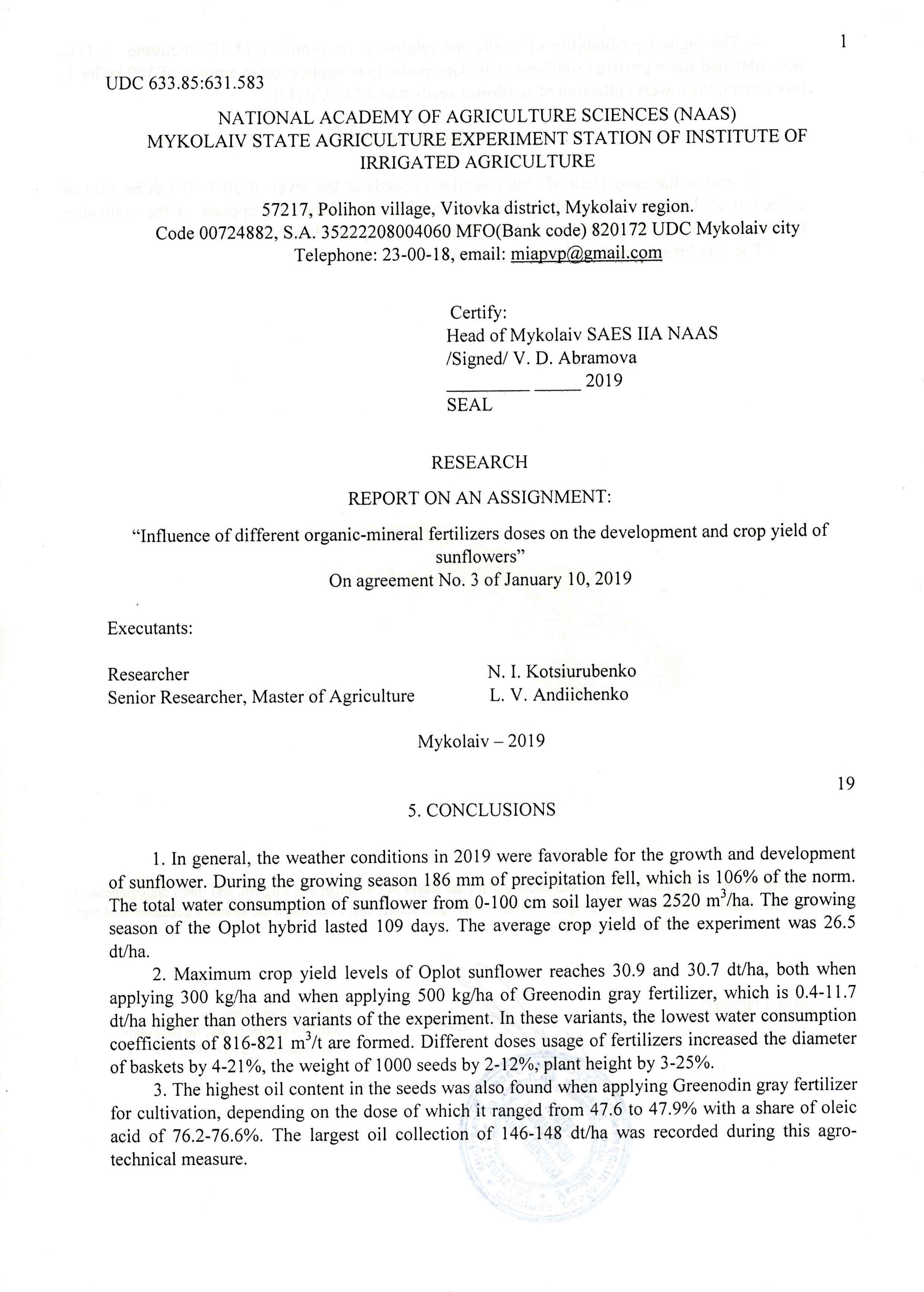
 ЮТЦ Спельта озима 2016 рiк Greenodin
 ЮТЦ Спельта озима 2016 рiк Greenodin

Leave a Comment